We’ve become incredibly adept at fearing a certain type of man, often before we’ve learned to recognize truly harmful behavior. When secrecy, betrayal, or exposure surfaces, especially when same-sex intimacy is rumored, the immediate go-to explanation is often: ‘He must be ‘down low’.’ But this label, applied faster than facts or patterns, might be preventing us from seeing the real issues.
The Problem with the ‘Down Low’ Label
The fear associated with the ‘down low’ concept isn’t unfounded. Many Black communities have experienced deep pain from secrecy, cheating, abandonment, and public humiliation. However, the question is whether this framework is actually helping us survive or just perpetuating a cycle. A man being private isn’t the same as being deceptive. Being queer isn’t the same as being exploitative. Being closeted isn’t the same as being abusive. Yet, public conversations often collapse these distinct issues into one convenient, but ultimately unhelpful, category.
What truly harms people isn’t always who a man desires, but rather how he conducts himself. The lying, the split realities, the constant image management, the entitlement, and the way he might use different people for different needs – comfort, status, sex, labor, silence – these are the red flags. The pattern of accountability humiliating him more than wrongdoing, and his cruelty when exposed, are far more telling than any speculation about his sexuality.
Dwight Howard: A Case Study in Misdirection
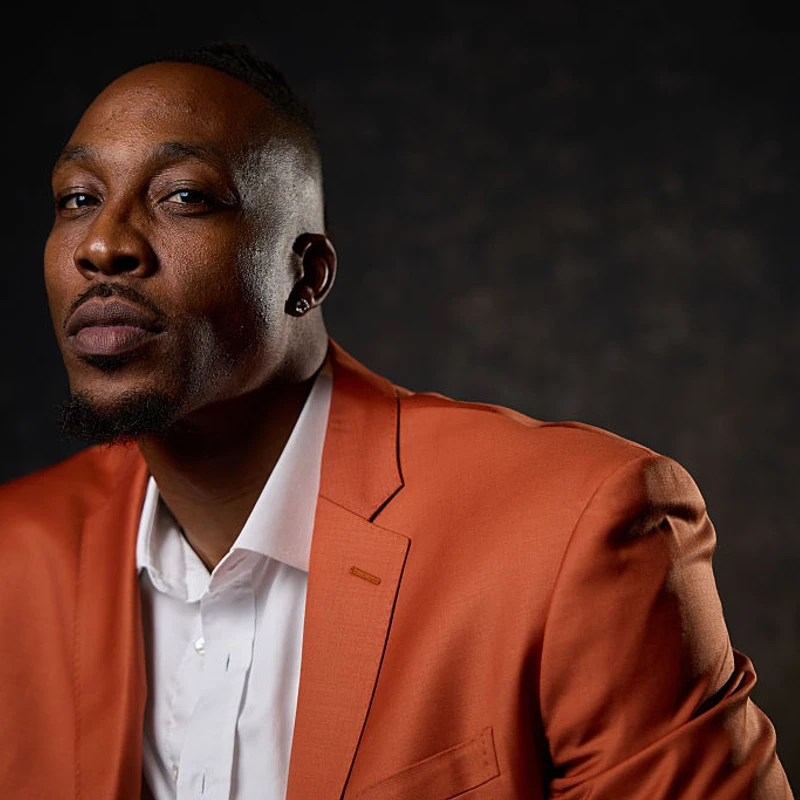
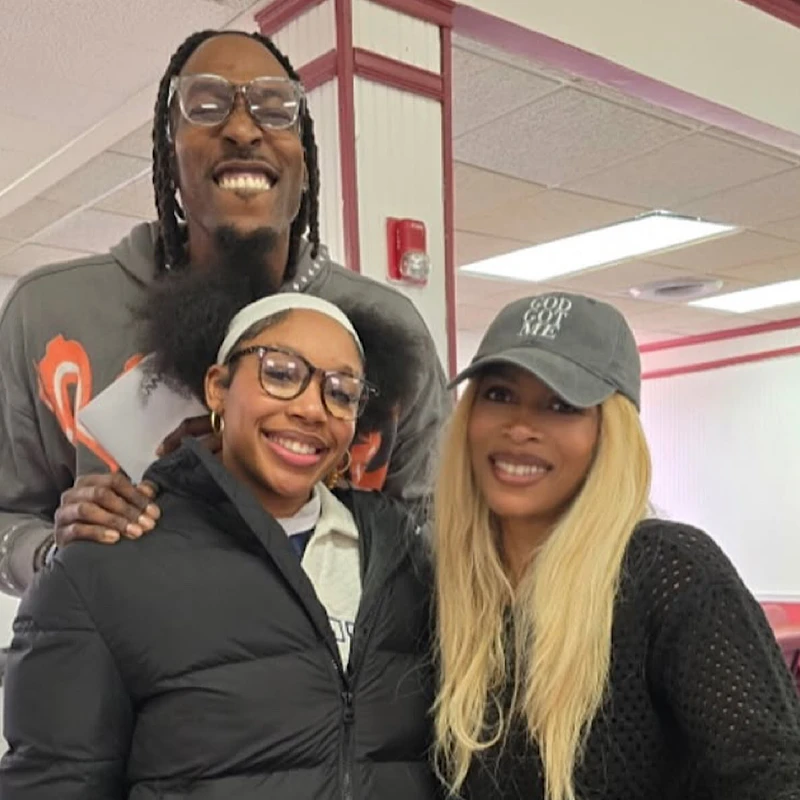
The public conversation surrounding NBA star Dwight Howard often fixates on his rumored sexuality and the surrounding spectacle, rather than his behavior. While lawsuits and marriage collapses generate viral reactions, they often overshadow the more critical question: How does he treat the people in his orbit? Harmful individuals often exhibit consistent patterns of behavior across different contexts, partners, and public narratives.
When women like Royce Reed or Amy Luciani have raised concerns, they’ve often been filtered through stereotypes – misogyny, colorism, the ‘crazy ex’ trope – before being taken seriously. This tendency to seek validation from figures deemed ‘polished’ or ‘respectable’ allows harm to persist. The ‘down low’ discourse, in particular, can turn sexuality into the headline, leaving the underlying worldview of entitlement and manipulation untouched.
Beyond Sexuality: The Real Patterns of Harm
The focus on Dwight Howard’s sexuality, whether in relation to civil suits or his marriage, distracts from a deeper analysis of power dynamics and public appetite for spectacle. Similarly, Matthew Knowles’s actions are not about his sexuality but about entitlement and controlling narratives. Cam Newton’s comments devaluing women are about his choices and public positioning, not his sexual preferences.
The real profile of a harmful individual involves a lifestyle of lying, telling different truths in different rooms, and needing multiple versions of himself for different relationships. It’s about depending on people while resenting their needs, seeking intimacy without reciprocity, and wanting the benefits of closeness while refusing the obligations of honesty. This pattern extends far beyond any specific sexuality or label.
- Does he tell the truth consistently?
- Does he become cruel when confronted?
- Does he devalue the people whose labor makes his life easier?
- Does he want partnership, or does he want infrastructure (devotion, admiration, labor, silence)?
- Does the same confusion surface around him, regardless of changing circumstances?
Better Tools for Safety
Homophobia and transphobia don’t just stigmatize queer individuals; they also hinder our ability to analyze harmful men by training us to focus on who a man desires rather than how he treats others. Secrecy alone is too blunt a category to protect us. It might trigger alarm, but it doesn’t build discernment. We need better tools than stereotypes and rumors. Safety requires us to look beyond the label of ‘down low’ and examine the consistent patterns of behavior that truly cause harm.
What are your thoughts on the ‘down low’ discourse and its impact on recognizing harmful behavior? Do you agree that we need to shift our focus? Share your perspective in the comments below!