Tag: Roland Martin

  • Roland Martin Criticized for Centering Justin Fairfax’s Narrative

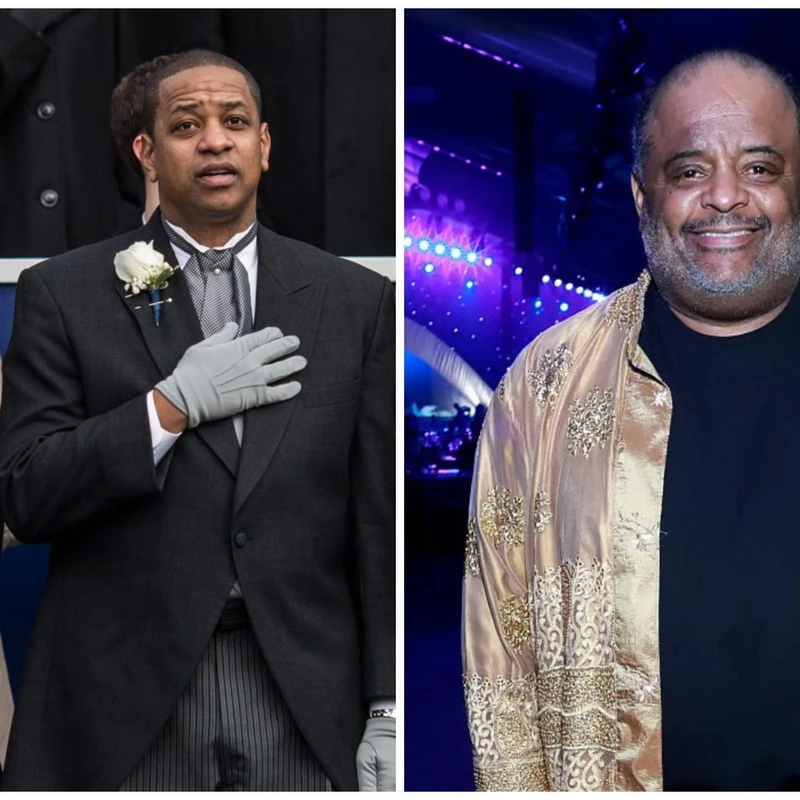
    The tragic news of former Virginia Lt. Gov. Justin Fairfax allegedly murdering his wife, Dr. Cerina Fairfax, before taking his own life, sent shockwaves through the community. However, the immediate aftermath saw a concerning shift in public discourse, particularly on social media and in media segments like Roland Martin’s “Roland Martin Unfiltered.” Instead of centering the victim and the horrific violence she endured, the narrative quickly pivoted to focus on Fairfax’s mental health and perceived struggles.

    Shifting Focus from Victim to Perpetrator

    The author argues that this pivot, exemplified by Roland Martin’s “unflinching conversation” that became a “sprawling discussion centered on Black men’s mental health, status loss, depression, and the emotional burden of public failure,” serves as a deflection. By introducing the conversation with “but also,” Martin allegedly rerouted a discussion about domestic violence and accountability into one about the killer’s feelings and humanity. This reframing, the author contends, reduces the victim to a mere setup for the perpetrator’s narrative.

    The use of Black male psychologists on Martin’s panel, who discussed concepts like the “fallen high-status Black man” phenomenon and neuropsychological terms like “limbic systems” and “emotional dysregulation,” further clinicalizes the violence. This approach, the author suggests, transforms a deliberate act of murder into an inevitable process or an internal collapse, thereby diminishing accountability. The focus on Fairfax’s “internal world” leaves less time to confront “what he did.”

    The Dangers of Explaining vs. Excusing Violence

    The author raises a critical concern: the blurring of lines between explaining violence and excusing it. By framing intimate partner homicide primarily through the lens of mental health struggles, depression, or loss of status, the conversation risks suggesting that these factors justify or inevitably lead to such acts. This is dangerous because, as the author points out, most individuals experiencing depression or personal setbacks do not resort to murdering their spouses.

    The piece highlights how statistics, like Black men being four times more likely to die by suicide than Black women, were presented in a context where the story was about murder, not suicide. This redirection pulls the audience away from the reality of the violence and into a broader narrative of male suffering, thereby diminishing the focus on the victim’s death and the perpetrator’s actions.

    The core truth of intimate partner violence: it is not simply about emotional collapse. It is about control, male entitlement, and the often unspoken but deeply ingrained belief that another person’s life is negotiable when a man feels he is losing something. — Dr. Stacey Patton

    Protecting the Group Narrative

    The author posits that this reframing serves as a form of self-protection for the group, particularly for Black men who may feel threatened by the disruption of a “respectability” narrative. By labeling the act as pathology or illness, it becomes an aberration rather than a potential consequence of ingrained beliefs about gender, control, and entitlement. This protects the collective image and avoids confronting uncomfortable truths about masculinity under strain.

    While acknowledging the genuine need for conversations about Black men’s mental health, the author stresses that centering this issue immediately after a lethal act of violence against a woman contaminates the discussion. It recenters the perpetrator’s inner life and displaces the structural reality of violence against women. The author concludes that prioritizing a man’s pain before fully naming his violence distorts the story and teaches the public whose inner life matters most, even in death.

    What are your thoughts on the way Justin Fairfax’s murder-suicide was discussed in the media? Do you agree that the focus should remain on the victim and accountability? Share your views in the comments below.
  • Roland Martin Criticized for Fairfax Tribute

    A shocking incident has ignited a firestorm on social media, drawing criticism towards respected Black media figure Roland Martin. The controversy erupted after news broke on Thursday, April 16, 2026, that former Virginia Lieutenant Governor Justin Fairfax allegedly murdered his wife, Dr. Cerina Fairfax, before taking his own life. The tragedy reportedly occurred at their home with their teenage children present.

    While the community mourned the loss of Dr. Cerina, a respected dentist and community leader, Martin took to multiple platforms – Facebook, Instagram, and Threads – to post what many are calling an offensive “tribute” to Justin Fairfax.

    The Post That Sparked Outrage

    In his post, Roland Martin referred to Justin Fairfax as his “brother” from both the Alpha Phi Alpha and Sigma Pi Phi fraternities. Martin expressed his devastation, focusing heavily on how “devastated” Fairfax was by the 2019 sexual assault allegations that derailed his political career. He wrote, “Justin was my #APhiA brother and in the same Sigma Pi Phi chapter. I was personally aware of how devastated Justin was… his political career never recovered. Please be in prayer for Justin’s family.”

    This message immediately drew sharp criticism, with many accusing Martin of “humanizing” a murderer and prioritizing fraternity bonds over basic human decency and support for the victim.

    The Backlash: Victim vs. Villain

    Critics were furious that Martin brought up Fairfax’s past allegations as a potential “reason” for his mental state, seemingly soliciting sympathy for a man accused of murdering his wife and orphaning his children. The sentiment echoed in viral comments: “Is the frat bond so deep that you’re sending condolences to a wife-killer? Cerina was the victim. Justin was the villain. Period.”

    The core of the criticism was that while Fairfax may have been “devastated” by his ruined career, Dr. Cerina Fairfax is dead due to his alleged violence. The focus, many argued, should have been on the victim and the horrific act of domestic violence.

    Deletion and Defense

    Facing intense backlash, Roland Martin deleted the tribute post by Friday evening. However, he reportedly doubled down on his stance, claiming he only removed it at the request of Sigma Pi Phi Fraternity leadership due to their social media policy. He did not issue an apology for the sentiment itself, stating, “I never want to delete social posts, even when people disagree. Discourse is valuable.”

    Adding to the controversy, Martin later dedicated a segment of his show to “Black Male Mental Health.” Many interpreted this as an attempt to frame the murder-suicide as a mental health crisis rather than a tragic act of domestic violence.

    A Tragic Downward Spiral

    Justin Fairfax’s public image has been irrevocably damaged, transitioning from a rising Democratic star to a figure associated with murder and suicide. Reports suggest he had spiraled into alcoholism and isolation, reportedly facing a deadline to move out of the family home following a contentious divorce proceeding.

    Was Roland Martin right to highlight the “mental health” aspect of the killer, or was his tribute completely out of line given the circumstances? What are your thoughts on this sensitive situation? Share them in the comments below.

  • Roland Martin Removes Post on Fairfax Murder-Suicide

    In the wake of the tragic murder-suicide involving former Virginia Lt. Gov. Justin Fairfax and his wife, Dr. Cerina Wanzer Fairfax, journalist Roland Martin shared his condolences and reflections. However, a social media post detailing his personal connection to the couple and the circumstances drew significant backlash, leading Martin to eventually remove it.

    Fraternity Rules Prompt Post Removal

    Martin revealed that the decision to delete his post was prompted by an email from the leadership of Sigma Pi Phi Fraternity, Inc. (also known as the Boulé). The Grand Grammateus requested that Martin remove any references and pictures related to the fraternity from his post to adhere to their social media policy regarding member names and images.

    While Martin expressed his reluctance to delete posts, stating that “discourse is valuable in any society,” he complied with the fraternity’s request as a member. He made it clear, however, that he would publicly explain the reason for the removal, emphasizing his commitment to covering such sensitive stories.

    Commitment to Covering Difficult Stories

    Martin underscored that his platform, #RolandMartinUnfiltered and the Black Star Network, remains dedicated to covering this story and its broader implications, particularly the impact on Black women and men. He stressed the importance of holding individuals and leadership within Black male organizations accountable to combat domestic violence and address mental health issues.

    “We can’t tout ‘I am my brother’s keeper’ if we are silent and complacent on these issues,” Martin stated, highlighting the need for proactive engagement rather than silence in the face of such tragedies.

    Original Post’s Content and Context

    In his original post, Martin shared his personal connection to both Justin Fairfax and Dr. Wanzer Fairfax. He revealed that Fairfax was his fraternity brother from Alpha Phi Alpha Fraternity, Inc. (APhA) and also a member of the same Sigma Pi Phi chapter. He also noted that Dr. Wanzer Fairfax had previously recommended him as a commencement speaker for Norfolk State University.

    Martin expressed his profound shock and sadness at the news, acknowledging the devastating impact on the couple’s two children. He touched upon the personal toll the sexual assault allegations against Fairfax had taken on his political career and expressed sorrow for the family’s loss. The post also highlighted the critical issues of domestic violence and mental health, which were central to a panel discussion Martin hosted on his show.

    Broader Societal Impact

    The death of Dr. Wanzer Fairfax, in particular, has amplified conversations around femicide and the alarming rate at which women are victims of violence. The circumstances surrounding the murder-suicide serve as a stark reminder of the pervasive nature of these issues within society.

    Martin’s commitment to discussing these difficult topics, even when facing personal or professional pressures, underscores the vital role of journalism in shedding light on societal challenges and fostering necessary dialogue. His decision to explain the post’s removal, rather than simply deleting it without comment, ensures transparency and continues the conversation around accountability and support.

    What are your thoughts on Roland Martin’s decision and his commitment to discussing sensitive issues? Share your perspective in the comments below.

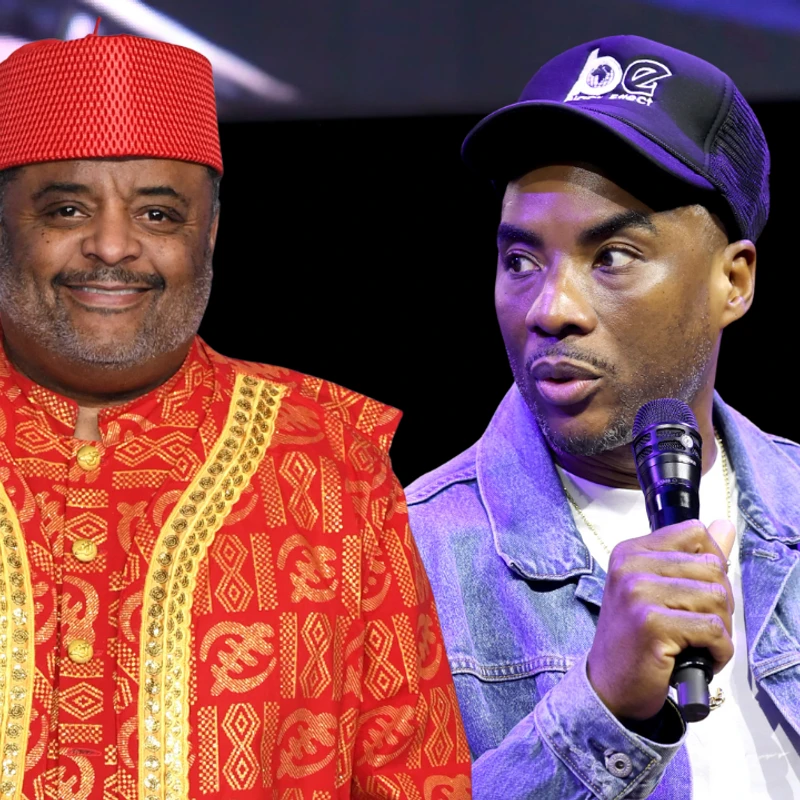
  • Roland Martin & Charlamagne Tha God Clash Over Shutdown

    The recent government shutdown has not only caused widespread disruption but also ignited a fiery debate between prominent Black media figures Roland Martin and Charlamagne Tha God. Their public spat centers on claims of misinformation and differing opinions, particularly concerning the shutdown’s impact on the Black community.

    From Panel Discussion to ‘Donkey of the Day’

    The feud escalated when Charlamagne Tha God, host of ‘The Breakfast Club,’ crowned Roland Martin his “Donkey of the Day.” This segment, where Charlamagne calls out public figures for questionable actions or statements, was triggered by a panel discussion on Martin’s Black Star Network. During the segment, panelists accused Charlamagne of spreading misinformation.

    Martin, in response, released a video addressing Charlamagne’s reaction. He stated, “Today on ‘The Breakfast Club,’ Charlamagne took exception to a segment we did last week where two panelists said that he speaks or provides some misinformation. And so he made a whole bunch of comments, some personal attacks.” Martin emphasized that he focuses on larger community issues and always champions truth and facts, regardless of race.

    The Core of the Disagreement

    The conflict began the previous week when Martin called Charlamagne’s comments on the shutdown “beyond idiotic.” Martin and his panelists specifically took issue with Charlamagne’s urging Democrats to “give it up” regarding the congressional standstill. They argued that this stance, presented to a predominantly Black audience, constituted misinformation.

    Charlamagne, however, pushed back, labeling Martin a “Democrat dancing machine.” He argued that his comments were not misinformation but rather his opinion, perhaps oversimplified for his audience. He explained that his perspective stemmed from concern for federal workers, SNAP beneficiaries, and others negatively impacted by the shutdown.

    Distinguishing Opinion from Misinformation

    “Roland, you may not agree that Democrats should concede and vote for the government to be reopened. But don’t say it’s misinformation,” Charlamagne stated. He clarified that while he might have oversimplified, his intention was to express his opinion, not to deliberately mislead. He felt Martin’s accusation was an intentional effort to discredit him and ‘The Breakfast Club.’

    Martin countered that he cannot sacrifice truth for anyone and is hard on facts, not people. He dislikes when individuals spread non-factual information that others then believe to be true. This fundamental difference in how they perceive the exchange fuels their ongoing public disagreement.

    Public Reaction and a Call for Dialogue

    The back-and-forth between these two media personalities has generated mixed reactions on social media. Many viewers have expressed a desire for a more direct conversation, suggesting that Charlamagne should have Roland Martin on ‘The Breakfast Club’ to hash things out, rather than engaging in separate online exchanges.

    What are your thoughts on the Roland Martin and Charlamagne Tha God debate? Do you think it’s misinformation or just a difference of opinion? Share your views in the comments below!

  • Roland Martin: DEI Attacks Threaten Black Media

    Pioneering journalist Roland Martin is sounding the alarm: the ongoing attacks against Diversity, Equity, and Inclusion (DEI) initiatives pose a significant threat to the existence of Black-owned media. On the seventh anniversary of his digital streaming show, “Roland Martin Unfiltered,” the veteran journalist sat down with theGrio to discuss how these anti-DEI efforts are impacting Black journalists, newsrooms, and the communities they serve.

    The Power of Owning Your Narrative

    Martin, who also owns the Black Star Network, emphasizes the critical importance of controlling one’s own platform. Having spent years navigating mainstream television, he recalls frequent attempts by non-Black executives to censor his work or dictate which Black-focused stories were deemed newsworthy. This experience fueled his drive to build his own independent media infrastructure, complete with extensive content archives.

    “The greatest mistake of journalists — they don’t learn the business of the business. We get fixated on how it looks,” Martin told theGrio. He believes that true power lies off-camera, in the hands of those who own and operate the platforms, a lesson underscored by the departures of numerous high-profile personalities from traditional TV networks.

    Anti-DEI Efforts and Their Devastating Impact

    The current political climate, particularly the second Trump administration, has intensified challenges for journalists across the board, leading to layoffs and censorship. However, Martin argues that the silencing of Black-led newsrooms, which cover crucial issues beyond entertainment, represents the most significant threat to Black community empowerment. “Our people really don’t understand that we are this close to literally not having Black-owned media covering news and information,” he stated.

    Martin points out that the attacks on DEI have disproportionately affected Black media outlets, which already struggle for advertising dollars. Corporate entities, facing pressure from entities like the FCC under Trump’s directives, are increasingly hesitant to sponsor Black events or media, fearing regulatory repercussions. “Corporate America; they have weaponized it to the point where if you’re a telecommunications company, you gotta deal with Brendan Carter, FCC chair, following Trump saying, ‘I’m not gonna approve any acquisitions because you support DEI, because you sponsor Black events,’” Martin explained.

    A Call for Investment and Support

    Martin describes the current situation as a “massive effort to defund Black America,” targeting its civil rights infrastructure, economic base, academia, and health sectors. He believes this is a deliberate strategy of the MAGA movement that Black America must confront for at least the next three and a half years.

    Despite these daunting challenges, Martin remains encouraged by the loyalty and financial support from his viewers through initiatives like his “Bring The Funk” fan club. He stresses that for Black media outlets to continue providing quality, deeply reported information – the kind often missing from gossip blogs – investment is crucial. “Our people have got to understand that we are swinging and fighting… So our people have got to support,” he urged, emphasizing the dire consequences if Black-owned media ceases to exist.

    What are your thoughts on Roland Martin’s warning about the future of Black-owned media? How can we best support these vital news outlets? Share your ideas in the comments below!