Tag: Religion

  • Mona Love on Colorism, Fame, and a Life-Changing Prayer

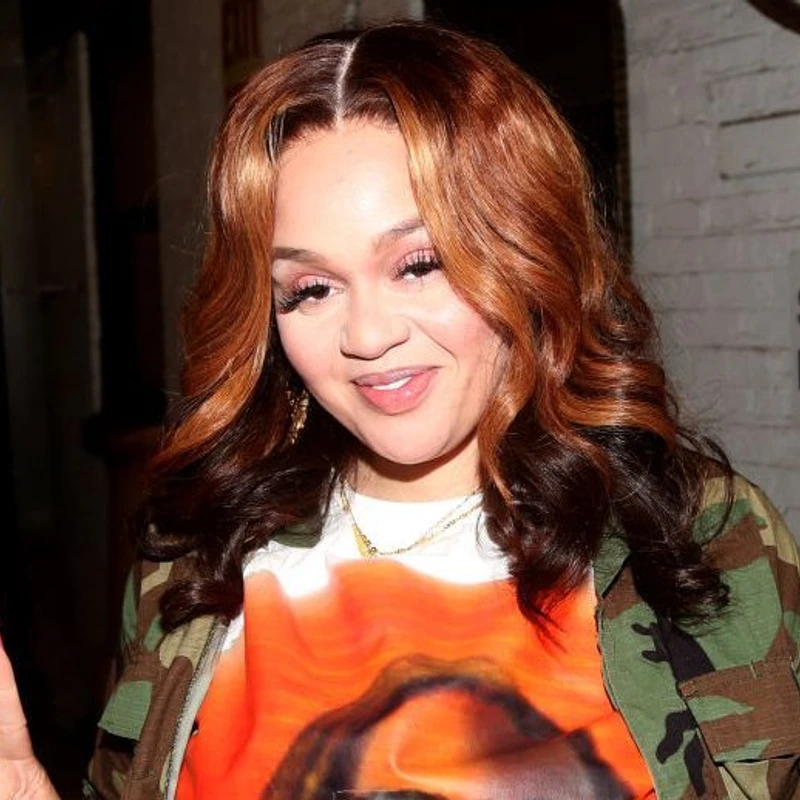
    Comedian Mona Love, also known by her viral moniker “Don’t Call Me White Girl,” recently sat down for a candid conversation on “The Morning Hustle.” She opened up about navigating identity, dealing with public criticism, and the profound impact of a single prayer that shifted her life’s trajectory.

    Addressing Colorism and Identity

    Mona Love brought her signature candor and humor to the interview, addressing complex topics like colorism within the Black community. As a light-skinned Black woman, she pushed back against the assumption that her complexion made life easier, sharing that she faced bullying growing up. “I love being a black woman,” she affirmed, highlighting the tensions colorism can create.

    Her appearance also touched on the intense backlash she received after a photo with Dr. Umar Johnson went viral. Mona Love explained the context of the appearance, noting that Dr. Johnson was aware of the potential criticism. She suggested that this intense public reaction underscored how quickly opinions can become personal attacks.

    From Prayer to Viral Fame

    Mona Love revealed that her first major viral moment occurred during a challenging transitional period in her life. At her lowest point, she turned to prayer, asking for a sign. That moment led to a Facebook post that garnered 3.5 million views, dramatically altering her life and career path.

    The comedian also revisited her public disagreement with fellow comedian Jess Hilarious. Mona Love attributed their fallout to significant differences regarding LGBTQ+ issues, expressing disappointment in what she described as harmful views and emphasizing the importance of allyship.

    Growth Through Challenges

    Further discussing her journey, Mona Love spoke about her experience joining the intense audience of the Joe Budden Podcast. Despite initial concerns about adjusting to the show’s demanding fan base, she found the experience to be a valuable opportunity for personal growth.

    Closing out the interview, Mona Love reaffirmed her deep passion for stand-up comedy. She emphasized that performing live remains the core of her future endeavors, signaling her continued dedication to the art form.

    What are your thoughts on Mona Love’s insights into colorism and her journey? Have you experienced a moment where prayer significantly changed your path? Share your thoughts in the comments below!

  • Unlearning Church Rules on Sex & Sensuality

    For many raised in the church, the message was clear: sex is sacred, reserved for marriage, and best kept quiet. But what happens when you reach that sacred destination and find that enjoying intimacy still feels taboo? This piece explores the journey of unlearning restrictive church teachings about sex and sensuality, and reclaiming pleasure as a vital part of faith and self.

    From Aspiration to Disruption: Visible Christian Intimacy

    The author recalls watching Erica Campbell’s wedding as a teenager, seeing her as the epitome of a “saved Black woman doing things the right way.” Over time, Campbell’s openness about her active sex life with her husband, her embrace of her curves, and her sensuality have been disruptive. For those raised in similar environments, this candidness challenges the ingrained notion that faith and open enjoyment of sexuality are incompatible.

    Millennials often lacked visible examples of Christian couples who openly enjoyed their intimacy while remaining deeply faithful. Couples like KevOnStage and Melissa Fredericks, or younger pairs like Jayla and Tony Henry, are now expanding this visibility by speaking candidly about attraction, sex, and the effort required to maintain connection. This provides a glimpse into a reality often left unspoken.

    The Legacy of Purity Culture

    Growing up, the messaging around sex was often about avoidance and suppression, not about understanding desire as something sacred or connected to worship. Even seemingly subtle acknowledgments, like T.D. Jakes’ ‘Sacred Love Songs’ CD, existed in a realm of hushed knowledge, reinforcing that intimacy should remain tucked away.

    The author recounts a high school sermon titled “The Best Sex of Your Life,” which offered a clarifying perspective: sex within marriage, free from shame and fear, would be the most fulfilling. This contrasted sharply with the prevailing message that sex was simply something to be avoided and that one’s body needed to be managed, often with the male gaze in mind. Verses about modesty were frequently used to police women’s bodies, often misconstrued from their original context addressing wealth and status.

    Reclaiming Agency and Pleasure

    LuzCelenia Arce describes how ‘sexy’ was often treated as a threat within Christian circles, both to male purity and women’s own. This indoctrination can lead to struggles with self-esteem and a disconnect from one’s body. The theology often centered male pleasure, leaving women unsure of their own needs and desires, or believing sex ends when their partner’s does.

    Arce points out that this doctrine also impacts men, teaching them that women’s bodies are triggers for inevitable urges, rather than fostering responsibility for their own gaze. This creates a confusing dynamic where sexual women are deemed immoral, yet the “good” Christian wife is expected to be un-sexual. Many were taught premarital sex was sinful, a framing challenged by scholars who note the original text may refer to prostitution rather than consensual premarital intimacy.

    The author’s own journey, marked by divorce, led to a process of deprogramming, decentering the male gaze, and decolonizing her thinking. Reclaiming her sensuality began with simple acts, like taking boudoir photos for herself, realizing she could feel sexy without needing an audience. This personal redefinition of ‘sexy’ involves embracing her body’s legacy, honoring her desires, and experiencing pleasure without shame.

    Ultimately, the piece argues that if the church encourages waiting for marriage, it must also prepare individuals for the intimacy that follows. This includes teaching self-awareness, embracing sexuality, and fostering mutual responsibility rather than solely enforcing restraint. True healing, Arce suggests, begins with coming back into one’s own body.

    How have your experiences shaped your views on sex, faith, and sensuality? Share your thoughts and journey in the comments below!

  • Boosie Badazz Defends Jaden Ivey After Bulls Release

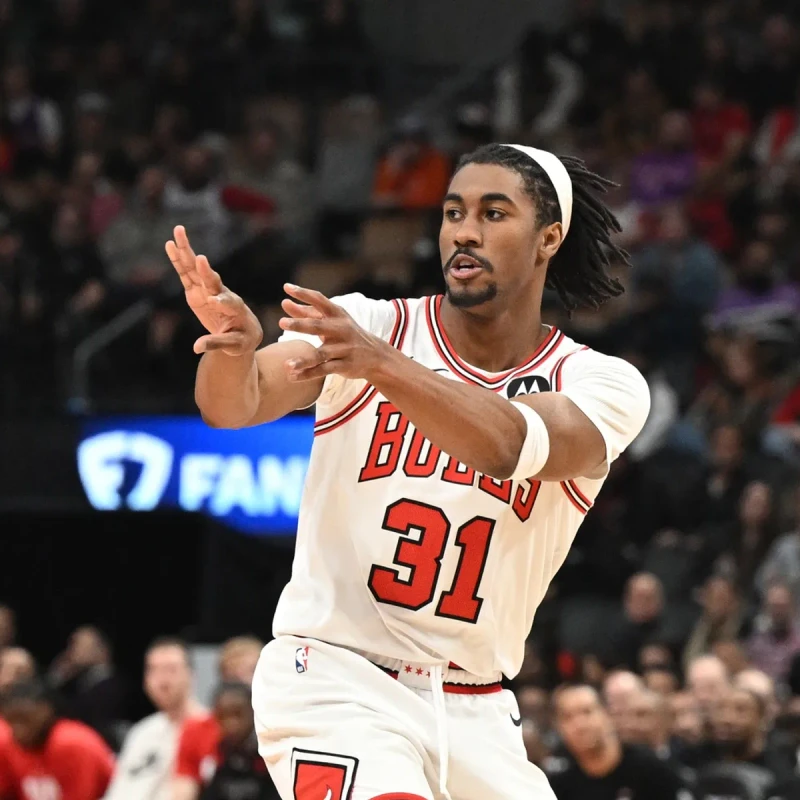
    Following a controversial period marked by disparaging remarks about the LGBTQ+ community, NBA player Jaden Ivey has been released by the Chicago Bulls. Now, rapper Boosie Badazz has entered the conversation, strongly criticizing the team’s decision and defending Ivey’s right to free speech.

    Ivey’s Comments and the Bulls’ Reaction

    Jaden Ivey’s recent social media activity, where he made comments about the LGBTQ+ community and urged followers toward religion, has raised concerns among fans and the league. Some have speculated about his well-being, with accusations of religious psychosis and worries about self-harm emerging.

    The Chicago Bulls ultimately decided to part ways with Ivey, citing his conduct as detrimental to the franchise. Despite his ongoing injury rehabilitation, the team felt his actions were negatively impacting the locker room atmosphere.

    Boosie Badazz Weighs In

    Given Boosie Badazz’s history of outspoken views on the LGBTQ+ community, his interest in Ivey’s situation isn’t surprising. The rapper took to social media to argue that Ivey’s free speech rights have been violated, asserting that disagreement should not be equated with hate.

    Boosie believes that individuals who express their “truth” are having their freedom of speech curtailed. While his perspective might resonate with some, it’s important to consider the context of professional sports.

    The Business of Sports

    Representing a major sports franchise like the Chicago Bulls comes with significant responsibilities. Comments that jeopardize sponsorships and damage the team’s reputation can have serious repercussions. In Ivey’s case, his on-court performance has also been a factor; he hasn’t been deemed valuable enough to overlook the distractions he’s created.

    Ultimately, the Bulls’ decision appears to be a calculated move to protect the team’s brand and locker room integrity, a common practice in the business of professional sports.

    What are your thoughts on Boosie Badazz’s defense of Jaden Ivey? Do you agree that free speech was violated? Share your opinions in the comments!

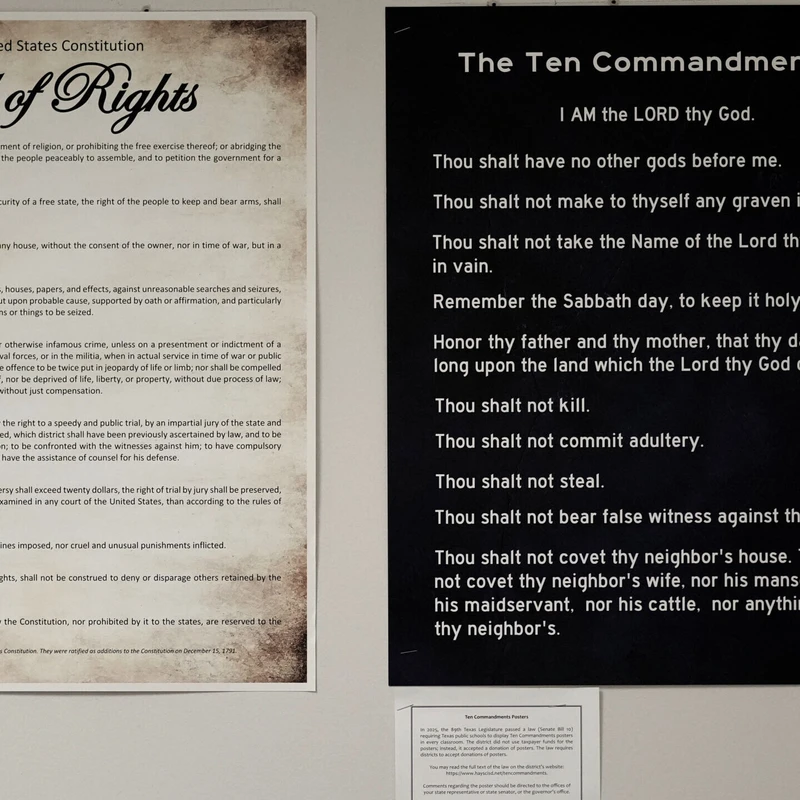
  • Texas Schools Mandate Ten Commandments: Clash of Beliefs

    A new state law in Texas requiring the Ten Commandments to be displayed in public school classrooms has ignited a firestorm of controversy, forcing educators, students, and parents to grapple with deeply held beliefs. This initiative, the largest of its kind in the nation, has led to resignations, legal challenges, and heated debates about religious freedom and the separation of church and state.

    Educators Resign Amidst Mandate

    For some, like high school theater teacher Gigi Cervantes, the mandate presented an untenable choice. Cervantes resigned from her beloved position, stating, “I just was not going to be a part of forcing or imposing religious doctrine onto my students.” Her decision highlights the profound ethical dilemmas faced by educators navigating this new requirement, which took effect in September.

    While federal courts have ordered some Texas school districts not to hang the posters, citing violations of the First Amendment’s guarantees of religious liberty and prohibition of government establishment of religion, the rollout continues in many areas. This legal back-and-forth is expected to eventually reach the U.S. Supreme Court.

    Districts Navigate a ‘Rock and a Hard Place’

    School districts across Texas find themselves in a difficult position. The law mandates that donated posters be displayed “in a conspicuous place” with visible text. Some districts, like Frisco in suburban Dallas, have proactively spent thousands of dollars on printing posters, even though donations were the primary requirement. Others are scrambling to find donated displays.

    Teachers like Dustin Parsons, an eighth-grade U.S. history teacher in Whitesboro, view the display from a historical perspective, arguing it helps demonstrate Christianity’s influence on the nation’s founding principles. However, the Hays Consolidated Independent School District south of Austin has opted to display copies of the U.S. Constitution’s Bill of Rights alongside the Ten Commandments, attempting to balance the mandate with constitutional protections. School board members, like Elizabeth Beeton of Galveston ISD, describe the situation as being “between a rock and a hard place,” especially after facing lawsuits for initially resisting the mandate.

    Supporters View Commandments as Moral Guides

    The law, championed by Republicans and supported by figures like President Donald Trump, has energized many parents and community members. Lorne Liechty, an attorney and Rockwall County commissioner, rallied support to donate posters, viewing the commandments as fundamental to Christian faith, the legal system, and societal function. Adriana Bonilla hopes the posters in her son’s kindergarten class will help instill moral foundations, respect, and responsibility.

    Teachers, however, are seeking guidance on how to handle student questions and the potential consequences of refusing to display the posters. Legal services director Julie Leahy advises teachers to refer such questions back to families. Many educators worry about creating an environment of unease for students who do not identify as Christian.

    • Teachers are concerned about students of non-Christian faiths feeling uncomfortable.
    • Guidance is sought on how to answer student questions about the religious text.
    • Some teachers fear professional repercussions for not complying with the mandate.

    Student reactions are also divided. Sixteen-year-old Madison Creed noted that the posting of the commandments at her high school became a school-wide debate, with many students disagreeing with their presence. The resignation of the band director over the issue further highlighted the deep divisions this law has created within the school community.

    What are your thoughts on the Ten Commandments being displayed in Texas classrooms? Share your perspective in the comments below!

  • Nigeria Violence: Survivors Say No One Is Spared

    In the conflict-battered regions of northwestern Nigeria, a grim reality unfolds daily. Villagers are caught in a cycle of violence, facing mass kidnappings, crippling ransom demands, and a pervasive sense of fear. Despite political narratives that often frame the crisis along religious lines, survivors and experts emphasize a more complex truth: in this widespread violence, no one is truly spared, regardless of their faith.

    A Community Under Siege

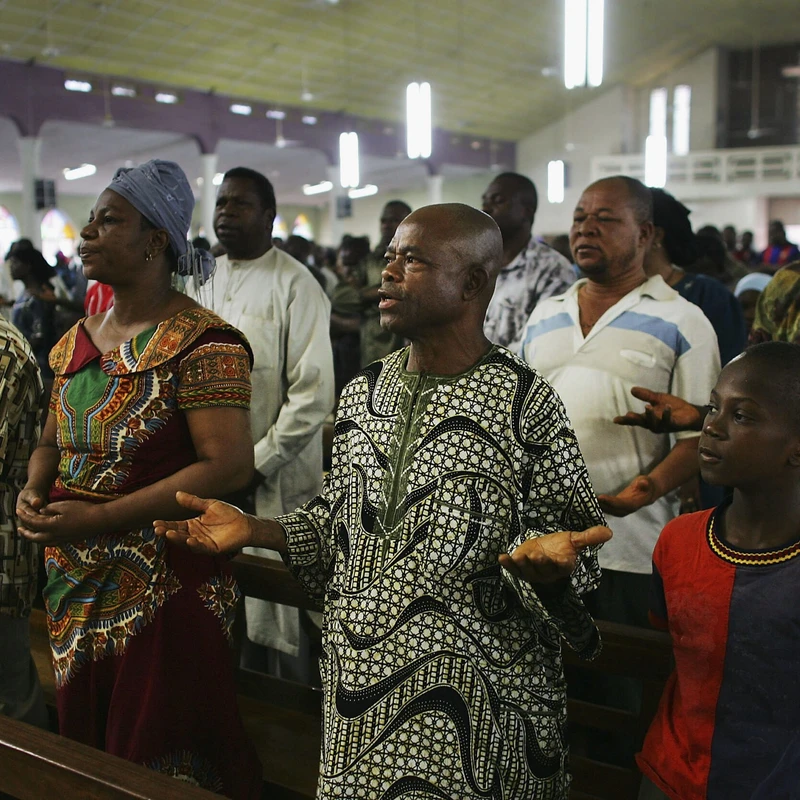
    The community of Ligari in Kaduna state recently experienced a harrowing ordeal. During a church service, motorcycle-riding gunmen stormed in, firing indiscriminately and abducting at least 62 people, including the pastor and several children. These hostages were forced into a forest hideout and held for nearly a month. Their release came only after families and neighbors sold off everything they owned—farmland, livestock, motorcycles—to meet the ransom demands.

    Freed hostages recounted meager rations, little sleep, and pressure to renounce their Christian faith. Tragically, two fellow hostages were killed during their captivity. Pastor Micah Bulus of Kauna Baptist Church urged his congregation to remain steadfast in their faith, even in the face of death. Since this attack last November, Ligari, like much of the north, has continued to face violence, including the recent abduction of 25 schoolgirls in Kebbi state.

    Beyond the Religious Narrative

    While former President Donald Trump has characterized the situation as “the killing of Christians” by “radical Islamists,” and victims and church leaders echo concerns about religious persecution, many insist the reality is far more nuanced. Experts and residents point out that while some attacks do target Christians, the pervasive violence affects everyone.

    “They don’t ask you whether you are a Muslim or a Christian,” said Abdulmalik Saidu, a 32-year-old Muslim from Zamfara state. “All they want is just money from you. (Even) if you have money, sometimes they will kill you.” Saidu tragically lost his brother during a kidnapping operation, and his family couldn’t even retrieve the body for fear of further attacks.

    Similarly, an imam in Kaduna shared his grief over losing family members and being displaced twice due to violence. He noted that mosques have been destroyed, and desperate Muslims, like their Christian neighbors, have been forced to sell possessions to pay ransoms. “The kind of pain we’ve gone through for the past years — this issue affects both faiths,” stated Imam Idris Ishaq.

    A ‘War Against Nigeria’

    Nigeria’s population of 220 million is nearly evenly split between Christians and Muslims, with Muslims forming a slight majority nationwide. While Christians are predominantly in the south and Muslims in the north, where attacks are concentrated, data from organizations like ACLED and the Council on Foreign Relations indicate that most victims of the widespread violence are Muslims. Christians are often targeted in a smaller percentage of religiously motivated attacks.

    Analysts attribute the killings to a confluence of factors: rampant corruption hindering security forces’ access to weapons, a failure to prosecute attackers, and porous borders facilitating a steady supply of arms to criminal gangs. Bulama Bukarti, a Nigerian conflict researcher, describes the situation as “a war against Nigeria,” where state institutions, places of worship, and civilian locations are all targeted indiscriminably.

    • Insurgency in the northeast by Boko Haram and ISWAP since 2009.
    • Mass abductions, particularly of students, on the rise since 2014.
    • Rogue gangs in the northwest and central regions target villages and travelers, often without religious motivation.
    • Ransoms can amount to thousands of dollars.
    • Lack of security intervention and rare arrests push communities to make deals with gangs.

    The U.S. has designated Nigeria a “country of particular concern” for religious freedom violations, with officials stating readiness to act. However, experts caution against simplistic narratives, noting that while attacks on Christians are real and concerning, the violence is widespread and affects all communities. Data suggests inflated figures for Christian deaths, with ACLED reporting over 52,000 civilian deaths since 2009, encompassing both faiths. The complexity of motivations—religious, economic, or purely criminal—makes precise religious breakdowns difficult.

    The lack of effective law enforcement has led some desperate communities to strike deals with gangs, allowing limited access to farmlands in exchange for safety, a precarious arrangement that highlights the government’s perceived failure to protect its citizens. For many, like Tabitha Danladi, who sold everything to pay ransom for her kidnapped husband, the situation is one of profound desperation.

    While Trump’s threats of military intervention have been largely rejected by Nigerian officials, some Nigerians view his statements as a much-needed wake-up call to a government they feel has ignored their plight. Pastor John Hayab expressed hope that such attention could spur action, stating, “We’ve been crying out all these years; actions were not taken.”

    What are your thoughts on the complex situation in Nigeria? How can international attention best support the affected communities? Share your perspectives in the comments below.

  • Nigeria Violence: Survivors Say No One Is Spared

    In the conflict-battered regions of northwestern Nigeria, a grim reality unfolds daily. Villagers are caught in a cycle of violence, facing mass kidnappings, crippling ransom demands, and a pervasive sense of fear. Despite political narratives that often frame the crisis along religious lines, survivors and experts emphasize a more complex truth: in this widespread violence, no one is truly spared, regardless of their faith.

    A Community Under Siege

    The community of Ligari in Kaduna state recently experienced a harrowing ordeal. During a church service, motorcycle-riding gunmen stormed in, firing indiscriminately and abducting at least 62 people, including the pastor and several children. These hostages were forced into a forest hideout and held for nearly a month. Their release came only after families and neighbors sold off everything they owned—farmland, livestock, motorcycles—to meet the ransom demands.

    Freed hostages recounted meager rations, little sleep, and pressure to renounce their Christian faith. Tragically, two fellow hostages were killed during their captivity. Pastor Micah Bulus of Kauna Baptist Church urged his congregation to remain steadfast in their faith, even in the face of death. Since this attack last November, Ligari, like much of the north, has continued to face violence, including the recent abduction of 25 schoolgirls in Kebbi state.

    Beyond the Religious Narrative

    While former President Donald Trump has characterized the situation as “the killing of Christians” by “radical Islamists,” and victims and church leaders echo concerns about religious persecution, many insist the reality is far more nuanced. Experts and residents point out that while some attacks do target Christians, the pervasive violence affects everyone.

    “They don’t ask you whether you are a Muslim or a Christian,” said Abdulmalik Saidu, a 32-year-old Muslim from Zamfara state. “All they want is just money from you. (Even) if you have money, sometimes they will kill you.” Saidu tragically lost his brother during a kidnapping operation, and his family couldn’t even retrieve the body for fear of further attacks.

    Similarly, an imam in Kaduna shared his grief over losing family members and being displaced twice due to violence. He noted that mosques have been destroyed, and desperate Muslims, like their Christian neighbors, have been forced to sell possessions to pay ransoms. “The kind of pain we’ve gone through for the past years — this issue affects both faiths,” stated Imam Idris Ishaq.

    A ‘War Against Nigeria’

    Nigeria’s population of 220 million is nearly evenly split between Christians and Muslims, with Muslims forming a slight majority nationwide. While Christians are predominantly in the south and Muslims in the north, where attacks are concentrated, data from organizations like ACLED and the Council on Foreign Relations indicate that most victims of the widespread violence are Muslims. Christians are often targeted in a smaller percentage of religiously motivated attacks.

    Analysts attribute the killings to a confluence of factors: rampant corruption hindering security forces’ access to weapons, a failure to prosecute attackers, and porous borders facilitating a steady supply of arms to criminal gangs. Bulama Bukarti, a Nigerian conflict researcher, describes the situation as “a war against Nigeria,” where state institutions, places of worship, and civilian locations are all targeted indiscriminably.

    • Insurgency in the northeast by Boko Haram and ISWAP since 2009.
    • Mass abductions, particularly of students, on the rise since 2014.
    • Rogue gangs in the northwest and central regions target villages and travelers, often without religious motivation.
    • Ransoms can amount to thousands of dollars.
    • Lack of security intervention and rare arrests push communities to make deals with gangs.

    The U.S. has designated Nigeria a “country of particular concern” for religious freedom violations, with officials stating readiness to act. However, experts caution against simplistic narratives, noting that while attacks on Christians are real and concerning, the violence is widespread and affects all communities. Data suggests inflated figures for Christian deaths, with ACLED reporting over 52,000 civilian deaths since 2009, encompassing both faiths. The complexity of motivations—religious, economic, or purely criminal—makes precise religious breakdowns difficult.

    The lack of effective law enforcement has led some desperate communities to strike deals with gangs, allowing limited access to farmlands in exchange for safety, a precarious arrangement that highlights the government’s perceived failure to protect its citizens. For many, like Tabitha Danladi, who sold everything to pay ransom for her kidnapped husband, the situation is one of profound desperation.

    While Trump’s threats of military intervention have been largely rejected by Nigerian officials, some Nigerians view his statements as a much-needed wake-up call to a government they feel has ignored their plight. Pastor John Hayab expressed hope that such attention could spur action, stating, “We’ve been crying out all these years; actions were not taken.”

    What are your thoughts on the complex situation in Nigeria? How can international attention best support the affected communities? Share your perspectives in the comments below.
  • Black Women Reclaim Ancestral Spirituality

    For many Black women, growing up meant navigating faith traditions that often painted anything spiritual, natural, or connected to the ‘unknown’ as dangerous or demonic. Pop culture reinforced this, casting Black characters who embraced spirit or magic as villains. But a powerful shift is underway: Black women are beginning to reclaim ancestral spirituality, finding new power in practices once deemed forbidden.

    Challenging Stereotypes and Fear

    The fear surrounding ancestral practices often stems from rigid religious upbringings and negative portrayals in media. Even positive affirmations of spiritual gifts or connections to Yoruba priests (like Michael B. Jordan’s middle name origin) or Beyoncé’s nods to Hoodoo in “Lemonade” have been met with accusations of being ‘demonic.’ This cultural conditioning creates fear, even as curiosity about these ancestral roots grows.

    However, recent cultural moments are cracking open the door to more nuanced conversations. Films like “Sinners” have moved beyond simplistic horror tropes, portraying Hoodoo practitioners positively. This shift is crucial, but it’s guided by cultural workers and diviners who live these traditions.

    The Wisdom of Sankofa and Hoodoo

    Cultural worker Sara Makeba Daise, a fifth-generation Gullah Geechee diviner, is at the forefront of this reclamation with her forthcoming book, “Sankofa Shadow Work.” Daise, known from the 90s show “Gullah Gullah Island,” builds on her foundation to connect pop culture’s glimpses of ancestry with lived realities. October, being both Gullah Geechee Heritage Month and Hoodoo Heritage Month, highlights the inseparable nature of these traditions.

    The Gullah Geechee people, descendants of enslaved Africans, have preserved African traditions, language, and foodways. Hoodoo, or root work, emerged from this landscape of survival, blending African cosmologies and Indigenous knowledge—a practice specific to the African American experience.

    Pop Culture as an Entry Point

    Pop culture has been signaling this return for years. Beyoncé’s “Lemonade” spurred interest in films like “Daughters of the Dust,” and Tina Knowles’ memoir “Matriarch” affirms the power of ancestral wisdom. Even network dramas are beginning to nod to conjure, bringing these once-whispered practices into the mainstream.

    Daise emphasizes that while representation in media like “Sinners” is valuable, it’s an entry point, not the end goal. The film’s positive depiction of Hoodoo as a source of power and protection, rather than horror, is a significant step. The concept of Sankofa, an Akan word meaning ‘go back and get it,’ perfectly encapsulates this movement—returning to the wisdom of the past to move forward.

    Finding Wisdom in Everyday Life

    For those curious about reconnecting, Daise suggests looking for memory in plain sight. Naturopathic remedies, family healing traditions, and even the nuances of family language can be indicators of ancestral wisdom. She also stresses the importance of embodied presence—slowing down, engaging the senses, and finding grace for oneself and one’s ancestors.

    Starting points can be simple: establishing an altar practice, intentionally acknowledging ancestors, and paying attention to dreams and recurring questions. However, Daise also warns against blindly embracing everything, emphasizing the need for discernment, especially given modern surveillance. Reclaiming these practices is about reintegration, honoring humanity, and imagining futures beyond oppressive systems.

    How have you connected with your ancestral spirituality or wisdom? What does Sankofa mean to you? Share your thoughts and experiences in the comments below!