Navigating the complex world of federal research grants can be a challenge for any university, but for Historically Black Colleges and Universities (HBCUs), it often involves overcoming fragmented systems and historical underfunding. Now, a new bipartisan bill in the Senate aims to simplify this process, making it easier for HBCUs to access crucial research funding.
The HBCU Research Capacity Act
Introduced by Senators Raphael Warnock (D-GA) and Katie Britt (R-AL), the ‘HBCU Research Capacity Act’ proposes the creation of a federal clearinghouse. This centralized resource would specifically focus on identifying grant opportunities and providing research capacity support tailored for HBCUs. The bill has been referred to committee, indicating the initial steps toward potential legislation.
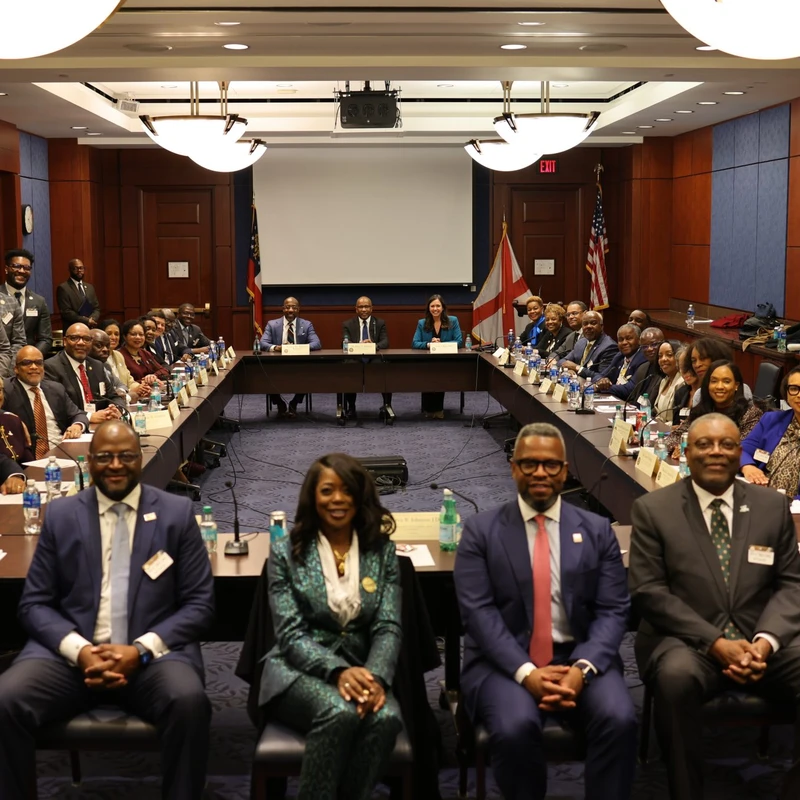
Why is this so important? For HBCU leaders, who joined a roundtable discussion about the bill, it addresses a persistent frustration: competing for federal dollars while facing administrative hurdles and capacity gaps. This initiative promises to bring much-needed clarity and accessibility to the grant application process.
Addressing the Funding Imbalance
The statistics behind this push are stark. While HBCUs educate a significant portion of Black undergraduate students and produce a disproportionately high number of Black STEM graduates, they receive less than 1% of the nation’s federal research and development expenditures. In fiscal year 2023, this amounted to less than $60 billion distributed across colleges and universities.
This bill seeks to tackle the administrative friction that hinders well-qualified institutions from accessing funds they are already positioned to compete for. It’s not just about convenience; it’s about equity and ensuring that HBCUs have a clearer pathway to the resources needed to scale their research, hire top talent, and provide students with greater opportunities.
What the Act Would Do
The proposed clearinghouse, directed by the Secretary of Education in collaboration with agencies like Commerce, Energy, Defense, and NASA, would do more than just list grants. It would differentiate between general and exclusive HBCU eligibility, share best practices for building research capacity, and provide regular updates to participating institutions and Congress.
This initiative aims to transform scattered information into usable infrastructure, which could be particularly beneficial for HBCUs that may not have extensive grant-development teams. It addresses the critical need for coordination and transparency in the federal grant process.
A Bipartisan Approach Matters
The bipartisan nature of this bill is also noteworthy. In today’s political climate, Senators Warnock and Britt co-leading this effort sends a strong signal that supporting HBCUs is a shared priority. Warnock, an HBCU alumnus himself, views the bill as a practical step towards greater research funding, while Britt highlights Alabama’s significant HBCU presence and the potential for growing research capacity and student opportunity.
While this bill doesn’t erase decades of underfunding or magically inject new money, it represents a meaningful policy step. It acknowledges that improving access, coordination, and transparency is a crucial part of the equity fight for HBCUs, which are vital contributors to the nation’s talent pipeline.
What are your thoughts on the HBCU Research Capacity Act? Do you think this bill will make a significant difference for HBCUs? Share your opinions in the comments below!