Tag: Racial Profiling

  • Zara Faces Backlash Over ‘Shopping While Black’ Incident

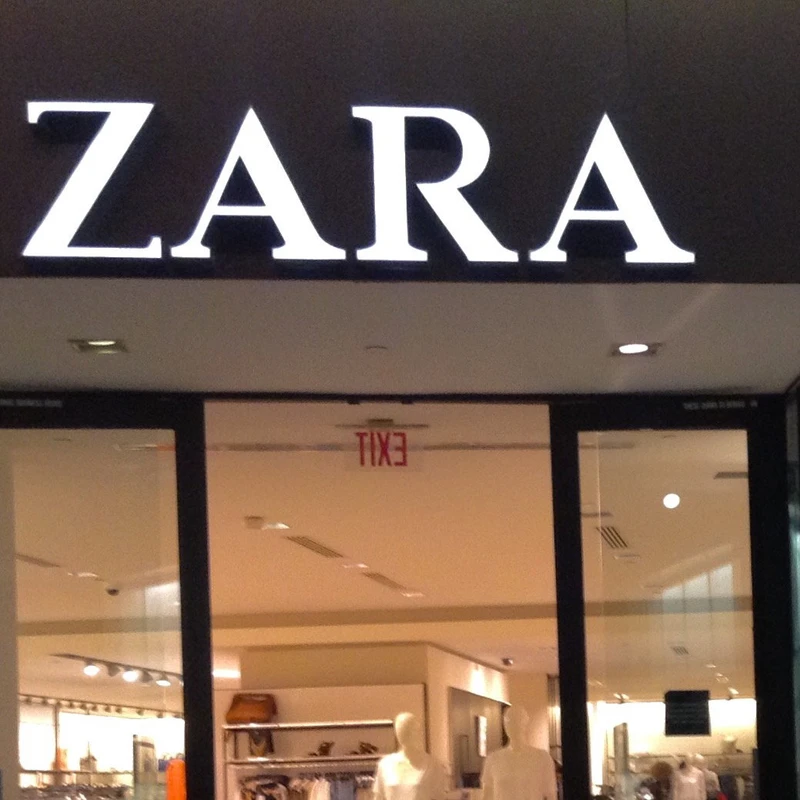
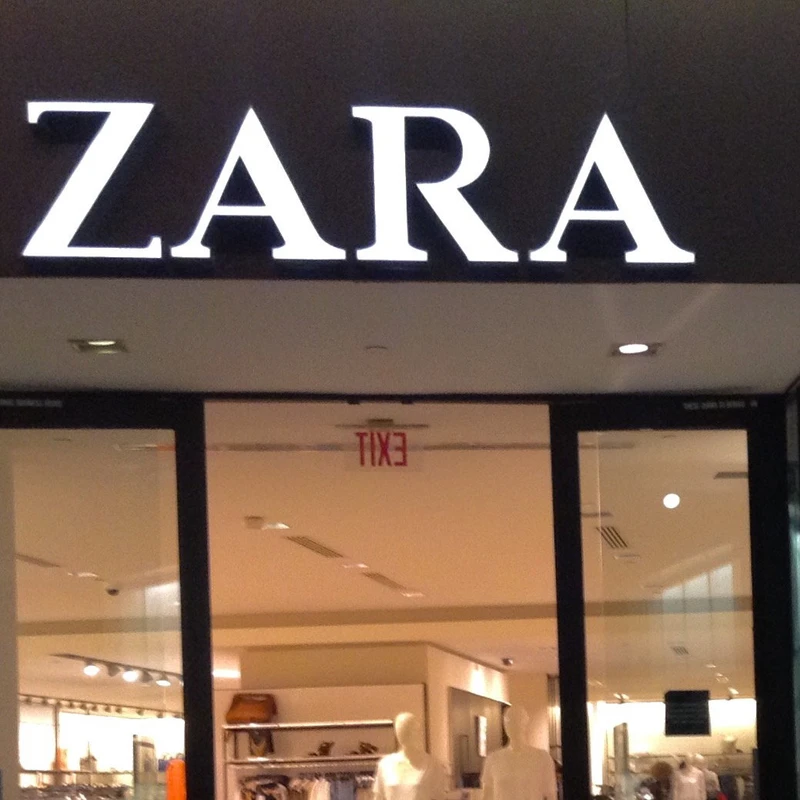
    It seems Zara is once again facing serious heat for alleged mistreatment of Black customers. A recent incident at the Zara store in Atlanta’s Perimeter Mall has ignited outrage, with a shopper detailing a “humiliating” experience that she believes was a clear case of racial profiling.

    An Embarrassing Encounter

    The shopper, identified on Instagram as Mika Terrell (@glambymika.t), shared her story, explaining that she had just spent over $350 at the store. As she was attempting to leave, store security approached her, accusing her of shoplifting a red skirt. Despite agreeing to have her bags checked to prove her innocence, the situation reportedly escalated.

    In a video shared on Instagram, Terrell recounts how security became loud and aggressively snatched her bag, dumping its contents in front of other shoppers. She felt completely embarrassed and humiliated. When she asked for a manager, she claims she was told to “calm down” instead of being treated with respect. The manager was unable to find the alleged missing skirt, and when Terrell pointed out that she was wearing tight leggings, making it impossible to conceal a skirt, the accusation seemed even more unfounded.

    Accusations of Profiling and Stereotyping

    Terrell firmly believes she was singled out due to her appearance. “I know exactly why I was singled out. I was profiled because of how I was dressed. That’s not OK. No one deserves to be treated like that,” she stated. She accused the employees of “stereotyping” her as a shoplifter, actions she deemed “excessive, embarrassing, and unacceptable.”

    This incident follows closely on the heels of another viral event involving Zara and Black customers just a week prior. In that case, store employees reportedly chased a woman they suspected of stealing merchandise. The pattern has led to widespread frustration among consumers.

    Calls for Boycott and Change

    Commenters on Terrell’s post and other platforms are drawing parallels to the community-led boycott of Target and are urging similar action against Zara. “This is the second incident in one week that I’m seeing. UNACCEPTABLE! We need to stop shopping here until they learn to value our money and presence,” one frustrated user exclaimed. Another suggested, “Time to give Zara that Target energy period tf.”

    The repeated accusations highlight a concerning pattern of aggressive tactics and alleged racial profiling toward Black customers. Many are calling for Zara to address these issues seriously and implement better training and policies to ensure all customers feel respected and valued, regardless of their race or how they are dressed.

    What are your thoughts on this latest Zara incident? Do you believe a boycott is the right course of action? Share your opinions in the comments below!
  • UK Police Strip-Search Black Children 8x More Often

    It’s deeply concerning when certain groups face disproportionate scrutiny from law enforcement. A new report from England and Wales reveals a stark reality: Black children are eight times more likely to be subjected to strip-searches by police compared to their white counterparts. This finding underscores persistent ethnic disparities within the UK’s policing system.

    Alarming Disparities in Strip-Searches

    The report, published by the office of the Children’s Commissioner for England, Dame Rachel de Souza, indicates a significant drop in the number of children strip-searched over the past four years. However, it warns that ethnic disparities remain a serious issue. The data, collected from the first half of 2024, estimates around 377 strip searches for the year, a substantial decrease from 854 in 2020.

    Despite the overall reduction, Dame de Souza stressed that the number of searches is still “far too many.” The report also highlighted that 26 searches were conducted in public view between July 2023 and June 2024, and a troubling 22 occurred without an appropriate adult present – situations that “should never be happening.”

    Force and Ethnic Disproportionality

    The report delved into the use of force during stop-and-search encounters for the first time. It found that Black children were nearly five times more likely than white children to experience force during these encounters. While most incidents involved children aged 11-17, a concerning 46 incidents involved children under the age of 11.

    Alarmingly, nearly one in five searches involved the use of force, yet 46% of these resulted in no further action. This raises serious questions about the necessity and proportionality of using force. The racial disparities were evident here too, with Black children being overrepresented in cases involving force, while white and Asian children were underrepresented.

    Reasons Behind the Disparities

    Dame de Souza expressed particular concern about the ethnic disproportionality in the reasons cited for using force. She noted, “White children are more likely to be described as having a mental health need, while for black children the reason identified is simply their size or build.” This suggests a potential bias in how officers perceive and react to Black children.

    We cannot accept that black children are subjected to use of force because of the way they are perceived. — Dame Rachel de Souza, Children’s Commissioner for England

    The findings indicate that child strip searches can inflict lasting harm on mental health and erode trust in the police, pointing to a failure in adequately supporting vulnerable children.

    Policy Updates and Future Reforms

    In response to the report, Andy Mariner stated that policing has updated its strip-search policies since the Children’s Commissioner’s 2022 review. A Home Office spokesperson added, “We’re introducing extensive safeguards for children and young people for strip searching and bringing in reforms to drive up standards in policing, improve vetting and tackle misconduct.”

    • Black children are 8 times more likely to be strip-searched than white children.
    • Significant ethnic disparities persist despite an overall decrease in searches.
    • Concerns raised about searches conducted in public and without an adult present.
    • Use of force disproportionately affects Black children, often cited due to size/build.
    • Policing and Home Office are implementing new safeguards and reforms.

    What are your thoughts on these findings and the proposed reforms? Share your views in the comments below!

  • Zara Employees Accused of Racial Profiling After Chasing Black Woman

    A shocking incident at a Zara store in Lynwood, Washington, has gone viral, with a Black woman sharing videos of employees accusing her of theft and chasing her out of the mall. The TikTok user, known as Douniya, documented her experience, which she described as “shopping at Zara while Black.”

    The Viral TikTok Videos

    Douniya’s initial 30-second TikTok video quickly gained over two million views, showing multiple Zara employees pursuing her as she exited the store. In a follow-up video, she shared police bodycam and mall surveillance footage that captured a tense verbal exchange and employees at times grabbing her as they trailed her to her car.

    Police Investigation Finds No Evidence

    During the encounter, officers attempted to mediate and asked the Zara staff to explain their suspicions. Despite the employees’ claims that Douniya had “ditched” stolen items or carried them in her arms (which Douniya stated was her own jacket), police informed the staff that Douniya had consented to a full search of her car, and no stolen merchandise was found. The officer concluded there was no evidence to support a theft claim beyond the employees’ allegations.

    Accusations of Misconduct and Profiling

    In a separate bodycam clip, Douniya, visibly emotional but firm, denied any wrongdoing and called out the employees for acting like loss prevention. The responding officer acknowledged that the situation seemed mishandled and noted that such incidents involving Zara staff chasing suspected shoplifters are not uncommon at that location. “It happens quite often. Their employees act as their loss prevention,” the officer stated.

    Calls for Legal Action

    Following the release of the videos, viewers widely criticized Zara and its employees, with many urging Douniya to pursue legal action for harassment and defamation. “I’d sue the company n sue them separately as well. Good look beloved,” one user commented, while another advised, “Girrl, get you a lawyer and sue them for harassment and defamation.”

    • A Black woman shared viral TikTok videos of Zara employees chasing her from a mall.
    • Employees accused her of theft, but police found no evidence after searching her car.
    • The woman claims she was subjected to racial profiling and harassment.
    • Police noted that Zara employees often act as loss prevention, leading to frequent incidents.
    • Viewers are calling for legal action against Zara and the employees involved.

    This incident raises serious questions about retail practices, employee training, and the persistent issue of racial profiling. The widespread reaction underscores a demand for accountability and better treatment for all customers.

    What are your thoughts on this Zara incident? Have you or someone you know experienced similar treatment while shopping? Share your experiences and opinions in the comments below.

  • Sotomayor Slams SCOTUS Racial Profiling Ruling

    Justice Sonia Sotomayor is making her voice heard loud and clear. She’s sharply criticizing the conservative majority on the Supreme Court for a recent 6-3 decision that effectively greenlights racial profiling by Immigration and Customs Enforcement (ICE) agents. This ruling, seen as a significant win for President Donald Trump’s deportation agenda, allows ICE agents to stop individuals based on race, language, or job.

    A Blistering Dissent Against Racial Profiling

    The Supreme Court’s decision lifts a previous federal judge’s order that had required agents to have reasonable suspicion before making stops. Justice Sotomayor, joined by liberal justices Elena Kagan and Ketanji Brown Jackson, penned a powerful dissent. She argued that the ruling implies that Latinos, regardless of citizenship, who work in low-wage jobs are now considered “fair game” to be apprehended and detained until they can prove their legal status.

    Sotomayor highlighted the real-world consequences, stating, “Countless people in the Los Angeles area have been grabbed, thrown to the ground, and handcuffed simply because of their looks, their accents, and the fact they make a living by doing manual labor. Today, the Court needlessly subjects countless more to these exact same indignities.” She also expressed concern over the Court’s increasing tendency to intervene in important issues without sufficient explanation.

    The Fourth Amendment Under Threat

    In her concluding remarks, Sotomayor warned that the ruling undermines the Fourth Amendment’s protections. She wrote that the amendment may no longer safeguard individuals who “happen to look a certain way, speak a certain way, and appear to work a certain type of legitimate job that pays very little.” She found this outcome “unconscionably irreconcilable with our Nation’s constitutional guarantees,” leading her to dissent.

    Political Reactions: Support and Condemnation

    The White House welcomed the decision, reiterating its commitment to deporting undocumented immigrants. However, Democrats strongly criticized the ruling. California Governor Gavin Newsom called the Supreme Court’s majority “Trump’s hand-picked” and stated the decision makes them the “Grand Marshal for a parade of racial terror in Los Angeles.” He argued it targets Latinos and others who don’t fit a narrow definition of “American,” including U.S. citizens, and vowed to fight these “abhorrent attacks.”

    Los Angeles Mayor Karen Bass echoed these concerns, warning that the ruling’s impact extends nationwide. “This isn’t just an attack on the people of Los Angeles, this is an attack on every person in every city in this country,” Bass declared. She emphasized that the decision is “dangerous” and “un-American,” threatening personal freedom by allowing racial profiling without due process, which will lead to more families being torn apart and increased fear of law enforcement.

    What are your thoughts on the Supreme Court’s ruling regarding ICE stops? Do you agree with Justice Sotomayor’s dissent? Share your perspective in the comments below!

  • Supreme Court Allows Race in LA Immigration Patrols

    In a significant decision that’s raising alarms, the Supreme Court has sided with the Trump administration, allowing federal immigration patrols in Los Angeles to resume with fewer restrictions. This 6-3 ruling means that factors like appearance, language, and location can now be considered when immigration officers decide to stop and question individuals. While the Court stated race can’t be the *sole* reason for a stop, it can be part of the overall circumstances.

    Broader Discretion for Immigration Officers

    Justice Brett Kavanaugh, writing for the majority, explained that officers need multiple indicators to make decisions. He defended the idea that characteristics like how someone looks or the language they speak could be valid parts of these indicators. This decision effectively restores broader discretionary powers to immigration authorities, powers that had been limited by lower courts due to concerns about profiling and discrimination.

    This shift grants immigration officers more leeway in conducting their patrols, potentially leading to more frequent stops and questioning of individuals within the Los Angeles area. The implications for the city’s diverse population are significant.

    Dissenting Voices Raise Concerns of Profiling

    Justice Sonia Sotomayor penned a powerful dissent, warning that the ruling essentially gives federal officers the green light to target individuals perceived as Latino in Los Angeles. She argued, “This ruling tells communities in Los Angeles that if you look Latino, speak Spanish, and appear to work a low-wage job, you can be stopped. That is not consistent with the Fourth Amendment.”

    Justices Elena Kagan and Ketanji Brown Jackson joined Sotomayor in her dissent, echoing concerns that the Supreme Court’s decision could undermine essential protections against unreasonable searches and seizures. Their dissents highlight the deep division on the Court regarding the balance between immigration enforcement and civil liberties.

    Outrage and Celebration: Divided Reactions

    The decision has ignited a firestorm of reactions. Immigrant rights groups and civil liberties organizations in Los Angeles are decrying the ruling, arguing it opens the door for widespread racial profiling under the guise of immigration enforcement. They fear this will create a climate of fear, discouraging millions of immigrants, many of whom are Latino, from participating in public life, working, or even speaking Spanish.

    Conversely, supporters of the Trump administration and stricter immigration policies are celebrating the decision as a victory. They argue that immigration officers need this flexibility to effectively combat undocumented migration, which they view as a crisis spilling over from the southern border into cities like Los Angeles. The ruling is seen as a return to a more aggressive enforcement strategy.

    What are your thoughts on the Supreme Court’s decision regarding immigration patrols in Los Angeles? Do you believe it strikes the right balance, or does it open the door to profiling? Share your views in the comments below!