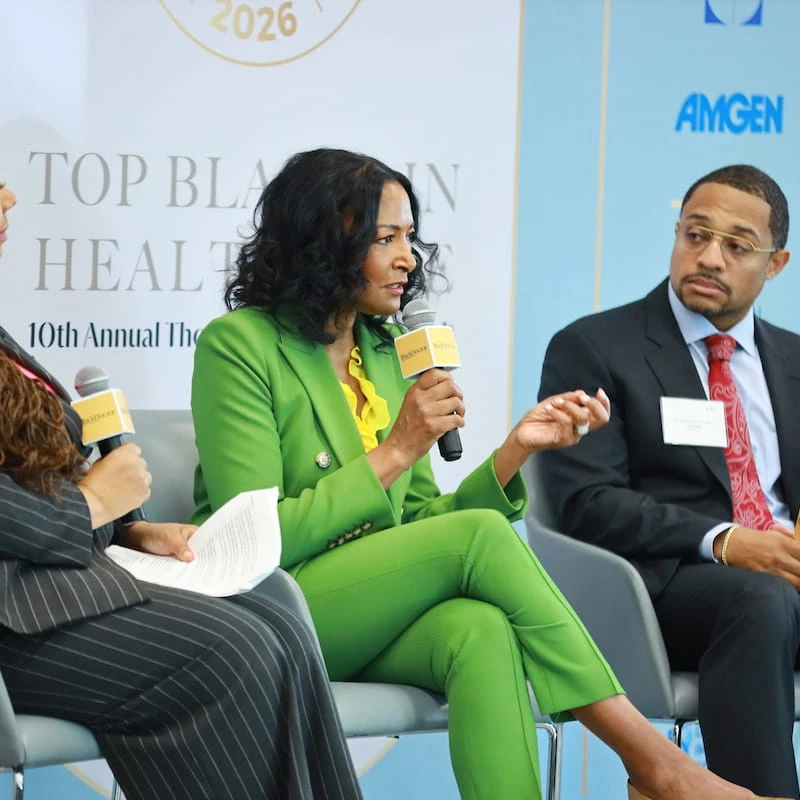
Heart disease remains the leading cause of death for Black Americans, a stark reality that experts are calling a silent crisis. Persistent disparities in high blood pressure, heart failure, and stroke rates continue to impact our communities, with Black women facing particularly high risks and poorer outcomes. A recent panel discussion at BlackDoctor’s 10th Annual Thought Leadership Summit brought together leading cardiology experts to shed light on these issues and explore vital solutions.
Access to Care: The Foundation of Health Outcomes
The experts, including Dr. Jayne Morgan, Dr. Keith Ferdinand, and Dr. Tony Lozama, underscored a fundamental truth: access to healthcare is the primary determinant of health outcomes. For many in the Black community, this access is hindered by a lack of insurance, high copays, deductibles, and the prohibitive cost of prescriptions. These financial barriers often force individuals to delay seeking care until symptoms become severe, significantly impacting the effectiveness of treatment and increasing the risk of progression.
Dr. Ferdinand pointed out, “You can’t stuff enough dollars in your mattress to get medical care in the U.S. today.” This highlights the urgent need for affordable and accessible preventive services. Taking advantage of covered screenings like annual physicals, blood pressure checks, cholesterol testing, and ECG/EKG screenings is crucial for early detection and intervention.
Unique Heart Health Risks for Black Women
Black women face a disproportionately high burden of cardiovascular disease. Dr. Lozama noted that “For Black women over the age of 20, 60 percent have some form of heart disease.” Heart attacks can also present differently in Black women, often with symptoms like fatigue, shortness of breath, nausea, and pain in the jaw, neck, or back – symptoms that may be overlooked.
This phenomenon is linked to the “weathering effect,” where chronic stress from racism, caregiving responsibilities, and socioeconomic pressures can take a toll on long-term health. Additionally, factors like menopause and pregnancy complications, such as preeclampsia, are significant cardiovascular risk factors that many Black women may not be fully aware of. Open conversations with healthcare providers about family history, pregnancy history, and persistent symptoms are vital for protecting heart health.
The Power of Prevention and Self-Advocacy
The good news is that proactive steps can make a significant difference. Panelists stressed the importance of patient advocacy. Empowering yourself by requesting specific screenings, such as an ECG/EKG to measure the heart’s electrical activity, and checking lipoprotein(a) (Lp(a)) levels – an inherited risk factor for heart attack and stroke – can provide crucial insights.
Lifestyle changes, though seemingly small, play a massive role. Prioritizing dental care, getting flu shots, and incorporating regular physical activity are essential components of a whole-body approach to heart health. “We removed movement from our lives, and we’re getting sicker,” Dr. Morgan cautioned.
Rewriting the Future: Towards Heart Health Equity
Improving cardiovascular outcomes in Black communities requires a multi-faceted approach: enhancing access to care, prioritizing preventive measures, fostering community engagement, and improving healthcare coordination. “The system is getting the outcomes that the system has designed to get,” Dr. Lozama stated, emphasizing the need for systemic change.
By asking questions, requesting screenings, staying active, and prioritizing routine care, Black patients can take control of their cardiovascular health. This proactive approach not only benefits individuals but also paves the way for better health outcomes for future generations.
What steps are you taking to prioritize your heart health? Share your strategies and experiences in the comments below!
