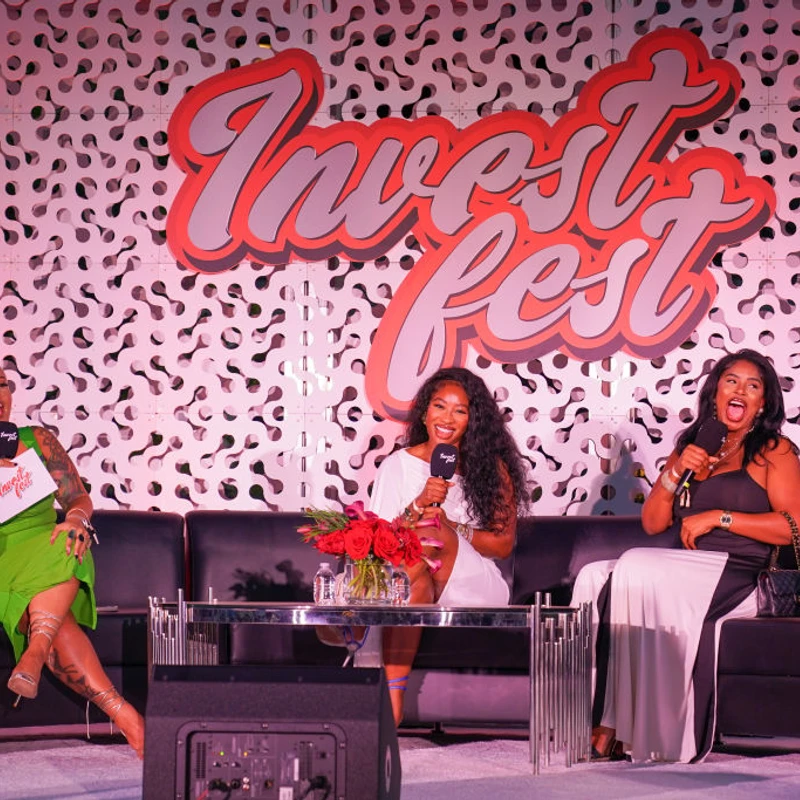
Tag: Rachel Lindsay

  • 20 Black Women Making Waves in Podcasting

    In a world saturated with content, Black women are carving out essential spaces in the podcasting universe. They’re hosting nuanced discussions on everything from navigating careers and understanding our history to exploring wellness and dissecting pop culture. These voices offer depth beyond viral soundbites, creating communities and sharing invaluable expertise.

    Voices Shaping Conversations

    From practical advice on accessing FMLA and climbing the corporate ladder to intimate conversations about inner healing and relationships, there’s a podcast episode for nearly every aspect of life. These powerful Black women are not just speaking; they’re holding space, fostering vulnerability, and offering unique perspectives that move the needle in fields like healthcare, business, true crime, sexual wellness, and news.

    They are also revisiting history, offering fresh insights into the daily lives of our ancestors beyond the major historical events. Their work, expertise, and dreams are readily available, enriching our understanding and connection to our heritage.

    Meet the Trailblazers:

    • **Drea Nicole & Lex P (Pour Minds):** These Houston besties host vulnerable conversations about life and love as thirty-somethings, featuring guests like Ari Lennox and 2 Chainz, and discussing topics from plastic surgery to financial protection. They’re even embarking on a twelve-city tour.
    • **Sukihana (That’s BS with Bobbi & Suki):** The colorful rapper teams up with Bobbi Althoff for a podcast capitalizing on their contrasting personas and blossoming friendship, filled with hilarious moments.
    • **Eboni K. Williams (NAACP Image Award-winning podcast):** The legal expert, alongside comedian Dustin Ross, dives deep into major legal cases, offering insights from the bench rather than just social media.
    • **Melyssa Ford (Hot & Bothered with Melyssa Ford):** The veteran media personality explores wellness topics like dating, mental health, and menopause, featuring powerful cultural moments like Mya discussing her decision not to have children.
    • **Bridget Todd (There Are No Girls On The Internet):** A respected voice in digital cultural criticism, Todd explores the implications of AI and technology, particularly how bots imitating Black women pose threats to communities. Her book, ‘Love at First Prompt,’ is also forthcoming.
    • **Traci Thomas (The Stacks):** A must-stop for authors, Thomas hosts candid conversations about storytelling with guests ranging from Kamala Harris to Tayari Jones, offering a dream-like experience for book lovers.
    • **Gabrielle Wyatt (Meet Me At Highland):** Founder of The Highland Project, Wyatt launched this podcast to spotlight Black women’s leadership, imagination, and legacy, emphasizing the power of rest with insights from mental health leaders.
    • **Laci Mosley (Scam Goddess):** For true crime fans tired of just violence, Mosley exposes the scams threatening our finances, even turning her long-running series into a Freeform show.
    • **Rachel Lindsay (Higher Learning, Morally Corrupt):** The ‘Bachelorette’ alum brings her unique energy and real talk to The Ringer, calling out racism in franchises and exploring what it means to be a ‘girl’s girl.’
    • **Candice Dillard Bassest (with Michael Arceneaux):** Combining sharp wit, a love for education, and a political background, Bassest engages in lively discussions with cultural critic Michael Arceneaux.
    • **Chizi Duru (I Guess I’m an Adult Now):** Duru helps listeners navigate the often-mundane aspects of growing up and becoming an adult.
    • **Lish Speaks (I’ll Just Let Myself In):** This rising podcaster on Holy Culture Radio creates a judgment-free, casual space, contributing to a new era of faith-based content that redefines relationships with Christ.
    • **Ashley J. Hobbs:** A prolific voice actor and producer, Hobbs is the force behind significant audio moments in shows like ‘Holding We Don’t Always Agree with Ryan and Sterling’ and ‘Jemele Hill Is Unbothered.’
    • **Nichole Hill (Our Ancestors Were Messy, The Secret Adventures of Black People):** History enthusiasts will appreciate Hill’s storytelling, focusing on the less-traumatized, more relatable aspects of the past.
    • **Chelsea Charles (Sounds Like A Cult):** As a producer turned podcaster, Charles brings a fresh, lived-experience perspective to the hit show, elevating its content.
    • **Rana Campbell (Dreams In Drive):** With over 400 episodes, Campbell shares her career journey from figuring things out to flourishing at Paramount, championing both independent creators and major celebrities.
    • **Kiki Said So & Medinah Monroe (Cocktales):** This Southern duo brings an Atlanta flair to ‘dirty discussions,’ offering a spicy show perfect for spicing up your commute.
    • **Les Alfred (She’s So Lucky):** Business-minded individuals, from entrepreneurs to side-hustlers, can gain powerful insights from Alfred and her guests on this essential show.
    • **Dr. Judith (The Vault with Dr. Judith):** This well-informed podcast from a prominent medical creator offers a deep dive into maintaining mental health, cutting through the buzzwords.
    • **Tamika Mallory (TMI podcast):** The activist and author expands her platform with Mysonne, pushing forward the connection between pop culture and social justice.

    A Powerful Platform for Truth

    In an era where misinformation can spread rapidly, it’s crucial that Black women have dedicated platforms to share their truths, experiences, and expertise. These 20 women, and countless others, are not only entertaining and informing but also building communities, preserving history, and challenging narratives. Their voices are essential, and their impact on the podcasting landscape continues to grow.

    Who are your favorite Black women podcasters? Are there any voices you think we missed? Share your recommendations in the comments below!
  • Rachel Lindsay on ‘Bachelorette’ Double Standard

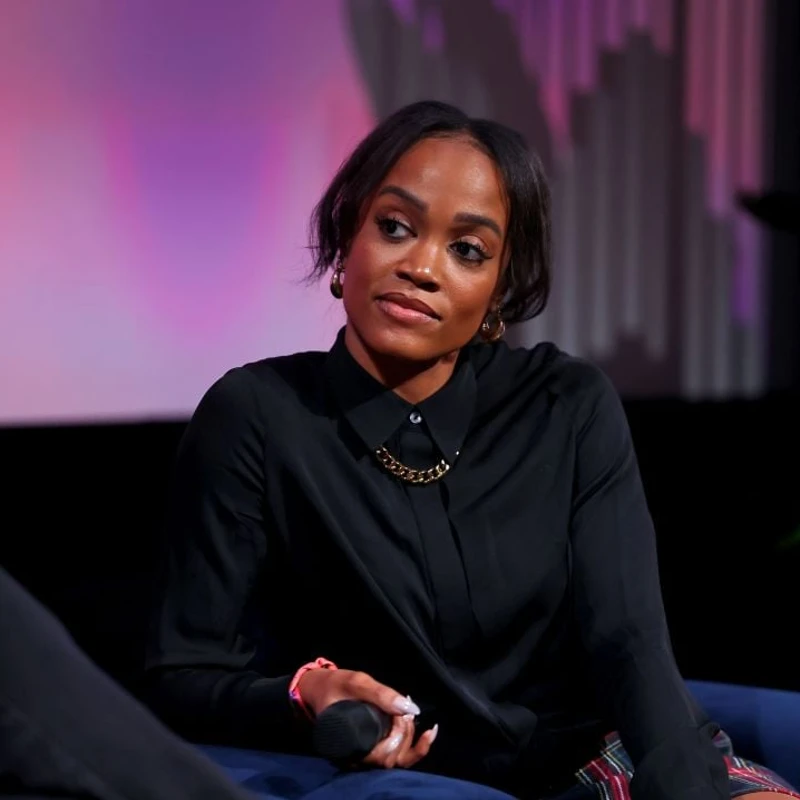
    It’s a tale as old as time, especially for Black women: working twice as hard for half as much. This reality often hits home early, but sometimes, a situation arises that’s so glaringly obvious, it demands attention. Recently, ABC’s ‘The Bachelorette’ provided just such a moment, reigniting a crucial conversation about fairness and who gets the benefit of the doubt.

    A Tale of Two Scandals

    The franchise recently faced backlash over contestant Taylor Frankie Paul, whose season was ultimately scrapped after a video surfaced showing her assaulting her ex-partner. This incident, linked to a 2023 arrest, led Disney Entertainment to state they were ‘not moving forward with the new season’ at that time. But for Rachel Lindsay, the first Black lead of ‘The Bachelorette’ in 2017, the network’s response highlights a stark double standard.

    Lindsay, speaking on her podcast ‘Higher Learning,’ pointed out the irony. ‘It was funny to me that the show wanted to take this risk, but for you to have a lead of color, that was too risky, right?’ she questioned. She recalled the immense pressure she faced to be ‘damn near perfect on paper’ to be accepted by the audience, a burden she feels Paul, with a history of divorce, multiple children, and a ‘soft swinging scandal,’ did not endure.

    The Burden of Being First

    Lindsay has been vocal about the challenges she faced, both on-air and from the show’s fandom, which she’s described as a ‘Bachelor Klan’—hateful, racist, and misogynistic. She detailed the pressure to be palatable, fearing that expressing frustration or having a strong personality would lead to her being labeled an ‘angry Black woman.’

    The franchise, she argued, spent years cultivating an audience that preferred a specific type of contestant—typically white, blonde, and conventionally agreeable. This created an environment where Black women were expected to be exceptional just to be considered, while others could be flawed and still receive grace. ‘There are people or fans out there… who will always find a way to blame the Black woman without ever holding the other ones accountable,’ Lindsay noted.

    A Pattern of Unequal Standards

    This isn’t just an issue within ‘The Bachelorette’; Lindsay points to a broader pattern in reality television. Shows often make performative gestures toward diversity, but the pressure on Black contestants remains immense, often amplified by hostile fan bases. The contrast in how ‘risk’ is defined for different contestants reveals a fundamental inequality.

    Rachel Lindsay bore the weight of being the first Black Bachelorette, paving the way for future leads. Years later, the differing standards applied to contestants like Paul underscore that in the world of reality TV—and perhaps beyond—true equality in how ‘grace’ is given has yet to be achieved.

    What are your thoughts on the double standard Rachel Lindsay highlighted? Do you agree that Black women face higher expectations in reality TV? Share your opinions in the comments below!

  • Rachel Lindsay: Bachelor Franchise Is ‘Over’

    Oof, this is a tough one for Bachelor Nation! Rachel Lindsay, a prominent voice in the franchise’s history, is sounding the alarm, suggesting that The Bachelor and The Bachelorette might be past the point of no return. Her strong words come in the wake of a major shake-up: the abrupt cancellation of Taylor Frankie Paul’s season of The Bachelorette, just days before it was set to premiere.

    A Franchise in Crisis?

    During a recent episode of The Bachelor Party podcast, Lindsay didn’t hold back her thoughts upon hearing the news. “I think it’s over,” she declared. She elaborated, expressing that the very names “Bachelor” and “Bachelorette” have become “tainted.” Lindsay questioned how the franchise could possibly recover from such a scandal, stating, “How do you move forward past that? You can’t.”

    The drastic decision by ABC to pull the season followed the emergence of footage from a 2023 incident. This footage reportedly showed an altercation between Paul and her ex, Dakota Mortensen, with a child present. ABC confirmed they would not be moving forward with the season at this time.

    Mounting Backlash and Irresponsible Decisions

    Lindsay pointed out that the controversy wasn’t entirely out of the blue. She mentioned that significant backlash was already brewing when Paul was initially announced as the lead. “People were already mad,” Lindsay recalled, highlighting the pre-existing fan dissatisfaction.

    She didn’t shy away from the real-world consequences, noting, “So many people are about to lose their jobs.” Lindsay characterized the situation as “irresponsible,” suggesting that the franchise’s leadership failed to handle the situation with the necessary care and foresight. She even expressed doubt about the viability of potential spin-offs, stating she “does not see a world” where the franchise can easily bounce back from this.

    What’s Next for Bachelor Nation?

    The cancellation of a season so close to its premiere is unprecedented for the long-running franchise. It raises serious questions about the vetting process for contestants and the show’s ability to navigate sensitive personal histories.

    With Rachel Lindsay’s stark assessment echoing the concerns of many fans, the future of The Bachelor franchise hangs precariously in the balance. Will they be able to overcome this latest scandal, or has the damage truly proven to be irreparable?

    Do you agree with Rachel Lindsay? Is The Bachelor franchise truly ‘over’? Let us know your thoughts in the comments below!