Across college campuses nationwide, a battle is brewing. Universities are increasingly gutting funding and recognition for minority student organizations, often citing federal pressure and anti-DEI directives from the Trump administration. But students aren’t backing down – they’re fighting back against what they see as erasure and a dismantling of vital support structures.
The University of Missouri’s Controversial Decision
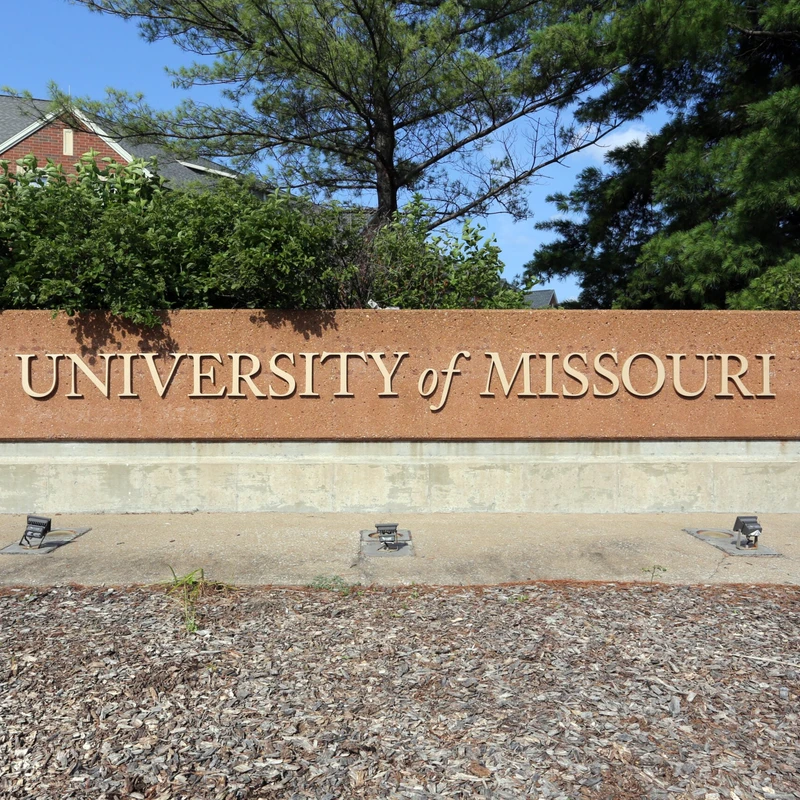
At the University of Missouri (Mizzou), the historic Legion of Black Collegians (LBC), the nation’s only Black student government, found itself stripped of its funding and university-sponsored status. This move, along with similar cuts to four other minority-focused groups, was framed by administrators as a compliance issue. However, for LBC president Amaya Morgan, it felt like a deliberate attempt to silence and marginalize Black students.
Founded in 1968, the LBC has a long legacy of advocating for Black students’ rights and experiences on campus. It played a pivotal role in the 2015 movement that led to the resignation of the university president following racist incidents. Losing its university-sponsored status means the LBC may no longer have the required administrative engagement, potentially pushing their concerns ‘to the wayside.’
Justification and Student Pushback
University spokesperson Christopher Ave stated that the decision was made to comply with the Department of Justice’s new restrictions on DEI, referencing a memo that guides public institutions. Failure to comply, he warned, could risk significant federal funding. However, students quickly pointed out that the DOJ memo is guidance, not binding law.
This isn’t the first time Mizzou has targeted the LBC. The university previously dissolved its Division for Inclusion, Diversity and Equity and attempted to force the LBC to rename its popular ‘Welcome Black BBQ’ event. When the LBC refused, the event was canceled altogether. The LBC expressed their frustration, stating the university is taking ‘calculated steps to push minority students further away.’
A Wider Pattern: University of Alabama and Beyond
This situation mirrors actions taken at other universities. Weeks prior, students at the University of Alabama filed a federal lawsuit challenging the suspension of their student-led Black and women-focused campus magazines, ‘Nineteen Fifty-Six’ and ‘Alice.’ The university also cited Attorney General Pam Bondi’s non-binding DEI memorandum as justification.
Represented by the Legal Defense Fund (LDF), the ACLU of Alabama, and the Southern Poverty Law Center (SPLC), the students argue that suspending these publications constitutes viewpoint discrimination and violates the First Amendment. They emphasize that these magazines provide crucial spaces for exploring culture, building community, and reflecting on lived experiences, and silencing them sends a damaging message.
The actions at Mizzou and Alabama are not isolated incidents but part of a broader pattern. While some institutions and corporations seem to be preemptively complying with anti-DEI pressures, the resilience and determination of young people fighting for their rights offer a refreshing counter-narrative. As the LBC put it, ‘This is the time to be loud, to fight, and to activate.’
What are your thoughts on these university funding cuts impacting student organizations? Share your views in the comments below!