Tag: Protests

  • Millions Protest Trump: ‘No Kings’ Movement Grows

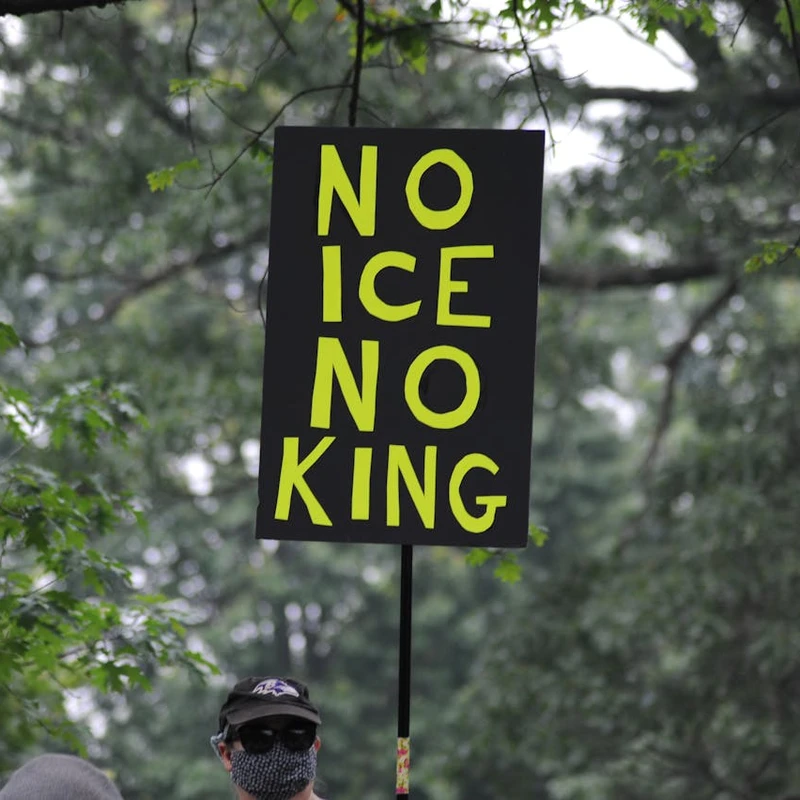
    On March 28, 2026, a massive wave of dissent swept across the United States and beyond as millions participated in the third nationwide “No Kings” protest. This coordinated movement targeted the Trump administration’s policies, the ongoing conflict with Iran, and the increasing cost of living, marking a significant display of opposition.

    A Historic Mobilization Against Trump

    Organizers hailed the turnout as potentially one of the largest protest mobilizations in recent history. Demonstrations spanned all 50 states and extended to over a dozen countries, with significant gatherings in major cities like New York City, Washington, D.C., and Los Angeles. Even smaller towns and suburban communities saw active participation.

    Protesters voiced a wide array of concerns, from immigration enforcement policies to the economic pressures felt by everyday Americans. Symbolic displays and effigies of Trump, Vice President JD Vance, and other administration figures were common, underscoring the demand for political change.

    Key Issues Fueling the Protests

    A particularly poignant focus was the criticism of federal immigration policies, highlighted by activists in Minnesota following the deaths of two individuals after encounters with immigration agents. Thousands gathered at the state capitol in St. Paul, where political leaders addressed the crowd, amplifying the call for reform.

    Beyond immigration, concerns about reduced funding for medical research also spurred action. Around 1,000 demonstrators gathered outside the National Institutes of Health in Maryland, chanting “No kings, just vaccines!” This demonstrates the diverse range of issues motivating the “No Kings” movement.

    Organized Resistance and Escalating Momentum

    The “No Kings” movement is a testament to organized resistance, coordinated by a coalition including groups like Indivisible and 50501, alongside labor unions and grassroots networks. Indivisible co-founder Ezra Levin had predicted a historic turnout, and the events of March 28 certainly lived up to that expectation.

    Following a previous rally in October 2025 that drew an estimated 7 million participants nationwide, this latest demonstration signals an escalating response to the administration’s policies. Organizers framed the protests as a clear indicator of sustained political resistance, showing that the movement is gaining momentum.

    What are your thoughts on the “No Kings” protests and the issues they raised? Share your perspective in the comments below!
  • Millions Protest Trump in Nationwide ‘No Kings’ Marches

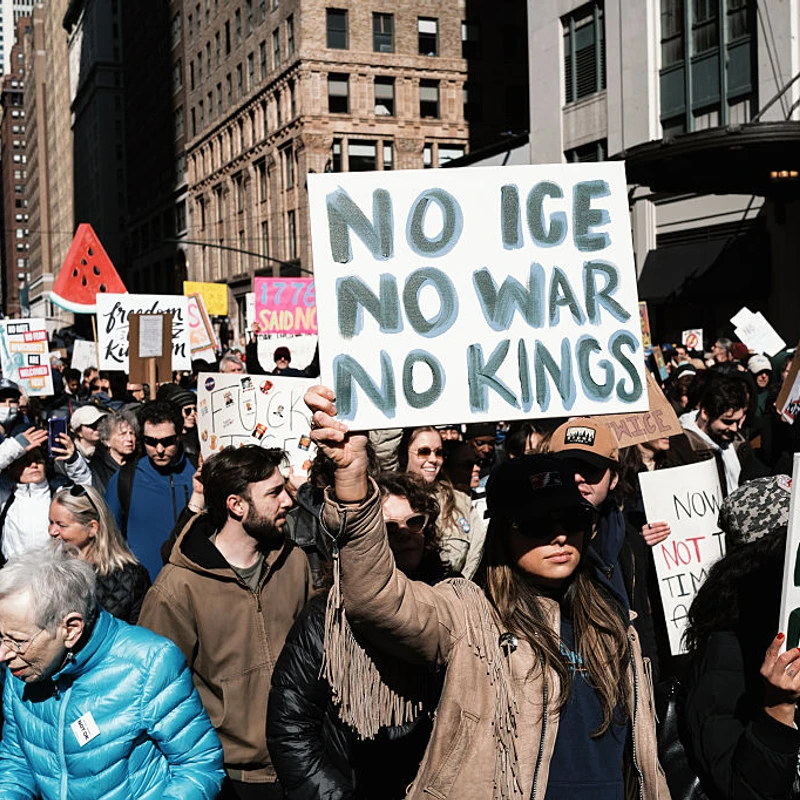
    Across the United States, a powerful wave of civic engagement has taken hold, with millions of Americans hitting the streets in a unified display of dissent. The nationwide “No Kings” protests saw an unprecedented turnout, signaling widespread concern over the current political climate and President Donald Trump’s policies.

    A Historic Day of Demonstration

    Reports indicate that Saturday marked one of the largest coordinated protest efforts in U.S. history. Organizers estimate that over 3,000 rallies took place in all 50 states, drawing millions of participants. This massive mobilization demonstrates a growing willingness among Americans to voice their concerns about the nation’s direction.

    The demonstrations weren’t confined to major urban centers. From liberal strongholds to conservative regions, the “No Kings” movement saw significant participation, cutting across geographic and political divides. This broad engagement suggests a shared dissatisfaction with various aspects of the current administration.

    Key Cities and Diverse Concerns

    Major cities across the nation became focal points for the protests. In New York City, tens of thousands marched through Manhattan, while Washington D.C. saw demonstrators gather near federal landmarks. Chicago, Los Angeles, and Atlanta also experienced large turnouts, with some reported clashes in LA.

    Protesters voiced frustration over a multitude of issues. Key concerns included aggressive immigration enforcement, the ongoing conflict in Iran, economic instability, and perceived threats to voting rights. Many framed the demonstrations as a direct response to what they describe as authoritarian tendencies within the Trump administration.

    Notable Figures and Counter-Protests

    The movement garnered support from high-profile figures, including Senator Bernie Sanders and musician Bruce Springsteen, who appeared at major rallies. While the majority of demonstrations remained peaceful, tensions did flare in some cities, leading to arrests and injuries during clashes between protesters, counter-protesters, and law enforcement in places like Dallas and Los Angeles.

    The White House, however, downplayed the significance of the protests, characterizing them as politically motivated. Despite this dismissal, the sheer scale of the turnout suggests a growing movement. Saturday’s events mark the third major “No Kings” mobilization since 2025, with each wave reportedly drawing larger crowds and reaching more communities.

    What are your thoughts on the “No Kings” protests and the issues raised? Share your perspective in the comments below!

  • Millions Protest Trump Administration Policies

    Imagine millions of people across the country and around the world uniting to voice their concerns. That’s exactly what happened during the latest wave of “No Kings” protests, which saw an enormous turnout opposing the Trump administration’s policies. Organizers are calling this mobilization one of the largest in recent history!

    A Nationwide Call for Change

    These massive demonstrations weren’t confined to just a few major cities. Reports indicate that protests took place in all 50 states and over a dozen countries. From bustling metropolises like New York City and Los Angeles to smaller towns and suburban communities, people gathered to make their voices heard.

    The core issues driving these protests were varied but deeply felt. Participants expressed strong opposition to the U.S. involvement in Iran, concerns about immigration enforcement, and frustration over the escalating cost of living. It was a powerful display of collective dissent.

    Symbolic Displays and Key Issues

    In Washington D.C., large crowds marched through downtown, converging at iconic spots like the Lincoln Memorial and the National Mall. Many carried symbolic displays and effigies representing President Trump, Vice President JD Vance, and other administration figures, clearly signaling their demand for political change.

    A particularly poignant demonstration occurred in Minnesota, where activists focused on the tragic deaths of two individuals following encounters with federal immigration agents. This incident has become a significant point of criticism against current immigration policies, with thousands gathering to demand action.

    Organized Resistance and Historic Turnout

    The “No Kings” movement is a coordinated effort, involving a coalition of advocacy groups like Indivisible and 50501, along with labor unions and grassroots networks. Organizers estimated that over 3,000 individual protests took place globally. Ahead of the event, Indivisible co-founder Ezra Levin even predicted it could be the biggest protest in American history.

    This latest wave of protests follows a similar “No Kings” rally in October, which organizers reported drew around 7 million participants nationwide. The sheer scale and continued momentum of these demonstrations underscore a sustained political resistance against the administration’s policies.

    Specific Policy Criticisms

    Beyond the broader opposition, some protests zeroed in on specific policy areas. For instance, about 1,000 demonstrators gathered outside the National Institutes of Health in Maryland to protest cuts to medical research funding, with chants like “No kings, just vaccines!” echoing their concerns.

    What are your thoughts on the “No Kings” protests and the issues they’re raising? Share your perspective in the comments below!

  • Labor Day Protests: Workers vs. Billionaires Nationwide

    While many enjoyed barbecues and family time this Labor Day, a significant movement took to the streets across America. Hundreds of thousands of people participated in protests, making a powerful statement about workers’ rights and challenging the influence of billionaires, particularly in relation to the Trump administration.

    Nationwide Rallies for Workers

    Under the banner “Workers over Billionaires,” a coalition of labor and advocacy groups, known as May Day Strong, organized over 1,000 protests and events in more than 900 cities. Organizers estimated that several hundred thousand people participated nationwide, aiming to bring Labor Day back to its core mission: honoring working people.

    These demonstrations targeted what critics see as the overwhelming influence of business leaders and corporations, especially during what was described as Trump’s second term. The message was clear: the agenda should prioritize working families, not just the ultra-wealthy.

    Key Protests and Demands

    Cities from coast to coast saw significant turnout. In Chicago, a large demonstration of 5,000 to 10,000 protesters voiced strong opposition to threats of deploying the National Guard and federal immigration agents, arguing such actions would only increase violence. The city’s mayor pledged to resist federal overreach.

    San Diego’s Waterfront Park was a focal point, with an estimated 2,000 to 3,000 people calling for increased investment in essential services like housing, healthcare, schools, and climate action, rather than prioritizing corporate profits. Even in Midland, Michigan, a peaceful rally on the courthouse steps emphasized that “workers—not billionaires—are the backbone of America.”

    Labor Day’s Evolving Message

    This year’s Labor Day protests transformed the holiday into a powerful statement. It highlighted that working families deserve more than just a day of symbolic remembrance; they are demanding tangible power and investment in their futures. The movement underscored a growing sentiment that the economic and political landscape needs a significant shift towards prioritizing the needs of everyday workers.

    What are your thoughts on the ‘Workers over Billionaires’ movement? Do you believe this sentiment will influence policy? Share your views in the comments below!