Tag: Property Tax

  • Will Thilly Breakdances Protest Property Tax Hike

    In a move that’s quickly gone viral, Cranford, New Jersey, town council candidate Will Thilly decided to make a statement against a proposed property tax hike in a way no one expected: with a full breakdancing routine. This unconventional protest turned a typical town hall meeting into a headline-grabbing event.

    A Dance of Disagreement

    During the public comment portion of the meeting, Thilly didn’t just approach the podium; he danced his way there. Showcasing spins, footwork, and even a moonwalk, he delivered an impromptu performance that left the audience in stunned silence. After his dance, he transitioned back to the serious matter at hand, questioning the council about the tax proposal.

    The Internet Reacts to the Performance

    The clip of Thilly’s protest quickly spread across the internet, garnering widespread attention. Many viewers praised his creativity and unique approach to political expression, while others simply enjoyed the spectacle of civic duty meeting dance floor energy. Even an official at the meeting lightheartedly commented, “Thank you, Mr. Thilly. I liked the interpretive dance.”

    A Reputation for Unconventional Tactics

    For those familiar with Will Thilly, this latest stunt isn’t entirely out of character. He’s reportedly developed a reputation for using unconventional methods to voice his opinions at civic meetings. While this breakdancing protest might be his most memorable act yet, it certainly succeeded in putting the Cranford town council meeting on the map.

    Whether viewed as performance art, a genuine political protest, or simply entertaining spectacle, Will Thilly’s breakdancing moment has made a lasting impression. It’s a reminder that sometimes, the most impactful statements come in the most unexpected forms.

    What do you think of Will Thilly’s breakdancing protest? Let us know your thoughts in the comments below!
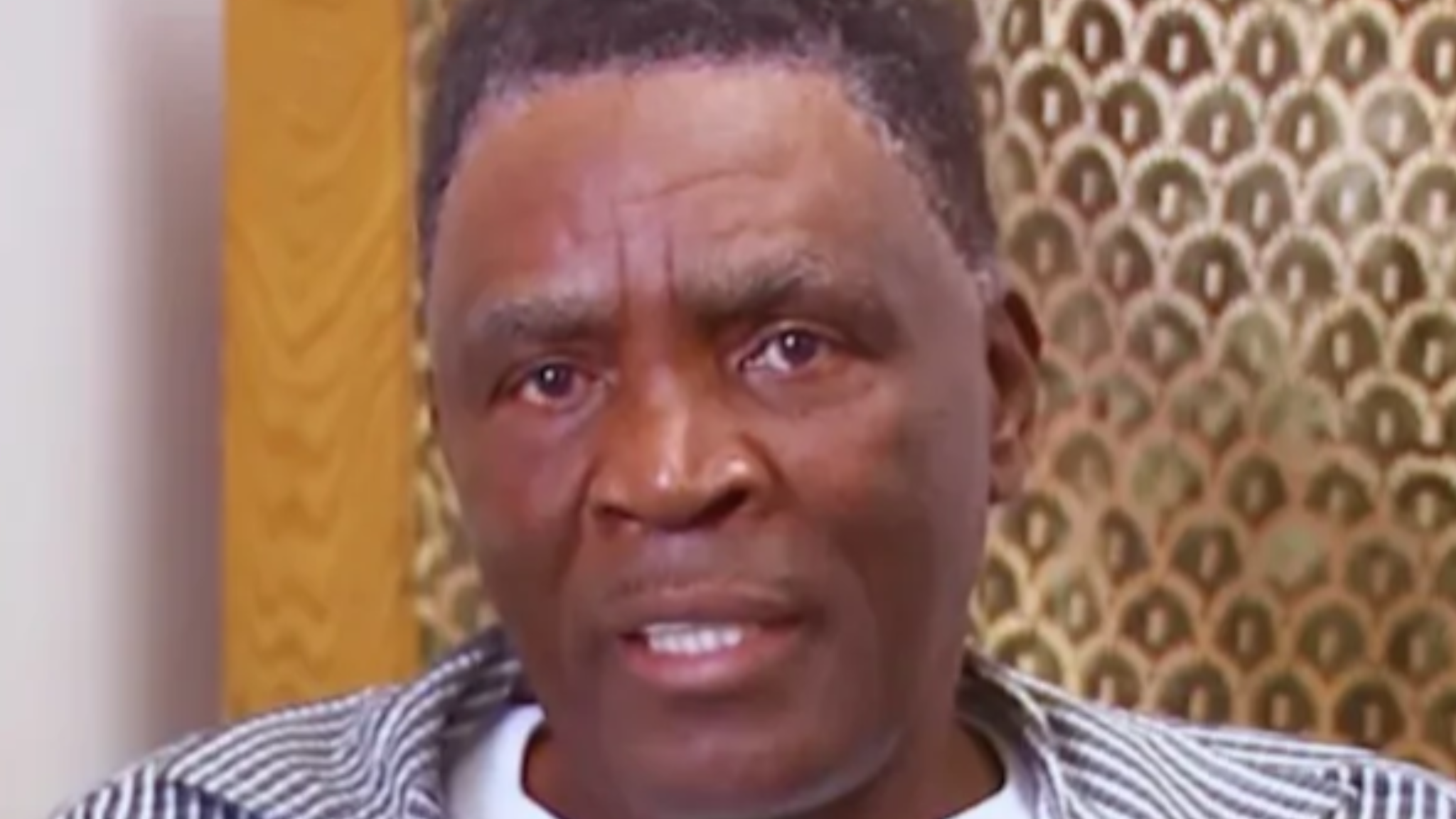
  • Brooklyn Home Lost Over Unknown $5K Water Bill

    Imagine working your entire life, seven days a week, to achieve the dream of homeownership, only to lose it all over a bill you never knew existed. That’s the devastating reality for Filmore Brown, a Brooklyn homeowner who is now fighting to keep his house after it was foreclosed due to an unknown $5,000 water bill.

    A Hidden Debt Leads to Foreclosure

    Brown purchased his Brooklyn home in 1996 and proudly paid off his mortgage in 2019. However, a $5,000 water bill, which he claims he never received or was aware of, became the catalyst for losing his home. The city had sold this unpaid debt to an investor trust as part of a debt collection process.

    The problem? Once the debt was transferred to the investor trust, it disappeared from the city’s billing system. This meant that even though Brown diligently paid his other bills, the outstanding water debt never appeared on his statements. He was completely unaware of the looming problem until contractors, armed with court papers, drilled through his front door in the middle of the night, informing him his home had been auctioned off.

    Fighting for Accountability and Reform

    Brown insists he never received proper notification of the debt or the impending foreclosure. While the trust claims they sent multiple notices, court filings indicate that service was made at the property in November 2020, but Brown states no one in his top-floor apartment received them. This lack of clear communication has left him fighting back with legal representation.

    His story has resonated with many, leading to a growing movement among Brooklyn lawmakers. They are now demanding greater accountability from the city and advocating for crucial reforms. The goal is to implement better notification systems and stronger safeguards to protect homeowners, especially those on fixed incomes, from facing unexpected evictions.

    They’re calling for improved notification systems and safeguards so hardworking homeowners with fixed incomes don’t find themselves fighting eviction they never saw coming. — Brooklyn Lawmakers

    At the heart of this issue is a failure in the city’s safety net, which has left a hardworking individual on the brink of losing everything over a debt he was never made aware of. This case highlights the urgent need to re-evaluate how such debts are handled and how homeowners are notified.

    What are your thoughts on this homeowner’s plight? Do you think the city’s debt collection practices need reform? Share your opinions in the comments below!