Tag: Preventive Care

  • Slash Diabetes Costs: Smart Savings Strategies

    Living with diabetes can feel like a constant balancing act, especially when it comes to managing the associated costs. The average American with diabetes spends a staggering $9,601 annually on medical expenses alone, according to the American Diabetes Association. From medications and testing supplies to doctor visits and lifestyle changes, the bills can pile up quickly. But what if I told you there are smart, strategic ways to significantly cut these costs without compromising your health? It’s all about being aware of the resources available and making informed choices.

    Prevention: Your Best Investment

    Think of preventive care as your financial superhero in the fight against diabetes costs. It’s the most cost-effective strategy out there! Regular checkups and catching issues early can prevent expensive complications like emergency room visits, hospital stays, and costly advanced treatments down the line. The good news? Most insurance plans cover these essential preventive services with little to no copay.

    • Annual comprehensive metabolic panels
    • Quarterly A1C testing
    • Eye and foot exams
    • Nutrition counseling sessions
    • Diabetes education programs

    Beyond the doctor’s office, your daily lifestyle habits play a huge role. Consistent exercise, a balanced diet, and effective stress management can actually reduce your need for medication and lower your risk of complications. Studies have shown that individuals who maintain healthy lifestyles spend significantly less on medical costs annually compared to those who don’t.

    Strategic Savings on Medications and Supplies

    Medications often make up the biggest chunk of diabetes-related expenses, but did you know prices can vary wildly? The same insulin prescription could cost hundreds of dollars more at one pharmacy compared to another. It pays to shop around!

    • **Generic Alternatives:** These offer the same effectiveness as brand-name drugs but at a fraction of the cost. For example, generic Metformin is significantly cheaper than its brand-name counterpart.
    • **Pharmacy Shopping:** Use apps like GoodRx to compare prices across different pharmacies. You might be surprised by the savings!
    • **Online Pharmacies:** Often offer prices 20-50% lower than local stores.
    • **Patient Assistance Programs:** Many manufacturers offer free or deeply discounted medications for eligible individuals.
    • **90-Day Prescriptions:** Getting a three-month supply can reduce per-dose costs and copays, especially through mail-order pharmacies.

    Don’t forget your testing supplies! Buying test strips, lancets, and syringes in bulk can often lead to 30-50% savings. Plan your purchases carefully by calculating your monthly needs and comparing prices at warehouse clubs versus pharmacies. You can even split large orders with friends or family who also manage diabetes.

    Leveraging Technology and Community Resources

    Technology is a game-changer for diabetes management, often replacing expensive in-person visits with more affordable digital solutions. Continuous Glucose Monitors (CGMs), while having a higher upfront cost, can pay for themselves by reducing test strip usage, preventing emergencies, and optimizing insulin dosing. Diabetes management apps can track your blood sugar, medications, and patterns, often replacing manual logbooks and reducing the need for frequent appointments. Many insurers even offer these apps for free!

    Telemedicine appointments are another fantastic way to save money. They typically cost much less than traditional office visits and offer the convenience of receiving care from home. Plus, most insurance plans have permanently expanded telehealth coverage since 2020.

    Don’t Forget Community Support

    You’re not alone in this journey, and there are numerous community and nonprofit organizations ready to help. Many offer free or low-cost diabetes support, but patients often aren’t aware of them. Local health departments might offer free A1C testing and education, while Federally Qualified Health Centers (FQHCs) provide care on a sliding scale based on your income. Nonprofits can connect you with assistance programs and peer support groups, and even churches and community centers often host free health screenings and workshops.

    Maximize Your Insurance and Plan Long-Term

    Are you fully utilizing your insurance benefits? Many people miss out on savings opportunities like free annual diabetic shoe allowances, nutrition counseling sessions, gym membership discounts, or wellness program incentives that can reduce premiums. When comparing plans during open enrollment, look beyond just the monthly premium. A plan with slightly higher monthly costs but better prescription coverage could save you money overall.

    It’s crucial to create sustainable long-term strategies. Short-term savings that compromise your health will only lead to larger expenses later. Avoid skipping medications, reusing single-use supplies, or delaying necessary appointments. Instead, focus on building emergency funds, maintaining preventive care, investing in quality shoes, learning to prepare affordable healthy meals, and joining support groups for motivation.

    Track Your Spending, Adjust Your Strategy

    Keeping an eye on your diabetes-related expenses is key to identifying savings opportunities. Use a simple spreadsheet or app to track monthly medication costs, supply expenses, copays, and even transportation costs to appointments. Regularly reviewing these expenses can reveal areas for optimization, like switching to 90-day prescriptions or finding a pharmacy with better prices. These small adjustments can add up to significant annual savings.

    Managing diabetes affordably is an ongoing process, but the rewards—both for your health and your wallet—are substantial. By actively pursuing cost-reduction strategies, you can achieve better health outcomes while spending less. Remember, financial stress can negatively impact your diabetes management, so taking control of costs is a win-win for your overall well-being.

    What are your favorite tips for saving money on diabetes management? Share your strategies in the comments below!

  • Heart Health: Dr. Gillespie’s Insights for Black Communities

    Did you know that heart disease is a major concern, especially within the African American community? It’s a serious issue, but what if I told you there are powerful, life-saving insights that could make a real difference? We’re diving into what leading cardiologist Dr. Robert Gillespie has to say about tackling this head-on.

    Understanding the Real Killer

    Dr. Robert Gillespie, a respected voice in cardiology, is shedding light on what he identifies as the real killer impacting Black America. His work focuses on providing actionable knowledge to help prevent heart disease, a condition that disproportionately affects this demographic.

    It’s not just about knowing the risks; it’s about understanding the specific factors that contribute to heart disease and how to combat them effectively. Dr. Gillespie’s insights are designed to empower individuals with the information they need to take control of their cardiovascular health.

    Life-Saving Insights for Prevention

    So, what are these life-saving insights? Dr. Gillespie emphasizes the importance of proactive measures. This includes regular check-ups, understanding your family history, and making informed lifestyle choices. Small changes can lead to significant improvements in heart health.

    • Regular medical check-ups
    • Awareness of family health history
    • Healthy dietary choices
    • Consistent physical activity
    • Stress management techniques

    By focusing on these key areas, individuals can significantly reduce their risk. It’s about building a healthier future, one step at a time. Dr. Gillespie’s message is one of hope and empowerment, showing that preventing heart disease is achievable.

    What are your thoughts on Dr. Gillespie’s insights? Share your personal tips for maintaining a healthy heart in the comments below!

  • 6 Tips for Easier Colonoscopy Prep

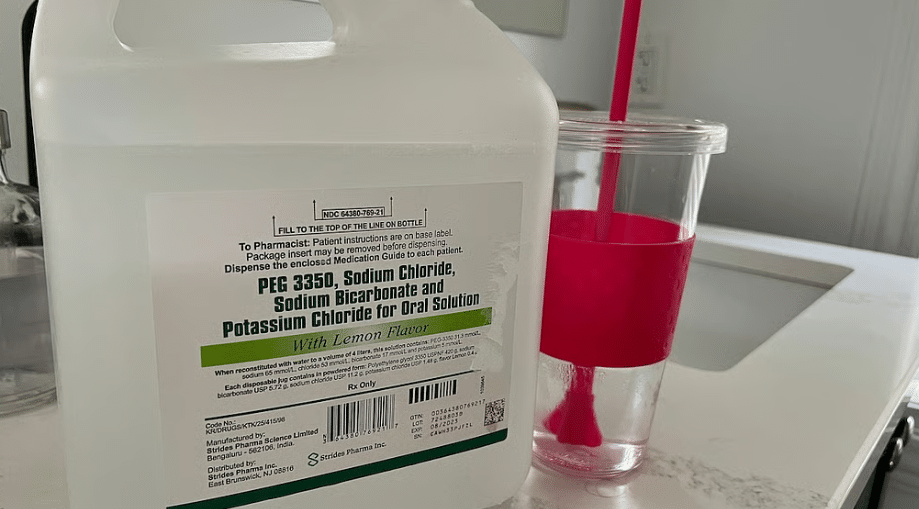
    Colonoscopy prep is widely considered the most challenging aspect of colorectal cancer screening. However, with smart planning and practical strategies, the process can be significantly more tolerable. Transforming this unpleasant ritual into a smoother, more manageable experience is achievable. Here’s how:

    1. Stick to a Liquid Diet the Day Before

    A clear-liquid diet is essential for ensuring your colon is free of residue, allowing for accurate detection and polyp removal. Starting a few days prior with a low-residue diet (refined grains, cooked vegetables without skins, no seeds) makes the transition to liquids easier. To make this bearable, stock up on clear, non-red/purple liquids like apple or white grape juice, clear broth, coffee or tea without cream, flavored water, gelatin, or ice pops. Alternating between these options can prevent monotony and hunger pangs.

    2. Split the Prep into Two Doses

    Traditionally, prep involved consuming nearly a gallon of solution in one night, which could be overwhelming. Splitting the dose—consuming half the evening before and the remainder several hours before the procedure—improves colon cleanliness and makes it easier to tolerate. Confirm the timing with your healthcare provider, typically finishing the second dose about five hours before your appointment. If you have an afternoon procedure, you might be able to take most of the prep in the morning.

    3. Use Flavor Aids and Sip Slowly

    Strategies to improve palatability include chilling the solution, as cold temperatures mute unpleasant flavors. Drinking through a straw, positioned towards the back of the tongue, minimizes contact with taste buds. Adding flavor aids like lemon-lime Gatorade, Crystal Light, or provided flavor packets (avoiding dark dyes) can also help. Following each sip with a chaser—like apple juice or ginger ale—and taking small, slow sips every 10-15 minutes can reduce bloating and nausea. Taking breaks if needed is also advisable.

    4. Chill the Prep Solution

    Refrigerating the prep solution is one of the simplest yet most effective tricks. The polyethylene glycol (PEG) or sodium-based ingredients often give prep a salty, chalky taste. Cold temperatures dull taste receptors, reducing the perception of bitterness and saltiness, and making the liquid easier to drink quickly. This can also lower the risk of nausea. For best results, mix and chill the solution several hours in advance, preferably in a glass container.

    5. Sip Through a Straw and Stay Hydrated

    Drinking prep through a straw, especially a wide one placed towards the back of the tongue, helps bypass taste buds and minimize the salty flavor. This method also reduces smell exposure, which can ease nausea. Using a straw encourages consistent sipping rather than large gulps, preventing bloating. Keep lemon wedges, sugar-free mints, or lozenges handy for between sips. Staying hydrated with plenty of clear fluids is crucial throughout the process.

    6. Gentle Movement and Preparation

    Light physical activity can help motivate the digestive tract and manage nausea. Stay near a bathroom but move around gently instead of remaining stationary. Wear comfortable, loose clothing for ease of movement. Prepare entertainment options like books or movies to pass the time during the longer bathroom sessions. Having soft toilet paper, soothing ointments, and easy-to-remove clothing ready can also enhance comfort. Proper preparation ensures better compliance, improved bowel cleanliness, less nausea, and ultimately, a more efficient and successful procedure, potentially avoiding the need for rescheduling.

    What are your best tips for making colonoscopy prep easier? Share your experiences and advice in the comments below!

  • Essential Vaccines for Back-to-School

    As back-to-school season approaches, parents are busy preparing everything their children need for the classroom. Among the most critical preparations are school physicals and vaccinations. Dr. Marc Watkins, Chief Medical Officer of Kroger Health, emphasizes that these steps are vital not only for meeting school requirements but also for ensuring a child’s overall health and well-being.

    The Importance of Routine Vaccinations

    Dr. Watkins notes that vaccination rates haven’t fully recovered since the COVID-19 pandemic, citing factors like general mistrust of healthcare within the Black community and overall vaccine fatigue. “It’s a challenge to help people understand that vaccines remain incredibly safe, effective, and important to our overall health,” he told BlackDoctor.org. “It’s similar to other proactive choices people make, like wearing seatbelts, not smoking, and exercising.”

    He encourages parents to schedule regular visits with pediatricians or family practitioners, or to consult clinicians at Kroger pharmacies and clinics. Dr. Watkins recommends making healthcare appointments during your birth month as a proactive way to stay on top of routine check-ups, vaccinations, and screenings like vision, dental, colonoscopies, and prostate health checks.

    Key Vaccines Recommended for School

    Ensuring your child is up-to-date on age-appropriate vaccines is vital for their health and the health of the school community. Dr. Watkins recommends the following:

    • **Ages 4-6:** Tetanus, Diphtheria, Pertussis (Tdap); Measles, Mumps, Rubella (MMR); Varicella (Chickenpox); Polio; Annual Flu Shot; COVID-19 Vaccine.
    • **Middle Schoolers:** Human Papillomavirus (HPV) Vaccine; Annual Flu Shot; COVID-19 Vaccine.
    • **High Schoolers:** Meningitis Vaccine; Annual Flu Shot; COVID-19 Vaccine.

    Addressing Vaccine Hesitancy

    Dr. Watkins acknowledges parental hesitancy and encourages a proactive approach to health. He stresses the importance of finding a trusted primary care provider and building a relationship with them. “If you can’t see your regular pediatrician or healthcare provider, our team of healthcare professionals at Kroger pharmacies and clinics across the nation can step in to support you,” he notes, highlighting Kroger Health’s commitment to accessible and convenient care.

    The Role of School Physicals

    Beyond vaccinations, routine physical exams are crucial for back-to-school preparation. Sports physicals, or pre-participation physical evaluations (PPEs), ensure children can safely participate in activities. They also provide a comprehensive health review, checking major body systems and addressing behavioral health and nutrition.

    Nutrition: Fueling Academic Success

    Proper nutrition is vital for a child’s ability to focus and succeed in school. Dr. Watkins recommends a balanced diet rich in colorful fruits and vegetables (“Eat the rainbow”), lean proteins, and adequate hydration. He advises parents to check food labels for added sugars, sodium, and saturated fats, consuming these in moderation. Meal prepping on weekends can also make healthy eating more manageable for busy families.

    What are your top tips for ensuring your child is healthy and ready for the school year? Share your advice in the comments below!