Tag: Pete Hegseth

  • Trump: ISIS Leader Killed in US-Nigeria Operation

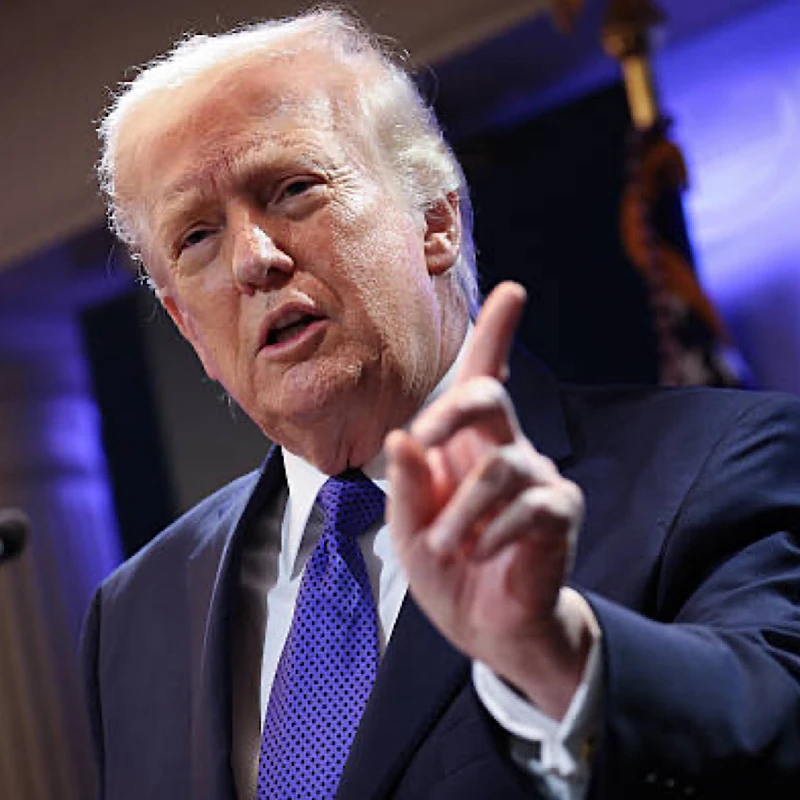
    In a major counter-terrorism development, President Donald Trump announced the successful elimination of a high-ranking ISIS leader. The operation, a joint effort between the United States and Nigeria, targeted and killed Abu-Bilal al-Minuki, identified as the second-in-command of the Islamic State group. Trump hailed the mission as a flawless execution of a complex plan.

    A Precisely Executed Mission

    The operation took place on Friday, May 15, 2026, involving a helicopter assault by elite troops from both nations. U.S. officials confirmed on Saturday, May 16, that nearly two dozen Nigerian and American Special Operations commandos, including members of the elite Navy SEAL Team 6, carried out the mission. They attacked al-Minuki and approximately three dozen other fighters on two small islands in Lake Chad, a strategic location bordering Nigeria and other countries.

    Abu-Bilal al-Minuki, a Nigerian citizen, was officially designated a terrorist and a key leader by the U.S. State Department in 2023 and had been sanctioned by the Treasury Department. His removal is seen as a significant blow to ISIS’s global operations.

    Trump’s Statement and Strategic Implications

    President Trump took to Truth Social to share the news, emphasizing the meticulous planning and complexity of the mission. He stated, “Abu-Bilal al-Minuki, second in command of ISIS globally, thought he could hide in Africa, but little did he know we had sources who kept us informed on what he was doing.” Trump thanked the Nigerian government for their partnership, highlighting the importance of international cooperation in combating terrorism.

    The White House account reposted Trump’s message, with the President adding, “No games!!! Watch what’s next on your favorite subject! President DJT.” This suggests a continued aggressive stance against terrorist organizations.

    Secretary of War’s Perspective

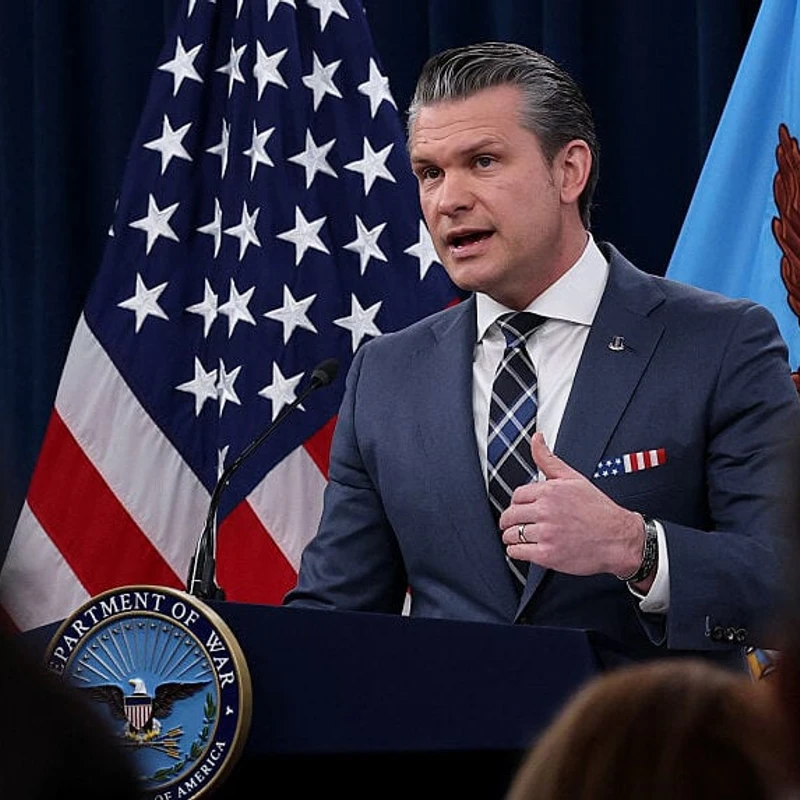
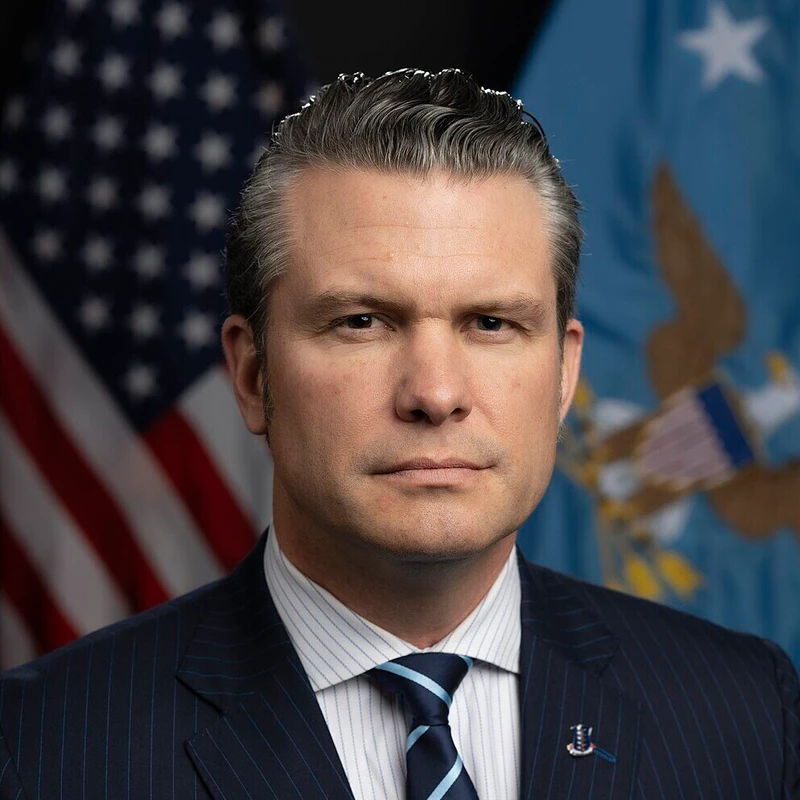
    U.S. Secretary of War Pete Hegseth echoed Trump’s sentiments on X, detailing the operation and its context. He mentioned President Trump’s prior declaration in November 2025 to help protect Christians in Nigeria, instructing the Department of War to prepare for action. Hegseth highlighted that this operation was the culmination of months of hunting al-Minuki, who was responsible for killing Christians in Nigeria.

    Hegseth further explained that al-Minuki was the “senior ISIS General Directorate of Provinces Emir,” overseeing attack planning, hostage-taking, and financial operations. The removal of him and other ISIS personnel is expected to significantly degrade the group’s ability to plan and execute attacks that threaten the U.S. homeland and its citizens, as well as innocent civilians. This operation serves as a strong reminder of the U.S. commitment to hunting down those who threaten American interests and allies.

    What are your thoughts on this joint counter-terrorism operation? Share your opinions in the comments below!
  • Pentagon Promotion Delays Spark Equity Concerns

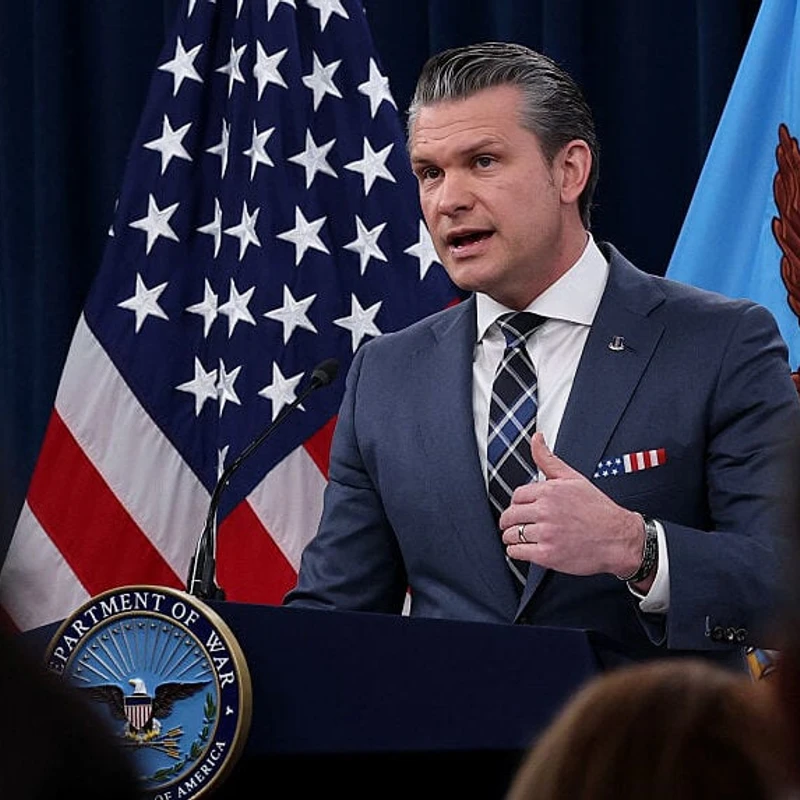
    A cloud of concern is gathering over the Pentagon as reports emerge about significant delays in military promotions. Defense Secretary Pete Hegseth is reportedly taking an unusually hands-on approach to reviewing lists for generals and admirals, leading some officials to worry about the fairness and equity of the process.

    Scrutiny Over Promotion Interventions

    Sources within the military and government suggest that Hegseth has intervened in the advancement of over a dozen senior officers across various branches, including the Army, Navy, Air Force, and Marine Corps. This level of direct involvement is considered rare, as promotion decisions are typically managed by independent boards within each service branch.

    The standard procedure involves these boards evaluating candidates based on merit and their service records. Their recommendations are then passed up the chain for Pentagon approval, White House review, and finally, Senate confirmation. Defense secretaries usually only remove names from these lists if there’s a clear issue, like a pending misconduct investigation.

    Disproportionate Impact on Minority and Female Officers?

    What’s particularly troubling to some officials is the potential for disproportionate impact on certain groups. There are growing concerns that qualified candidates, especially women and Black officers, might be unfairly affected by these delays or outright removals from promotion lists. This raises serious questions about whether factors beyond merit, such as race, gender, or perceived political alignment, could be influencing these critical decisions.

    These worries are amplified by Hegseth’s known public opposition to diversity, equity, and inclusion (DEI) initiatives, which he has previously criticized for potentially undermining merit-based systems. The situation has also gained attention following the recent departure of the Army’s chief of staff, Randy George, whose term was expected to continue for several more years. Reports indicate George had sought to discuss promotion concerns with Hegseth shortly before his removal.

    Official Response and Broader Implications

    In response to these reports, a Pentagon spokesperson has strongly denied the allegations, labeling the claims as inaccurate. The spokesperson defended the integrity of the promotion process under Hegseth’s leadership, asserting that all decisions are based solely on merit and remain apolitical. The White House has yet to issue a public statement on the matter.

    This controversy underscores the ongoing tensions surrounding leadership and personnel decisions within the military. Critics warn that interfering with the established promotion system could erode trust in a process that has long been considered a bedrock of military professionalism and fairness.

    What are your thoughts on the Pentagon’s promotion delays and the concerns raised about equity? Share your perspective in the comments below!

  • Pete Hegseth Faces Backlash Over Military Promotion List

    A recent report alleges that Defense Secretary Pete Hegseth attempted to remove the names of four Black officers from a promotion list for one-star general positions. This move has ignited controversy, raising questions about the role of diversity, equity, and inclusion (DEI) in military appointments and whether promotions are truly merit-based.

    Allegations of Interference

    According to The Independent, Hegseth reportedly asked Army leaders, including Secretary of the Army Dan Driscoll, to remove the officers’ names. When Driscoll allegedly refused, citing the officers’ strong records, Hegseth reportedly sought to intervene directly. The promotion list, which includes nearly 40 officers, is said to be predominantly white men, but also features some Black and female candidates.

    One of the officers named in the report is Maj. Gen. Antoinette Gant, a Black combat engineer with service in Iraq and Afghanistan. Hegseth’s chief of staff, Ricky Buria, allegedly suggested that President Donald Trump would not want to appear alongside a Black female officer at military events. Driscoll reportedly countered that the president is not racist or sexist.

    Focus on ‘Woke’ Policies and Meritocracy

    Since taking office, Hegseth has been vocal about his intention to remove what he terms “woke” policies from the Pentagon, emphasizing a commitment to making all promotions “based on merit.” This stance has drawn criticism, with many questioning whether his actions align with this principle or if race and gender played a role in his alleged attempts to alter the promotion list.

    Pentagon spokesman Sean Parnell has dismissed the report as “fake news,” asserting that promotions under Secretary Hegseth are merit-based and unbiased. Buria also released a statement calling the story a fabricated attempt to sow division. However, past actions, such as Hegseth’s removal of Gen. C.Q. Brown (the second African American to chair the Joint Chiefs of Staff) and Adm. Lisa Franchetti (the first woman to lead the Navy), have fueled skepticism.

    The military standards, once the hallmark for competency, professionalism, and ‘mission first’ outcomes, have officially been subsumed by woke priorities. — Pete Hegseth, in his book ‘The War on Warriors’

    Hegseth has previously expressed doubts about whether Brown’s promotion was based on merit or race. This context adds weight to the current allegations, suggesting a pattern of challenging diversity in high-ranking military positions. The controversy highlights the ongoing tension between traditional notions of meritocracy and the push for greater diversity and inclusion within the armed forces.

    What are your thoughts on the allegations surrounding Pete Hegseth and military promotions? Share your views in the comments below!

  • Hegseth Blocks Black Officers’ Promotions

    Defense Secretary Pete Hegseth is under fire for reportedly blocking the promotion of two Black Army officers to the rank of one-star general. This move comes as the U.S. military’s leadership under the Trump administration remains overwhelmingly white, and critics are labeling the actions as blatant racism and misogyny.

    According to The New York Times, Hegseth unilaterally removed the officers’ names from the promotion list, overriding previous resistance from senior Army leaders like Army Secretary Daniel P. Driscoll. Two women were also removed from the list, though it’s questioned whether Hegseth possessed the authority to make such unilateral decisions.

    Targeting Black Servicemembers?

    The promotion list reportedly includes about three dozen officers, the majority of whom are white men. This decision follows a pattern of actions by Hegseth and the Trump administration that military and veteran advocates argue specifically target Black servicemembers. These include the firing of high-ranking officers like former Gen. Charles “CQ” Brown Jr. and the reversal of diversity and inclusion policies, such as a grooming waiver for Black men with certain skin conditions.

    Ed Anderson, an Air Force veteran and organizer for Common Defense, expressed deep concern, stating, ‘I would not encourage a person of color to go into service right now.’ He drew parallels to the racism experienced in the 1970s, noting, ‘I see it rearing its head again.’

    Allegations of Racial Bias in D.C. Appointments

    The Times also reported that Hegseth’s chief of staff, Ricky Buria, allegedly attempted to block Maj. Gen. Antoinette R. Gant from commanding the Military District of Washington. Buria reportedly told Army Secretary Driscoll that President Trump would not want a Black female officer appearing alongside him at military events. Although Buria denies this claim, General Gant was eventually installed in the role and promoted to a two-star rank.

    Anderson criticized the alleged efforts to sideline General Gant, comparing it to a “KKK hood and robe” while denying racism. He asserted that these actions, along with overturning policies from the Obama and Austin administrations, clearly indicate a racial motivation.

    A Shift from ‘Wokeness’ to ‘War Department’

    Hegseth, backed by President Trump’s focus on dismantling racial equity initiatives, has openly criticized what he terms a culture of “wokeness” within the military. In a September 2025 meeting with top military leaders, Hegseth declared an end to “identity months, DEI offices, dudes in dresses, climate change worship, division, distraction, or gender delusions,” renaming the Department of Defense the “Department of War.”

    This approach starkly contrasts with the Biden-Harris administration’s efforts. In 2020, President Biden appointed General Lloyd Austin as Defense Secretary, the first African-American to lead the U.S. military. Biden and Austin aimed to diversify military leadership, recognizing that over 40% of active-duty forces are people of color and emphasizing the need for leadership that reflects this diversity.

    What are your thoughts on these reported actions regarding military promotions and DEI policies? Do you agree with critics that this signals a return to overt racism and misogyny in the military? Share your views in the comments below!

  • Pastor’s ‘Crucify Him’ Comment Sparks Outrage

    Things are getting heated in the political and religious spheres, and it all centers around some shocking comments made by a pastor connected to Defense Secretary Pete Hegseth. Brooks Potteiger, who serves as a pastor for Hegseth, recently appeared on a podcast and expressed some extreme views regarding Texas Democratic Senate candidate James Talarico.

    A Pastor’s Controversial Wish

    During an appearance on the Reformation Red Pill podcast, Potteiger stated that he wished for James Talarico, a Presbyterian seminarian and recent primary victor, to be ‘crucified with Christ.’ This statement came in response to Talarico’s views on religion, abortion, and transgender rights.

    The podcast episode, titled ‘James Talarico Believes Christians are Idiots. Is He Right?’, delved into Talarico’s past statements. Talarico has previously suggested that ‘God is nonbinary,’ that being ‘pro-choice’ is ‘absolutely consistent’ with Christianity, and has defended the transgender community.

    Escalating Rhetoric and Denials

    The podcast host, Joshua Haymes, joined Potteiger in condemning Talarico, labeling him a ‘demon’ and a ‘snake.’ Potteiger further accused Talarico of distorting Christianity to lead people away from Christ. Haymes even prayed for Talarico’s death, which Potteiger echoed, expressing a desire for Talarico to be ‘crucified with Christ’ in a manner similar to Saul of Tarsus’s transformation.

    Following the viral nature of these comments, a spokesperson for Potteiger’s church clarified that the pastor did not ‘call for [Talarico’s] death’ but rather ‘prayed for his conversion,’ explaining that ‘crucified with Christ’ is a biblical concept. Potteiger himself took to X (formerly Twitter) to deny the claims of calling for death, labeling the headlines as ‘untrue.’

    Talarico’s Response: Love Over Hate

    In a powerful response to the viral clips, James Talarico addressed the situation directly. He stated, ‘Jesus loves. Christian Nationalism kills. You may pray for my death, Pastor, but I still love you. I love you more than you could ever hate me.’ His words highlight a stark contrast between his message of love and the harsh rhetoric used by Potteiger and Haymes.

    This incident brings to the forefront the intense debates surrounding religious beliefs, political stances, and the language used in public discourse. It raises questions about the intersection of faith and politics, and how deeply held beliefs can lead to such extreme expressions.

    What do you think about Pastor Potteiger’s comments and James Talarico’s response? Share your thoughts on this heated exchange in the comments below!

  • Hegseth Accused of Forcing Admiral’s Retirement

    A troubling report from The Wall Street Journal alleges that Defense Secretary Pete Hegseth may have played a role in forcing U.S. Navy Admiral Alvin Holsey into retirement. The alleged conflict stems from Admiral Holsey’s concerns over the legality of lethal strikes on alleged drug boats in the Caribbean.

    Clash Over Caribbean Operations

    According to sources cited in the report, Hegseth and Holsey, who oversees military operations in the Caribbean, had disagreements since the Trump administration began bombing these alleged drug boats in the summer of 2025. Admiral Holsey reportedly raised concerns about the legal framework of these operations, particularly when missions extended beyond his direct authority.

    The report suggests that Secretary Hegseth grew frustrated with Holsey’s perceived lack of swift action against alleged drug traffickers. During a meeting this year, Hegseth allegedly told Holsey, “You’re either on the team, or you’re not… When you get an order, you move out fast and don’t ask questions.”

    Admiral’s Retirement and Official Statements

    Shortly after these alleged tensions, Admiral Holsey announced his retirement in October 2025, with his official departure set for December 12th. He stated that after 37 years of service, it had been “an honor to serve our nation.” He also expressed gratitude for his time commanding the SOUTHCOM team.

    Following the reports, Pentagon spokesperson Sean Parnell pushed back, labeling the narrative as “fake news” and denying any hesitation or concerns regarding the mission. Hegseth himself also posted a message on X expressing gratitude for Holsey’s “distinguished service.”

    Bipartisan Scrutiny and Investigations

    Despite official denials, the timing of Holsey’s departure has raised eyebrows among lawmakers and former officials. Former Assistant Secretary for International Narcotics and Law Enforcement Affairs Todd Robinson called the move “shocking,” especially at a critical juncture for operations in the hemisphere. Similarly, Rep. Adam Smith (D-WA), the top Democrat on the House Armed Services Committee, noted that he couldn’t recall a combatant commander leaving post so early amid such turmoil in his two decades on the committee.

    These controversial actions have prompted bipartisan lawmakers to initiate investigations into the follow-up strike and the broader operation. The allegations of “war crimes” related to the strikes, which reportedly killed over 80 people and heightened tensions with Venezuela, are under intense scrutiny.

    What are your thoughts on the allegations surrounding Admiral Holsey’s retirement and the Caribbean operations? Share your views in the comments below.

  • Pentagon Reporters Protest New Rules, Exit Building

    In a significant act of protest, dozens of journalists covering the U.S. military have returned their Pentagon badges and exited the building. The reporters are refusing to comply with new rules imposed by Defense Secretary Pete Hegseth, which they argue severely limit their ability to report freely and access information.

    New Rules Spark Walkout

    The controversial new rules, reported by AP News, threaten expulsion for journalists who report on any information – not just classified material – that has not been officially approved for release. Many reporters viewed this as an unacceptable restriction on journalistic integrity. On October 15th, at the Defense Department’s 4 p.m. deadline, numerous journalists chose to leave their posts rather than agree to these terms.

    Nancy Youssef, a reporter for The Atlantic who has covered the Pentagon since 2007, expressed both sadness and pride in the press corps’ unified stance. “It’s sad, but I’m also really proud of the press corps that we stuck together,” she told the ABQ Journal.

    Defense Secretary Defends Rules, Critics Disagree

    Defense Secretary Pete Hegseth, a former Fox News host, has defended the new rules as “common sense.” He stated that requiring journalists to sign a document is merely an acknowledgment of the rules, not an official agreement. However, reporters and media organizations largely disagree with this distinction, viewing it as a significant hurdle to their work.

    Retired U.S. Army General and Fox News analyst Jack Keane commented on the situation, suggesting the Pentagon’s aim is to “spoon-feed information” to journalists, which he argues is not true journalism. Former President Donald Trump also voiced support for Hegseth’s rules, telling reporters that he believes the press is “very disruptive” and “very dishonest.”

    Broad Media Opposition

    The overwhelming majority of news outlets rejected the new rules. The Pentagon Press Association, representing 101 journalists from 56 different news organizations, formally condemned the restrictions. Major media outlets, including The Associated Press, The New York Times, Fox News, and Newsmax, directed their reporters to leave the Pentagon rather than sign the new agreement. Only One America News Network reportedly signed on.

    NPR reporter Tom Bowman articulated the sentiment of many, writing, “They knew the American public deserved to know what’s going on.” He expressed concern that without reporters present to ask questions, the Pentagon leadership might rely solely on curated social media content and interviews with “partisan commentators,” which he deems insufficient for public understanding.

    What are your thoughts on the Pentagon’s new reporting rules and the journalists’ decision to protest? Do you believe these restrictions hinder transparency? Share your views in the comments below!

  • Trump Eyes Pentagon Rebrand: “Department of War” Name Returns?

    In a move that could signal a shift in tone and perception, former President Donald Trump is reportedly looking to reintroduce a historic name for the Pentagon. According to recent reports, Trump is preparing to sign an executive order that would bring back the title “Department of War” as a secondary designation for the Department of Defense.

    A Return to the “Department of War”?

    This proposed executive order would allow Defense Secretary Pete Hegseth to officially be addressed as “Secretary of War.” The Pentagon itself could adopt this older identity in official communications, signage, and ceremonial contexts. While the White House is framing this as a way to project strength, critics are raising concerns about the potential global implications of such a dramatic tonal shift.

    It’s crucial to understand that this executive order would not legally change the Pentagon’s formal name. The actual title, “Department of Defense,” would remain unless Congress were to pass a law. Trump’s initiative would simply permit the use of the “Department of War” branding, reviving a name associated with America’s more aggressive military periods.

    Historical Context of the Name Change

    Historically, the United States operated under the “War Department” until 1947. Following the end of World War II, the department was renamed the “Department of Defense” as part of a broader restructuring of the U.S. military. This change reflected a move towards a more unified and coordinated defense strategy.

    Trump’s push to reintroduce the “Department of War” name is seen by some as a symbolic gesture, aiming to evoke a sense of historical power and a more assertive military posture. However, the implications of such a rebranding on international relations and perceptions of U.S. foreign policy remain a significant point of discussion.

    What are your thoughts on renaming the Pentagon the “Department of War”? Share your perspective in the comments below!