Tag: payola

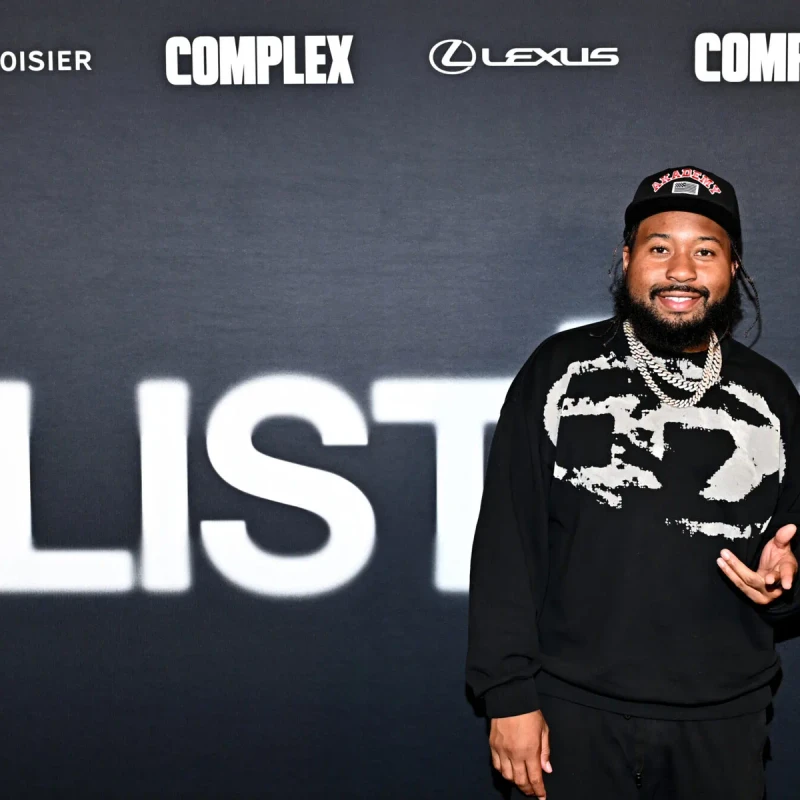
  • Akademiks Addresses Paid Promotion Allegations

    In the fast-paced world of music promotion, transparency can sometimes be a casualty. DJ Akademiks, a prominent voice in hip-hop media, is now addressing claims that he accepts payments to push artists’ music. The conversation was sparked by TDE signee Trap Dickey during a recent interview on The Breakfast Club.

    Trap Dickey’s Experience with Paid Promotion

    During his interview, Trap Dickey detailed some of the challenges he faced during his come-up before signing with TDE. He mentioned trying various promotional strategies, including paying DJ Akademiks for a post on his Instagram page. Dickey stated he paid between $2,000 and $3,000 for the promotion, suggesting that such paid posts are common and sometimes appear to be funded by record labels.

    This revelation quickly circulated on social media platforms like X, leading some users to accuse Akademiks of engaging in pay-for-post schemes. The core concern is whether these paid promotions compromise the perceived authenticity of tastemakers and influence audience perception of an artist’s organic success.

    Akademiks’ Response: Transparency is Key

    Akademiks, however, has responded directly to these allegations, asserting that he has never hidden his business practices. In a tweet addressing the discussion, he questioned if people thought they were revealing something new, stating, “Wait they thought they were revealing some new stuff?? I’m pretty transparent good or bad.”

    His response suggests that accepting payment for promotional posts is a known aspect of his business model, and he considers himself open about it. This stance implies that artists paying for exposure on his platform is a standard practice, not a clandestine operation.

    Broader Context of Paid Promotion

    These accusations come at a time when another individual, Jeremy Hecht, has also alleged that Akademiks receives payments from major labels and even the head of Truth Social. The practice of paid promotion is widespread across social media, particularly for influencers and content creators who have built large followings. For artists, especially independent ones, these platforms can offer a vital avenue for reaching new audiences.

    The debate ultimately circles back to the balance between artists needing promotion and audiences trusting the content they consume. While Akademiks maintains his transparency, the question remains for listeners: does knowing a post is paid change how you perceive the artist or the music?

    What are your thoughts on DJ Akademiks’ response? Do you think it’s fair for artists to pay for promotion on large social media pages? Share your opinions in the comments below!
  • Joe Budden Denies Being Paid in Drake/Kendrick Beef

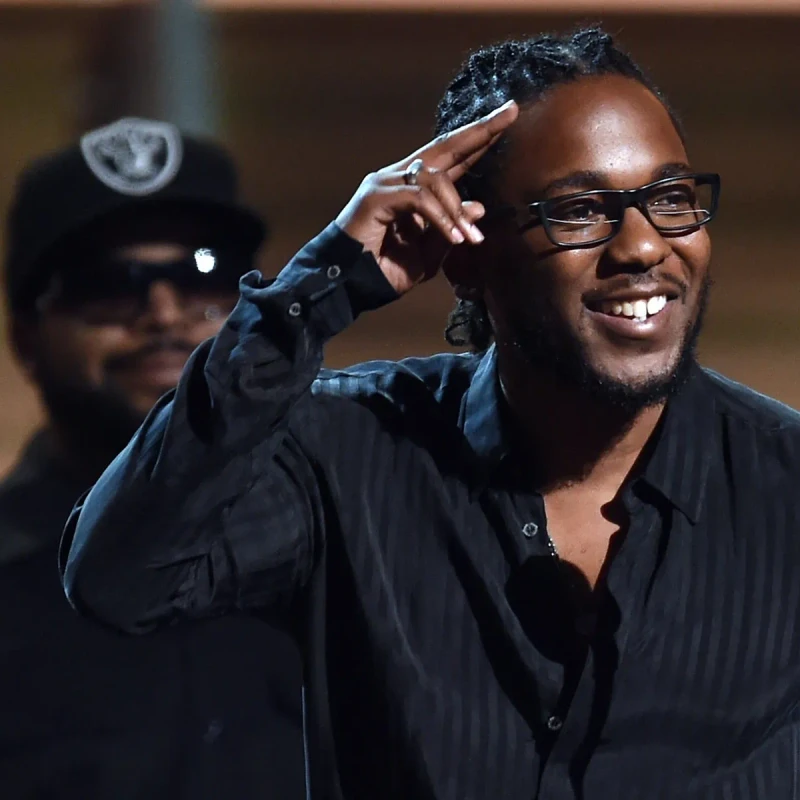
    The rap world is still buzzing from the intense lyrical showdown between Kendrick Lamar and Drake, and the fallout continues to generate headlines. Amidst the ongoing discussions, Joe Budden, a prominent voice in hip-hop commentary, has had to address speculation that he was paid by Top Dawg Entertainment (TDE) to support Kendrick Lamar.

    Setting the Record Straight

    On a recent episode of The Joe Budden Podcast, while discussing Drake’s upcoming album “ICEMAN,” Budden directly tackled rumors, notably fueled by Daylyt, suggesting he’s been financially compensated by TDE to favor Kendrick Lamar. Budden emphatically denied these claims, stating, “I am not being paid by TDE. I have never been paid by TDE. I’ve never been paid by any artist.”

    He further elaborated on his commitment to unbiased commentary, asserting, “I can’t be bought.” Budden explained that he receives numerous offers from record labels wanting to pay him to promote certain narratives, but he consistently turns them down, preferring to discuss topics on his own terms and in his own way. He stressed that being paid to promote something he doesn’t genuinely believe in would be a mistake.

    Budden’s Take on the Beef

    Budden acknowledged Daylyt’s point that his reporting might appear favorable to TDE, especially during Kendrick’s dominant performance against Drake. However, he clarified his personal stance, admitting, “Truth of the matter, I wanted to see all three of the ‘Big Three’ fail a little bit.” He expressed a desire to see artists like Kendrick, Drake, and J. Cole humbled, suggesting they could all benefit from a dose of “humble pie.”

    Looking ahead, Budden indicated that he’s ready to offer his honest assessment of Drake’s “ICEMAN” album. If the project lives up to its potential, he plans to be among the first to praise Drake’s ability to overcome challenges in what has been a particularly tough year for hip-hop.

    Maintaining Independence

    Joe Budden’s firm denial reinforces his reputation for independence in the often-complex landscape of music journalism and commentary. His commitment to speaking his mind, regardless of potential financial incentives, continues to be a hallmark of his platform.

    What are your thoughts on Joe Budden’s comments and his stance on the Kendrick Lamar vs. Drake beef? Share your opinions in the comments below!

  • Spotify’s Discovery Mode Accused of Payola in New Lawsuit

    Spotify is facing a new wave of legal challenges, this time accusing its popular Discovery Mode feature of operating as a “modern form of payola.” This latest class-action lawsuit, filed in New York on November 5, 2025, alleges that the tool functions as a deceptive “pay-for-play” system, allowing record labels and artists to secretly pay for promotion while misleading users about the authenticity of music recommendations.

    Accusations of Deceptive Practices

    The lawsuit claims that Spotify “exploits that trust by marketing itself as a platform that offers organic music recommendations… only to secretly sell those recommendations to the highest bidder.” This practice allegedly misleads users who believe the platform’s algorithms and curated playlists are based solely on their listening habits.

    Genevieve Capolongo, a Spotify subscriber, is spearheading the class-action lawsuit on behalf of millions of users. Her attorneys argue that despite years of using Spotify’s personalization features, she consistently heard major-label tracks that didn’t align with her listening preferences, suggesting commercial influence.

    Transparency and Disclosure Concerns

    The core of the lawsuit centers on how clearly Spotify discloses the mechanics of Discovery Mode. Introduced in 2020, this feature allows artists and labels to boost the visibility of their tracks in exchange for reduced royalty rates. While Spotify provides an “About Recommendations” link, Capolongo’s legal team contends that this explanation is insufficient.

    “Telling users that ‘commercial considerations may influence’ recommendations does not reveal which songs are being promoted commercially and which are being recommended organically,” the lawyers stated. “Without that specificity, users cannot distinguish between genuine personalization and covert advertising.”

    Broader Legal Landscape

    This lawsuit adds to a growing list of legal challenges against Spotify and major labels regarding streaming practices. Just days prior, Spotify faced a lawsuit concerning allegedly inflated Drake streams. Furthermore, a high-profile 2024 case involving Kendrick Lamar’s “Not Like Us” accused Universal Music Group of using bots and payments to artificially boost song popularity across platforms, including Spotify. Another recent lawsuit alleges Spotify has ignored fraudulent streams used to inflate artists’ numbers.

    Spotify’s Response

    Spotify has publicly refuted the claims in Capolongo’s lawsuit, calling them “nonsense” and highlighting inaccuracies. The company clarified that Discovery Mode is a feature enabling artists to flag priority tracks for algorithmic consideration in specific contexts like Radio, Autoplay, and certain Mixes. Spotify insists it “doesn’t buy plays, it doesn’t affect editorial playlists, and it’s clearly disclosed in the app and on our website.”

    What are your thoughts on Spotify’s Discovery Mode? Do you think it’s a fair promotional tool or a form of payola? Share your opinions in the comments below!