Tag: Patient Care

  • NYC Health + Hospitals Upgrades with Oracle Cloud

    America’s largest public hospital system, NYC Health + Hospitals, is embarking on a significant digital transformation aimed at modernizing its operations and enhancing patient care. The system is partnering with Oracle to replace its outdated and often disconnected technology systems with a unified, cloud-based platform.

    Replacing Patchwork Technology with a Unified Platform

    For years, NYC Health + Hospitals, which serves over a million New Yorkers annually across its hospitals, community health centers, and other facilities, has grappled with fragmented IT systems. This technological patchwork made essential tasks like sharing patient records between facilities, managing supply orders, and coordinating employee data incredibly complex and inefficient. The Oracle Fusion Cloud Applications suite will replace these disparate systems, integrating finance, supply chain management, and human resources functions into a single, cohesive platform.

    This move aims to streamline daily operations for the system’s more than 45,000 employees, allowing them to work within one system rather than juggling multiple incompatible software programs. The goal is to eliminate time-consuming manual processes and improve overall efficiency.

    Enhanced Security for Sensitive Medical Data

    The technology overhaul directly addresses critical security concerns associated with older healthcare systems. Legacy software and aging hardware often present vulnerabilities that could expose sensitive patient information. The cloud-based Oracle system offers advanced security measures specifically designed to protect medical data and ensure compliance with stringent healthcare privacy regulations like HIPAA. By moving to a unified cloud platform, the system also reduces its reliance on outdated equipment, minimizing security risks and maintenance burdens.

    Streamlining Operations for Better Patient Care

    The integration promises to free up healthcare workers from time-consuming administrative tasks, allowing them to dedicate more time to direct patient care. Automated processes for supply ordering, employee scheduling, and financial reporting will handle routine duties. Furthermore, real-time data sharing between departments is expected to improve care coordination, potentially reducing wait times and enhancing treatment outcomes for patients across the network.

    Data-Driven Decisions and Broader Implications

    The new system will provide administrators with comprehensive data insights previously unavailable, enabling more informed decision-making regarding resource allocation, staffing, and strategic planning. This holistic view can help identify areas for improvement and respond effectively to community health needs. The phased implementation, which began in November 2024 and continues through 2025, includes training programs and technical support to ensure a smooth transition for employees.

    This modernization effort is significant for public healthcare, potentially serving as a model for other systems facing similar technological challenges. By leveraging cloud technology, public healthcare networks can enhance operational efficiency and data capabilities, ultimately improving services for low-income communities. The ultimate goal is to transform the patient experience through unified records, streamlined scheduling, and proactive community health initiatives.

    What improvements do you hope to see in the NYC Health + Hospitals system with this Oracle upgrade? Share your thoughts in the comments below!

  • Wheelchair-Bound Woman Locked Inside Atlanta Clinic

    A distressing incident has come to light in Atlanta, where a woman reliant on a wheelchair alleges she was forgotten and locked inside a clinic after closing hours. Ankita Mackin, who has multiple sclerosis, found herself stranded on an exam table at the Hanger Clinic, unable to move without assistance.

    A Night of Fear and Isolation

    Mackin had visited the clinic for a brace-fitting appointment. Expecting staff to help arrange her transportation home after the appointment, she was left unattended. She reported seeing staff members walk past her room without checking on her before they eventually left the building, locking her inside. In her distress, Mackin had to risk further injury by crawling off the exam table to reach her phone charger.

    Unable to get a response after yelling for help, and with 911 calls going unanswered, Mackin resorted to FaceTime her daughters. Her daughters arrived shortly after, followed by Atlanta police and medical personnel. The ordeal left Mackin traumatized and questioning the safety protocols at a place meant for care.

    Questions of Negligence and Future Actions

    Mackin and her family are now seeking answers from the Hanger Clinic regarding how such an oversight could occur. Her daughter questioned the building’s security procedures, asking who was responsible for checking each room before locking up. Mackin later sought medical attention at Grady Hospital for injuries sustained during her attempt to escape.

    When approached for comment, the Atlanta clinic cited HIPAA laws, preventing them from discussing the specifics of Mackin’s case. It remains uncertain whether Mackin plans to pursue legal action against the clinic for the alleged negligence and the distress caused by the incident.

    What measures do you think clinics should have in place to prevent such incidents? Share your thoughts in the comments below!

  • Doctor’s Misdiagnosis Changed Her Patient Care

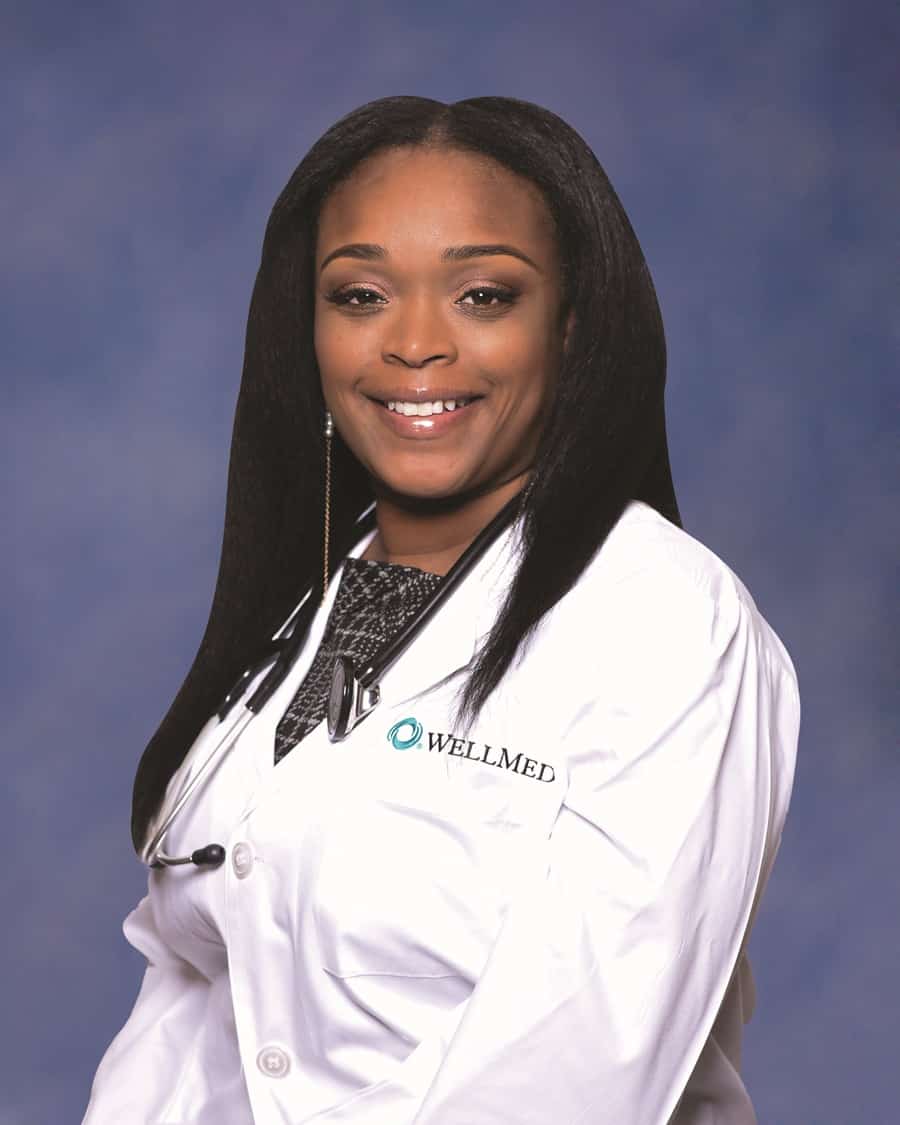
    Dr. Tamika Perry, a primary care physician and Associate Regional Medical Director in Texas, emphasizes the critical importance of listening to patients. Her own experience with a misdiagnosis, stemming from assumptions based on stereotypes, has deeply influenced her philosophy: “A lot of times, people are blinded by what they see in front of them instead of getting down to the root of being a clinician: you listen to the patient, you examine the patient, you hear their story.” This patient-centered approach, learned in medical school, has enabled her to identify serious conditions that others may have missed.

    Setting Aside Bias for Accurate Diagnosis

    Dr. Perry stresses that accurate diagnosis begins with clinicians setting aside biases related to race, gender, age, or socioeconomic status. She firmly believes that “Patients say all the time, ‘I know my body,’ and they are absolutely right.” The clinician’s role, she explains, is to apply medical knowledge to the patient’s narrative, combining the two for the correct diagnosis.

    She shared a personal encounter with a dermatologist who misdiagnosed her hair loss as traction alopecia, based on a stereotype about Black women’s hairstyles. When Dr. Perry tried to explain she didn’t wear tight braids or weaves, her concerns were dismissed. A second dermatologist, however, listened, ordered blood work and a scalp biopsy, revealing she had androgenetic alopecia, a genetic condition inherited from her father.

    The Impact of Implicit Bias in Healthcare

    Dr. Perry has witnessed firsthand how implicit bias affects the quality and urgency of care, from ER visits to routine checkups. She points to the persistent, disproven myth that Black patients have a higher pain tolerance, which can still influence treatment decisions. In one ER visit after returning from Thailand unwell, she was initially dismissed until she identified herself as “Dr. Tamika Perry” and presented her differential diagnosis, at which point her treatment immediately changed.

    “But not everybody has the luxury of saying, ‘I’m a doctor.’ We need to treat every patient appropriately and believe what they say,” she urged. Dr. Perry noted that even when she asked for pain management options, the doctor inquired about her preferences, something not always offered to other patients. “At the end of the day, I’m still Black, and bias affects the care we receive,” she added.

    Cultural Competence: More Than a Training Module

    For Dr. Perry, culturally competent care involves understanding a patient’s beliefs, priorities, and lived experiences. This includes respecting religious restrictions, like those of Jehovah’s Witnesses regarding blood products, and considering lifestyle factors, such as how hair care concerns might affect a Black woman’s willingness to take certain medications. “If a patient believes her blood pressure medicine is making her hair fall out… it doesn’t matter. If the clinician dismisses it, the patient won’t take the medicine. You have to address what matters to the patient,” she explained.

    She advocates for clinicians to immerse themselves in the communities they serve, learning the language and norms to adapt their approach without compromising medical standards. Her experience working in diverse neighborhoods—including underserved Black and Hispanic areas, middle-class suburbs, and LGBTQ+ communities—reinforced the importance of engaging with patients on a cultural level.

    Listening to How Patients Describe Symptoms

    While medical conditions may present biologically the same across races, the way patients describe their symptoms can differ. Dr. Perry cited a study finding that Black women reported fatigue with higher intensity and frequency before a heart attack compared to white women. “Too often, that’s dismissed as diet, exercise, or anxiety. Really, she’s telling you: ‘I’m about to have a heart attack,’” Dr. Perry warned. “Clinicians need to look past the face in front of them and listen to what’s actually being said.”

    Hope for the Future, with Continued Work Needed

    Dr. Perry is hopeful that younger clinicians, who receive more training on implicit bias, will make a difference. However, she cautions that bias is not exclusive to any single group and “we all have to recognize it.” She also notes that mistrust can be mutual, as some patients question the competence of physicians of color due to ingrained societal prejudice. “I’ve had patients surprised I was their doctor because I was Black. Some even said friends asked why they’d go to a Black doctor. That comes from decades of society teaching them not to trust us,” she shared. “It’s deeply ingrained, and changing it will take time, education, and consistent proof through care.”

    The statistics on health disparities are stark, illustrating the need for Dr. Perry’s approach. Studies show Black women have a higher death rate from breast cancer and receive CPR less frequently during cardiac arrests, not due to biology, but access and quality of care. “The data is clear: people of color get less CPR, Black women have worse outcomes in breast cancer—not because of biology, but because of access and unequal quality of care. We have to keep spreading the message: this is real,” Dr. Perry emphasized.

    A Message to Patients and Clinicians

    Dr. Perry offers simple yet powerful advice: To patients: “You are your own advocate. If you feel something is missed, speak up, get another opinion. No one loves you like you.” To clinicians: “Pretend every patient in front of you is your mother, father, brother, or sister. Treat them as you would treat your own loved ones. If you do that, you’ll do right by them.”

    What are your experiences with healthcare providers listening to your concerns? How can we foster more culturally competent care? Share your thoughts in the comments below!