Tag: Packages

  • USPS Adds 8% Surcharge on Packages

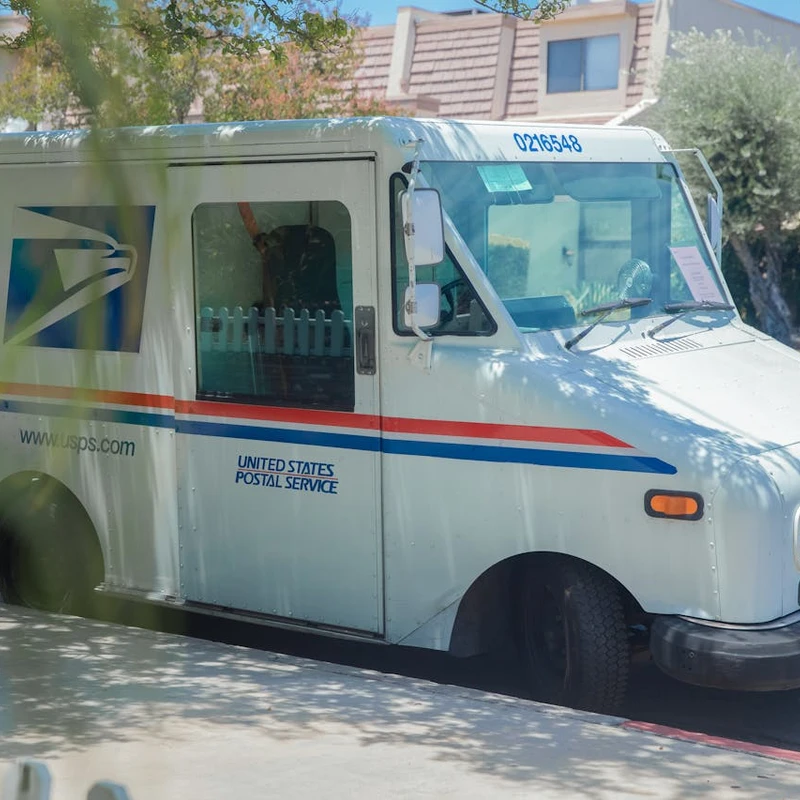
    Get ready for a change in your shipping costs! The United States Postal Service (USPS) is introducing an 8% surcharge on packages, a move driven by the significant increase in fuel prices. This marks the first time in the agency’s history that such a surcharge will be applied to deliveries.

    Why the Surcharge? Rising Fuel Prices

    The decision comes as oil prices have reached record highs, partly due to geopolitical issues in the Middle East and the U.S. government’s involvement in the Iran conflict. This surge in fuel costs has put a strain on the USPS’s operations, similar to challenges faced by competitors like FedEx and UPS, who have already implemented their own fuel surcharges.

    The temporary surcharge is set to begin on April 26, 2026, and is expected to remain in effect until January 2027. The Postal Regulatory Commission has approved this adjustment, which aims to help the USPS cover increased transportation-related expenses, including fuel, logistics, and vehicle maintenance.

    Financial Challenges and Potential Solutions

    This surcharge comes at a critical time for the USPS. Postmaster General David Steiner recently testified before Congress, admitting the agency faces long-term financial difficulties and is on track to run out of cash within a year without intervention. He stressed the need for increased borrowing capacity and higher stamp prices to ensure the Postal Service’s survival.

    Steiner also proposed cost-cutting measures, such as ending six-day-a-week deliveries, closing post offices, or raising first-class stamp prices from 78 cents to $1 or more. These changes could save billions annually but would significantly alter the postal service as we know it.

    Value Despite the Increase

    Despite the new surcharge, the USPS maintains that it continues to offer competitive value. In a statement, the agency noted that this charge is less than a third of what competitors charge for fuel alone. Even with the adjustment, the Postal Service aims to provide some of the lowest shipping rates globally.

    How will this new USPS surcharge affect your shipping habits? Share your thoughts and concerns in the comments below!

  • Trump Tariff Halts 80% of International Mail to U.S.

    Ever ordered something from overseas and had it arrive super fast? Well, that might be a thing of the past for many of us. A recent policy shift, often referred to as a ‘Trump tariff rule,’ has drastically impacted international mail heading to the United States, causing a massive 80% drop in deliveries.

    The End of the $800 Rule

    The core of the issue lies in the end of a long-standing rule that allowed packages valued under $800 to enter the U.S. without import taxes. This de minimis threshold made cross-border shopping incredibly convenient and affordable. However, the U.S. has now ended this exemption, requiring customs duties on even small, low-cost packages.

    This sudden change has thrown a wrench into the global postal system. According to the Universal Postal Union (UPU), a UN agency, shipments into the U.S. have plummeted by a staggering 80% since the policy change took effect at the end of August. Postal operators worldwide are scrambling to figure out how to handle the new customs duties.

    Carriers Hesitant, Services Suspended

    Many carriers are hesitant to absorb the new costs associated with these duties, and without a clear, streamlined process, international mail flow to the U.S. has slowed to a snail’s pace. In some cases, countries have even suspended their postal services to the U.S. until a workable solution can be implemented. It’s a significant disruption for global trade and everyday consumers.

    A Solution on the Horizon?

    The UPU is working on a solution to get things moving again. They’ve announced plans for a new system that would allow postal services globally to calculate duties right at the point of purchase. This involves a ‘landed-cost calculator’ linked to an online customs platform, enabling foreign postal operators to charge customers upfront for tariffs.

    This initiative aims to restore confidence in shipping to the U.S. and help retailers that rely on affordable cross-border shipping, especially those known for low-cost goods. Many of these platforms are already adjusting their prices or distribution strategies to cope with the new reality.

    The adjustment period highlights how one policy shift can disrupt international trade and everyday deliveries on a massive scale. — Baller Alert Analysis

    While the UPU is optimistic about its proposed solution, this situation serves as a stark reminder of how interconnected our global economy is and how quickly disruptions can occur. We’ll have to wait and see how quickly this new system is implemented and if it can truly restore the flow of international mail.

    Have you noticed delays in your international mail recently? What are your thoughts on these new tariff rules? Share your experiences in the comments below!