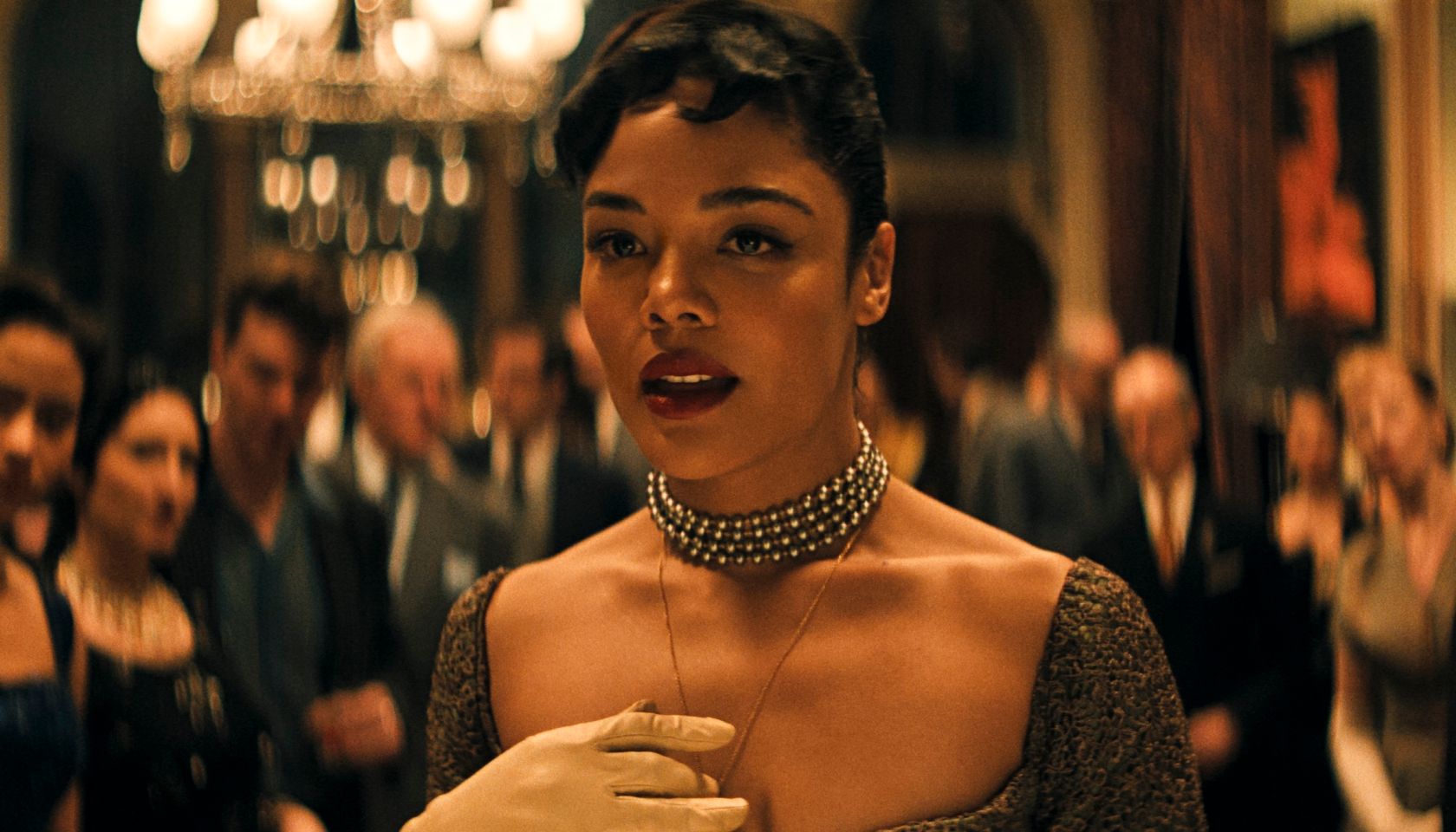
The Toronto International Film Festival (TIFF) recently showcased a powerful fusion of classic theater and contemporary cinema with Tessa Thompson and director Nia DaCosta’s ambitious take on Henrik Ibsen’s enduring masterpiece. This collaboration masterfully bridges the gap between 19th-century Norwegian drama and modern filmmaking, preserving the psychological complexity that has cemented the original work’s place in literary history.
A Creative Partnership Reimagined
This project marks the second collaboration between Thompson and DaCosta, building on a shared artistic vision that prioritizes character-driven stories and explores themes of personal agency within restrictive social structures. Their decision to tackle such a challenging classical adaptation underscores their commitment to pushing creative boundaries and engaging with material that offers significant dramatic and intellectual rewards. Premiering at TIFF places the film within a prestigious international cinema context, where adaptations of classic works often face intense scrutiny.
The creative team’s approach demonstrates a sophisticated understanding of how to reimagine classical works for contemporary audiences without sacrificing their essential thematic power. By setting the narrative in the 1950s, the filmmakers create a temporal bridge, allowing modern viewers to connect with historical contexts while maintaining relevance to current discussions about women’s autonomy and societal constraints.
Character Interpretation and Psychological Depth
Thompson’s portrayal of the titular character presents a significant acting challenge, requiring her to balance controversial actions with compelling psychological motivations. Hedda’s complexity has intrigued performers for over a century, and Thompson’s interpretation infuses the role with contemporary sensibilities. DaCosta’s direction highlights Hedda’s internal contradictions—her simultaneous desire for freedom and fear of liberation—creating a protagonist who is both alluring and dangerous.
The film delves into Hedda’s impulsive nature and reactive behavior, offering insight into how social repression can manifest destructively. This psychological framework helps contemporary audiences understand her actions within broader contexts of social constraint and personal frustration, themes that remain relevant across different eras. Thompson’s preparation involved extensive research, balancing respect for tradition with the development of her own unique perspective.
A Collaborative Filmmaking Approach
The ensemble nature of the production emphasizes how collaborative filmmaking can enrich individual performances. Thompson acknowledges the contributions of her co-stars, highlighting how collective creativity elevates artistic achievements. The casting of Nina Hoss and Imogen Poots alongside Thompson creates an ensemble with diverse acting backgrounds, adding layers that might not emerge from more uniform casting.
DaCosta’s directorial philosophy appears to favor collaborative creation over hierarchical control, allowing actors to contribute meaningfully to character and narrative interpretation. This approach often leads to more authentic and dynamic performances while maintaining directorial vision and thematic coherence. The adaptation’s organic development suggests a process of collective exploration rather than strictly predetermined artistic choices.
Historical Context Meets Contemporary Relevance
Setting the adaptation in the 1950s provides a specific historical context that resonates with modern discussions about women’s rights and social progress. This allows the filmmakers to explore the evolution of social constraints on women, while acknowledging that fundamental issues persist. The 1950s setting offers visual and cultural elements that enhance accessibility for modern audiences, maintaining relevance to ongoing conversations about gender equality.
The adaptation’s engagement with themes of female agency and social rebellion speaks directly to contemporary conversations about women’s roles. These themes transcend historical periods, gaining particular resonance when examined through different temporal lenses. The filmmakers’ use of historical context demonstrates a sophisticated understanding of how period settings can illuminate timeless themes and enhance narrative comprehension.
Artistic Innovation and Distribution Strategy
The creative team’s reimagining of the original ending reflects confidence in their interpretive vision while respecting the source material’s thematic integrity. Thompson’s portrayal of Hedda as someone desperate to live, rather than resigned to death, marks a significant philosophical shift, opening new possibilities for audience engagement. The film explores various forms of female empowerment and rebellion, offering contemporary audiences multiple perspectives on responding to social constraints.
The film’s distribution plan, encompassing both theatrical and streaming releases, aligns with contemporary industry practices to maximize audience reach. This dual-platform approach acknowledges diverse viewing preferences. The relatively quick transition from theatrical to streaming suggests confidence in the film’s ability to generate initial interest while leveraging streaming for sustained engagement. The October release timing strategically positions the film for awards season consideration.
Cultural Impact and Artistic Legacy
Thompson and DaCosta’s collaboration contributes to the ongoing conversation about how classical dramatic works can remain relevant through thoughtful reinterpretation. Their approach demonstrates that classical literature continues to offer valuable insights into human nature and social dynamics. The film’s focus on female agency and social constraint adds to a growing body of work examining women’s experiences across historical contexts, connecting them to contemporary issues.
The success of this adaptation could inspire further projects that bring classical literature to modern film audiences, potentially revitalizing interest in theatrical works and highlighting their relevance to contemporary storytelling. This project serves as a model for how filmmakers can respectfully engage with literary heritage while introducing fresh perspectives that enhance the original material’s impact.
What are your thoughts on this bold adaptation of a classic drama? How do you feel about reimagining historical works for contemporary audiences? Share your opinions in the comments below!