Tag: Newsletter 1

  • HBCU Students Shine at AI Innovation Challenge

    Imagine tackling real-world problems with cutting-edge artificial intelligence before you even graduate. That’s exactly what talented students from Historically Black Colleges and Universities (HBCUs) are doing, thanks to initiatives like the PROPEL Center’s Future of Tech Innovation Challenge. It’s a powerful testament to the bright minds emerging from these institutions.

    Morgan State Takes Top Honors

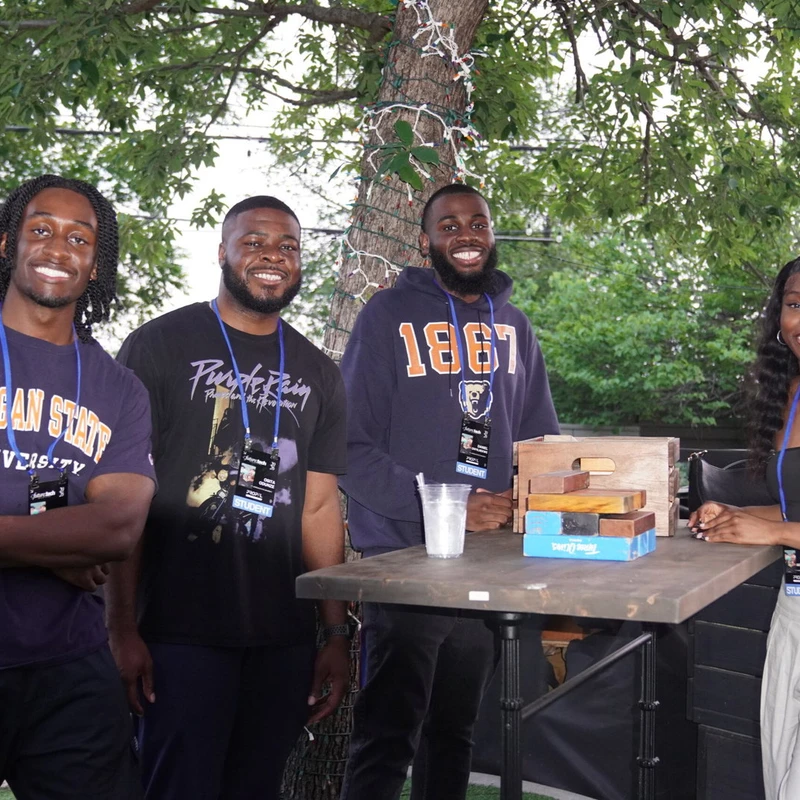
    The inaugural PROPEL Center Future of Tech Innovation Challenge saw teams from across the nation present their AI-powered solutions. Emerging victorious was the “Hax Lab” team from Morgan State University, who not only impressed judges but also secured a $35,000 prize. For Fikewa Akindolire, a rising junior and honors information systems major at Morgan State, the experience was invaluable.

    Akindolire, who aspires to be an AI/machine learning product manager, shared that the challenge reaffirmed her career goals. “Being able to see a product from inception all the way to fruition, prototyping and actually being able to pitch it—that’s exactly what I want to do,” she told BLACK ENTERPRISE. This hands-on experience is crucial for preparing students for the future of the tech industry.

    A Hub for HBCU Innovation

    Supported by tech giants like Apple and Southern Company, the PROPEL Center serves as a global hub dedicated to preparing HBCU students for careers in technology. The Future of Tech Innovation Challenge brought together 70 finalists from 17 HBCUs, who worked in teams to develop AI-driven solutions for sectors like education, energy, health, cybersecurity, and media technology.

    Harriette K. Burrell, Vice President of Operations and Chief Strategy Officer at PROPEL Center, highlighted the program’s mission: “We are building a new standard for HBCU innovation, one that positions students not just as learners, but as creators, problem-solvers, and future leaders in AI and technology.” The event underscored the potential of HBCU students to make significant contributions to the tech landscape.

    Recognizing Top Talent

    1. 1st Place: “Hax Lab” (Morgan State University) – $35,000
    2. 2nd Place: “The Planeteers” (Fisk University) – $25,000
    3. 3rd Place: “Team ABS” (Huston-Tillotson University) – $15,000

    The challenge wasn’t just about winning prizes; it was about fostering meaningful connections and building skills. Students networked with industry leaders, collaborated across disciplines, and gained invaluable experience presenting their ideas. This initiative, along with others like BLACK ENTERPRISE’s BE SMART HBCU Hackathon, plays a vital role in increasing the representation of Black professionals in the tech industry.

    As Burrell noted, the creativity and vision displayed by these students are inspiring, reinforcing the critical importance of investing in HBCU talent to shape the future leaders of technology. The “Hax Lab” team plans to use their winnings for investments, graduate school, business ventures, and supporting those experiencing homelessness, demonstrating a commitment to giving back.

    What are your thoughts on the innovative AI solutions developed by these HBCU students? Share your excitement for the future of tech in the comments below!
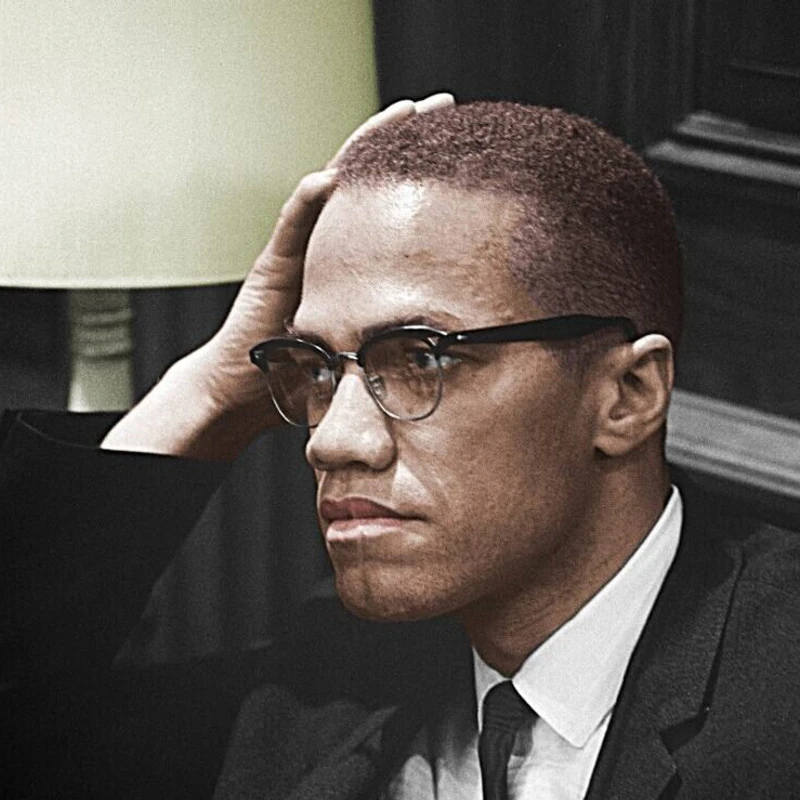
  • Malcolm X’s Vision for Black Liberation: A Centennial Look

    On what would have been his 101st birthday, we take a moment to reflect on the enduring legacy of Malcolm X. Born Malcolm Little on May 19, 1925, his journey from a young man scarred by racism to the influential figure El-Hajj Malik El-Shabazz remains a profound source of inspiration for Black liberation. His sharp critiques of systemic racism and his passionate calls for self-determination resonate deeply in today’s world.

    Forged in the Fires of Racism

    Malcolm’s early life was a harsh introduction to the realities of white supremacy. The discrimination faced by his family, including the loss of their home and the suspected murder of his father, Earl Little, laid bare the devaluation of Black lives in America. These early traumas, coupled with the subsequent challenges his mother faced, instilled in young Malcolm a powerful awareness of racial oppression.

    Transformation Through Education and the NOI

    His time in prison became an unexpected period of intense intellectual growth. Through self-education and the influence of fellow inmates, Malcolm discovered the teachings of Elijah Muhammad and the Nation of Islam (NOI). He shed the surname ‘Little,’ viewing it as a symbol of slavery, and adopted ‘X’ to represent his lost ancestral identity and the forging of a new consciousness.

    Initially concerned about the NOI’s slow growth, Malcolm became a driving force behind a massive recruitment effort. As a charismatic minister and the national spokesperson, he powerfully articulated a vision of Black self-defense, advocating for action ‘by any means necessary.’ This approach stood in contrast to the nonviolent strategies of the mainstream Civil Rights Movement, resonating with many Black Americans who felt marginalized.

    A Global Awakening: The Hajj and Beyond

    Malcolm’s intellectual and spiritual journey continued, marked by a transformative pilgrimage to Mecca in 1964. Witnessing Muslims of all races worshipping together led him to embrace Sunni Islam and adopt the name El-Hajj Malik El-Shabazz. This experience profoundly shifted his perspective on race and brotherhood.

    Following his Hajj, he founded the Muslim Mosque, Inc. (MMI) and the secular Organization of Afro-American Unity (OAAU). The OAAU, inspired by the Organization of African Unity, advocated for Pan-Africanism and Black self-determination on a global scale. Malcolm began framing the struggle for racial justice in the U.S. within the broader context of international anti-colonialism and human rights, even bringing the grievances of African Americans before the United Nations.

    I saw all races, all colors, blue screened and brown screened and black screened and white screened… displaying a spirit of unity and brotherhood like I have never witnessed before. — Malcolm X on his Hajj experience

    Enduring Relevance Today

    Nearly six decades after his assassination, Malcolm X’s legacy remains incredibly vital. In an era still grappling with stark racial disparities, his demand for equality and self-determination is more urgent than ever. The overrepresentation of Black individuals in the prison system, a statistic Malcolm fiercely critiqued, continues to highlight systemic injustices.

    His condemnation of police brutality and his assertion of the right to self-defense find resonance in contemporary calls for police reform. Debates surrounding Black history education and diversity initiatives also echo Malcolm’s insistence on historical truth and the importance of Black-led institutions. His vision of global Black solidarity continues to empower movements fighting for racial justice worldwide.

    Malcolm X’s enduring impact stems from his intellectual courage, his unwavering commitment to justice, and his remarkable capacity for growth. He challenged not only external oppression but also the internal limitations imposed by racism. On his 101st birthday, we honor a voice whose evolving vision for self-determination and liberation remains a powerful force in our pursuit of a more just world. Inshallah.

    How does Malcolm X’s vision continue to influence your understanding of Black liberation today? Share your thoughts in the comments below!

  • Charles Barkley Tackles Homophobia in Sports

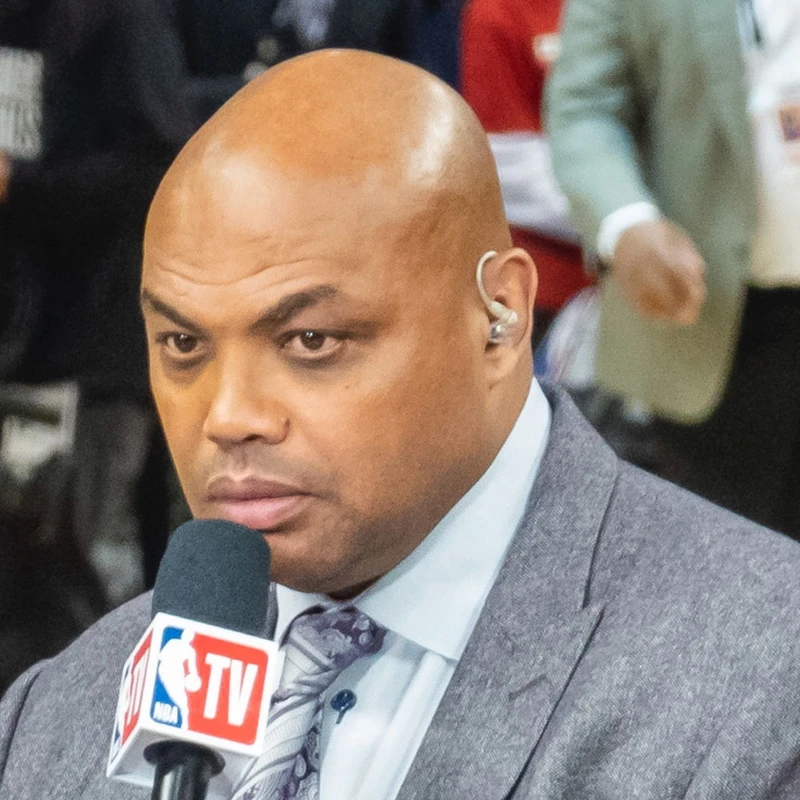
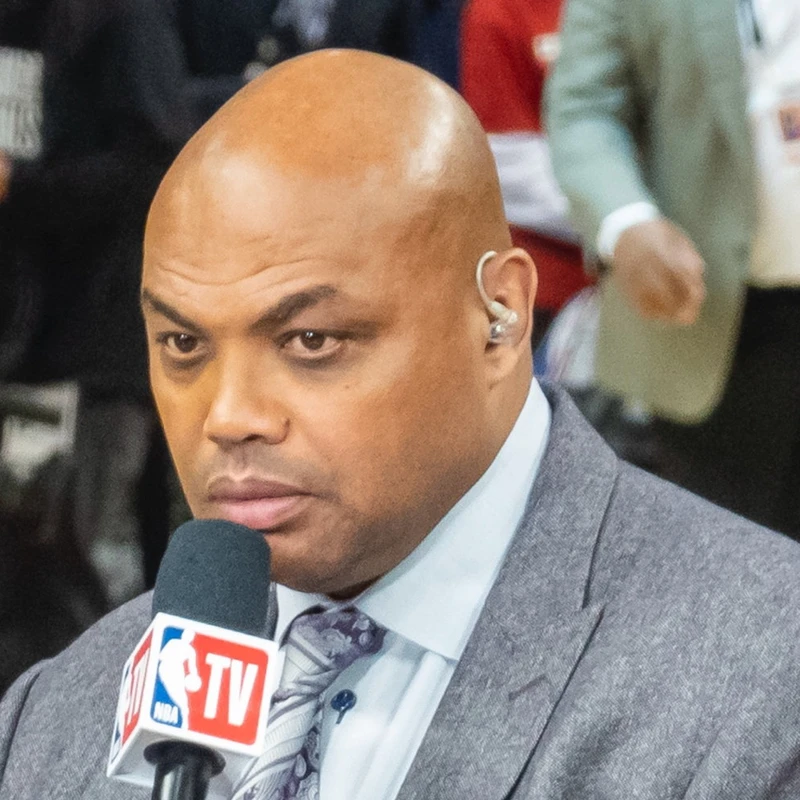
    In the wake of Jason Collins’ passing, NBA legend Charles Barkley didn’t shy away from a tough conversation. During a recent broadcast of ESPN’s ‘Inside the NBA,’ Barkley used the moment to reflect on the legacy of the league’s first openly gay player and to call out the persistent homophobia that still exists within professional sports.

    Honoring Jason Collins’ Legacy

    Jason Collins, who bravely came out in 2013 and became a pivotal figure for LGBTQ+ visibility in sports, recently passed away at 47 after a battle with brain cancer. Barkley took the opportunity to honor Collins’ courage and to address the uncomfortable truth about the climate for gay athletes in major U.S. professional leagues.

    Collins played 13 seasons in the NBA, known for his defensive skills and advocacy work. His decision to come out paved the way for greater acceptance, but as Barkley pointed out, the journey toward true inclusivity is far from over.

    Barkley’s Direct Message on Homophobia

    Barkley didn’t mince words, stating, ‘There is such animosity toward the gay community. That’s what’s really unfortunate.’ He went on to say that anyone who believes there aren’t more gay players in leagues like the NFL, MLB, and NBA is simply ‘stupid.’ This directness highlights the ongoing fear and prejudice many LGBTQ+ athletes still face.

    He specifically called out the societal tendency to be homophobic, noting that this prejudice exists even within parts of the Black community. Barkley’s commentary suggests that while society may not be ‘afraid of homosexuals,’ there’s a significant issue with intolerance and a resistance to LGBTQ+ visibility in mainstream culture, including sports.

    Sparking Debate and Discussion

    As expected, Barkley’s candid remarks ignited a debate. Many lauded the former NBA star for using his platform to advocate for LGBTQ+ athletes and challenge ingrained biases. However, some media outlets and commentators criticized his statements, labeling them as overly political and a diversion from honoring Collins’ passing.

    Regardless of the differing opinions, Barkley’s willingness to address homophobia head-on brings a crucial conversation to the forefront. It underscores the need for continued dialogue and action to create truly inclusive environments in the world of sports and beyond.

    What are your thoughts on Charles Barkley’s comments about homophobia in sports? Share your perspective in the comments below!

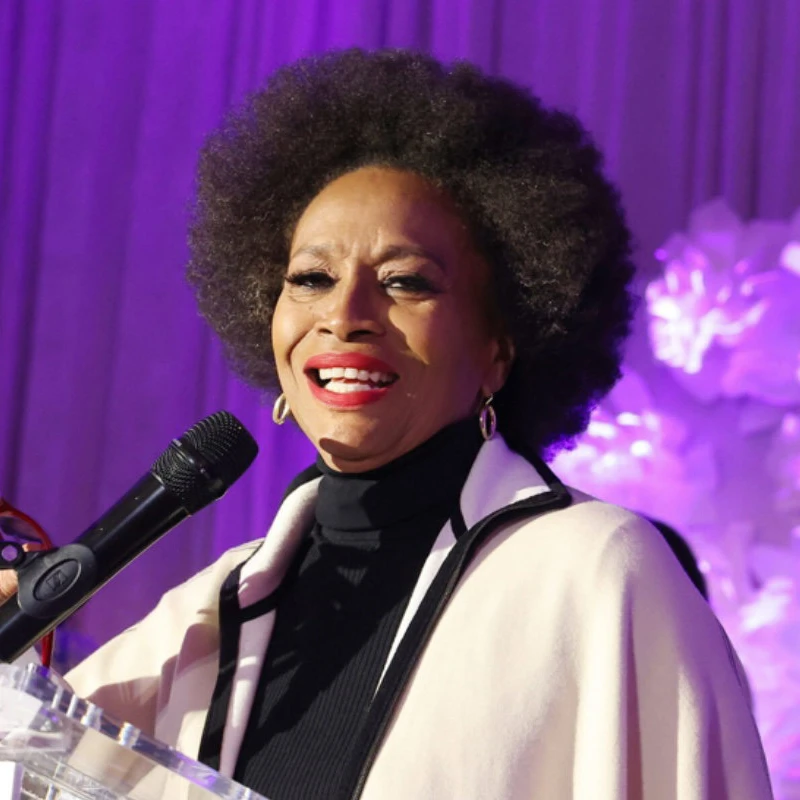
  • Jenifer Lewis Questions Met Gala Celeb Support

    The glitz and glamour of the Met Gala are facing some serious scrutiny, and actress Jenifer Lewis is leading the charge. She’s questioning why celebrities continue to flock to the high-profile fashion event, especially when it’s linked to billionaire Jeff Bezos and comes at a time when many Americans are struggling with financial hardship and corporate layoffs.

    Prioritizing Fame Over Financial Struggles?

    In a viral video clip, Lewis directly addresses the situation, asking, ‘How much fame do we need?’ She points out that despite the controversies and the economic challenges faced by working families, many entertainers still chose to attend the exclusive event. Lewis suggests this focus on celebrity culture overshadows more pressing issues.

    The annual Met Gala, held at the Metropolitan Museum of Art, is renowned for its A-list attendees. However, this year, the event’s extravagance was juxtaposed with public discussions about wealth disparity and corporate responsibility. The controversy intensified following the announcement of Bezos and Lauren Sánchez as honorary figures, especially in light of recent layoffs at Amazon and concerns about Bezos’ influence on media outlets like The Washington Post.

    A Chorus of Criticism

    Lewis wasn’t the only one raising eyebrows. Actress Taraji P. Henson also publicly expressed her confusion about celebrities attending the gala, given the current political and economic climate. The conversation quickly ignited across social media platforms, highlighting a growing divide in public perception.

    Supporters lauded Lewis for her candid remarks on wealth inequality and the role of celebrities in society, particularly during a time when many Americans are facing financial strain. Others, however, felt the criticism was misplaced, arguing that attending a long-established fashion and fundraising event shouldn’t be unfairly targeted.

    The Broader Conversation

    Lewis’s comments tap into a larger societal conversation about the responsibilities of the wealthy and famous. As events like the Met Gala continue to draw massive attention, questions about their alignment with broader social and economic realities are becoming increasingly prominent. It prompts us to consider where our priorities lie in a world facing significant challenges.

    What do you think about Jenifer Lewis’s critique of Met Gala attendees? Should celebrities be more mindful of societal issues when participating in high-profile events? Share your thoughts in the comments below!

  • Charles Barkley Slams ICE As ‘Travesty’

    Basketball legend Charles Barkley isn’t holding back his opinions on immigration policy. During CBS’ coverage of the NCAA Men’s Basketball Tournament, Barkley didn’t mince words, calling the current treatment of immigrants in America a ‘travesty and a disgrace.’

    A ‘Travesty’ for Immigrants

    Barkley’s strong statement came after a segment highlighting UConn star Alex Karaban and his family’s immigrant journey to the U.S. Barkley, while emphasizing his desire to be careful with his words on such a sensitive topic, expressed deep concern for how some immigrants are being treated. ‘What we’re doing to some of these amazing immigrants is really unfortunate and really sad,’ he stated.

    He drew a distinction between ‘amazing immigrants’ and ‘criminal immigrants,’ suggesting that the latter are often used as justification for policies that unfairly impact the former. Barkley stressed that immigrants have historically built this country and deserve admiration and respect.

    Using His Platform for Purpose

    Barkley’s willingness to address this issue on a national platform has drawn praise from various figures, including sports writers and actors. Sports writer Kelsey Nicole Nelson echoed the sentiment, sharing, ‘As I always say, “Use your platform for a purpose fueled by your passions.”‘ This highlights the impact athletes and public figures can have when they speak out on important social issues.

    While acknowledging that some immigrant stories, like Karaban’s, are positive, Barkley pointed out that many others face fear and uncertainty about their futures in the country. His remarks serve as a powerful reminder of the human element in immigration debates and the importance of empathy and fairness.

    What do you think about Charles Barkley’s comments on immigration? Do you agree that the treatment of immigrants is a ‘travesty’? Share your views in the comments below!

  • Bill Cosby Sells NYC Townhouse for $28 Million

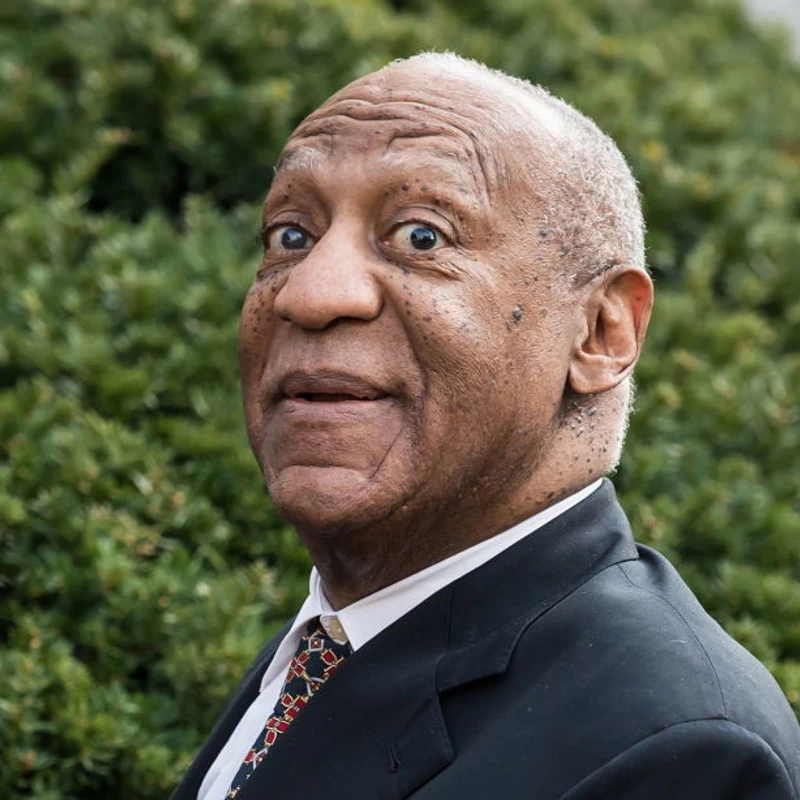
    In a significant real estate move, Bill Cosby has sold his Manhattan townhouse for a reported $28 million. This sale comes after the property was reportedly close to facing foreclosure, marking a dramatic turn of events for the controversial comedian.

    A Profitable Sale Amidst Financial Woes

    The townhouse, located on 71st Street on Manhattan’s east side, was initially listed by Cosby in September for $29 million. The final sale price of $28 million, closing on November 9, still represents a substantial profit. Cosby originally purchased the property in 1990 for $6.3 million.

    However, the sale was crucial in helping Cosby avoid foreclosure. According to reports, he and his wife, Camille, had taken out significant loans against the property, totaling $17.5 million. First Foundation Bank filed a lawsuit in December 2024, accusing the couple of defaulting on these loans, with alleged missed payments starting in June 2024.

    Multiple Loans and Property Tax Issues

    The situation was further complicated by claims of unpaid property taxes, reportedly exceeding $300,000. Adding to the financial strain, CitiMortgage also claimed Cosby defaulted on a separate $4.2 million loan, with the couple owing an additional $3.7 million plus interest and fees on that debt.

    The property had been on the market since April, initially listed for $6.9 million and later reduced to $6.75 million before the higher-priced sale was finalized. This $28 million transaction effectively resolved the immediate threat of foreclosure.

    Cosby has largely remained out of the public eye since his 2021 conviction for sexual assault was overturned by the Pennsylvania State Supreme Court. Despite these legal and financial challenges, the sale of the townhouse provides a significant financial resolution.

    What are your thoughts on Bill Cosby’s sale of his Manhattan townhouse? Share your perspective in the comments below!

  • Newsom’s Mixed Signals on Reparations

    California Governor Gavin Newsom is navigating the complex issue of reparations, recently sending mixed signals with his decisions on key legislation. While he approved a $6 million study aimed at exploring reparations, he simultaneously vetoed a bill that would have allowed colleges and universities to grant preferential admission consideration to descendants of slaves.

    Vetoing College Preference for Slave Descendants

    The vetoed bill, supported by the California Legislative Black Caucus, was part of a broader effort to combat decades of systemic discrimination in areas like housing, education, and the justice system. Democratic Assemblymember Isaac Bryan, the bill’s author, expressed deep disappointment, calling Newsom’s decision “more than disappointing,” especially in contrast to the Trump administration’s actions against diversity and inclusion initiatives.

    Newsom cited the bill’s “unnecessary” nature as his reason for the veto. He argued that universities already possess the authority to implement admissions preferences. Furthermore, he considered potential legal challenges, noting that critics believe such a bill could violate Proposition 209, which prohibits race-based considerations in state university admissions, especially following the U.S. Supreme Court’s 2023 overturn of affirmative action.

    California’s Commitment to Reparations Study

    Despite the veto, Newsom’s approval of the $6 million study signals a continued commitment to addressing the legacy of slavery and discrimination. This study is expected to delve into the historical harms and potential forms of reparations California might consider.

    Pushback Against Anti-DEI Agendas

    Newsom’s actions also come amidst heightened scrutiny of diversity, equity, and inclusion (DEI) initiatives, particularly following the Trump administration’s call for universities to abandon such programs. Newsom firmly stated that California universities would not conform to Trump’s demands, threatening immediate loss of state funding for any that signed onto the proposed “compact.”

    Moving Forward with Descendant Identification

    Meanwhile, the California State University system will proceed with developing procedures to identify descendants of slavery, as mandated by a bill authored by Democratic state Sen. Akilah Weber Pierson. This initiative also includes establishing a Bureau for Descendants of American Slavery to administer reparations. Weber Pierson described the law as representing “hope, responsibility, and a commitment to make right what was wrong for far too long.”

    What are your thoughts on Governor Newsom’s decisions regarding reparations and college admissions? Share your perspective in the comments below!