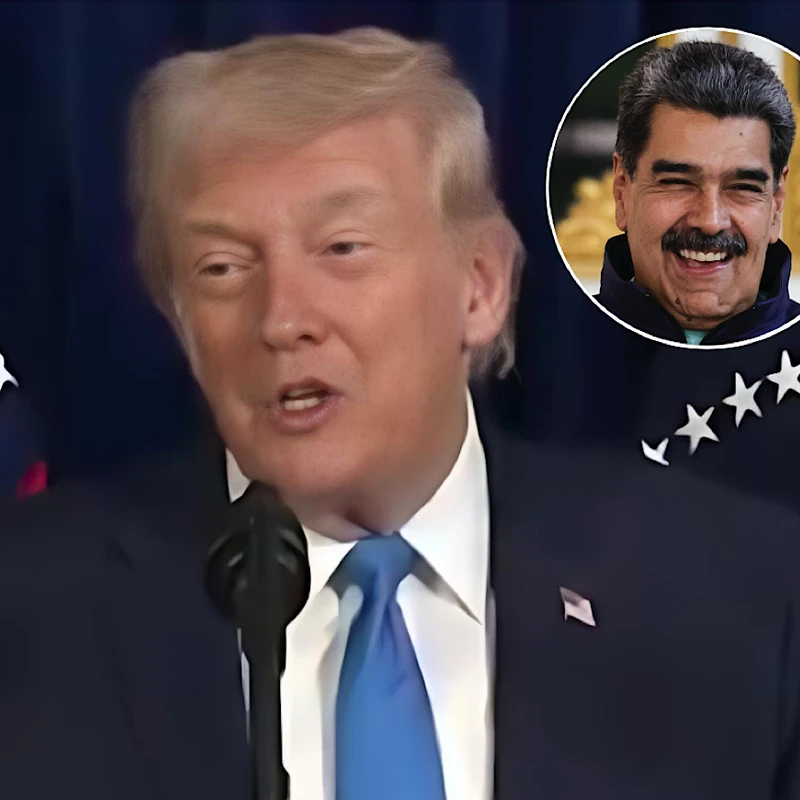
So, President Donald Trump has captured Venezuelan President Nicolás Maduro, and now he’s explaining why he didn’t bother asking Congress for permission first. His reasoning? Apparently, Congress is full of ‘leakers,’ and he’d rather not have sensitive mission details getting out. It’s a bold move that’s definitely raising eyebrows and sparking debate across the political spectrum.
Trump’s Justification: The ‘Leaker’ Argument
Following a U.S. military strike on January 3rd, 2026, which led to the capture of Maduro and his wife, Cilia Flores, President Trump held a press conference. When questioned about bypassing congressional approval, he, along with Secretary of State Marco Rubio, argued that such operations are sensitive law enforcement functions. Rubio stated that pre-notification could endanger the mission, making it impossible to ‘call people and tell them.’
Trump himself was more direct, stating, ‘Congress has a tendency to leak and we don’t want leakers.’ This sentiment suggests a deep distrust in Congress’s ability to maintain operational security, leading him to act unilaterally. He also declared that the U.S. would effectively ‘run’ Venezuela post-capture, adding another layer to the controversial action.
Congressional Leaders Speak Out
Unsurprisingly, many members of Congress were not pleased with being sidelined. Representatives like Jasmine Crockett (D-TX) expressed outrage, questioning the patriotism of Republicans who supported the President’s actions and highlighting the risks to U.S. troops, standing, and citizens. She pointed out the hypocrisy if the justification for capture was indictments, warning about the precedent it sets.
Maxine Waters (D-CA) voiced her confusion and concern, questioning the motives behind the abduction, especially given Trump’s recent pardon of former Honduran President Juan Orlando Hernández, a convicted drug trafficker. She pondered if the action was about regime change, oil, or simply a power play by Trump.
Concerns Over Hypocrisy and Precedent
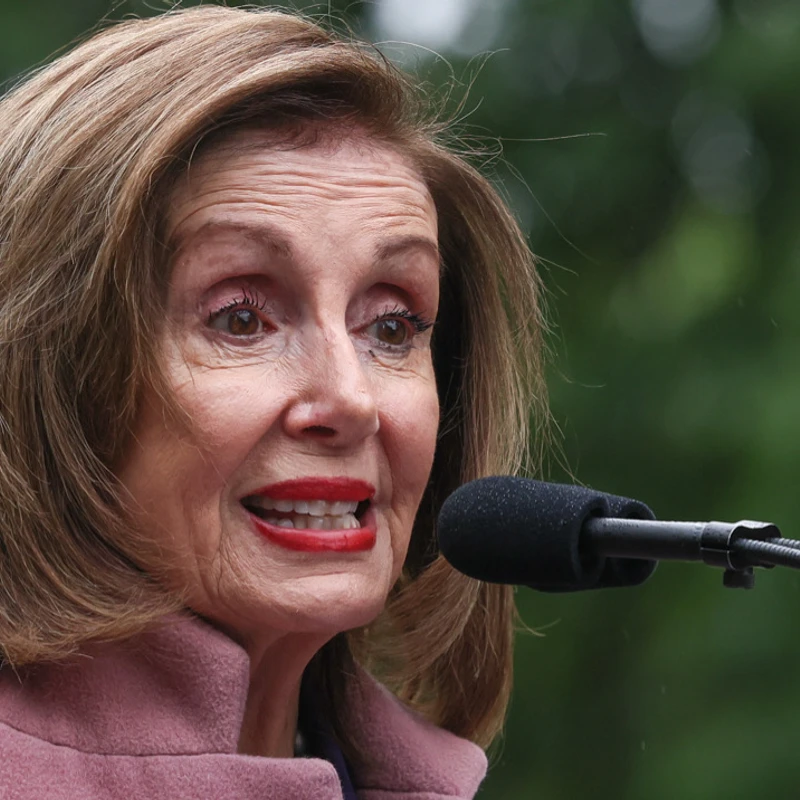
Alexandria Ocasio-Cortez (D-NY) echoed similar sentiments, arguing the move was about oil and regime change, not drugs, especially in light of the Hernández pardon. Nancy Pelosi (D-CA) emphasized that while Venezuela’s regime is illegitimate, the administration hadn’t proven an urgent national security threat to justify military force. She criticized Trump’s disregard for Congress’s Article One war powers, calling the pardon of Hernández hypocritical.
A Republican Voice of Dissent
Even some Republicans expressed reservations. Marjorie Taylor Greene (R-GA), while stating her support for combating narco-terrorism, questioned why action wasn’t taken against Mexican cartels if saving American lives from drugs was the priority. She also highlighted the perceived hypocrisy of pardoning Hernández while prosecuting Maduro and suggested the move was primarily about controlling Venezuelan oil supplies, potentially paving the way for intervention in Iran.
Greene further critiqued the double standard in international relations, questioning why U.S. military invasions are acceptable while similar actions by Russia or China are condemned. She concluded that many Americans are tired of endless military engagements and the diversion of taxpayer money abroad, especially when facing domestic economic challenges, suggesting a shift towards American economic populism in future elections.
What do you think about President Trump’s decision to bypass Congress in the capture of Nicolás Maduro? Share your views in the comments below!