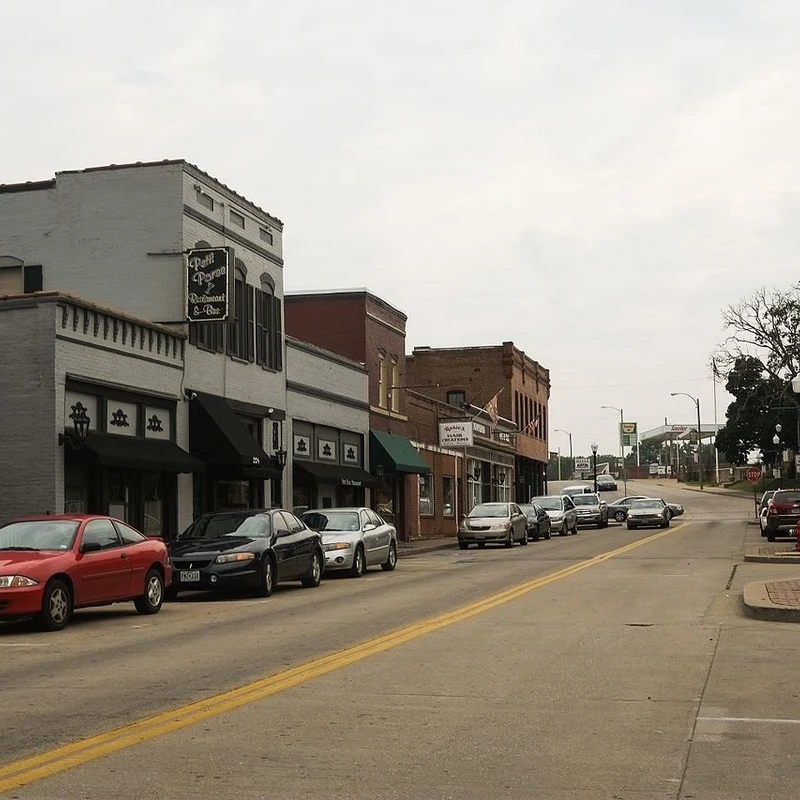
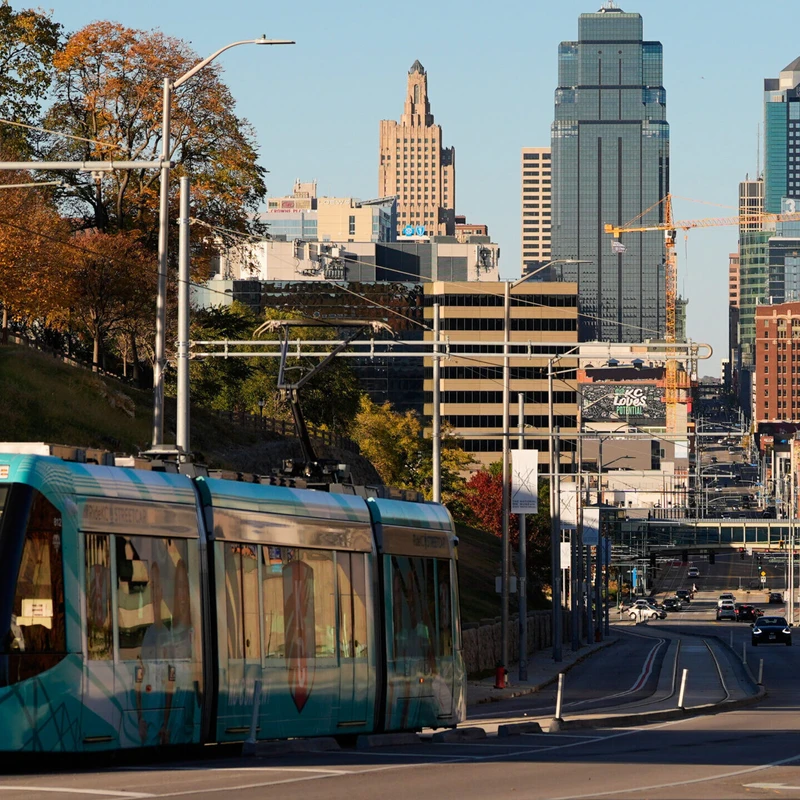
Imagine a historic Black neighborhood in downtown Kansas City, known for its rich baseball history and cultural attractions, suddenly being merged with a small, predominantly white farming community about 100 miles east. This is the reality for residents of Missouri’s 18th and Vine community and Boonville, thanks to a new congressional map passed by Missouri Republicans. This redrawing of districts, aimed at securing an additional GOP-leaning seat ahead of the 2026 elections, is forcing diverse communities to confront similar fears about their needs being overlooked.
Divergent Needs, Shared Anxieties
The priorities of these two areas couldn’t be more different. In Kansas City’s 18th and Vine district, leaders are focused on expanding the streetcar line to boost tourism for its historical sites. Meanwhile, Boonville residents are seeking federal aid to restore an old railroad bridge, aiming to enhance a popular cross-state bike trail. These distinct needs highlight how redistricting can fundamentally alter the federal projects and funding priorities that representatives pursue.
The Impact on Representation
The new map specifically targets Democratic U.S. Rep. Emanuel Cleaver’s Kansas City district, carving out parts of it and extending it into Republican-dominated rural areas. This often leads to a dilution of representation, where the unique concerns of urban and rural constituents can clash. Robert Sylvan, an 81-year-old Kansas City resident, worries that the ‘whole set of dynamics that impact us’ could be upended, a sentiment echoed across the political spectrum.
Concerns About Being Forgotten
Even with deep political polarization, there’s a bipartisan understanding that such drastic boundary changes can leave communities feeling forgotten. Republican state Rep. Tim Taylor, who represents the Boonville area, acknowledges that farmers in his district felt Cleaver didn’t fully understand their needs. The challenge for any potential challenger in this redrawn district will be balancing the vastly different priorities of urban Kansas City and rural Missouri.
For residents of the 18th and Vine district, there’s a palpable fear that their cultural heritage and development needs might be sidelined. Bob Kendrick, president of the Negro Leagues Baseball Museum, expressed concern that the area, which Cleaver has championed since 1989, could be ‘forgotten’ if representation shifts away from its specific interests.
Beyond Urban vs. Rural: Demographic Shifts
The demographic differences are stark. While the 18th and Vine area is over 64% Black, Boonville’s Black population is less than 11%. This shift could potentially alter the state’s congressional makeup, moving from two seats held by people of color to just one. Non-Hispanic white residents, who make up 62% of Missouri’s population, would hold 88% of the congressional seats. Emanuel Cleaver III voiced concerns that representatives might lack understanding of urban contexts and the experiences of people of color.
Differing Perspectives on Key Issues
Even on issues like healthcare, the perspectives diverge. For an 18th and Vine resident, healthcare cuts might mean struggling rural hospitals, while for others, it’s about the millions of Americans lacking insurance – a reality nearly twice as common in the Kansas City neighborhood compared to Boonville. Other disparities include transportation access, with buses running frequently in 18th and Vine versus scheduled services in Boonville, and differing views on gun control legislation.
The historical significance of the 18th and Vine area, a hub for jazz, barbecue, and the birthplace of the Negro National League, has been revitalized through significant public and federal investment, largely spearheaded by Cleaver. The concern now is whether a representative focused on rural priorities will continue to champion these urban development projects and cultural institutions.
Tourism and Revitalization in Boonville
In contrast, Boonville’s revival is largely tied to the Katy Trail, a 240-mile biking trail that has revitalized the town. Local leaders are pushing for federal funding to restore the historic 1932 railroad bridge, which would create a more direct route for cyclists. This project, like the development in 18th and Vine, relies heavily on federal investment, highlighting a shared dependence on Washington despite differing local needs.
How do you think this merging of diverse communities under new district lines will impact representation in Missouri? Share your thoughts on the challenges and potential outcomes in the comments below!