Tag: Middle East

  • Iran Rejects Trump Ceasefire, Sets Own Terms

    In a defiant stance, Iran has rejected a ceasefire proposal put forth by former President Donald Trump, signaling a deepening divide as regional conflict escalates. Instead of accepting the terms, Iranian officials have laid out their own conditions for any potential resolution, making it clear that a simple cessation of hostilities is not enough.

    Iran’s Demands for Resolution

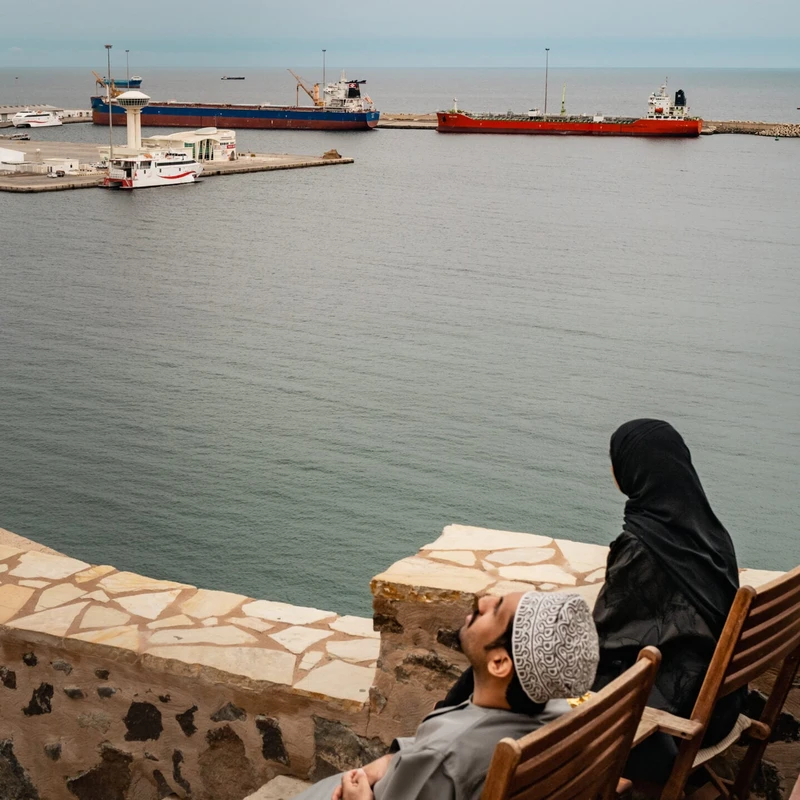
    According to reports from Iranian officials, the government will not consider a ceasefire unless several key demands are met. Chief among these are compensation for war damages and, crucially, formal recognition of Iran’s sovereignty over the Strait of Hormuz. This vital global shipping route, which carries approximately 20% of the world’s oil and gas, is a major point of contention.

    Under international law, the Strait of Hormuz is considered a shared waterway, and no single country holds exclusive legal authority over it. Iran’s insistence on sovereignty highlights the significant gap in diplomatic efforts between the two sides.

    Escalating Military Activity and Concerns

    This rejection comes amidst intensified military operations. Israel has reportedly increased its actions against Iranian targets and Hezbollah forces in Lebanon. In response, the United States has bolstered its military presence in the region, deploying additional Marines and Army personnel as a precautionary measure amid rising tensions.

    Within Iran, leadership remains firm. The speaker of the Iranian parliament has warned that adversaries might be preparing for further escalation, including the potential occupation of Iranian territory. This reflects deep-seated concerns about the expanding scope of the conflict.

    Humanitarian Impact and Economic Consequences

    The ongoing hostilities are already taking a toll on civilians. Recent strikes in Tehran have damaged residential areas, with reports of casualties following attacks on buildings in neighborhoods like Shahrak-e Gharb. The destruction underscores the severe human cost of the conflict.

    The Strait of Hormuz remains a critical focal point. Any disruption to this key artery for global oil supplies could trigger significant international economic repercussions. With both Iran and the opposing forces holding firm positions and military activity on the rise, a clear path toward de-escalation is not currently visible, raising concerns about prolonged instability in the region.

    What are your thoughts on Iran’s conditions for a ceasefire? How do you see the conflict in the Middle East evolving? Share your perspective in the comments below!
  • IEA: Work From Home Amid Oil Crisis

    The global oil market is facing a significant crisis, with prices surging due to ongoing conflict in the Middle East. In response, the International Energy Agency (IEA) has released a set of immediate recommendations for governments, businesses, and individuals to help curb rising oil demand and mitigate the impact of this escalating situation.

    Urgent Measures to Combat Oil Demand

    On March 20, 2026, the IEA outlined ten key actions to address the growing energy crisis. These include encouraging people to work from home, reducing highway speed limits by at least 6 miles per hour, promoting carpooling, and cutting down on air travel. The agency specifically highlighted that reducing business travel could quickly alleviate pressure on jet fuel demand.

    Other suggestions involve shifting to electric cooking where feasible and transitioning from liquid petroleum gas (LPG) to biofuels or gasoline-powered vehicles. These measures aim to provide a practical ‘menu’ of options to help shield consumers from the severe impacts of the crisis.

    The Impact of Middle East Conflict

    The current energy crisis has been significantly exacerbated by military strikes on Iran, leading to one of the largest supply disruptions in the history of the global oil market. Brent crude, the international oil benchmark, briefly neared $120 per barrel before settling around $106 on March 20, following an attack on a major liquefied natural gas facility in Qatar.

    The war in the Middle East is creating a major energy crisis, including the largest supply disruption in the history of the global oil market. In the absence of a swift resolution, the impacts on energy markets and economies are set to become more and more severe. — Fatih Birol, IEA Executive Director

    IEA Executive Director Fatih Birol emphasized the severity of the situation, warning that without a quick resolution to the conflict, the consequences for energy markets and economies will only worsen. This guidance has been issued to IEA member countries, including the U.S., U.K., and Australia, urging immediate action.

    Government and Household Actions

    Governments worldwide are already implementing measures to manage the crisis. Countries like Austria and Greece are capping fuel retailers’ profits, while the U.K. is providing financial aid for heating oil costs. Many governments have also restricted official travel and launched public campaigns to encourage reduced energy consumption. These collective efforts aim to navigate this challenging period.

    How are you adapting to the current oil crisis? Share your tips for saving energy and reducing travel in the comments below!