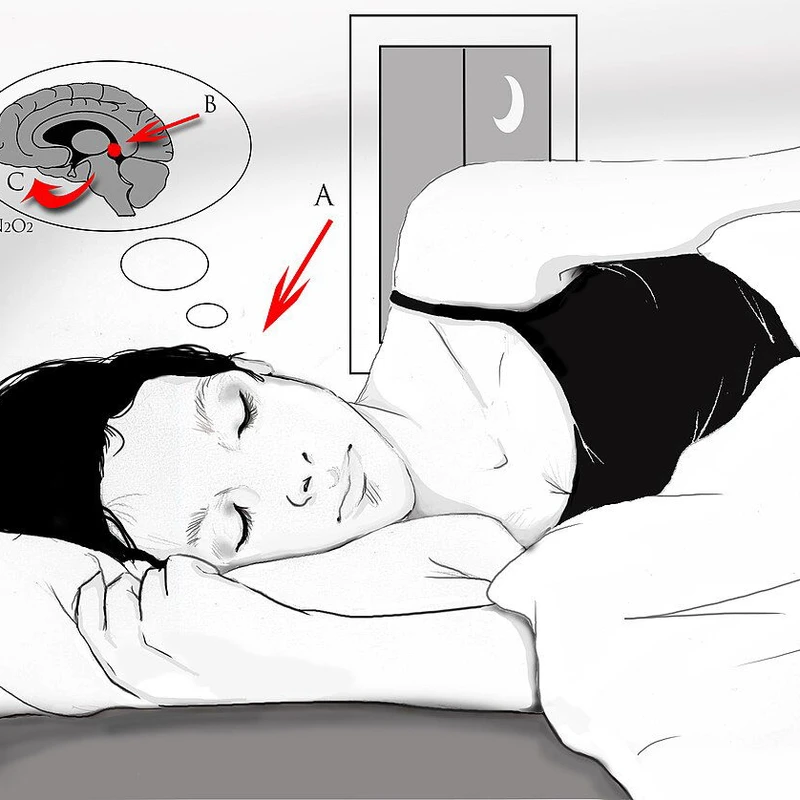
That popular sleep aid you might be taking could come with unexpected risks. A preliminary study presented at the American Heart Association’s Scientific Sessions 2025 suggests a concerning link between long-term melatonin use and an increased risk of heart failure.
Provocative Findings on Heart Health
The study, which reviewed medical records of thousands of adults with chronic insomnia, found that those who took melatonin for a year or longer had a staggering 90% higher risk of developing heart failure within the subsequent five years compared to individuals with insomnia who did not use the supplement. These findings are particularly striking given the widespread perception of melatonin as a safe, natural sleep aid.
Dr. Muhammad Rishi, an associate professor of clinical medicine and spokesperson for the American Academy of Sleep Medicine, who was not involved in the study, described the findings as “provocative” and warranting attention. He noted that while the results are significant, the study’s observational nature and reliance on electronic health record data limit its ability to establish a definitive cause-and-effect relationship.
Understanding Melatonin and Heart Failure
Melatonin is a hormone naturally produced by the pineal gland, playing a crucial role in regulating the body’s sleep-wake cycle. Synthetic versions are commonly used to treat insomnia. Heart failure, on the other hand, is a condition where the heart struggles to pump enough oxygen-rich blood to the body’s organs, affecting approximately 6.7 million adults in the United States, according to the 2025 Heart Disease and Stroke Statistics.
Dr. Ekenedilichukwu Nnadi, the lead research author and chief resident in internal medicine at SUNY Downstate/Kings County Primary Care, expressed surprise at the consistent and significant increases in serious health outcomes observed, even after accounting for various factors. He highlighted that the study’s results were striking, especially considering the common belief in melatonin’s safety.
Study Limitations and Future Research
It’s important to note that this study has not yet undergone peer review or formal journal publication. Researchers are scheduled to present their findings at the American Heart Association’s Scientific Sessions 2025 in New Orleans, taking place from November 7–10. While the results are concerning and suggest a need for caution, further research is necessary to confirm these findings and understand the potential mechanisms behind this observed link.
This preliminary research challenges the notion of melatonin as universally benign and underscores the importance of discussing sleep aid usage with healthcare providers, especially for individuals with pre-existing heart conditions or chronic insomnia.
What are your thoughts on this study linking melatonin to heart failure risk? Have you experienced any side effects from sleep aids? Share your experiences in the comments below!
