Tag: Masculinity

  • Social Media Distorts Masculinity for Boys: Report

    The digital landscape is profoundly influencing how young people develop their identities, and a recent report from Common Sense Media highlights a concerning trend: social media content is often presenting a distorted view of masculinity to teenage boys. The study indicates that a significant portion of adolescent males are regularly exposed to material that equates masculinity with dominance, wealth, and physical power, potentially impacting their emotional well-being and sense of self.

    Problematic Gender Roles on Social Media

    The report found that nearly three out of every four teenage boys (ages 11-17) encounter social media content that links masculinity to controlling others, or views romantic attention as a measure of status. More than two-thirds of respondents reported coming across posts that promote problematic gender roles. Michael Robb, director of research at Common Sense Media and the study’s lead author, explained the significance of these findings.

    Robb noted the crucial role of algorithms in shaping adolescent identity during this formative period. He expressed particular concern about the potential link between digital misogyny and real-world violence, suggesting that the normalization of negative messages about women and girls online could contribute to offline aggression. While the study didn’t establish a direct causal link, Robb acknowledged that the impact might be underestimated, as individuals holding these views might be less likely to admit to emotional struggles or vulnerability in surveys.

    Parental Guidance and Media Literacy

    Clinical psychologist Melissa Greenberg, who was not involved in the research, advised parents to anticipate their children’s exposure to such content, even with monitoring efforts. “Even if we monitor and limit what our kids see at home, they will be exposed to content we are not aware of in other settings, and through friends and peers,” Greenberg told CNN. This underscores the importance of open communication.

    Experts recommend that parents engage in open, non-judgmental conversations with their teenage sons about their online experiences. Robb suggests a simple yet effective approach: asking boys directly about their media consumption. “One secret tip is that kids are actually quite excited to talk about their media use,” he added. Furthermore, Common Sense Media advocates for enhanced media literacy education to equip young people with the skills to identify bias and critically evaluate online content.

    How can parents and educators better guide young boys in navigating social media’s influence on masculinity? Share your strategies and thoughts in the comments below!

  • Kendrick Sampson on Masculinity and Activism

    Actor Kendrick Sampson, known for his roles in ‘Insecure’ and his passionate advocacy, recently sat down with Kiara Walker on the xoMAN podcast for a candid discussion about masculinity, purpose, identity, pleasure, and polyamory. Sampson shared how his spiritual and political awakening has profoundly reshaped his understanding of manhood, relationships, and power.

    Redefining Masculinity Beyond Harmful Norms

    Growing up in Texas, Sampson initially absorbed harmful messages about masculinity, associating it with power, abuse, or violence. However, his personal journey has led him to challenge these traditional views. “It doesn’t have to be,” he stated, emphasizing that masculinity can be defined through connection and purpose. He now sees it as “being in the right relationship with your environment, really. Fulfilling your function. It’s understanding your place in the grand scheme of things.”

    Sampson advocates for exploring masculine and feminine energies as divine and spiritual concepts, rather than rigid definitions. “I think masculine and feminine are divine. I think it’s a spiritual thing. I think that it’s not defined how we think it is. I think it’s something that should be explored for the rest of our lives,” he shared, encouraging a lifelong journey of self-discovery.

    Intentionality in Action and Storytelling

    Through his work in storytelling and activism, Sampson urges listeners to be intentional about how they present themselves to the world. He believes individuals have the power to influence their environment, stating, “You can make your environment less healthy, or you can make it more healthy… I think this is literally being a man. What is your place, and what’s your function right now?”

    Sampson also reflected on the power of mystery, faith, and freedom, suggesting that some profound aspects of life, like God, love, and peace, cannot be fully understood or proven through science alone. His insights encourage a deeper contemplation of life’s complexities beyond empirical evidence.

    What are your thoughts on Kendrick Sampson’s perspective on masculinity and challenging traditional norms? How do you define masculinity in your own life? Share your insights in the comments below!

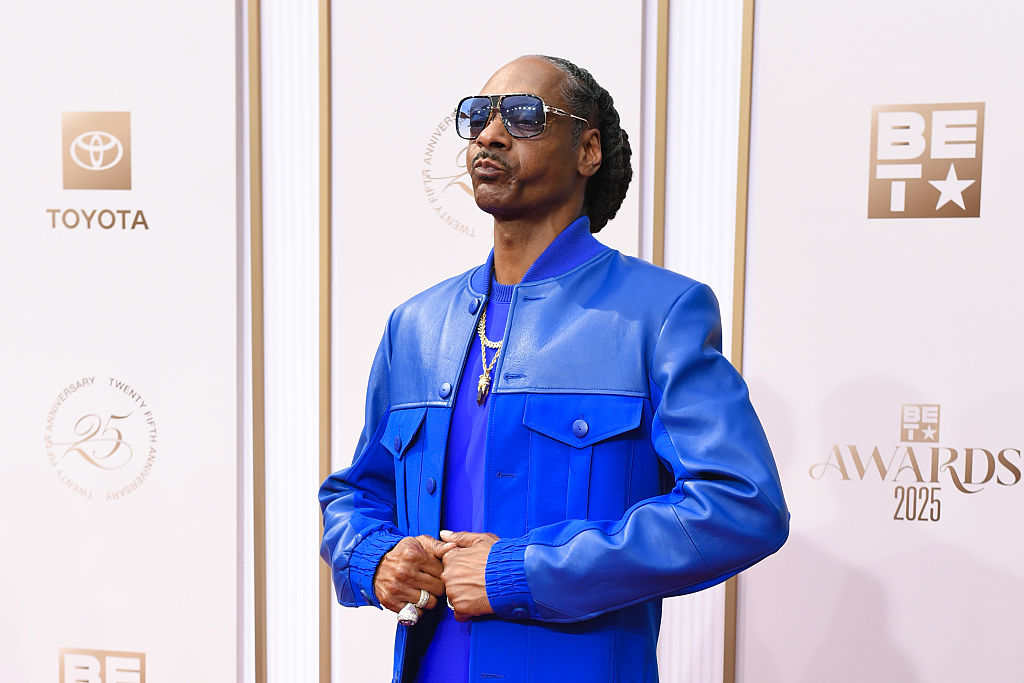
  • Snoop Dogg Expresses Discomfort with LGBTQ+ Film Representation

    Rapper Snoop Dogg has voiced discomfort regarding the increasing presence of LGBTQ+ representation in movies, stating he feels “scared” to go to the movies now. The hip-hop icon shared his feelings during a recent episode of Dr. Sarah Fontenot’s “It’s Giving” podcast, particularly referencing his experience taking his grandson to see the Disney Pixar film ‘Lightyear’.

    A Grandfather’s Dilemma

    Snoop Dogg recounted how his grandson questioned the depiction of a same-sex couple in ‘Lightyear.’ “They’re like, ‘She had a baby — with another woman.’ Well, my grandson, in the middle of the movie is like, ‘Papa Snoop? How she have a baby with a woman? She’s a woman!’” Snoop recalled. He expressed surprise at the inclusion, stating, “I didn’t come in for this sh**t. I just came to watch the goddamn movie.”

    The rapper felt unprepared to answer his grandson’s questions about same-sex parenting, admitting, “I’m like, scared to go to the movies. Y’all throwing me in the middle of sh**t that I don’t have an answer for.” He further elaborated that such content “threw me for a loop” and questioned the appropriateness of introducing these themes to young children at that age.

    Concerns About Masculinity in Media

    Beyond his comments on LGBTQ+ representation, Snoop Dogg also shared his views on the portrayal of masculinity in modern media. He claimed that “masculinity is being taken out of men” and pointed to commercials and TV shows where he feels Black men are not depicted as strong as they could be.

    While acknowledging the value in showing different facets of Black manhood, Snoop emphasized the importance of maintaining a strong, foundational image of masculinity for reproduction and generational continuity. He concluded by highlighting his role as a grandfather to ten grandchildren, reinforcing his perspective on traditional gender roles.

    What are your thoughts on Snoop Dogg’s comments about LGBTQ+ representation and masculinity in media? Share your opinions in the comments below!