Tag: Marathon

  • Africans Shatter Records in London Marathon

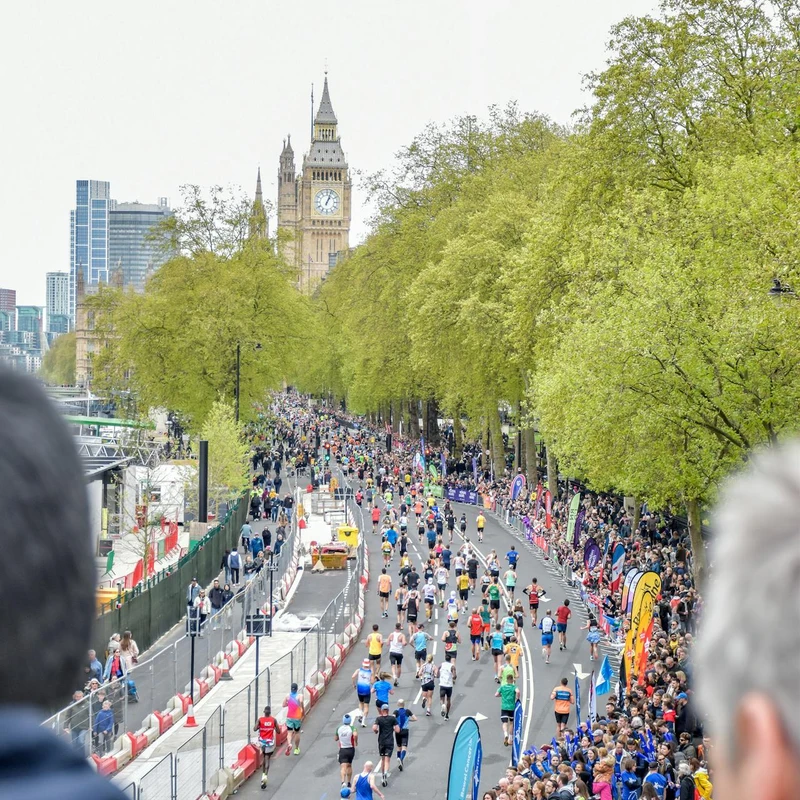
    History was made on the streets of London this past weekend! For the very first time, two African men have officially broken the two-hour barrier in a marathon. This incredible achievement shatters previous records and marks a monumental moment in long-distance running.

    A New Era for Marathon Running

    Kenya’s Sabastian Sawe crossed the finish line first with an astonishing time of 1 hour, 59 minutes, and 30 seconds. This performance obliterated the prior world record of 2 hours and 35 seconds, set by Kelvin Kiptum at the 2023 Chicago Marathon. Hot on his heels was Ethiopia’s Yomif Kejelcha, who secured second place with a time of 1 hour, 59 minutes, and 41 seconds in his London Marathon debut.

    Uganda’s Jacob Kiplimo also put in a stellar performance, finishing third at 2 hours and 28 seconds. All three elite African runners surpassed Kiptum’s three-year-old record, showcasing the incredible talent and dedication emerging from the continent.

    Women’s Records Also Fall

    The incredible performances weren’t limited to the men’s race. The women’s marathon also saw record-breaking times. Ethiopia’s Tigst Assefa won the women’s race with a blistering 2 hours, 15 minutes, and 41 seconds. This time not only won her the race but also set a new world record for a women-only marathon.

    While Assefa narrowly missed the overall fastest women’s time (set in a mixed race), her performance is a testament to her hard work and speed. Kenya’s Hellen Obiri finished just 12 seconds behind Assefa, marking a personal best in her first London Marathon. Joyciline Jepkosgei, also from Kenya, secured third place, finishing only two seconds behind Obiri.

    A Look Back at Sub-2 Hour Attempts

    It’s worth remembering that Eliud Kipchoge, a Kenyan marathon legend, previously ran a marathon under two hours in 2019 during the specially designed “1:59 Challenge.” However, that time didn’t officially enter the record books as it wasn’t a standard competition race. The recent London Marathon performances, however, were official and have now set new benchmarks for the sport.

    What comes today is not for me alone, but for all of us today in London. — Sabastian Sawe

    What are your thoughts on these incredible marathon records? Were you watching the London Marathon? Share your reactions and favorite moments in the comments below!


  • Sawe Breaks Marathon Record, Emphasizes Clean Sport

    History has been made on the streets of London! Kenyan runner Sabastian Sawe has officially shattered the two-hour marathon barrier, crossing the finish line at the 2026 TCS London Marathon with an incredible time of 1:59:30. This monumental achievement marks the first time anyone has officially broken the two-hour mark in a sanctioned race, a feat long considered one of the ultimate challenges in athletics.

    A Commitment to Clean Competition

    But Sawe’s victory isn’t just about speed; it’s also a powerful statement about integrity in sports. The 29-year-old runner emphasized that his record-breaking performance was backed by a rigorous and voluntary anti-doping testing program. This proactive approach comes at a crucial time, as Kenyan athletics faces increased scrutiny due to recent high-profile doping cases.

    Sawe openly shared his concerns, stating, “Doping has become a cancer in my country.” He expressed a strong desire to eliminate any doubts surrounding his achievements and worked closely with his team to undergo frequent testing, including multiple out-of-competition screenings. This dedication to transparency is truly commendable.

    Technology and Tenacity

    Beyond his commitment to clean sport, Sawe also credited advancements in running technology for his record-breaking run. He highlighted the role of a lightweight, comfortable, and supportive racing shoe, suggesting it played a part in his enhanced performance. This victory not only shaved a significant 65 seconds off the previous world record but also solidified Sawe’s position as a leading figure in the sport.

    However, Sawe was quick to stress that true success comes from discipline and hard work, not shortcuts. He’s now urging fellow athletes to embrace similar voluntary testing measures, aiming to rebuild trust within the running community. “It’s important to show the world that we can run clean and still achieve great things,” he remarked.

    Setting a New Standard

    Sabastian Sawe’s incredible achievement is sparking conversations worldwide, pushing the boundaries of human endurance and highlighting the importance of transparency in elite sports. While doping continues to be a significant challenge for athletics, Sawe’s approach to accountability might just set a new, inspiring standard for athletes at all levels.

    What do you think about Sabastian Sawe’s record-breaking run and his emphasis on clean competition? Share your thoughts in the comments below!

  • James Harden Honors Nipsey Hussle with Adidas ‘Marathon’ Sneaker

    James Harden is paying tribute to the late, great Nipsey Hussle in a deeply meaningful way. The NBA star has teamed up with Adidas and Nipsey’s own brand, The Marathon Clothing (TMC), for a special edition of his signature shoe, the Harden Vol. 10, dubbed the ‘Marathon’.

    Honoring Nipsey’s Legacy

    The Adidas Harden Vol. 10 “Marathon” is set to release on April 12th, 2026, and it’s more than just a sneaker collaboration. It’s a continuation of Nipsey Hussle’s vision. Nipsey founded The Marathon Clothing in 2017 as a vital part of his Crenshaw community initiative, promoting self-sufficiency, ownership, and neighborhood pride. His legacy continues to inspire, and this collaboration keeps his mission alive.

    Harden, though now playing for Cleveland, has deep roots in Los Angeles. Debuting the shoe in Los Angeles against the Lakers adds a significant layer of intentionality and weight to the release, connecting it directly to Nipsey’s hometown and community.

    Design Details with Deep Meaning

    The Harden Vol. 10 silhouette is already known for its interesting design, but this “Marathon” version elevates it further. The shoe is presented in a rich, royal blue hue that runs consistently from the sculpted foam upper to the sole. This deep blue is not just a color choice; it signifies the depth of the tribute.

    A standout feature is the molded, layered shell with ridged detailing around the forefoot, resembling a fingerprint – a bold, futuristic touch that feels intentional rather than gimmicky. White Adidas stripes on the heel provide a clean contrast, but the most significant detail is the TMC flag logo on the heel tab. This iconic symbol represents Nipsey’s commitment to community and ownership, making its appearance on an official Adidas product a powerful and long-overdue statement.

    Community and Collaboration

    This collaboration is a testament to how basketball, streetwear, and hip-hop culture can intersect to honor enduring legacies. It’s a meaningful, community-rooted project that resonates far beyond just a sneaker release.

    The Adidas Harden Vol. 10 “Marathon” will retail for $160, offering fans a chance to own a piece of this significant cultural tribute.

    What do you think of the James Harden x Adidas x The Marathon Clothing collaboration? How important is it to honor legacies like Nipsey Hussle’s through such projects? Share your thoughts in the comments below!

  • The Secret Endurance Hack Elite Athletes Use

    As autumn marathons loom and training ramps up, endurance athletes face a challenge that goes beyond just physical grit. The real difference between a triumphant finish and hitting that dreaded wall often boils down to one often-overlooked secret: strategic fueling during exercise. While pre-workout meals give you a starting boost, they’re simply not enough for activities lasting longer than 75 minutes. Sports nutritionists agree that mid-workout nutrition is the game-changer.

    The Science of Staying Fueled

    During long bouts of exercise, your body’s carbohydrate stores, known as glycogen, get depleted rapidly. This depletion is what leads to that sudden, crushing fatigue and mental fog athletes call ‘bonking’ or ‘hitting the wall.’ Science consistently shows that consuming carbohydrates during endurance activities helps you last longer, maintain your power, and keep your mind sharp. But here’s the catch: you need to get the hydration right too, or you risk digestive issues that can ruin your race.

    Proven Fueling Options for Peak Performance

    Athletes have a variety of portable fuel options, and the best choice often depends on personal preference and the demands of the activity. Many still rely on natural whole foods that are both familiar and effective.

    • **Bananas:** Offer easily digestible glucose and potassium for energy and electrolyte balance.
    • **Dates:** Provide a quick hit of glucose and fructose for immediate muscle fuel.
    • **Dried Fruits (Raisins, Figs):** Concentrated natural sugars in a portable, lightweight form.
    • **Applesauce Pouches:** Convenient packaging with fiber removed for easier digestion.
    • **Salted Boiled Potatoes:** A surprising favorite among ultramarathoners, combining carbs with essential sodium.

    Convenience Meets Precision: Commercial Products

    For those seeking convenience and precise dosing, purpose-built energy products are popular. Energy bars offer substantial fuel but require chewing, which can be tough during intense efforts. Energy gels are designed for rapid absorption, but finding a flavor you like is key. Gummy energy chews offer a middle ground, like familiar candy, but their texture might be a factor for some during high-intensity moments.

    Personalizing Your Fueling Strategy

    What works for one athlete might not work for another. Your ideal fueling strategy is highly personal. Consider factors like cost, the type of activity, your digestive sensitivity, and, of course, taste preferences. Pay close attention to your body’s signals – feeling lightheaded or experiencing premature fatigue could mean you need more carbohydrates.

    Don’t forget that environmental conditions play a role too! Heat and humidity increase your need for both fuel and fluids, so adjust your intake accordingly. Elite athletes often experiment extensively during training to dial in their perfect plan.

    Timing and Dosage: The Golden Rules

    When should you start fueling? Aim for between 75 and 90 minutes into your exercise session. The general guideline for intake is 30 to 60 grams of carbohydrates per hour. For ultra-endurance athletes tackling events over four hours, this might increase to as much as 90 grams per hour to maintain peak performance. The ultimate goal is to find sustainable options that meet your body’s demands and align with your preferences.

    Whether you opt for traditional whole foods or cutting-edge sports nutrition products, consistency and understanding your personal tolerance are crucial. As athletes continue to push boundaries, mastering your fueling strategy remains fundamental to achieving your ambitious goals. Proper preparation and understanding your body’s needs are often the simplest, yet most effective, secrets to endurance success.

    What are your go-to endurance fueling strategies? Share your favorite tips and tricks in the comments below!