In a significant move to protect a pivotal site in American civil rights history, the Emmett Till Interpretive Center (ETIC) has purchased the barn connected to the 1955 lynching of Emmett Till. This acquisition, finalized on November 23, 2025, for $1.5 million, aims to preserve the location’s integrity and prevent its exploitation by speculators or hate groups.
Securing a Sacred Space
Eyewitness accounts identify the barn, located outside Drew, Mississippi, as the place where 14-year-old Emmett Till was brutally tortured before his murder. The ETIC plans to transform this structure into a “sacred space for truth, healing, and national reflection,” ensuring that the narrative surrounding this tragic event is honored and remembered accurately.
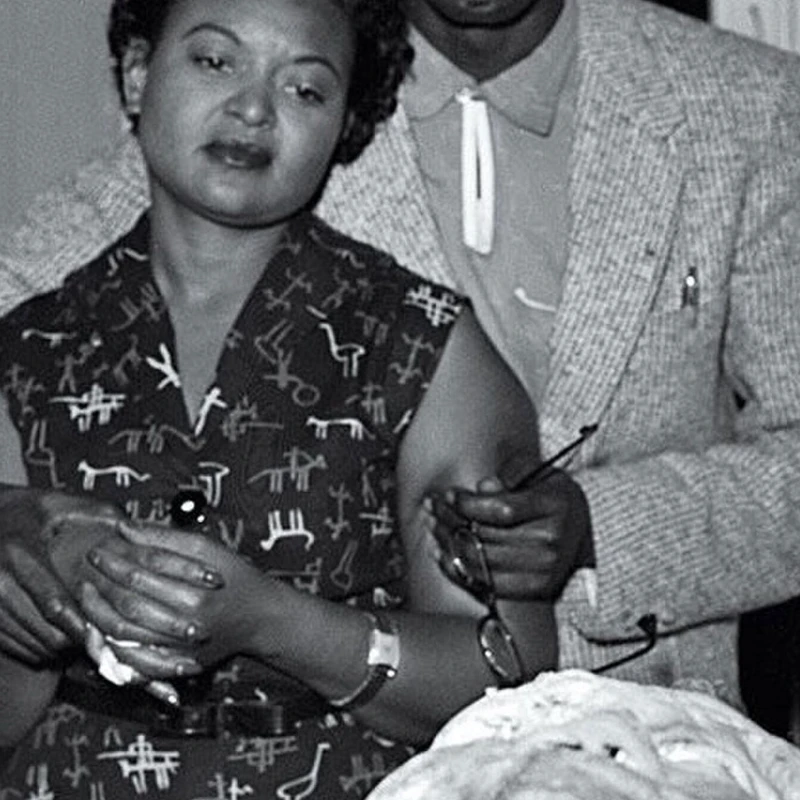
The decision to purchase the property was guided by the powerful charge from Emmett Till’s mother, Mamie Till-Mobley: “let the world see.” This mission remains central to the ETIC’s work. The organization explored various options, including donations and eminent domain, but ultimately prioritized preventing the site from falling into private hands, emphasizing that “you can’t put a price on our history.”
Ending Erasure, Building Conscience
The barn’s history has been deliberately obscured. After their acquittal, Till’s killers altered their accounts, attempting to erase the barn’s role in the crime. The ETIC views the preservation of this structure as a vital act against historical violence and erasure. By transforming a site of immense harm into a place of truth and healing, they aim to counter this silence.
The acquisition was made possible through private philanthropy, with significant support from the Rhimes Family Foundation. No public funds were utilized in this transaction. The ETIC’s Instagram post highlighted the purchase as a protection of “sacred ground — a place where truth can live without fear of being forgotten.”
Future Plans for the Site
The ETIC envisions a multi-year process to develop the barn into a larger public memorial, with plans to open by the 75th anniversary of the lynching in 2030. Immediate steps include stabilizing the structure, engaging the community and Till family descendants, and developing interpretive materials to foster reflection and learning.
- Stabilization and preservation of the barn structure.
- Community engagement with Till family descendants and local elders.
- Development of interpretive exhibits for reflection and learning.
- Opening as part of a larger memorial by 2030.
The ultimate hope for the barn is that it becomes a powerful site of conscience, prompting visitors to confront the human cost of injustice and recognize how attacks on dignity threaten democracy itself.
What are your thoughts on the preservation of the Emmett Till lynching barn? Share your reflections in the comments below.
