Tag: Lifestyle

  • Stephen A. Smith Defends His Evolution

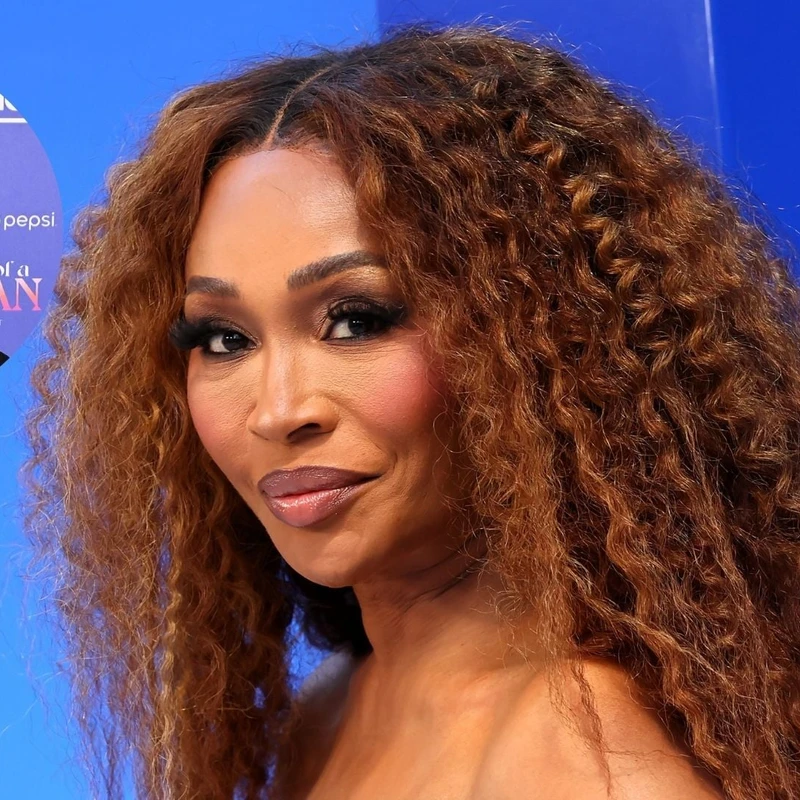
    You know Stephen A. Smith – the voice of ESPN’s ‘First Take,’ a man who’s become one of the most recognizable figures in sports media. He’s known for his passionate takes and often polarizing opinions. But lately, some critics are saying the ‘new’ Stephen A. isn’t the same as the ‘old’ one. Well, he’s firing back, and his message is clear: ‘I ain’t change, they changed.’

    Addressing the Critics

    During a recent appearance on Cam Newton’s “Funky Friday” podcast, Smith didn’t hold back when addressing the accusations that he’s evolved into someone unrecognizable. He directly refuted the idea that he’s changed, stating emphatically, “That’s bullsh-t, that’s not true. The old Stephen A. Smith and the new Stephen A. Smith is the same Stephen A. Smith. I ain’t changed. They changed.”

    Smith feels that the expectations placed upon him have shifted. He believes that as he’s achieved success and financial validation for his decades of hard work, some people are trying to impose new standards on him. He passionately defended his journey, emphasizing that his accomplishments were earned through sheer grit and determination, not handed to him.

    The ‘Sell-Out’ Accusation

    The ESPN commentator has faced backlash for his comments on various public figures, including LeBron James, Serena Williams, Rep. Jasmine Crockett, and even Vice President Kamala Harris. Some critics, like former NBA player Matt Barnes, have accused Smith of “tap dancing for the whole white Republican Party” and disrespecting Black figures. This sentiment often boils down to accusations of selling out.

    Smith acknowledged that hearing people, particularly fellow Black individuals, accuse him of betraying his race cuts deep. He recalled instances where people told him, “Black people don’t f-ck with you. You’ve betrayed your race.” He stated that those individuals can never re-enter his life, as such accusations were profoundly hurtful and almost jeopardized his career.

    Defending His Truth

    Despite the criticism, Smith remains resolute. He suggested that if he were to engage in the behaviors critics accuse him of to earn the ‘sell-out’ label, he might even be paid more handsomely. However, he stands firm in his belief that it’s his job to speak his truth, even when he knows he’s being watched and judged.

    His journey from a Philadelphia journalist to a prominent ESPN personality is a testament to his work ethic. He’s not willing to back down from the success he’s built, even if it means facing criticism from within his own community. Smith’s stance is that he’s remained true to himself, while the landscape and expectations around him have shifted.

    Do you agree with Stephen A. Smith? Has he changed, or have the expectations around him shifted? Share your thoughts in the comments below!
  • Atlanta Coffee Shop Apologizes for Painting Over Jovita Moore Mural

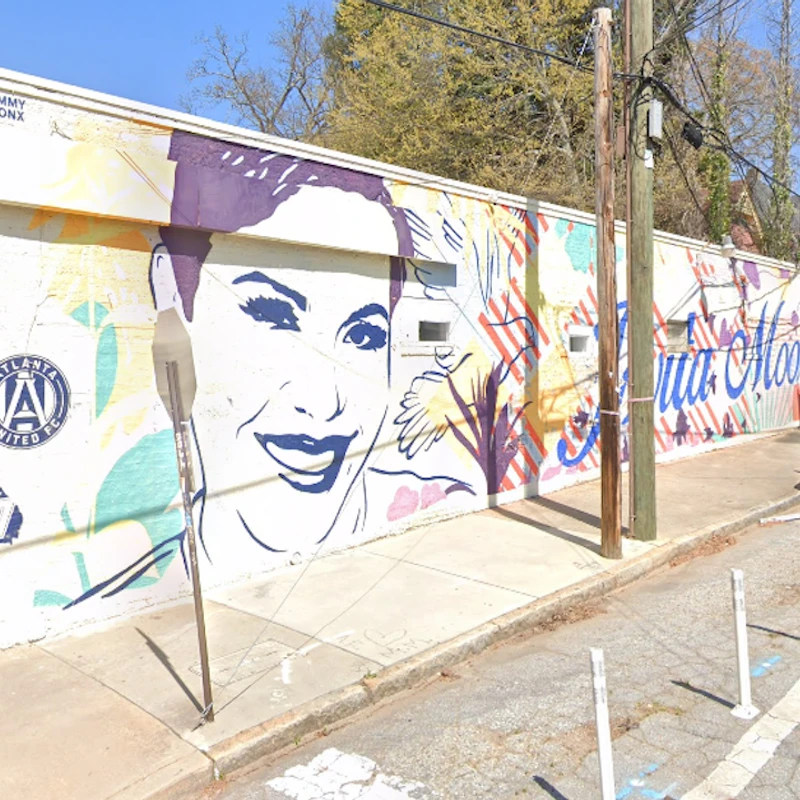
    A recent incident in Atlanta has sparked significant community outrage. Bellwood Coffee, a local business, is facing backlash after mistakenly painting over a mural honoring the late WSB-TV anchor, Jovita Moore. Moore was a deeply respected figure in Atlanta, known for her dedication to the community before her passing in October 2021.

    The Incident and Initial Response

    Bellwood Coffee acquired a building in the Grant Park neighborhood and proceeded to paint over the existing mural of Jovita Moore. The company later took to Instagram to explain their actions, admitting they made a mistake and acted without sufficient consideration. They emphasized that their intention was never to disrespect Moore’s legacy but acknowledged that their decision was not reflective of their community-focused values.

    The statement read, “We made a mistake and acted without enough consideration, and that is not reflective of the kind of people we want to be. For the 7 years that we have had this business, our heart has always been to build community in our city, yet this decision is driving us apart from many in our dear Atlanta community.”

    Community Reaction and Gentrification Concerns

    The news of the mural being painted over sent shockwaves through Atlanta. Many residents expressed anger and disappointment, with some linking the incident to broader concerns about gentrification in the area. Jovita Moore was a beloved figure, and the city’s response to her death underscored her importance.

    One X user voiced their frustration, stating, “If you grew up in Atlanta/ been around a while you knew who Jovita Moore was and you know how the city responded when she died. This coffee shop just moved into my neighborhood and painted over a mural dedicated to her for their signage and honestly it’s not sitting well w/ me.”

    Bellwood Coffee’s Explanation and Apology

    Bellwood Coffee initially responded to the criticism by suggesting that the mural’s placement was problematic due to planned window installations. However, this explanation did little to appease the community. The company later updated its statement, acknowledging the deep significance of the mural and the need to rectify the situation.

    Jovita Moore, diagnosed with glioblastoma in April 2021, passed away just seven months later. Her tenure at WSB-TV began in 1998, making her a familiar and trusted face for Atlantans for decades. The community’s strong reaction highlights the deep connection they felt to her and the art that honored her.

    While it remains unclear when a new mural will be completed, Bellwood Coffee has clearly heard the community’s message. This incident serves as a potent reminder that certain landmarks and tributes hold permanent significance, even as neighborhoods evolve.

    What are your thoughts on this situation? How important are community murals in preserving local history and honoring beloved figures? Share your perspective in the comments below!

  • Tatyana Ali’s Birth Story & Black Maternal Health

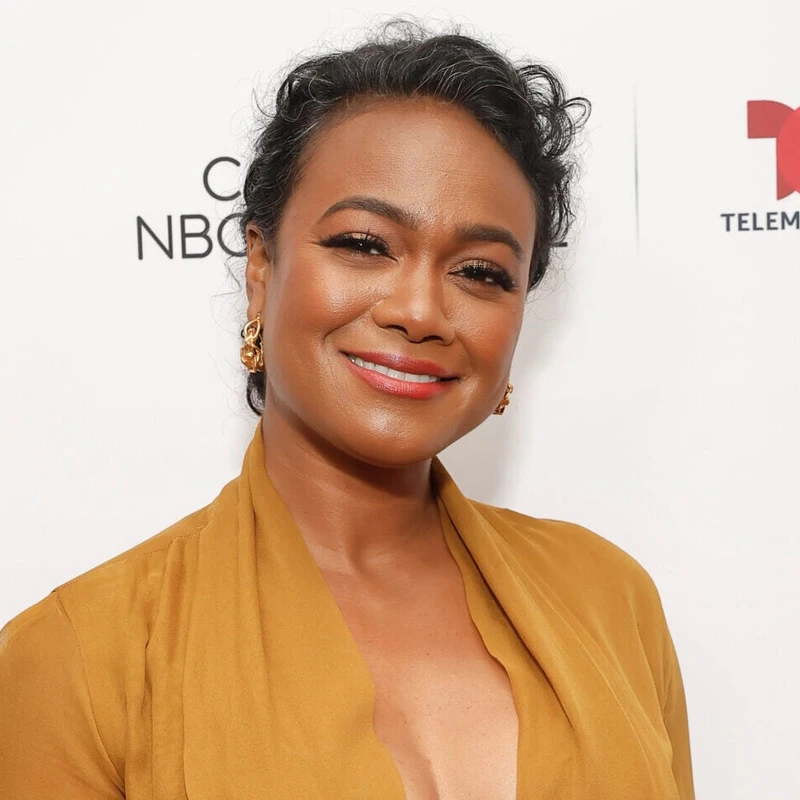
    Imagine being in one of the most vulnerable moments of your life, giving birth, and feeling like your voice isn’t being heard. That’s the harrowing experience Tatyana Ali, beloved star of “The Fresh Prince of Bel-Air,” recently shared about her first childbirth. Her story isn’t just a personal account; it’s a powerful spotlight on the ongoing Black maternal health crisis in America.

    A Traumatic Delivery Experience

    Ali described her delivery as “incredibly dangerous.” She recounted how medical staff allegedly disregarded her birth plan and made critical decisions without her consent. In a particularly distressing moment, she felt her autonomy was completely stripped away when staff allegedly pushed her baby back inside her during labor, despite her saying “no.”

    This experience, which she later understood as a form of “obstetric violence,” highlights a disturbing pattern of mistreatment faced by many Black women during childbirth. While her son was ultimately born safely, the complications led to him needing care in the NICU, adding immense fear and uncertainty to an already traumatic event.

    The Stark Reality for Black Mothers

    Tatyana Ali’s story sadly echoes a much larger, well-documented crisis. Data from the CDC reveals that Black women are several times more likely to die from pregnancy-related causes than their white counterparts, regardless of their socioeconomic status or education level. This disparity is not just a statistic; it represents countless preventable tragedies.

    Health experts point to systemic biases, gaps in quality care, and a fundamental lack of respect for patients’ concerns as major contributors. When patients, especially Black women, aren’t heard or believed in critical medical moments, situations can quickly escalate, leading to devastating outcomes.

    Why Patient Advocacy Matters

    The fear for many Black women isn’t just about potential medical complications; it’s about whether their voices will be respected and their concerns taken seriously. Ali is now using her platform to champion patient advocacy, stressing the vital need for better communication, accountability, and compassionate care in all medical settings.

    Her willingness to share such a personal and difficult experience is crucial. It adds vital visibility to conversations around Black maternal health, even as the outcomes remain slow to change. For many, Ali’s story isn’t shocking—it’s a painfully familiar reality, and that familiarity is precisely the problem we need to address.

    What are your thoughts on Tatyana Ali’s experience and the Black maternal health crisis? Share your perspective in the comments below!

  • Protest Songs of 2026: Echoes of the Past

    In 2026, we’re experiencing a powerful resurgence of protest songs. As the same social and political issues that fueled these anthems decades ago continue to shape our culture, these powerful tracks are hitting harder than ever. It’s a disquieting déjà vu for Black America, where songs recorded long before many of us were born feel eerily relevant today.

    Timeless Messages for Enduring Battles

    Marvin Gaye’s “What’s Going On,” released in 1971, could have been written last week. Sam Cooke’s “A Change Is Gonna Come,” from 1964, still echoes our ongoing wait for true change. These weren’t just songs; they were vital instructions and maps for navigating systems designed to keep Black people silenced, impoverished, and compliant.

    With the current political climate – including a new Trump administration, surging ICE raids, gutted voting rights, dismantled DEI initiatives, and protesters treated as enemies – these classic records feel less like nostalgia and more like prophecy. Here are twenty such songs that continue to speak truth to power:

    1. **Public Enemy – ‘Fight the Power’ (1989):** A rallying cry against false heroes, still relevant as the fight for justice continues.
    2. **Marvin Gaye – ‘What’s Going On’ (1971):** A timeless plea against war and injustice, resonating as current events mirror its themes.
    3. **Nina Simone – ‘Mississippi Goddam’ (1964):** A furious response to racial violence, its lyrics remain potent for any modern protest.
    4. **Gil Scott Heron – ‘The Revolution Will Not Be Televised’ (1971):** A warning against passive consumption, urging active participation in liberation.
    5. **Billie Holiday – ‘Strange Fruit’ (1939):** A haunting depiction of lynching that, tragically, still speaks to racial violence today.
    6. **N.W.A. – ‘Fuck tha Police’ (1988):** An explosive anthem against police brutality, amplified with every surfacing video of injustice.
    7. **Kendrick Lamar – ‘Alright’ (2015):** The unofficial anthem of Black Lives Matter, chanted at protests nationwide.
    8. **Edwin Starr – ‘War’ (1970):** A simple, powerful one-word answer to conflict that remains relevant fifty-five years later.
    9. **Childish Gambino – ‘This Is America’ (2018):** A stark commentary on gun violence, distraction, and survival, more potent now than ever.
    10. **James Brown – ‘Say It Loud (I’m Black and I’m Proud)’ (1968):** A demand for pride that the country continues to try and legislate away.
    11. **Marvin Gaye – ‘Inner City Blues (Make Me Wanna Holler)’ (1971):** A concise indictment of systemic issues like police brutality and economic inequality.
    12. **Grandmaster Flash and the Furious Five – ‘The Message’ (1982):** The blueprint for conscious hip-hop, detailing the harsh realities of urban life.
    13. **Tupac – ‘Changes’ (1992):** A prescient look at race, drugs, prison, and police violence, questioning progress despite political shifts.
    14. **Bob Marley & Peter Tosh – ‘Get Up, Stand Up’ (1973):** A global call to action set to an infectious rhythm.
    15. **Janelle Monáe & Wondaland – ‘Hell You Talmbout’ (2015):** A powerful, unmelodious chant listing names of victims of police brutality and racist violence.
    16. **Common & John Legend – ‘Glory’ (2014):** An Oscar-winning track linking the Civil Rights Movement directly to contemporary struggles.
    17. **Tupac – ‘Brenda’s Got a Baby’ (1991):** A stark portrayal of poverty, abuse, and societal neglect affecting young Black girls.
    18. **Public Enemy – ‘Black Steel in the Hour of Chaos’ (1988):** A narrative of resistance against the draft and the prison industrial complex.
    19. **Killer Mike – ‘Reagan’ (2012):** A scathing critique of the war on drugs, mass incarceration, and the political machine.
    20. **Sam Cooke – ‘A Change Is Gonna Come’ (1964):** An elegant protest anthem whose hopeful message still awaits full realization.

    Music as Receipts, Not Nostalgia

    These songs are not mere relics of the past; they are powerful ‘receipts’ – evidence of a long-standing struggle. Each time they are played, they serve as a reminder that this country has been put on notice for decades and has consistently chosen to ignore it.

    The commitment to playing and singing these anthems persists. The hope is that future generations will hear songs like ‘A Change Is Gonna Come’ and find it incomprehensible that such a change was ever necessary. Until then, the music plays on, a testament to resilience and a continued demand for justice.

    Which protest song resonates most with you today? Share your thoughts and any other powerful protest anthems in the comments below!

  • Abortion Pill Access Blocked Nationwide

    Imagine needing essential medication and suddenly finding out it’s no longer available through the mail, forcing you to seek in-person appointments that might be difficult or impossible to access. That’s the reality for millions across the United States following a recent federal court ruling that has blocked nationwide mail-order access to mifepristone, a critical drug used in medication abortions.

    Nationwide Mail-Order Ban Takes Effect

    The Fifth Circuit Court of Appeals has issued an order that immediately halts the ability to receive mifepristone via mail or telehealth. This decision effectively reinstates an older requirement, meaning the pill must now be dispensed in person at a clinic, hospital, or certified pharmacy.

    This ruling stems from a lawsuit filed by Louisiana, which challenged a 2023 Biden-era rule that had expanded access to mifepristone through telehealth and mail delivery. The three-judge panel, with judges appointed by former President Trump, unanimously sided with Louisiana, setting the stage for a significant legal battle that is now fast-tracked to the Supreme Court.

    Impact on Reproductive Healthcare

    Mifepristone, used in conjunction with another drug for medication abortion, is a cornerstone of reproductive healthcare. This ruling represents a major victory for the anti-abortion movement, especially in the wake of the Dobbs decision. Medication abortion now accounts for about two-thirds of all abortions in the U.S., and telehealth had become a crucial workaround for many.

    Before this ruling, providers in states with protective laws were prescribing mifepristone remotely and mailing it to patients in states where abortion is restricted. Data shows that by early 2025, over a quarter of all abortions nationwide were being conducted via telehealth. This ruling effectively closes that vital pipeline, at least for now.

    Legal Standing and Scientific Scrutiny

    Louisiana’s case hinged on a financial argument, citing $92,000 in Medicaid costs in 2025 for treating complications allegedly caused by out-of-state mifepristone. The court accepted this as sufficient harm to grant Louisiana legal standing, despite decades of FDA safety reviews and studies indicating severe complications occur in less than 1% of cases.

    The judges’ opinion suggested the FDA’s rule changes lacked a strong basis in data, a finding that the manufacturer of generic mifepristone called alarming and contrary to scientific consensus. This legal interpretation clashes with extensive medical evidence supporting the drug’s safety and efficacy.

    Disproportionate Impact on Vulnerable Populations

    The cultural implications of this ruling are significant, particularly for Black women, who face nearly three times the rate of pregnancy-related deaths compared to white women in the U.S., with the Deep South being a focal point. For women in restrictive states, telehealth abortion was often the only accessible, discreet, and affordable option, avoiding costly and difficult multi-state travel.

    This decision doesn’t eliminate the need for abortion; it makes it more expensive, potentially more dangerous, and disproportionately affects women without the financial resources to navigate complex legal and logistical barriers. Access is now concentrated among those who can afford to overcome these hurdles.

    Reactions and the Road Ahead

    Reproductive rights organizations have strongly condemned the ruling. Brittany Fonteno, CEO of the National Abortion Federation, stated the decision is politically motivated and ignores scientific evidence and patient safety. Nancy Northup of the Center for Reproductive Rights highlighted that telehealth has been a crucial lifeline, precisely because it was effective.

    The ACLU’s Julia Kaye emphasized that anti-abortion politicians are making it significantly harder for people to access a medication that has been safely used for over 25 years for both abortion and miscarriage management. The case is now headed to the Supreme Court, which previously declined to overturn FDA approval of mifepristone in 2024 on standing grounds. However, Louisiana’s status as a state plaintiff with both an abortion ban and Medicaid costs presents a different legal dynamic.

    For the time being, individuals in all 50 states, even those where abortion remains legal, must obtain mifepristone in person. The federal injunction overrides any state-level shield laws that previously allowed for mail delivery into restrictive states. The mailbox is officially closed.

    This ruling has far-reaching implications for reproductive healthcare access. What are your thoughts on the impact of this court decision? Share your perspective in the comments below.

  • 7 Black-Owned Brands for Mother’s Day Gifts

    Mother’s Day is just around the corner (May 10th!), and if you’re looking to show your appreciation with a gift that’s as special as she is, why not consider supporting Black-owned businesses? Black motherhood is a beautiful tapestry of joy, strength, and love, and finding a gift that truly reflects that can be incredibly meaningful.

    This year, let’s go beyond the usual and pick something chosen with care, something that resonates with her unique style and personality. We’ve rounded up seven fantastic Black-owned brands that offer everything from luxurious self-care items to delightful treats and elegant accessories.

    For the New Mama: Ebi Wellness

    If you’re shopping for a new mother, Ebi Wellness has you covered. This brand specializes in high-quality, plant-based wellness products like soothing oils, calming teas, and nourishing bath herbs, all thoughtfully curated with postpartum care in mind. It’s the perfect way to help her relax and recover.

    For the Pampering Pro: Pattern Beauty

    Tracee Ellis Ross’s beauty brand, Pattern, is a dream for anyone who loves to indulge in luxurious self-care. With both skincare and haircare products, Pattern offers that spa-like experience at home, making it a truly special treat for Mom.

    For the Bling Lover: Stella & Haas

    Does your mom have a flair for fashion and a love for fine jewelry? Stella & Haas offers elegant and sculptural necklaces, earrings, and bracelets that are sure to add a touch of sparkle to her collection. It’s the perfect way to say ‘I love you’ with a gift that lasts.

    For the Homebody: Harlem Candle Co.

    Create a cozy ambiance with scents from Harlem Candle Co. This brand crafts beautiful candles and home fragrances inspired by the vibrant spirit of Black life in Harlem. It’s a wonderful way to bring warmth and a touch of culture into her home.

    For the Flower Enthusiast: Black Girl Florists

    A classic bouquet is always a winner! Black Girl Florists is a fantastic resource to help you find a Black-owned floral shop in your local area. Gifting fresh flowers is a timeless gesture that brings beauty and cheer.

    For the Sweet Tooth: De Lor Cakery

    You can never go wrong with a sweet treat! Whether you find a local Black-owned bakery or opt for nationwide delivery from De Lor Cakery, surprising Mom with her favorite confections is a delightful way to celebrate her.

    For the Organized Mind: Be Rooted

    If Mom loves stationery, journals, or thoughtful office supplies, Be Rooted is the place to shop. They offer a beautiful range of products, including special gift bundles that pair journals with items like wine glasses or herbal tea for a truly restorative gift set.

    • Ebi Wellness (Postpartum Care)
    • Pattern Beauty (Skincare & Haircare)
    • Stella & Haas (Fine Jewelry)
    • Harlem Candle Co. (Home Fragrance)
    • Black Girl Florists (Local Florists)
    • De Lor Cakery (Nationwide Treats)
    • Be Rooted (Stationery & Journals)

    Choosing gifts from Black-owned brands not only provides a unique and thoughtful present but also supports entrepreneurs and celebrates Black culture. It’s a win-win!

    Which of these Black-owned brands will you be shopping from this Mother’s Day? Share your favorite finds in the comments below!

  • Cynthia Bailey on Budget Wardrobe on RHOA

    Ever wonder how reality TV stars manage to look so glamorous, especially when life throws curveballs? Cynthia Bailey is giving us a peek behind the curtain, revealing how her ex-husband Peter Thomas’ financial struggles significantly impacted her wardrobe choices during her time on ‘The Real Housewives of Atlanta.’

    When Reality Hits the Runway

    Cynthia, who was married to Thomas from 2011 to 2017, opened up on her ‘Humble Brag’ podcast with Crystal Minkoff. She explained that even when you’re on a popular show, life’s financial ups and downs still happen. “If my financial situation changed for whatever reason, I would have to pivot, modify and adjust,” Bailey shared, emphasizing the need for adaptability.

    This meant getting creative with her on-camera style. “When I was going through my struggles with Peter, you better believe I was recycling whatever little designer stuff I had going in,” she admitted. “You better believe my butt was at TJ Maxx and Marshalls trying to put together [an outfit].” It’s a relatable struggle for many, proving that even celebrities have to budget shop sometimes!

    The Power of Black

    When the budget got particularly tight, Cynthia had a go-to strategy. “That season, I pretty much wore black the whole time because in my mind, you can’t tell black is cheap,” she revealed. It’s a smart fashion hack that makes a bold statement without breaking the bank, and it certainly helped her maintain a chic appearance on the show.

    Navigating Financial Storms

    Peter Thomas’ financial troubles, including a tax evasion sentence that led to 18 months in federal prison (he has since been released), cast a long shadow. Even after their 2017 divorce, the financial fallout continued, with Thomas ordered to pay $2.5 million in restitution to the IRS. This period clearly required significant adjustments for both of them.

    Cynthia Bailey, who joined ‘RHOA’ in 2010, navigated these challenges while still being a prominent figure on the show. Her story is a reminder that behind the glitz and glamour of reality television, real-life financial pressures can influence even the most public aspects of a star’s life.

    What do you think about Cynthia Bailey’s approach to dressing on a budget for ‘RHOA’? Share your favorite budget fashion tips in the comments below!

  • 25 Meaningful Mother’s Day Gifts

    Mother’s Day is a wonderful opportunity to show the moms in your life how much you care. But let’s be honest, sometimes generic gifts just don’t cut it. The most impactful presents are often those that feel deeply personal, intentional, and truly reflect your unique relationship. Forget the last-minute flowers – let’s explore 25 ways to give a gift that truly resonates.

    Gifts That Speak From the Heart

    1. **Write a Real Letter:** Go beyond a card and pen a heartfelt letter sharing specific memories, lessons learned, or qualities you admire. Make it personal – something only you could write.
    2. **Recreate a Childhood Memory:** Think about a special tradition or experience from your childhood and recreate it, with you taking the lead this time. It shows those moments were cherished.
    3. **Cook Her Favorite Meal:** Don’t just cook; make it an experience. Research recipes, practice beforehand, set the table thoughtfully, and add personal touches like music.
    4. **”Reasons I Love You” Jar:** Fill a jar with dozens of small, specific reasons you appreciate her. It’s a gift that offers ongoing encouragement.
    5. **Plan a Day of Zero Decisions:** Take over all the planning for the day – meals, activities, everything. Removing the mental load of decision-making is a huge gift.
    6. **Digitize Old Family Photos:** Scan and organize old photo albums into an accessible digital format. This preserves precious memories for generations.
    7. **Create a Custom Playlist:** Curate a playlist of songs that reflect her personality, your shared experiences, or specific memories. Add notes for extra meaning.
    8. **Give a “Day Off” Coupon Book:** Offer specific, realistic coupons for tasks like grocery shopping for a month, doing laundry, or taking over a recurring chore.
    9. **Take a Walk Somewhere Meaningful:** Choose a location with emotional significance – a park, a childhood neighborhood, or her favorite route – and use the time to connect.
    10. **Record a Video Message:** Film a personal message, or gather clips from siblings, relatives, and friends for a powerful, affirming tribute.
    11. **Frame a Meaningful Photo:** Select a photo that tells a story and pair it with a handwritten note explaining why you chose it.
    12. **Ask Her About Her Life:** Use the day to learn more about her as a person – her childhood, dreams, and challenges. Show you value her story.
    13. **Make and Serve Breakfast:** Prepare something she loves, plate it beautifully, and serve it without rushing. A thoughtful breakfast is always a treat.
    14. **Plant Something Together:** Choose flowers, herbs, or a small tree to plant together. It creates a living, growing symbol of your bond.
    15. **Do a Deep Clean of Her Space:** Tackle overlooked chores, organize, and declutter. This practical gift shows attentiveness to her daily life.
    16. **Write a “Then vs. Now” Reflection:** Share how your perspective of her has evolved, showing growth and adult appreciation for her influence.
    17. **Plan a Movie Night With Her Favorites:** Choose movies she loves, create a cozy atmosphere, and enjoy uninterrupted time together.
    18. **Create a Memory Scrapbook:** Fill a scrapbook with photos, notes, and mementos. The charm lies in the effort and personal touches.
    19. **Take Over a Disliked Task (Long-Term):** Commit to handling a specific chore or responsibility consistently, showing appreciation beyond just one day.
    20. **Send Her on a Solo Recharge Break:** Arrange for uninterrupted personal time, like a spa visit or a quiet afternoon, ensuring she doesn’t feel guilty taking it.
    21. **Cook Together:** If she loves cooking, make it a shared activity. Choose a recipe and enjoy the process and quality time together.
    22. **Write a “Things You Were Right About” List:** Acknowledge the advice or lessons she gave that only made sense later. It’s a heartfelt way to show respect.
    23. **Organize a Small, Intentional Gathering:** Focus on people she genuinely enjoys. A smaller, thoughtful gathering feels more meaningful than a large event.
    24. **Surprise Her With Something Practical She Needs:** Listen for things she needs but hasn’t prioritized, and surprise her with a replacement or upgrade.
    25. **Just Be Fully Present:** Put away distractions, clear your schedule, and give her your undivided attention. True presence is a powerful gift.

    Ultimately, the most meaningful gifts aren’t about extravagance; they’re about demonstrating that you’ve paid attention, you remember, and you care. The more personal and intentional your gesture, the more it will resonate and be cherished long after Mother’s Day has passed.

    What’s the most meaningful Mother’s Day gift you’ve ever given or received? Share your ideas and stories in the comments below!

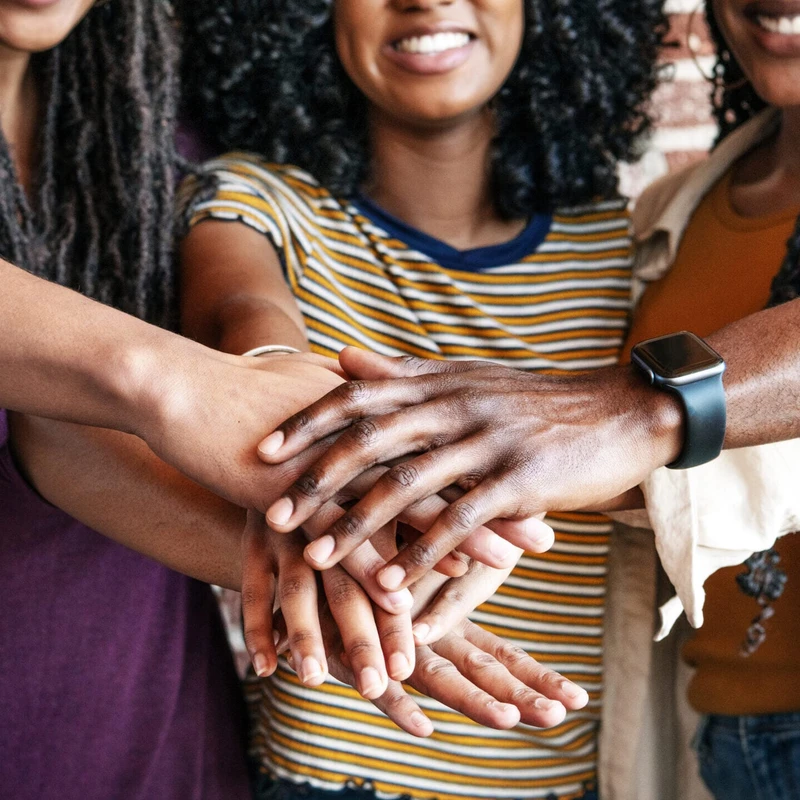
  • Community: Key to Black Mental Health

    In a world that often feels heavy, especially for Black Americans navigating collective grief and systemic challenges, the path to better mental health might not solely lie in individual self-care. Dr. Raquel Martin, a licensed psychologist and professor, emphasizes that the answer might be found in each other – in the strength and healing power of community.

    The Weight of Collective Grief

    As Mental Health Awareness Month begins, it arrives at a critical time. Dr. Martin points out that many are carrying a significant collective burden. She highlighted April as a particularly difficult month for Black women, marked by distressing headlines about femicide, which also deeply impacts Black men who may feel powerless. This emotional toll is compounded by broader societal issues, like the recent gutting of the Voting Rights Act.

    This shared experience of hardship underscores the need for connection. “The biggest message that I’ve been pushing is the aspect of community,” Dr. Martin shared. She advocates for creating “liberation-based ecosystems” where mutual support is paramount.

    Barriers to Care and the Power of Connection

    Statistics show that roughly one in five Black Americans experiences mental illness, yet over half of those who might need therapy never seek it. While systemic barriers to accessing care are well-documented, Dr. Martin highlights that a lack of community also plays a significant role. The National Alliance on Mental Illness’s theme this year rightly centers on community as a vital source of support and connection.

    Dr. Martin wisely notes, “Therapy does not have a monopoly on healing.” Whether one chooses spirituality, therapy, or activism, community is the essential thread that weaves through and strengthens the healing process. In a society that often requires Black individuals to mask their true selves, finding affirming spaces is essential for genuine well-being.

    Finding Safe Spaces to Heal

    Without spaces that truly affirm the Black experience, the constant need to code-switch and perform can be incredibly isolating. “The isolation is one of the things that makes it so hard for us, feeling like, not only are we going through this, we’re going through it alone,” she explained. Safe havens, designed with the Black experience in mind, allow individuals to finally let their guard down, name their struggles – from microaggressions to systemic despair – and realize they are not alone.

    This shared understanding can create a powerful foundation for navigating difficult emotions and fostering resilience. Community can manifest in countless ways: through close friends, church groups, organizations like the NAACP or Urban League, or even shared hobbies like book clubs, sports, or game nights.

    Leveraging Social Media and Activism

    Social media, when used intentionally, can also be a powerful tool for finding both mental health resources and community. Dr. Martin, who has built a substantial online presence sharing mental health insights, likens online discernment to protecting personal information – not everyone deserves access. “Social media, when done well, is very helpful, because it’s so accessible,” she stated, noting its reach allows her to help more people than traditional therapy alone might permit.

    Beyond digital spaces, activism offers another vital avenue. Channeling feelings of anger, sadness, or hopelessness into organizing or joining existing movements can build community while restoring a crucial sense of agency. “I prescribe activism as much as I prescribe coping skills, because a lot of us are feeling hopelessness and powerlessness, and activism is the epitome of taking that power back,” Dr. Martin emphasized.

    Community as Joy and Family

    Ultimately, communities are not just for validating pain; they are also vibrant sources of joy. They are places where individuals can feel safe to be their authentic selves, without the need to shrink or alter their identity. Over time, these connections can blossom into chosen family, offering support in unexpected ways – from helping raise children to providing life-changing opportunities or offering clearer self-perception.

    Dr. Martin powerfully concludes, “We are a collectivist people. As someone who specializes in Black health and well-being, we’re a collectivist culture, and a lot of us are getting bogged down by what’s happening in the system… When does the system serve us? We always have each other.”

    How has community played a role in your mental well-being? Share your experiences and thoughts in the comments below!
  • 15 HBCUs Unite for Elite Research Status

    Historically Black Colleges and Universities (HBCUs) have consistently shattered expectations, and now, a powerful coalition of 15 institutions is embarking on a historic mission. They’ve launched the Association of HBCU Research Institutions (AHRI) with a clear goal: to elevate their research capabilities and achieve elite R1 status, positioning themselves as leaders in American innovation.

    A Declaration of Leadership in Research

    AHRI is more than just an announcement; it’s a declaration. Dr. Wayne A. I. Frederick, interim president of Howard University and interim president of AHRI, stated that this coalition signifies HBCUs are not just contributors but leaders in a new era of discovery. The group aims to expand institutional capacity and funding to tackle society’s most pressing challenges.

    The ultimate target is the Carnegie Classification’s Research 1 (R1) designation, the highest tier for research activity. This status unlocks significant federal funding, enhances prestige, and attracts top-tier faculty and students. Currently, only Howard University holds this distinction among HBCUs, while 14 AHRI members possess R2 status (High Research Activity).

    Founding Members and Collaborative Power

    The founding members of AHRI represent a formidable force in higher education: Howard University, Clark Atlanta University, Delaware State University, Florida A&M University, Hampton University, Jackson State University, Morgan State University, North Carolina A&T State University, Prairie View A&M University, South Carolina State University, Southern University, Tennessee State University, Texas Southern University, Virginia State University, and the University of Maryland Eastern Shore. Together, these institutions already account for half of all competitively awarded federal research funding among HBCUs in critical areas like health, science, justice reform, and economic development.

    This collaborative effort is bolstered by a partnership with the Association of American Universities (AAU), a prestigious organization dedicated to academic research. AHRI’s offices will be housed at the AAU headquarters in Washington, D.C., fostering closer ties and shared goals. Dr. Ruth Simmons, a former president of Brown University and Smith College, highlighted that HBCUs have historically been excluded from mainstream research conversations, making AHRI a pivotal new chapter.

    Addressing Overlooked Research Areas

    HBCU researchers have long been at the forefront of investigating issues critical to Black communities – topics often overlooked by predominantly white institutions. From specific health disparities to economic inequities, HBCUs bring a unique and vital perspective to research. This initiative ensures these crucial areas receive the attention and resources they deserve.

    AHRI formally incorporated in June 2023 and has already held its inaugural board meeting and a research symposium. The coalition is issuing a strong call to action for government, corporate, and philanthropic partners to invest in this ambitious endeavor, recognizing the immense potential of HBCU research and innovation.

    What are your thoughts on this historic push by HBCUs to achieve elite research status? Share your insights in the comments below!