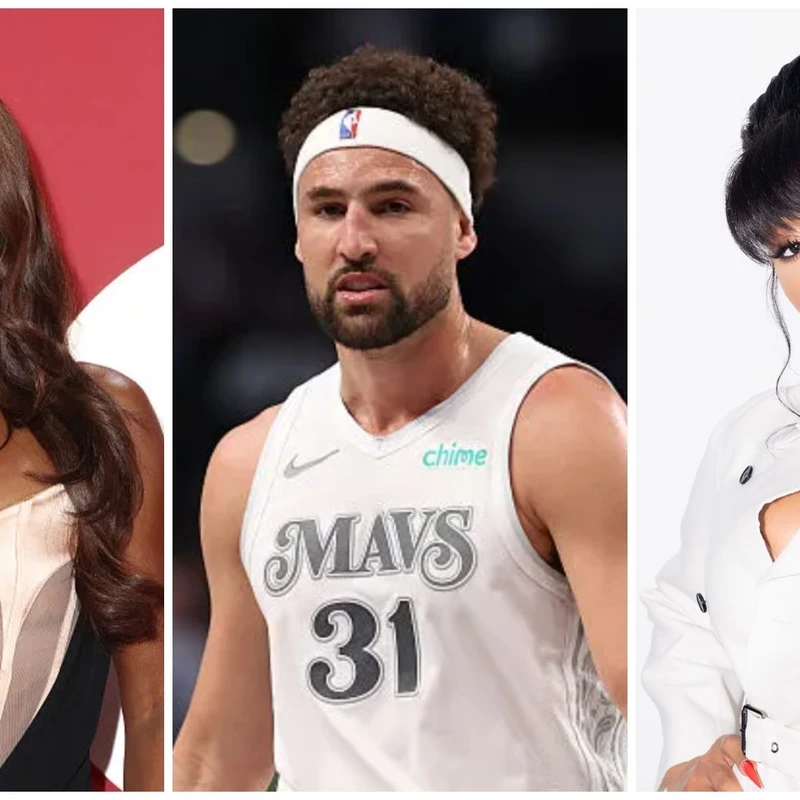
It seems like no matter what Megan Thee Stallion does, the public conversation often takes a sharp turn, focusing less on her experiences and more on harsh judgments about her character. This pattern reared its head again recently following the news of her breakup with NBA star Klay Thompson. What should have been a conversation about a personal relationship ending quickly morphed into something else entirely.
From Relationship to Public Spectacle
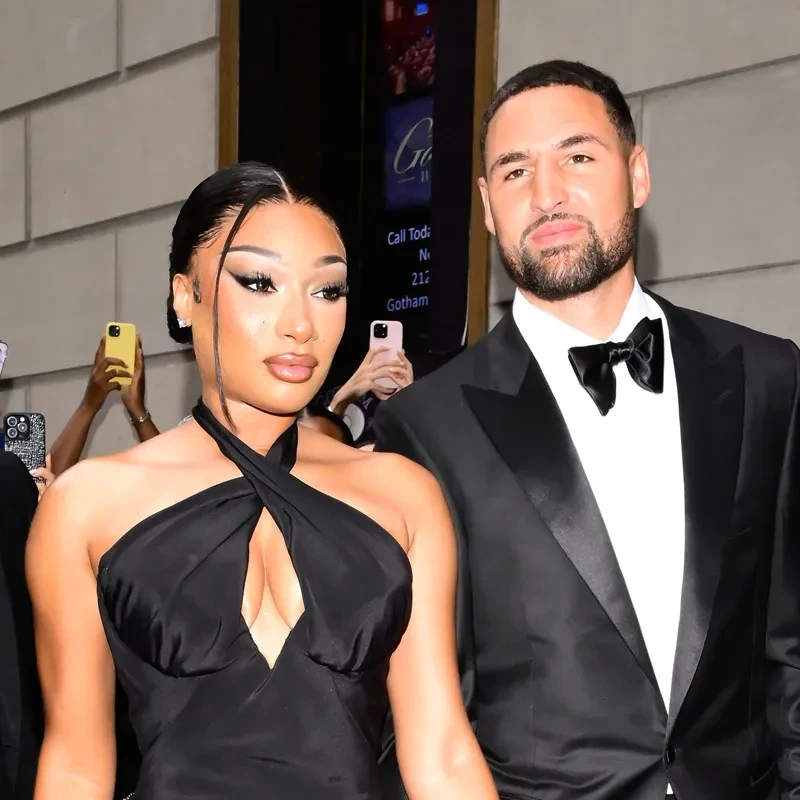
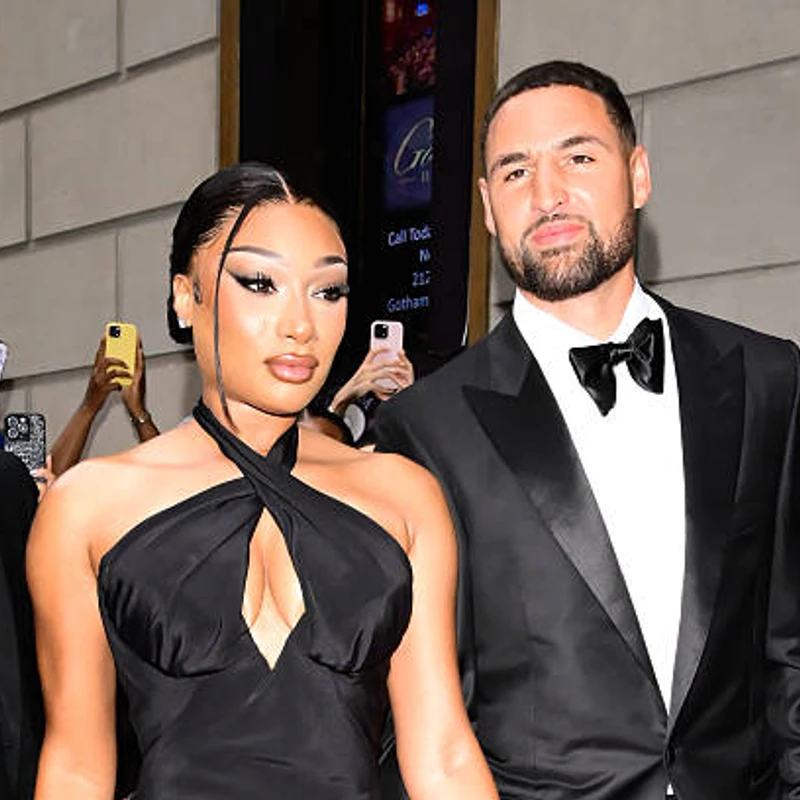
Megan and Klay’s relationship appeared to be quite serious. They were seen together during holidays, on red carpets, and even shared glimpses of what looked like a shared home. Then, Megan shared that the relationship was over, citing infidelity and treatment that didn’t align with their public image. This directness should have been the focus.
However, the narrative quickly shifted. Instead of focusing on the alleged cheating or the pain Megan described, the conversation turned to *her*. People questioned her decision to speak publicly about the infidelity, dissecting her choices rather than the situation itself. This immediate pivot is a painful reminder of the scrutiny she often faces.
The Deafening Sound of Misogyny and Misogynoir
The online reaction was swift and, frankly, brutal. Comments flooded social media, framing the breakup as something Megan had ‘earned’ or deserved. Her past, her body, her lyrics – anything and everything was brought up to justify the harshness. Meanwhile, Klay Thompson was seen seemingly unbothered, enjoying himself on a boat, which only amplified the stark contrast in how the situation was being perceived.
This isn’t just simple criticism; it’s a clear display of misogyny and, more specifically, misogynoir – the intersection of anti-Black racism and misogyny. Voices with platforms, like DJ Akademiks, amplified these harmful narratives, turning Megan’s pain into content and reinforcing damaging stereotypes. The language used, calling her names and suggesting she was ‘passed around,’ is unacceptable and contributes to a culture where women, especially Black women, are punished for their confidence and success.
KevOnStage’s Litmus Test
Comedian KevOnStage offered a powerful perspective, suggesting that how people talk about Megan Thee Stallion acts as a ‘litmus test’ for their views on relationships, women, and even broader societal issues. He argued that your opinion on Megan reveals a lot about your underlying beliefs. This idea resonates because the pattern is so consistent: the details of the situation change, but the misogynistic tone remains.
This isn’t about whether you’re a fan of her music; it’s about how empathy and grace are extended when a woman, particularly a successful Black woman, experiences hardship. The tendency to reduce her to stereotypes and blame her for her own pain is deeply ingrained and consistently revealed in these public reactions.
The Lingering Shadow of Tory Lanez
Adding another layer to this complex narrative is the persistent shadow of the Tory Lanez case. Even as Klay Thompson faces accusations of cheating, some online commentators have twisted it into ‘karma’ or payback related to the 2020 shooting incident. This is a dangerous reframing that ignores the legal facts: Tory Lanez is currently serving a prison sentence for felony assault and firearm charges related to shooting Megan Thee Stallion.
Despite the legal outcome, Megan is still often blamed, called a liar, and her experiences are continuously reinterpreted to fit a narrative that absolves the perpetrator and punishes the victim. This rewriting of her story is a common tactic used to undermine her credibility and justify the public’s harsh judgment.
Reputations Under Fire: A Pattern of Blame
This isn’t an isolated incident for Megan. Her past relationships, including those with Moneybagg Yo and Pardison Fontaine, have followed a similar pattern. When things are good, the relationships are visible and sometimes celebrated. But when they end, the focus shifts to Megan – her choices, her image, her past traumas, her very identity – as if these factors are direct explanations for the relationship’s demise.
Her openness, her sexuality, her success, even her accomplishments and how she celebrates them, are weaponized. These traits are twisted into evidence against her, overshadowing the actual events of the relationships. It’s a relentless cycle that fails to acknowledge her resilience, like losing both parents and her grandmother while still achieving massive career success and completing her degree.
Misogynoir: The Unseen Force
Ultimately, misogynoir thrives in the space between what Megan experiences and how society chooses to react. It’s the instinct to punish her for not shrinking herself, for being unapologetically herself. It’s how serious situations are trivialized into jokes and how her pain is reframed as a deserved consequence rather than actual harm.
The conversations surrounding Megan Thee Stallion go beyond celebrity gossip; they reveal deeper societal biases. Every time she becomes the subject of public discussion, it offers a stark look at the prejudices many are still holding onto. It’s a powerful reminder that challenging these narratives requires conscious effort and a commitment to seeing individuals, especially Black women, with empathy and fairness.
What are your thoughts on the way public figures like Megan Thee Stallion are discussed? How can we foster more empathetic and less judgmental conversations online? Share your perspective in the comments below!