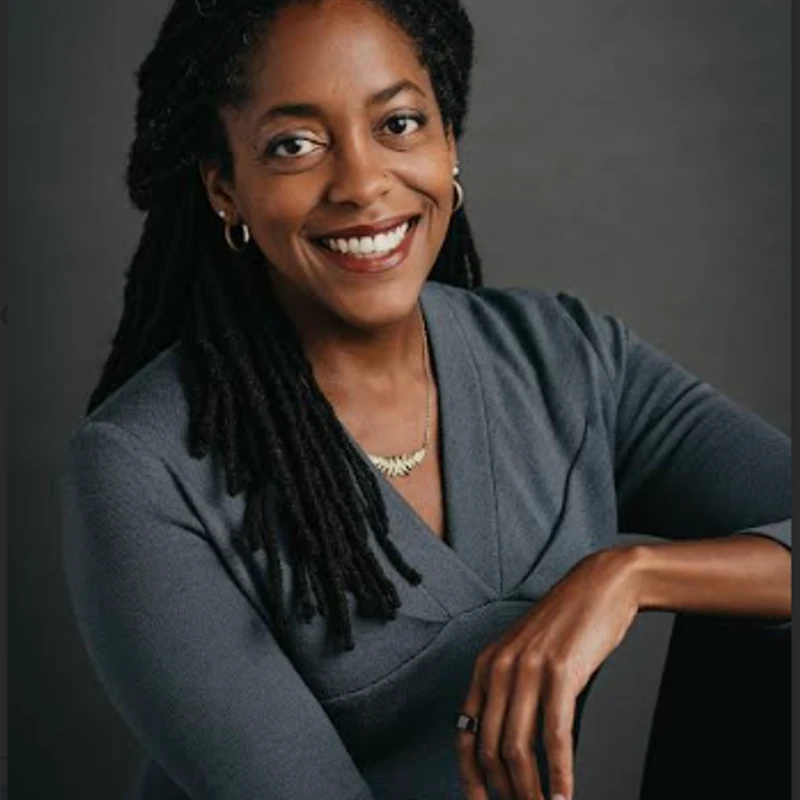
Imagine being in a room full of professionals, and you’re the only one who looks like you. For many Black women in medicine, this isn’t just a fleeting thought – it’s a recurring reality. Dr. Khama Ennis, an emergency physician and the visionary behind the award-winning ‘Faces of Medicine’ project, recognized this systemic issue not as a personal inconvenience, but as a critical ‘systemic emergency.’
From Personal Experience to a Powerful Movement
Dr. Ennis’s journey into medicine was driven by a clear goal: to become a doctor. It wasn’t until her final year of medical school that she encountered her first Black woman physician. Later in her career, she found herself as one of only two Black women in an entire hospital. This profound lack of representation sparked a mission.
She realized she couldn’t be the sole barrier to future Black women entering the field. With Black women making up a mere 2.8% of U.S. physicians, Dr. Ennis felt compelled to act. ‘Faces of Medicine’ was born from this desire to showcase the real lives, challenges, and triumphs of Black women physicians, making the path to medicine visible and accessible for others.
Why Representation is a Life-or-Death Issue
Dr. Ennis emphasizes that the lack of representation in medicine goes far beyond a simple diversity statistic. It’s a matter of life and death, directly impacting health disparities. Shockingly, Black women are three to four times more likely to die during childbirth than white women, a statistic that persists regardless of education or socioeconomic status.
This disparity highlights the critical need for health equity and, crucially, for patients to see physicians who look like them. Having diverse healthcare teams not only improves patient outcomes but also fosters better connections and understanding. When colleagues share similar backgrounds, it can lead to more empathetic and effective care.
The Emotional and Professional Weight
The statistic of 2.8% hasn’t budged much in decades, meaning Black women physicians often carry an ‘invisible tax.’ Dr. Ennis describes the feeling of being ‘the only one’ in a space, constantly tasked with raising awareness about health equity, often in isolation. This added burden, on top of the already demanding work of medicine, contributes to higher burnout rates.
The decision to transition from her demanding role in emergency medicine wasn’t easy, partly due to this feeling of responsibility. However, Dr. Ennis realized that creating a platform to share diverse stories was a more sustainable and impactful way to drive change than solely relying on her individual presence.
A Tapestry of Stories, A Legacy of Change
Initially planning a memoir, Dr. Ennis expanded ‘Faces of Medicine’ to encompass a wide array of experiences. The project features stories from first-generation graduates, immigrants, and individuals who overcame immense obstacles, like being undocumented or facing repeated setbacks on standardized tests. The message is clear: the path to becoming a physician is diverse and achievable for many.
The path is different for everybody; that is what I really wanted to show. — Dr. Khama Ennis
She also honors the legacy of pioneers like Dr. Rebecca Lee Crumpler, the first Black woman physician in the U.S., whose story was largely unknown until recently. This project is about honoring those who paved the way and actively pulling forward the next generation, embodying the principle of ‘reach back and pull forward.’
Fueling Change Through Authentic Storytelling
Mission-driven, donor-funded storytelling is a powerful tool for systemic change. ‘Faces of Medicine’ operates without corporate agendas, driven purely by the goal of improving health equity and increasing representation. Small donations from individuals fuel this vital work, ensuring the stories are told authentically and from the heart.
Dr. Ennis hopes the project sparks crucial conversations within hospitals and medical schools. It’s not just about increasing numbers, but about retaining and supporting the diverse talent already present. By highlighting the unpaid labor and undue burdens often placed on underrepresented physicians, the project aims to foster environments where everyone can thrive.
What are your thoughts on the importance of representation in healthcare? Share your experiences or insights in the comments below!