Tag: Kentucky Derby

  • Lil Yachty’s $90K Diamond Chain at Kentucky Derby

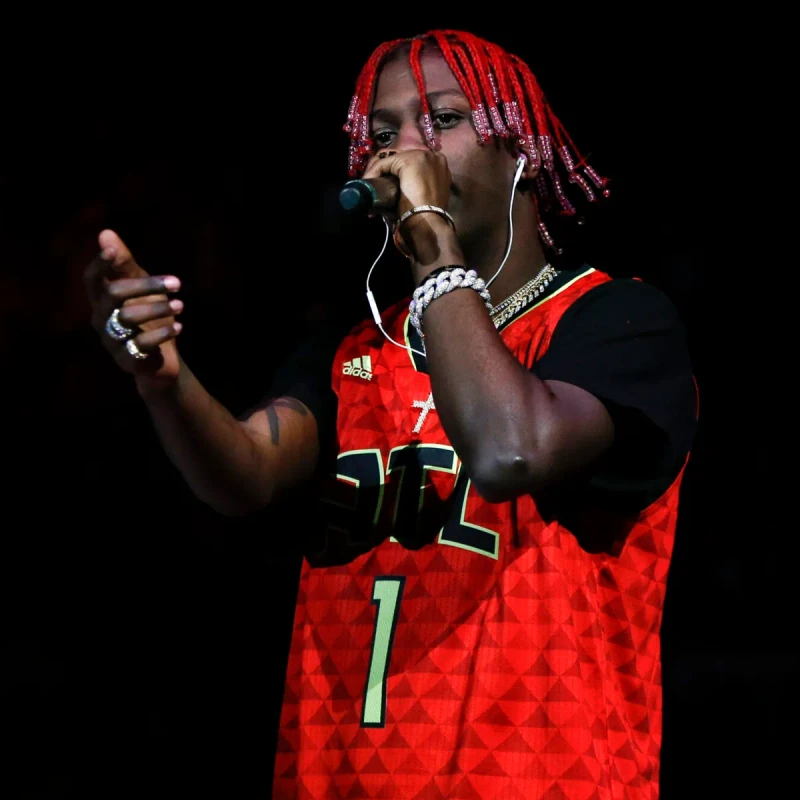
    The Kentucky Derby is known for its fashion, but this year, rapper Lil Yachty took it to a whole new level. Arriving for the prestigious horse racing event, he wasn’t just a spectator; he was a participant, and he made sure everyone knew it with an absolutely dazzling accessory.

    Yachty debuted a custom diamond chain, reportedly valued at a cool $90,000. The centerpiece? A stunning racehorse pendant, perfectly fitting for the occasion. Jeweler Erin Barnett personally delivered the piece on Derby Day at Santa Anita Park, making the reveal even more impactful.

    More Than Just Bling

    This isn’t just about flashy jewelry; it’s a clear signal of Lil Yachty’s deep involvement in the world of horse racing. He’s not just attending as a celebrity; he’s a co-owner of the Run Fast Racing app, alongside fellow artists Lil Wayne and Rauw Alejandro. Plus, he personally owns 16 horses!

    The custom chain serves as a powerful visual statement, bridging the gap between hip-hop culture and the often exclusive sport of horse racing. Yachty has openly expressed his desire to introduce a new audience to the sport, and this $90,000 piece certainly grabs attention and sparks conversation.

    A Trend in Sporting Events

    It’s becoming a trend for athletes and artists alike to debut unique, high-value custom jewelry at major sporting events. From the Super Bowl to the NBA Finals, these occasions are prime opportunities for one-of-a-kind pieces that reflect personal style and connection to the event.

    Jewelers like Erin Barnett specialize in these moment-driven commissions, creating pieces that are more than just luxury items; they’re wearable art tied to specific cultural happenings. A $90,000 racehorse pendant at the Kentucky Derby is definitely a collector’s item and a bold declaration of commitment to the sport.

    • Custom diamond chain with a racehorse pendant.
    • Valued at $90,000.
    • Delivered in person by jeweler Erin Barnett.
    • Celebrates Lil Yachty’s ownership in Run Fast Racing app.
    • Highlights his personal ownership of 16 horses.
    • Aims to connect hip-hop culture with horse racing.

    What do you think of Lil Yachty’s extravagant Kentucky Derby chain? Does this kind of statement jewelry enhance the event, or is it over the top? Share your thoughts in the comments!
  • Wallace Howard: Horse Racing Icon at 80

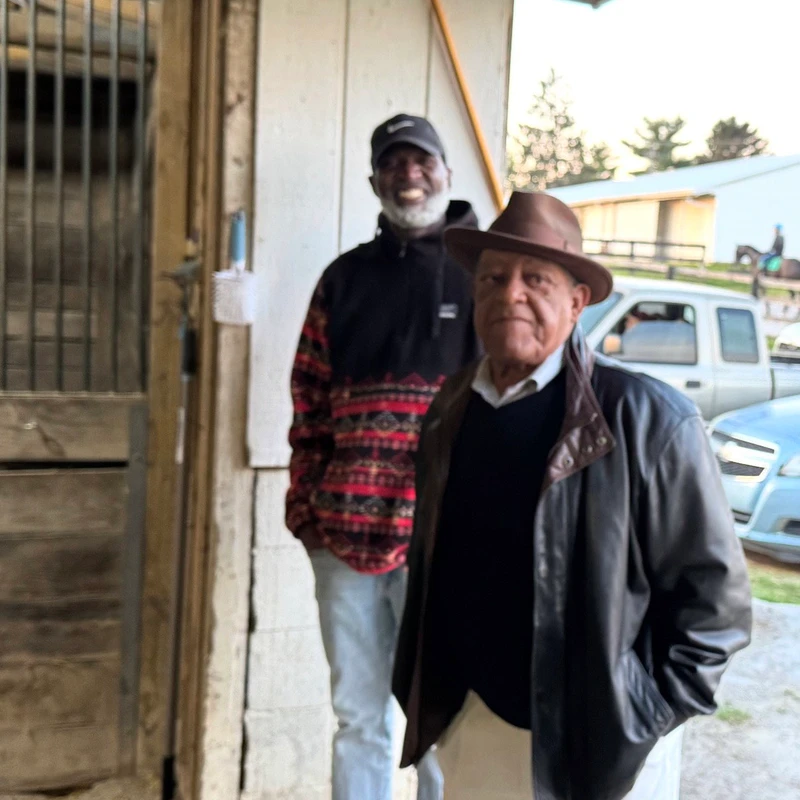
    Wallace Howard isn’t just participating in horse racing; he’s still actively changing the game. Featured in BLACK ENTERPRISE over 40 years ago, this Kentucky native is proving that age is just a number when you possess decades of experience and an unwavering passion. At 80 years old, Howard is still arriving at the barn early, meticulously studying bloodlines and preparing horses with the same precision that has defined his remarkable career.

    A Legacy Built on Insight and Inclusion

    Howard’s mindset—a blend of instinct, discipline, and lived experience—has been his compass through some of the most competitive circles in horse racing. He entered the industry at a time when Black men were often excluded, yet he forged a path, demonstrating that talent and dedication transcend barriers. This is particularly significant given the sport’s historical roots, where Black horsemen were once its backbone.

    His journey into racing wasn’t conventional. Initially making a name raising gamecocks, an unexpected opportunity with a white farm owner led him to a Kentucky horse farm. Surrounded by thoroughbreds, Howard discovered his calling. He became one of the first Black bloodstock agents, a role requiring a unique mix of technical knowledge and sharp intuition. “You got to be able to see,” Howard emphasizes. “People look and don’t see.”

    From Sourcing Talent to Training Winners

    Working with prominent clients like Motown Records founder Berry Gordy, Howard excelled at identifying horses with the potential to win at the highest levels. His process involved a deep understanding of a horse’s structure, movement, and innate potential. “I’m buying for confirmation,” he explained. “Clean knees, the right angles… and I get a feeling from it. When I see a good horse, I feel it.”

    This instinct took him globally, sourcing horses in places like Argentina during a turbulent political climate—a testament to his commitment and risk-taking. His reputation was further solidified when he successfully transformed a horse considered a mere ‘claiming horse’ into a Grade 1 stakes race winner for Luster Products founders Herbert and Precious Luster. “They told me it was a claiming horse,” Howard recalled. “I said, ‘Y’all got a stakes horse here.’ And we proved it.”

    The Business of Horse Racing Today

    Today, Howard continues to train, currently working with three promising horses, including a filly he believes has major stakes potential. His philosophy remains grounded in patience, discipline, and a refusal to compromise. “This is a patient game,” he stated. “You can’t rush it.”

    For Howard, success in horse racing is multifaceted, encompassing both profit and prestige. He has guided clients through the financial intricacies of the industry, emphasizing smart decision-making over sheer spending. “You ain’t got to spend a fortune to make a lot of money,” he advises. This strategic approach has cemented his status as both a skilled horseman and a shrewd strategist.

    Paving the Way for Future Generations

    Howard’s willingness to speak up and advocate for himself and others is a cornerstone of his legacy. He actively mentors aspiring horsemen, stressing the importance of listening, knowledge, discipline, and patience. He’s also collaborating with figures like Black cowboy Tim Walker and blacksmith Duane Raglin to broaden access to the industry.

    He champions initiatives like an all-Black race, believing it could create vital new pathways into the sport. “That would be huge,” he remarked. As he looks towards the future, Wallace Howard continues to trust his instincts and leverage his extensive knowledge, embodying the precision and belief that define success in the world of horse racing.

    What do you admire most about Wallace Howard’s career? Share your thoughts on the future of diversity in horse racing in the comments below!

  • Tina Knowles Recalls Racist Derby Incident

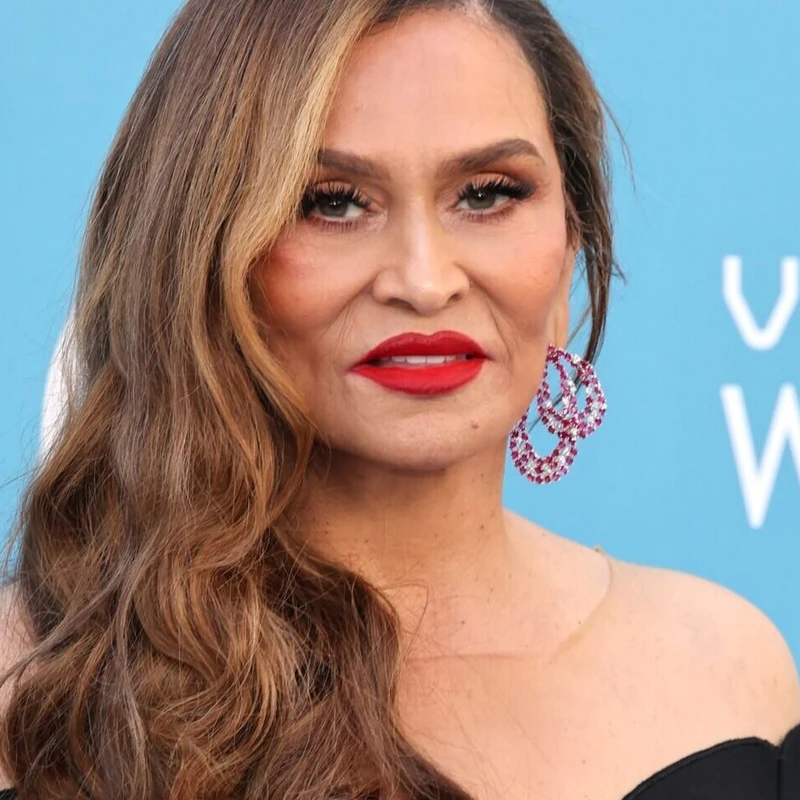
    Imagine attending a prestigious event, dressed to the nines, ready to enjoy the spectacle, only to be met with blatant discrimination. That’s exactly what happened to Tina Knowles at the 2024 Kentucky Derby, and she’s opening up about the shocking experience in the new Peacock documentary, ‘High Horse: The Black Cowboy.’

    A ‘Wake-Up Call’ at the Derby

    The Kentucky Derby, a symbol of American horse racing, has a rich but often overlooked Black history, with Black jockeys dominating its early years. Today, it’s known for its high fashion and elite guests. However, Tina Knowles, 71, found that even in such a glamorous setting, racism is still present. She described the incident as a ‘very big wake-up call’ to the ‘closed-off culture’ she encountered.

    While standing in line for the red carpet, Knowles was approached by a handler who seemed flustered. When she inquired why she couldn’t go next, the handler stammered, implying they ‘needed…’ before Knowles herself finished the thought: ‘A white person?’ Moments later, a white couple who had been behind her were escorted past her down the carpet.

    Reclaiming Black Contributions

    Knowles stated in the documentary that the energy at the Derby was ‘racially charged.’ This experience highlights the documentary’s aim to reclaim the often-erased legacy of Black contributions to Western and Southern culture, including events like the Derby. ‘High Horse: The Black Cowboy,’ executive produced by Jordan Peele’s Monkeypaw Productions, seeks to shed light on these historical narratives.

    Beyoncé’s ‘Cowboy Carter’ and Country Music Roots

    During the same period, Knowles’s oldest daughter, Beyoncé, faced criticism for her album ‘Cowboy Carter,’ with some accusing her of ‘appropriating’ country music. Knowles firmly pushed back against these claims, emphasizing that the genre has deep Black roots. She believes that instead of rewriting history, artists like Beyoncé are simply ‘going back and straightening the story out’ by highlighting these origins.

    The documentary ‘High Horse: The Black Cowboy’ is currently streaming on Peacock, offering a deeper look into the Black cowboy legacy and the cultural forces that have shaped it.

    Have you experienced or witnessed racism in unexpected places? Share your thoughts and experiences in the comments below!