Tag: Juneteenth

  • NPS Replaces MLK Day, Juneteenth Free Entry

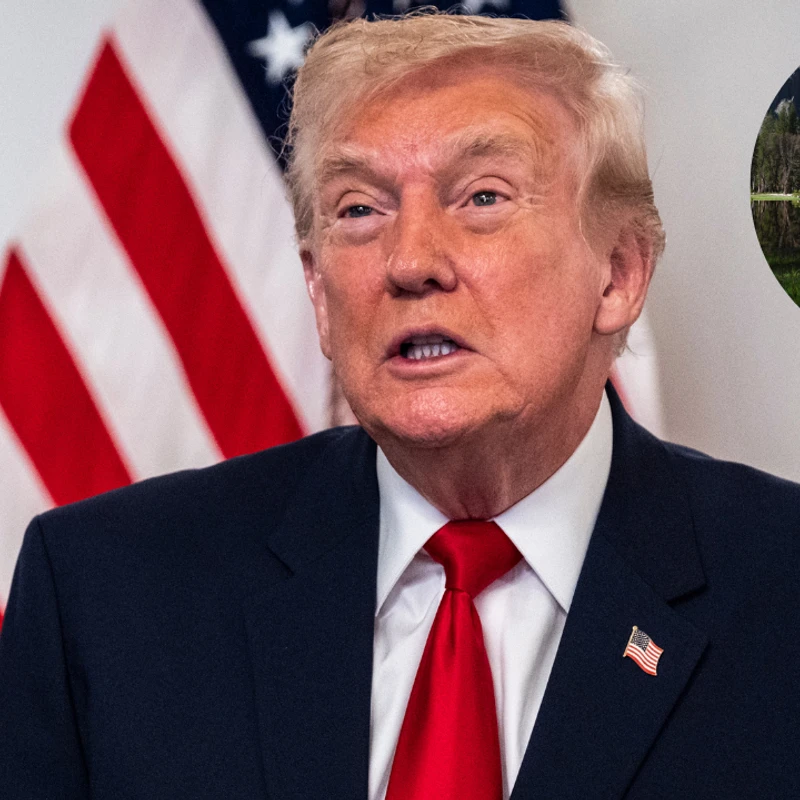
    In a move that has ignited significant criticism, the Trump administration has revised the National Park Service’s fee-free day calendar for 2026. Notably, Martin Luther King Jr. Day and Juneteenth, both federal holidays with profound significance for Black history and culture, have been removed from the list. These holidays were previously added to the calendar in 2018 and 2024, respectively.

    A Shift in Focus for Park Access

    The administration states this policy shift is part of an effort to emphasize diversity, equity, and inclusion, and to focus on America’s upcoming 250th anniversary. However, the decision to replace MLK Day and Juneteenth with days honoring past presidents, such as Theodore Roosevelt, and Flag Day – which coincidentally falls on President Trump’s 80th birthday – has drawn sharp criticism.

    Tyrhee Moore, executive director of Soul Trak Outdoors, a nonprofit focused on connecting urban communities of color with nature, expressed deep concern. “This policy shift is deeply concerning,” Moore told SFGATE. “Removing free-entry days on MLK Day and Juneteenth sends a troubling message about who our national parks are for.”

    Concerns Over Historical Significance and Access

    Moore further elaborated that these holidays hold profound cultural and historical significance for Black communities. Eliminating them as access points, he argued, feels like a direct targeting of groups who already face systemic barriers to outdoor recreation. This decision also coincides with the administration’s pause on public days of remembrance for these holidays and a broader ban on diversity, equity, and inclusion initiatives.

    The 2025 calendar included fee-free days on MLK Day, the first day of National Park Week (April 19), Juneteenth, the anniversary of the Great American Outdoors Act (August 24), National Public Lands Day (September 27), and Veterans Day (November 11). The new 2026 calendar significantly alters this lineup.

    The New 2026 Fee-Free Calendar

    The revised 2026 calendar includes Presidents Day (February 16), Memorial Day (May 25), Flag Day (June 14), Independence Day weekend (July 3-5), the National Park Service’s 110th birthday (August 25), Constitution Day (September 17), and Theodore Roosevelt’s birthday (October 27). Veterans Day remains the only holdover from the previous year’s list of significant fee-free days.

    • MLK Day and Juneteenth removed from 2026 National Park free entry days.
    • Donald Trump’s birthday (June 14) and Flag Day added.
    • Other new fee-free days include Presidents Day, Memorial Day, and Constitution Day.
    • Theodore Roosevelt’s birthday and NPS anniversary also added.
    • Veterans Day is the only previously recognized holiday remaining.

    According to the National Park Foundation, the National Park Service and the Department of the Interior are responsible for determining these fee-free days. While specific memorial sites like the MLK and Medgar Evers memorials remain accessible without charge, the broader policy change regarding entry days has sparked considerable debate about inclusivity and historical recognition within America’s cherished park system.

    What are your thoughts on the National Park Service’s decision to remove MLK Day and Juneteenth from its free entry days? Do you believe this reflects a broader issue? Share your perspective in the comments below!

  • 10 Undisputable Facts About U.S. Slavery

    Slavery in the United States is often presented as a simple historical chapter, but the reality is far more complex and its impact continues to resonate today. In an era where historical narratives are sometimes softened or altered, understanding the stark truths about chattel slavery is crucial. Here are ten undeniable facts that shed light on this foundational aspect of American history.

    The Immense Scale of the Transatlantic Slave Trade

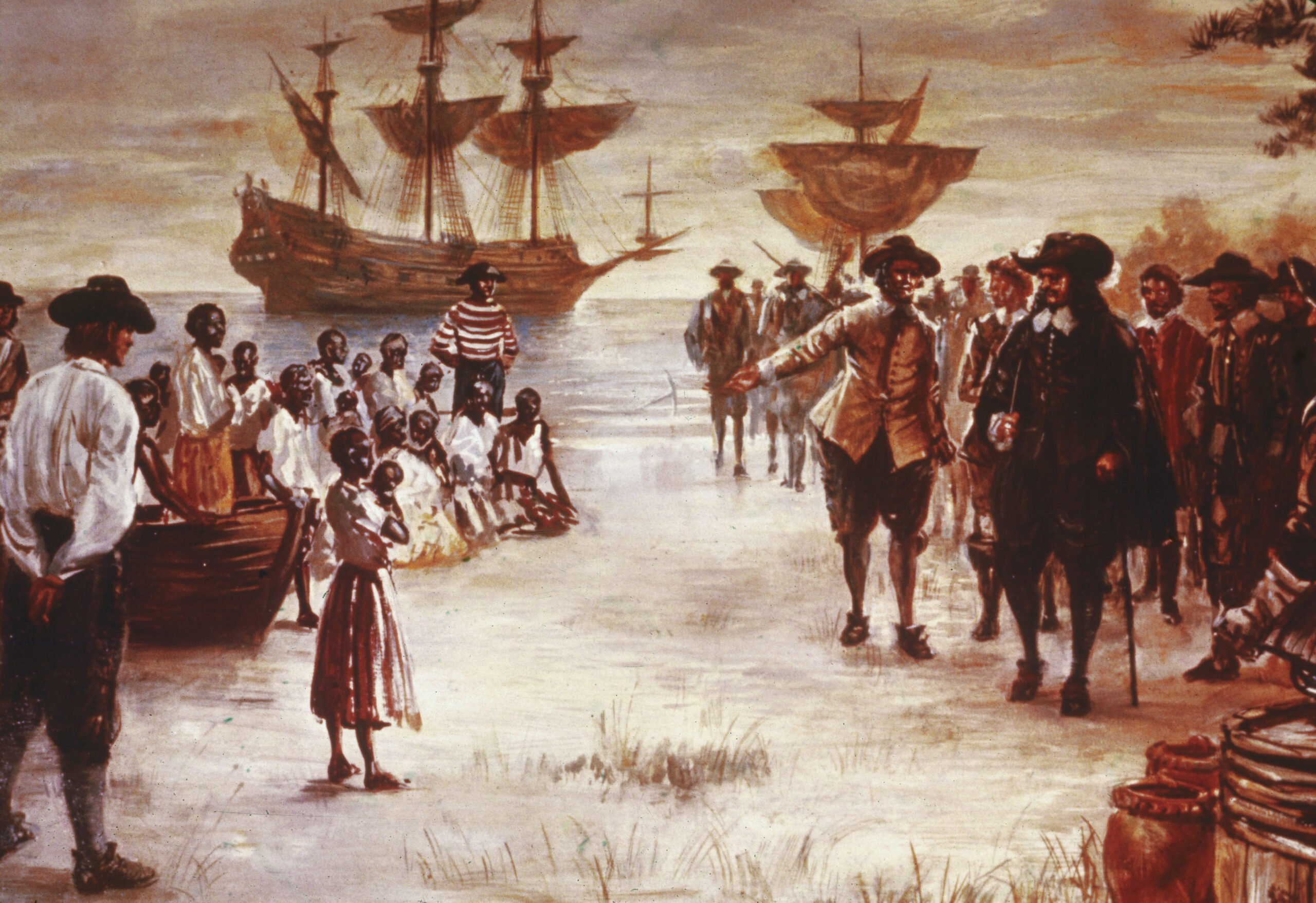
    Between the early 1500s and late 1800s, an estimated 12.5 million Africans were forcibly transported across the Atlantic. Tragically, only about 10.7 million survived the horrific Middle Passage. Shockingly, only about 5% of these enslaved Africans ended up in what is now the United States, with the majority sent to Brazil and the Caribbean. Unlike other forms of slavery, U.S. slavery was uniquely race-based and legally codified, treating enslaved people as property.

    The Late and Uneven Legal End of Slavery

    While the Emancipation Proclamation was issued in 1863, it only applied to Confederate states and couldn’t be enforced in areas still under Confederate control. Slavery legally persisted in Union border states like Kentucky and Delaware until the 13th Amendment was ratified in December 1865. This is why Juneteenth, celebrated on June 19th, marks the day enslaved people in Galveston, Texas, finally learned of their freedom, over two years after the Proclamation. This staggered end highlights the resistance to freedom and the subsequent implementation of Jim Crow laws and segregation.

    Institutions Still Profiting from Slavery

    Many contemporary companies and universities have direct links to the profits generated by slavery. Institutions like Lloyd’s of London insured slave ships, while companies such as Brooks Brothers sold “slave livery.” Major American banks and insurance giants like JPMorgan Chase, Bank of America, Aetna, and New York Life profited from slave-based collateral and policies. Elite universities, including Harvard and Yale, acknowledge their foundations were built on wealth derived from slavery.

    The Unimaginable Brutality of the Middle Passage

    The Middle Passage was a period of unimaginable horror. Captives were chained in suffocating, unsanitary conditions, facing rampant disease, abuse, and starvation. Mortality rates were as high as 15-25%, meaning millions died before reaching the Americas. Survivors carried deep physical and psychological trauma, impacting generations.

    Enslaved People Built America’s Foundations

    Beyond agricultural labor, enslaved individuals were instrumental in constructing iconic American landmarks, including the U.S. Capitol and the White House. They also fueled economies through the production of sugar, coffee, cotton, and tobacco, commodities that enriched global markets and financed American financial institutions. By the mid-19th century, cotton produced by enslaved labor constituted over half of U.S. exports.

    Slavery Was a National Enterprise, Not Just Southern

    While the South is often synonymous with slavery, Northern states were deeply involved. New York, Rhode Island, and Massachusetts had significant enslaved populations, and Rhode Island dominated the North American slave trade. Northern merchants financed voyages, insured ships, and processed slave-produced goods, demonstrating that slavery was a national economic engine, even after formal abolition in the North.

    Skilled Innovators Despite Oppression

    Enslaved Africans were not merely laborers; they were skilled artisans, innovators, and knowledge-bearers. Many were blacksmiths, carpenters, weavers, and woodworkers whose craftsmanship was vital to early America. They also brought crucial agricultural knowledge, particularly in rice cultivation, which significantly boosted plantation economies. These contributions highlight their ingenuity and the cultural imprints they left on American identity.

    The ‘Happy Slave’ Narrative Was Deliberate Propaganda

    The notion of “happy slaves” was a manufactured myth used to justify the brutality and dehumanization inherent in the system. Enslaved people faced routine rape, family separation through sale, and horrific medical exploitation. Despite this, they engaged in constant resistance, through escape, sabotage, and the preservation of African culture, acts that challenged the dehumanizing narrative.

    Enslaved People Were the Nation’s Largest Financial Asset

    On the eve of the Civil War, the estimated value of enslaved people in the U.S. was around $3 billion in 1860 dollars, making them the single largest financial asset in the country. This economic reality explains the fierce defense of slavery by wealthy elites. Even after emancipation, this wealth imbalance persisted, with governments sometimes compensating enslavers rather than the formerly enslaved.

    The Enduring Legacy of Slavery

    Emancipation did not end the impact of slavery; it evolved into systems like convict leasing, Jim Crow laws, redlining, and mass incarceration. The racial wealth gap, disproportionate incarceration rates for Black Americans, and ongoing systemic inequities are direct consequences of slavery’s institutional framework. Slavery is not merely a past event but the foundation upon which present-day challenges are built, a legacy from which Black people have continually survived and thrived.

    Which of these facts about U.S. slavery surprised you the most? How do you think understanding these truths impacts our present? Share your thoughts in the comments below!

  • LA Metro Honors Nipsey Hussle with Station Renaming

    Los Angeles Metro is honoring the indelible legacy of Nipsey Hussle with a special tribute coinciding with what would have been his 40th birthday on August 15th. The transit agency is celebrating the late rapper’s profound impact on the city’s culture and community through a temporary station renaming and the release of limited-edition TAP cards.

    Hyde Park Station Becomes Nipsey Hussle Station

    From August 15th through August 31st, the Hyde Park Metro station, famously located at the intersection of Crenshaw and Slauson – a significant spot in Nipsey’s life and music – will be temporarily renamed the Nipsey Hussle station. This symbolic gesture recognizes his deep connection to the area and his role as a community pillar.

    Adding to the tribute, Metro is releasing two unique, limited-edition TAP cards featuring iconic imagery of Nipsey Hussle. One card showcases a powerful photograph by Jonathan Mannion, capturing Nipsey at the very Crenshaw and Slauson intersection. The other card features a candid shot of him seated on a Metro bus, highlighting his roots and connection to public transit.

    Limited Edition TAP Cards for Fans

    A total of 12,000 of these special TAP cards will be distributed at various Metro locations, including the Hyde Park, Crenshaw, Slauson, Compton, Hollywood/Vine, and Expo/Crenshaw stations, as well as Metro Customer Centers. Additionally, new participants in Metro’s LIFE Program in South Los Angeles will receive one of these commemorative cards.

    These TAP cards are part of Metro’s ‘Metro x Culture’ campaign, designed to celebrate Angelenos who have significantly shaped the city’s cultural landscape, particularly those whose journeys began on Metro buses and trains. This initiative beautifully ties Nipsey Hussle’s story to the fabric of Los Angeles.

    An Enduring Legacy

    Nipsey Hussle’s influence extends far beyond his music; his commitment to community activism and empowerment left a lasting impact. This tribute from Los Angeles Metro serves as a powerful reminder of his contributions, ensuring his legacy continues to inspire future generations.

    How has Nipsey Hussle’s music or activism inspired you? Share your thoughts and memories in the comments below!