Tag: Jim Crow

  • White Woman Sues All-White Community for Discrimination

    In a case that highlights the persistent issue of housing discrimination, a white woman named Michelle Walker is suing an organization called Return to the Land. The group, which aims to create an all-white community in rural Arkansas, allegedly rejected Walker’s housing application. The reason? Her Jewish heritage, Black husband, and biracial children.

    A Lawsuit Against Exclusion

    Walker, who identifies as white, Christian, and a real estate broker, filed a federal discrimination lawsuit against the organizers. Her complaint states that the group’s founders believe in white genetic superiority, view Jewish people as a threat to the white race, and advocate for segregated communities to prevent ‘white genocide.’ Walker’s attorney, Reed Colfax of the Legal Defense Fund, called the actions ‘blatant and brazen violations of long-standing federal and state fair housing laws.’

    The lawsuit asserts that Walker has been denied her housing and civil rights, including the fundamental right to purchase land and build a home. This case brings to light the disturbing reality of white supremacist ideologies attempting to manifest in exclusive residential enclaves.

    Red Flags Ignored?

    Walker reportedly learned about the land sale in the Ozarks last summer and was initially drawn to the low asking price. However, during the application process, she encountered a series of intrusive questions about her ancestry and religion. She disclosed her family’s history, including her husband’s Irish and African descent and her children’s mixed heritage, as well as her Christian faith.

    Despite recognizing these questions as potential violations of fair housing laws, Walker completed the application, hoping the organization would comply with legal standards. She was later interviewed and asked if she belonged to ‘any other white nationalist organizations.’ After a month of silence, she was informed her application would not be approved.

    A Confusing Application Process

    The application process itself seems to have been riddled with red flags, leading to questions about Walker’s awareness of the community’s exclusionary nature. The article humorously speculates on whether she consulted her Black husband about applying to a community explicitly seeking to exclude non-white residents.

    The situation is framed within a broader context of what the author describes as an ‘absurd timeline,’ referencing past actions by the Trump administration that were seen as catering to white grievance claims. Regardless of the motivations or awareness, Walker’s lawsuit seeks to challenge the blatant discrimination she allegedly faced.

    What are your thoughts on Michelle Walker’s lawsuit and the existence of exclusive communities? Share your perspective in the comments below!
  • Easter Fashion: A Black Cultural Tradition

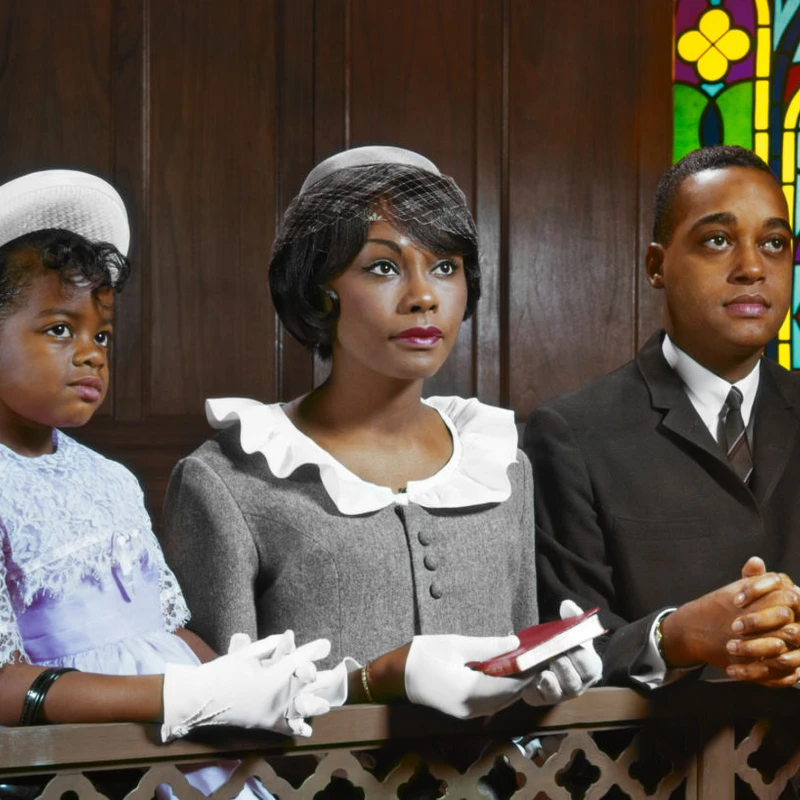
    Easter Sunday in the Black community is more than just a religious observance; it’s a deeply ingrained cultural event, a time for fellowship, and, most visibly, a spectacular showcase of style. This cherished tradition, where elders, especially women, present themselves in meticulously chosen ensembles, is a powerful statement of resilience, identity, and profound respect.

    The Historical Roots of ‘Sunday Best’

    The concept of “Sunday Best” emerged from a history marked by enslavement and Jim Crow segregation, eras when Black individuals were systematically denied wealth and dignity. In this challenging context, the church became a vital sanctuary, offering a space for personal agency and self-expression. Fashion, in this regard, became a political tool.

    As writer and creator Virginia Cumberbatch notes, style serves as a “universal language,” consciously and unconsciously communicating values and beliefs. She highlights how clothing has historically been used to anchor cultural practices, affirm social status, and even challenge the status quo. For marginalized communities, including the Chicano and Black Power movements, fashion has been a form of resistance against invisibility and injustice.

    Dressing with Dignity and Defiance

    In a society that often sought to diminish them, donning the finest attire was a way for Black individuals to affirm their self-worth and dignity. Attending church in impeccable fashion was a silent yet powerful protest against the dehumanizing effects of racism. Growing up, a sharp suit, crisp gloves, or a new hat symbolized success, accomplishment, and the enduring hope for a better future.

    Since financial advancement was often limited, investing care and resources into one’s appearance for the Lord’s Day became a significant marker of status and pride for the entire congregation. Elders, by dressing impeccably, set a standard and embodied the community’s collective commitment to excellence, even amidst adversity.

    Easter: The Pinnacle of Sartorial Expression

    Easter Sunday represents the zenith of this fashion tradition—a spiritual and sartorial crescendo. While every Sunday calls for effort, Easter demands a masterpiece. For Kyra Brown, Founder of Resilient Grace, Easter fashion is a profound reflection of faith, freedom, and identity, blending generational memories with personal expression.

    The “Sunday Best” on Easter is a visual testament to reverence and pride. It honors ancestors who offered their best to God despite having very little, transforming dressing up into an act of dignity and worship. This legacy continues today, celebrating both resurrection and representation.

    Hallmarks of Easter Elegance

    • **Maximalism and Coordination:** Outfits are characterized by bold choices, meticulous coordination, and an artistic attention to detail.
    • **The Easter Hat (The ‘Crown’):** Often the most crucial element, especially for women. Wide-brimmed, brightly colored, and adorned with feathers, ribbons, or jewels, the hat is a personal statement of royalty and reverence, famously seen in the fashion choices of First Ladies like Michelle Obama.
    • **Luxurious Fabrics and Colors:** Lighter, brighter colors and rich fabrics like silks, satins, fine wools, and linens are common, symbolizing spring and new life.
    • **Flawless Fit and Accessories:** Impeccable tailoring and coordinating accessories—gloves, matching shoes, and handbags—are essential for a polished, cohesive look.
    • **Generational Influence:** Elders pass down the significance of this ritualistic dressing, ensuring younger generations understand its legacy of resilience and faith.

    The elaborate Easter attire worn by Black elders is more than just clothing; it’s a living legacy. Grandparents and great-grandparents instill the importance of this tradition, teaching younger generations about the weight and meaning behind that walk into the sanctuary. It’s a powerful connection to heritage, faith, and the enduring strength of the community.

    What does Easter fashion mean to you and your family? Share your favorite memories or traditions in the comments below!

  • Clyburn: Project 2025 Is ‘Jim Crow 2.0’

    Legendary South Carolina Congressman Jim Clyburn, a prominent voice in Democratic politics, is drawing a stark comparison between the conservative policy blueprint known as Project 2025 and the oppressive Jim Crow era. In a recent podcast appearance, Clyburn didn’t mince words, labeling Project 2025 as “Jim Crow 2.0” and highlighting alarming similarities to historical efforts to suppress equality.

    A Historical Parallel

    Speaking with former Democratic National Committee chair Jaime Harrison on the ‘At Our Table’ podcast, Clyburn explained his reasoning. He noted that the violence and resistance seen today mirror the reactions following the Reconstruction and Emancipation Proclamation periods. “And the reaction to all of that is those people who did not want to see the formerly enslaved assimilated into our society fought it,” Clyburn stated. “And they fought to redeem the pre-Civil War antebellum period.”

    Project 2025, a comprehensive 1,000-page policy document, has garnered significant attention for its extreme conservative proposals. These include stringent anti-immigration policies, efforts against Diversity, Equity, and Inclusion (DEI) initiatives, and restrictions on women’s reproductive rights. Clyburn argues that these policies echo the systemic disenfranchisement and discrimination of the Jim Crow South.

    Echoes of the Past in Present Protests

    Clyburn’s comparison is further fueled by the correlation between Project 2025’s agenda and the protests that have erupted in response. The blueprint’s policies have already seen some implementation, such as redistricting efforts and limitations on women’s reproductive freedom in certain states. These developments resonate with historical struggles for civil rights.

    The congressman pointed to historical events like “Bloody Sunday” in 1965, where Civil Rights marchers faced brutal violence while advocating for voting rights. He draws a parallel to modern movements like Black Lives Matter, where activists protesting police brutality have also encountered violence. Project 2025’s alleged attempts to intimidate residents in Black communities through masked marches further solidify Clyburn’s concerns about a return to oppressive tactics.

    Concerns Over Voting Rights and Representation

    A significant concern highlighted by Clyburn is the potential threat to voting rights. He points to redistricting plans, including those being spearheaded in his home state of South Carolina, as efforts that could undermine equitable representation for Black voters. Republican U.S. Rep. Ralph Norman’s call to redraw district lines, specifically targeting Clyburn’s 6th Congressional District, is seen as part of this broader push.

    Despite these challenges, Clyburn, who has represented his South Carolina district since 1992, remains steadfast. He notes that his district is protected under Section 2 of the Voting Rights Act, a result of decades-long legal battles for equitable representation. “I’m not concerned at all. I know the people of South Carolina very well,” Clyburn asserted, expressing confidence in his constituents and his district’s established protections, even while acknowledging the partisan nature of state politics.

    A Call for Vigilance

    Congressman Clyburn’s strong words serve as a critical warning about the potential implications of Project 2025. By drawing parallels to the Jim Crow era, he urges a deeper understanding of the historical context and the ongoing fight for civil rights and equal representation in America.

    What are your thoughts on Rep. James Clyburn’s comparison of Project 2025 to Jim Crow? Do you believe these policies pose a threat to equality and voting rights? Share your views in the comments below!

  • 10 Undisputable Facts About U.S. Slavery

    Slavery in the United States is often presented as a simple historical chapter, but the reality is far more complex and its impact continues to resonate today. In an era where historical narratives are sometimes softened or altered, understanding the stark truths about chattel slavery is crucial. Here are ten undeniable facts that shed light on this foundational aspect of American history.

    The Immense Scale of the Transatlantic Slave Trade

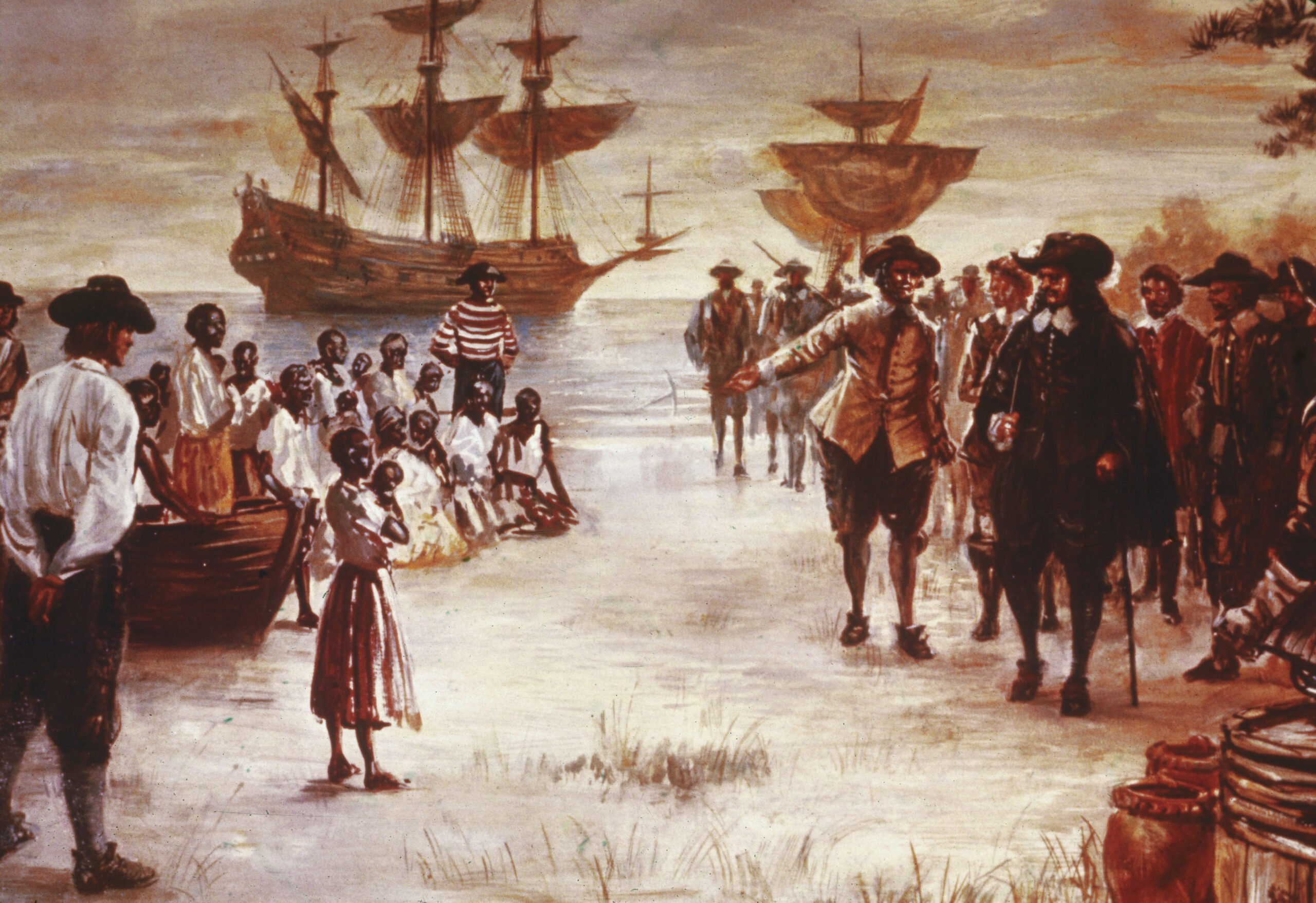
    Between the early 1500s and late 1800s, an estimated 12.5 million Africans were forcibly transported across the Atlantic. Tragically, only about 10.7 million survived the horrific Middle Passage. Shockingly, only about 5% of these enslaved Africans ended up in what is now the United States, with the majority sent to Brazil and the Caribbean. Unlike other forms of slavery, U.S. slavery was uniquely race-based and legally codified, treating enslaved people as property.

    The Late and Uneven Legal End of Slavery

    While the Emancipation Proclamation was issued in 1863, it only applied to Confederate states and couldn’t be enforced in areas still under Confederate control. Slavery legally persisted in Union border states like Kentucky and Delaware until the 13th Amendment was ratified in December 1865. This is why Juneteenth, celebrated on June 19th, marks the day enslaved people in Galveston, Texas, finally learned of their freedom, over two years after the Proclamation. This staggered end highlights the resistance to freedom and the subsequent implementation of Jim Crow laws and segregation.

    Institutions Still Profiting from Slavery

    Many contemporary companies and universities have direct links to the profits generated by slavery. Institutions like Lloyd’s of London insured slave ships, while companies such as Brooks Brothers sold “slave livery.” Major American banks and insurance giants like JPMorgan Chase, Bank of America, Aetna, and New York Life profited from slave-based collateral and policies. Elite universities, including Harvard and Yale, acknowledge their foundations were built on wealth derived from slavery.

    The Unimaginable Brutality of the Middle Passage

    The Middle Passage was a period of unimaginable horror. Captives were chained in suffocating, unsanitary conditions, facing rampant disease, abuse, and starvation. Mortality rates were as high as 15-25%, meaning millions died before reaching the Americas. Survivors carried deep physical and psychological trauma, impacting generations.

    Enslaved People Built America’s Foundations

    Beyond agricultural labor, enslaved individuals were instrumental in constructing iconic American landmarks, including the U.S. Capitol and the White House. They also fueled economies through the production of sugar, coffee, cotton, and tobacco, commodities that enriched global markets and financed American financial institutions. By the mid-19th century, cotton produced by enslaved labor constituted over half of U.S. exports.

    Slavery Was a National Enterprise, Not Just Southern

    While the South is often synonymous with slavery, Northern states were deeply involved. New York, Rhode Island, and Massachusetts had significant enslaved populations, and Rhode Island dominated the North American slave trade. Northern merchants financed voyages, insured ships, and processed slave-produced goods, demonstrating that slavery was a national economic engine, even after formal abolition in the North.

    Skilled Innovators Despite Oppression

    Enslaved Africans were not merely laborers; they were skilled artisans, innovators, and knowledge-bearers. Many were blacksmiths, carpenters, weavers, and woodworkers whose craftsmanship was vital to early America. They also brought crucial agricultural knowledge, particularly in rice cultivation, which significantly boosted plantation economies. These contributions highlight their ingenuity and the cultural imprints they left on American identity.

    The ‘Happy Slave’ Narrative Was Deliberate Propaganda

    The notion of “happy slaves” was a manufactured myth used to justify the brutality and dehumanization inherent in the system. Enslaved people faced routine rape, family separation through sale, and horrific medical exploitation. Despite this, they engaged in constant resistance, through escape, sabotage, and the preservation of African culture, acts that challenged the dehumanizing narrative.

    Enslaved People Were the Nation’s Largest Financial Asset

    On the eve of the Civil War, the estimated value of enslaved people in the U.S. was around $3 billion in 1860 dollars, making them the single largest financial asset in the country. This economic reality explains the fierce defense of slavery by wealthy elites. Even after emancipation, this wealth imbalance persisted, with governments sometimes compensating enslavers rather than the formerly enslaved.

    The Enduring Legacy of Slavery

    Emancipation did not end the impact of slavery; it evolved into systems like convict leasing, Jim Crow laws, redlining, and mass incarceration. The racial wealth gap, disproportionate incarceration rates for Black Americans, and ongoing systemic inequities are direct consequences of slavery’s institutional framework. Slavery is not merely a past event but the foundation upon which present-day challenges are built, a legacy from which Black people have continually survived and thrived.

    Which of these facts about U.S. slavery surprised you the most? How do you think understanding these truths impacts our present? Share your thoughts in the comments below!