Tag: Jerome Powell

  • Pressley to Powell: Address Black Women’s Unemployment

    Are you keeping an eye on the job market? Because if you are, you might have noticed some concerning trends, especially for Black women. Congresswoman Ayanna Pressley is sounding the alarm, urging Federal Reserve Chair Jerome Powell to take immediate action as the unemployment rate for Black women continues to climb at a disproportionate rate.

    The Alarming Numbers

    In a letter sent on September 8, 2025, Pressley highlighted that in August, a staggering 6.7% of Black women were unemployed. To put that in perspective, it’s significantly higher than the national average of 4.3%, according to the Bureau of Labor Statistics. This isn’t just a blip; it’s a continuation of a worrying trend.

    As AFROTECH™ reported previously, Black women have faced elevated unemployment rates for months. The numbers have steadily increased, from 5.1% in March to a peak of 6.2% in May, before a slight dip in June. Pressley emphasizes that this disparity is a critical indicator of the overall health of the U.S. economy.

    Why This Matters

    Pressley points out that Black women are not only highly represented in higher education and entrepreneurship but also disproportionately serve as the primary breadwinners for their families. When this key demographic faces significant job losses, it sends shockwaves through households and the broader economy.

    She warns that with overall job openings and hires decreasing since July 2024, the current economic outlook should be viewed as a serious red flag for the entire country. This isn’t just about individual job losses; it’s about economic stability for many families.

    Contributing Factors

    Several factors are contributing to this crisis, according to Pressley. She cites mass federal workforce layoffs and ongoing attacks on diversity, equity, and inclusion (DEI) initiatives, particularly those escalated under the Trump administration. Black women are overrepresented in the federal workforce, making them particularly vulnerable to these cuts.

    The numbers are stark: between February and March, Black women experienced the largest job loss since mid-2020. Over the past year, their representation in federal jobs has declined by an estimated 33%, a much steeper drop than the overall federal workforce. This suggests a targeted impact on this demographic.

    A Call for Federal Reserve Action

    Pressley argues that these policies are harming the economy by removing the valuable contributions of Black women. She insists that the Federal Reserve must adjust its approach to ensure a fair economy, especially in light of what she calls “fiscally irresponsible policies from the White House.”

    She has formally requested a detailed plan from Chair Powell by September 30, 2025, outlining how the Fed intends to address the rising unemployment rate among Black women. It’s a clear demand for accountability and proactive measures.

    What do you think the Federal Reserve should do to address the rising unemployment rate among Black women? Share your thoughts in the comments below!

  • Markets Retreat Ahead of Key Economic Data

    U.S. markets saw a retreat on Thursday as investors adopted a cautious approach ahead of two significant economic reports. These upcoming data releases—the Personal Consumption Expenditures (PCE) Price Index and the nonfarm payroll numbers—are expected to heavily influence the Federal Reserve’s policy decisions, particularly regarding potential interest rate cuts in September.

    Pivotal PCE Inflation Data on the Horizon

    All eyes are on Friday’s release of the PCE Price Index, the Federal Reserve’s preferred measure of inflation. This report will be critical in determining whether inflation is cooling sufficiently to warrant a rate reduction. A moderation in inflation could give Federal Reserve Chair Jerome Powell the confidence to ease monetary policy, while persistent inflation might force the Fed to delay rate cuts, despite market pressure.

    The PCE data’s potential to significantly sway market sentiment explains the current cautious positioning among traders. This data point is seen as a make-or-break moment for current Fed policy expectations.

    Jobs Report Adds Another Layer of Uncertainty

    Adding to the economic tension, the upcoming August nonfarm payroll report will provide further insight into the labor market’s resilience. A strong jobs report could paradoxically dampen hopes for a September rate cut, suggesting the economy doesn’t require immediate Fed support. Conversely, weaker employment data might boost rate cut expectations but could also signal growing recessionary concerns.

    This dual release of critical economic data creates a complex environment for investors, who are trying to balance optimism from Powell’s recent dovish comments with the reality of incoming economic indicators.

    Market Pullback and Investor Caution

    The S&P 500, Dow Jones Industrial Average, and Nasdaq Composite all saw modest declines on Thursday, pulling back from near-record highs achieved earlier in the week. This cautious trading reflects typical investor behavior before significant data releases, as traders lock in recent gains while awaiting clarity on the economic outlook. The bond market also shows this uncertainty, with yields climbing as traders adjust positions ahead of the economic reports.

    Powell’s Dovish Shift and the Fed’s Balancing Act

    Federal Reserve Chair Jerome Powell’s recent comments, which hinted at potential rate cuts, had previously fueled a market rally. However, the Fed’s policy decisions remain data-dependent, leading to ongoing market volatility. The Fed faces a delicate balancing act: curbing inflation while avoiding economic damage from overly restrictive policies. Powell must navigate market pressures with economic realities, making these upcoming reports crucial for maintaining Fed credibility.

    The next two weeks are poised to be decisive, as the PCE inflation data and employment numbers will either validate dovish expectations or necessitate a reassessment of rate cut timing. Investors are preparing for potential volatility, regardless of the outcomes, as these reports could significantly reshape market trends.

    How are you positioning your investments amidst this economic uncertainty? Share your strategies in the comments below!

  • Opendoor Stock Surges 9% on Powell’s Rate Cut Hints

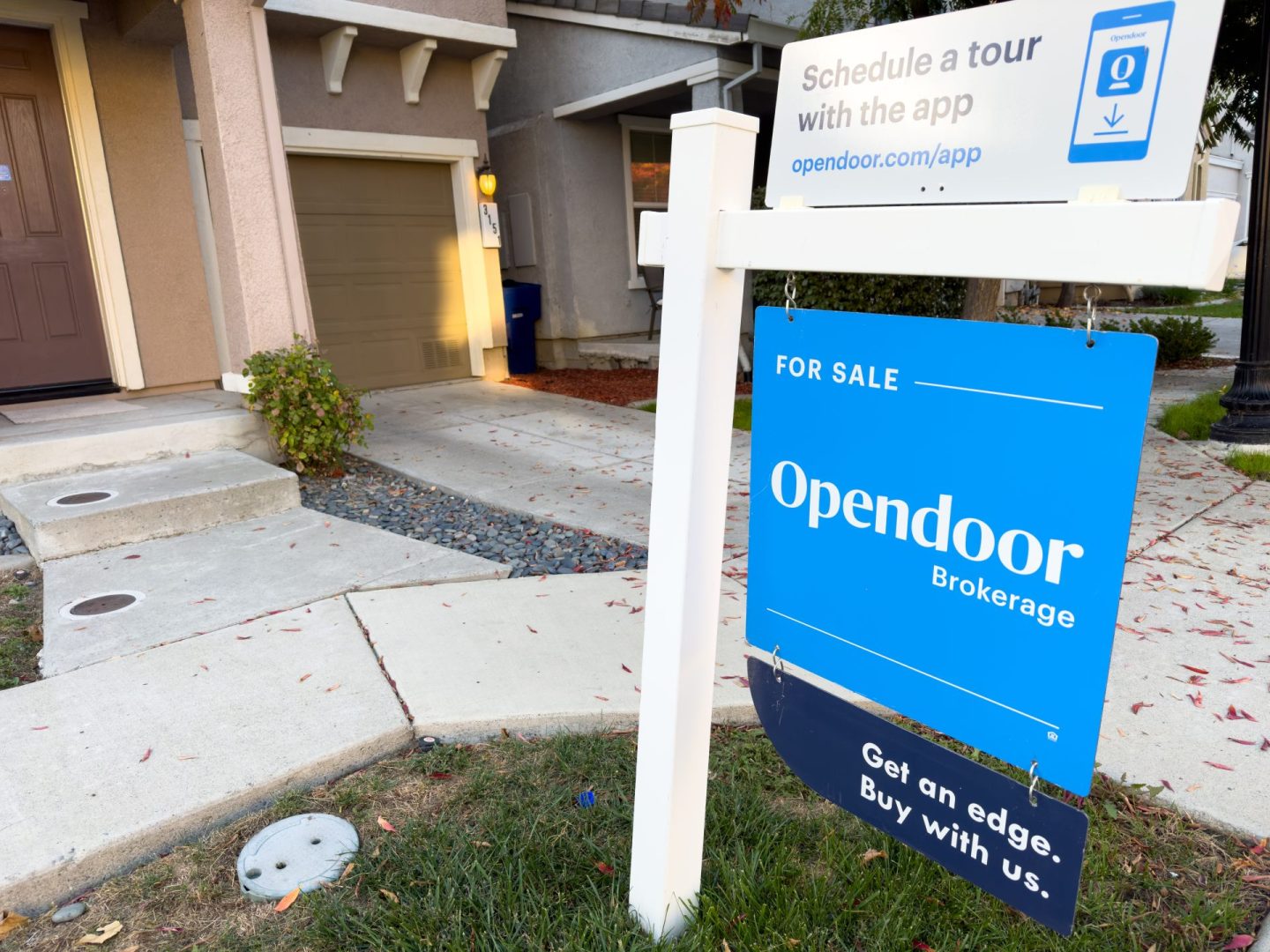
    Real estate technology company Opendoor Technologies is making waves on Wall Street, with its stock climbing 9.18% on Monday morning. This surge extends a remarkable month-long rally, during which the stock has gained an impressive 102%. The latest boost comes as investors digest Federal Reserve Chair Jerome Powell’s recent remarks, which have sparked speculation about potential shifts in monetary policy.

    Powell’s Comments Fuel Housing Market Optimism

    The primary catalyst for Opendoor’s recent momentum appears to be Powell’s speech at the Jackson Hole Economic Symposium. His comments hinted at a potentially more accommodating monetary policy, suggesting the Federal Reserve might consider cutting interest rates if economic data continues to indicate slowing growth. For interest-sensitive sectors like housing, and specifically for companies like Opendoor that operate in the real estate market, the prospect of lower borrowing costs is highly significant.

    Lower interest rates typically lead to more affordable mortgages, which could stimulate demand from both buyers and sellers who have been hesitant due to high financing costs. Market observers and social media influencers have widely discussed this potential shift, with many believing that rate cuts could help “unfreeze” the housing market, which has been constrained by affordability issues.

    AI Strategy and Future Growth

    Beyond macroeconomic factors, Opendoor’s leadership is also focusing on the company’s future. Interim CEO Shrishia Radhakrishna has outlined an ambitious strategy centered on artificial intelligence (AI) and platform diversification. Radhakrishna views AI as a “core primitive” for Opendoor’s next developmental phase, aiming to optimize costs and improve platform efficiency. This tech-forward approach seeks to differentiate Opendoor from traditional real estate firms and enhance its operational performance.

    The integration of AI is part of a larger multi-product model designed to expand Opendoor’s revenue streams beyond its core iBuying business. This diversification strategy aims to address investor concerns about the company’s reliance on housing market cycles. The company’s stock performance, trading at $5.47, reflects a 27% gain over the last five sessions, signaling renewed investor confidence.

    Navigating Market Volatility and Housing Dynamics

    Opendoor’s recent stock performance highlights the significant volatility experienced by growth stocks, especially in cyclical industries like real estate. The company’s shares have seen a wide trading range over the past year, influenced by market sentiment regarding housing conditions and the iBuying model itself. High mortgage rates have previously challenged transaction volumes and compressed margins.

    However, the current rally suggests a more optimistic outlook, particularly if interest rates decrease. The housing market has been largely stagnant due to high mortgage rates, creating a “lock-in effect” where homeowners are reluctant to sell. A potential shift towards lower rates could revitalize market activity, benefiting Opendoor’s transaction-dependent business model. The company’s technological approach may allow it to capitalize more effectively on a market recovery compared to traditional real estate firms.

    What are your thoughts on Opendoor’s stock performance and the future of the housing market? Share your insights in the comments below!