Tag: Israel

  • DJ Akademiks: Jay-Z is Hip-Hop’s ‘Israel’

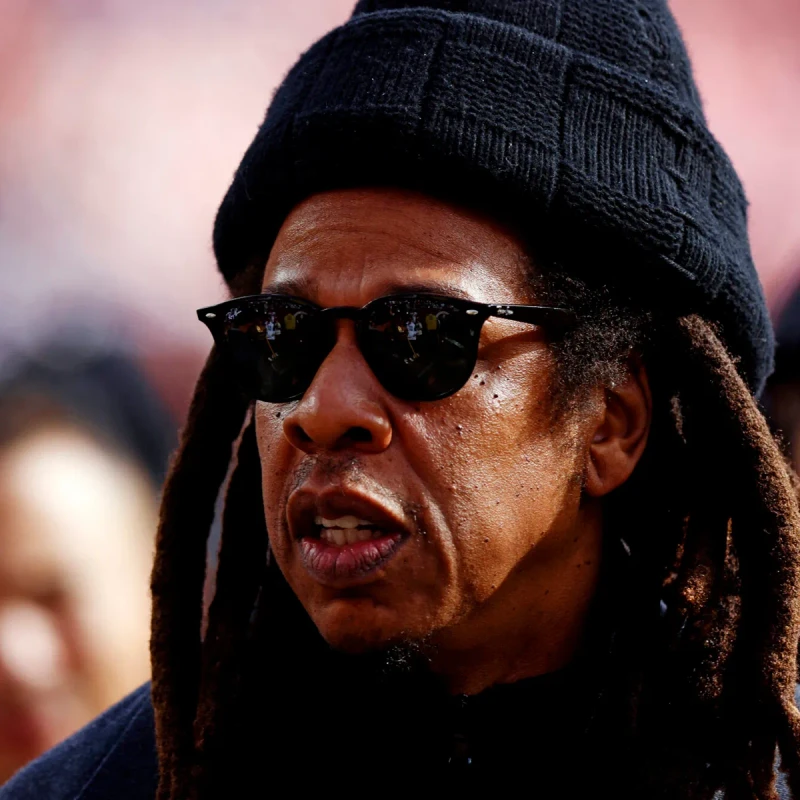
    DJ Akademiks is known for his unfiltered opinions, and his latest take has stirred up quite a debate. In a recent rant, the commentator compared Jay-Z to Israel, suggesting that fans are overly protective of the hip-hop mogul and too quick to defend him, even when facing criticism.

    The ‘Israel of Hip-Hop’ Analogy

    Akademiks drew a parallel between Jay-Z and Israel, referencing the country’s geopolitical conflicts and strong backing from the United States. He argued that, much like Israel, Jay-Z receives a level of defense and celebration that he believes is disproportionate. “Jay-Z is the Israel of hip-hop,” Akademiks stated, as captured by Kurrco on Twitter.

    He elaborated, suggesting that a “clown show of ‘protect him’” surrounds Jay-Z, especially with the 30th anniversary of his seminal album ‘Reasonable Doubt’ approaching. Akademiks feels that this milestone will lead to an excessive celebration, with awards and accolades being given out simply for the sake of it, similar to what he perceives with Kendrick Lamar’s recognition.

    Is Jay-Z Still the GOAT?

    Akademiks also questioned Jay-Z’s status as the ultimate standard in hip-hop, particularly among younger generations. He believes that while older fans might view Hov as a GOAT, those under 30 see him more as “just a good rapper.” He contrasted this with Michael Jordan’s undisputed legacy in basketball, stating, “Jay-Z isn’t the standard that we compare musicians to.”

    While Akademiks has often been critical of Jay-Z’s recent career moves and public perception, he does acknowledge Hov’s business acumen and lyrical talent. However, he maintains that the way Jay-Z is discussed and celebrated often goes too easy on him, leading to a lack of critical conversation.

    A History of Skepticism

    This isn’t the first time DJ Akademiks has expressed skepticism about Jay-Z. His commentary often fuels debates across social media, touching on everything from alleged connections to controversial figures to comparisons with other artists. His willingness to challenge established narratives keeps the conversation around hip-hop’s biggest names lively.

    Do you agree with DJ Akademiks’ comparison of Jay-Z to Israel? Is he too critical, or does he have a point about how fans defend the rap icon? Share your thoughts in the comments below!
  • Trump Orders Hormuz Blockade, Threatens Iran

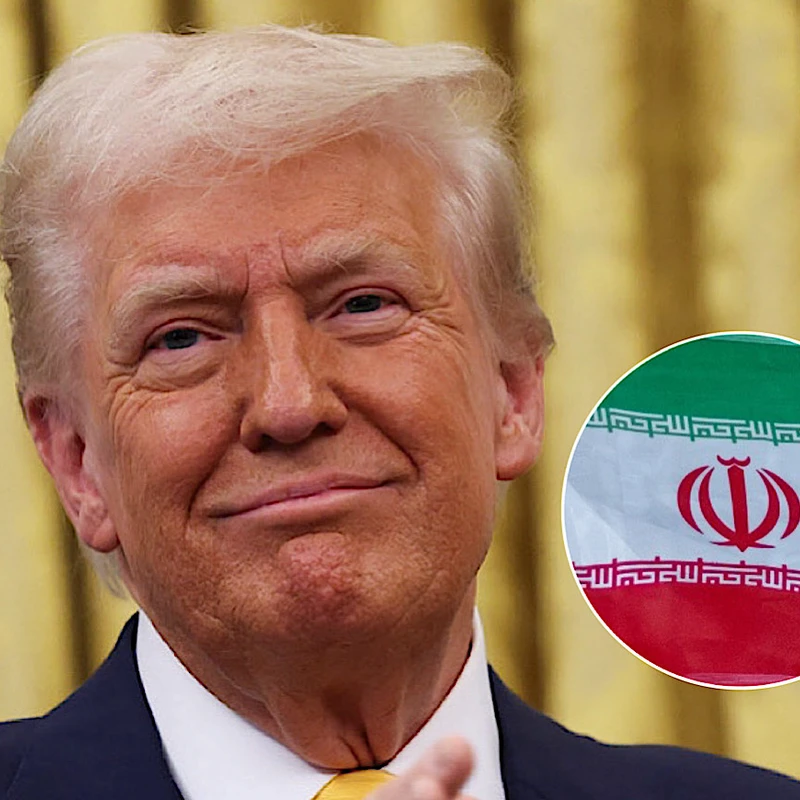
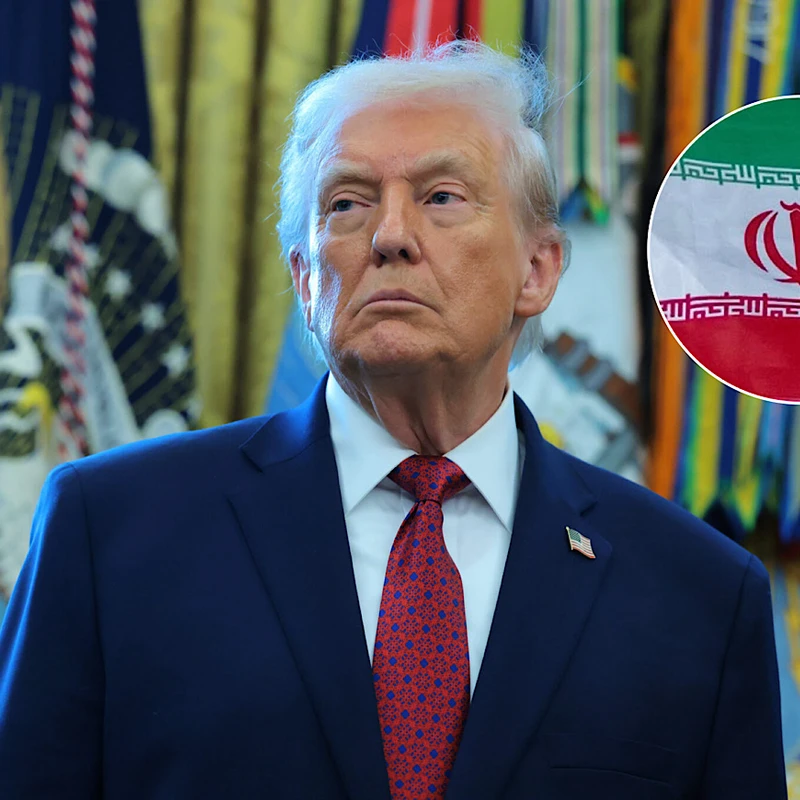
    Tensions have escalated dramatically as President Donald Trump announced a U.S. naval blockade on the Strait of Hormuz. This move comes after a marathon 21-hour negotiation session aimed at reaching a peace deal with Iran failed to yield an agreement, particularly on the critical issue of nuclear ambitions.

    Failed Peace Talks and a Stern Ultimatum

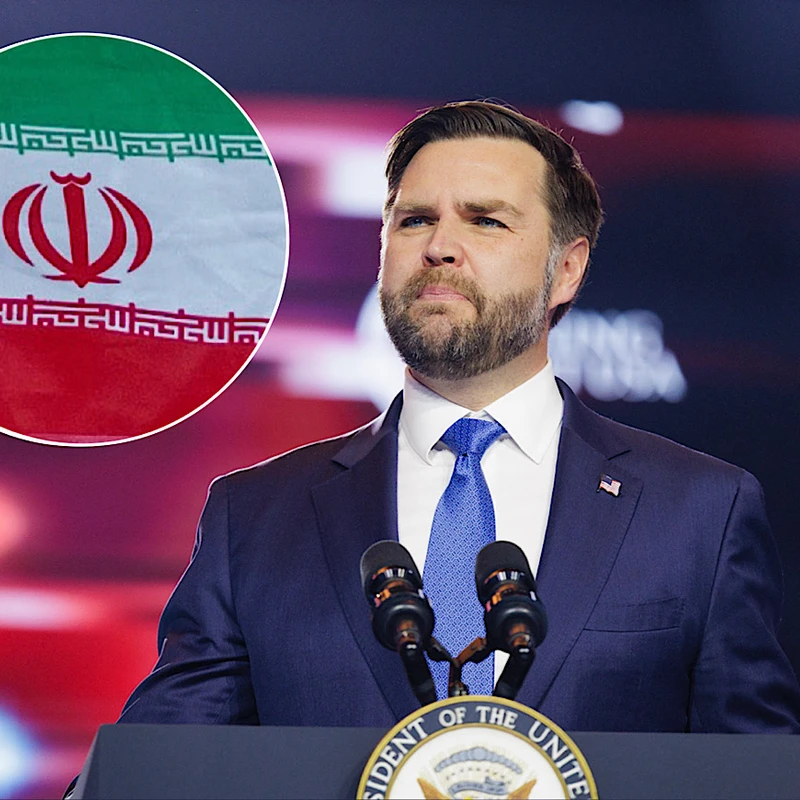
    Vice President JD Vance led the high-stakes talks in Islamabad, Pakistan, alongside Pakistani officials and Iranian representatives. Despite reaching agreements on most points, the core issue of Iran’s nuclear program remained a sticking point, leading to the breakdown of negotiations on April 11, 2026.

    Following the failed talks, President Trump took to Truth Social to declare the United States Navy would immediately begin blockading all ships attempting to enter or leave the Strait of Hormuz. He accused Iran of engaging in ‘world extortion’ by claiming unknown mines in the waterway, stating that no nation paying an ‘illegal toll’ would have safe passage.

    Threats of Military Action and ‘World Extortion’

    Trump’s statements were stark, threatening to ‘Take out Iran in one day’ if necessary. He also instructed the Navy to interdict vessels in international waters that have paid tolls to Iran and to begin destroying mines allegedly laid by Iran. The President emphasized that Iran knows how to end the situation, referencing their depleted military capabilities due to their nuclear ambitions.

    In a second post, Trump reiterated Iran’s failure to uphold its promise to open the Strait of Hormuz, causing global anxiety. He questioned the claim of mines, especially after Iran’s naval assets were reportedly destroyed, but acknowledged the fear this creates for ship owners. The President also highlighted the ‘great dishonor and permanent harm’ to Iran’s reputation.

    Key Figures and International Involvement

    The President mentioned being fully debriefed by Vice President JD Vance, Special Envoy Steve Witkoff, and Jared Kushner. He also acknowledged the ‘extraordinary men’ Field Marshal Asim Munir and Prime Minister Shehbaz Sharif of Pakistan for their role in facilitating the talks. Trump noted that while many points were agreed upon, they were overshadowed by Iran’s unwillingness to abandon its nuclear ambitions.

    He specifically named Iran’s representatives, Mohammad-Bagher Ghalibaf, Abbas Araghchi, and Ali Bagheri, noting their unyielding stance on the nuclear issue. Trump concluded with a firm declaration: ‘IRAN WILL NEVER HAVE A NUCLEAR WEAPON!’

    What are your thoughts on President Trump’s actions and threats towards Iran? Share your views in the comments below!

  • US and Iran Talks Stall: JD Vance Reports No Deal

    Well, it seems the path to peace between the United States and Iran just hit a major roadblock. Vice President JD Vance announced that after a marathon 21-hour negotiation session in Pakistan, no agreement was reached. This news comes after a period of intense diplomatic activity and a temporary ceasefire.

    A Ceasefire and High Hopes

    Just days prior, on April 7th, former President Donald Trump’s administration had brokered a ceasefire with Iran. The key condition for this pause in hostilities was Iran’s agreement to reopen the vital Strait of Hormuz, a critical global shipping route. Trump announced this on Truth Social, framing it as a step towards long-term peace in the Middle East.

    Trump’s statement detailed a 10-point proposal from Iran that was seen as a workable basis for negotiation. Many points of contention had reportedly been agreed upon, with a two-week window set aside to finalize a definitive agreement. This created a sense of optimism that a significant diplomatic breakthrough was imminent.

    The Islamabad Talks

    The recent trilateral meeting in Islamabad, Pakistan, saw a senior U.S. delegation, including Vice President Vance, U.S. Special Envoy Steve Witkoff, and Jared Kushner, engaging directly with Iranian officials. Among the Iranian representatives were Foreign Minister Abbas Araghchi and Speaker of Parliament Mohammad Bagher Ghalibaf.

    These talks were crucial for solidifying the ceasefire and addressing the core issues that have long strained relations between the two nations, particularly Iran’s nuclear program and regional security. The Pakistani officials were praised for their role as hosts and facilitators in bridging the gap.

    Vance’s somber update

    Despite the extensive discussions, Vice President Vance delivered the disappointing news: no agreement was reached. He emphasized that this outcome is more detrimental to Iran than to the United States, stating that the U.S. had clearly communicated its non-negotiable ‘red lines’.

    A central concern for the U.S. remains Iran’s commitment to not developing nuclear weapons, both in the short and long term. Vance indicated that this fundamental commitment has not yet been demonstrated by Iran. The U.S. delegation left Pakistan with a final, best offer, awaiting Iran’s decision.

    We have been at it for 21 hours and we’ve had a number of substantive discussions with the Iranians. That’s the good news. The bad news is that we have not reached an agreement. And I think that’s bad news for Iran, much more than that, it’s bad news for the United States of America. — Vice President JD Vance

    The failure to reach a deal means the situation remains tense, and the U.S. is prepared to revert to its previous stance if Iran does not accept the proposed terms. The world will be watching closely to see if diplomacy can find a way forward.

    What do you think about the stalled peace talks between the US and Iran? Share your thoughts in the comments below!
  • Trump’s Easter Ultimatum to Iran

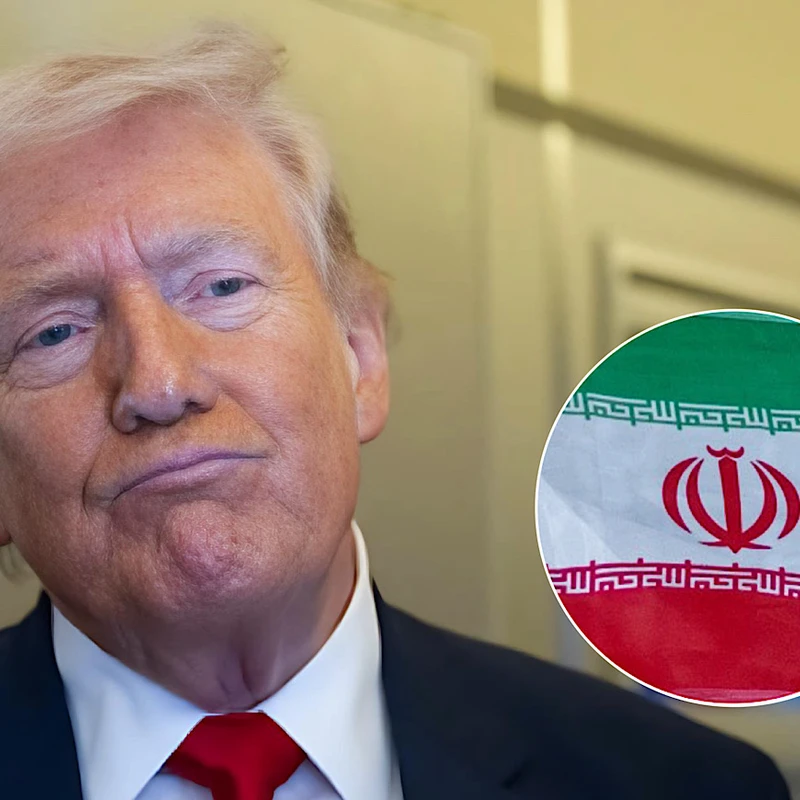
    On Easter Sunday 2026, former President Donald Trump delivered a fiery message to Iran, focusing on the critical Strait of Hormuz. This vital waterway, through which a significant portion of the world’s crude oil passes, has become the focal point of escalating tensions.

    A Stark Ultimatum

    Through his Truth Social platform, Trump issued a stark warning: ‘Open the F**kin’ Strait, you crazy bastards, or you’ll be living in Hell – JUST WATCH! Praise be to Allah.’ This aggressive statement came amidst the ongoing conflict between the United States, Israel, and Iran, now in its fifth week.

    The former President set a tight deadline, stating that Iran had 48 hours to either reopen the Strait of Hormuz or make peace. He warned that failure to comply would result in severe repercussions, including the potential destruction of the entire country. He even alluded to specific targets, mentioning ‘Power Plant Day, and Bridge Day’ in Iran.

    Escalating Rhetoric

    This Easter Sunday ultimatum wasn’t an isolated statement. Trump had previously taken to Truth Social on Saturday, April 4th, threatening to rain ‘all hell’ down on Iran if they didn’t open the Strait within a 48-hour window. Even earlier, on Friday, April 3rd, he mused about the potential to ‘OPEN THE HORMUZ STRAIT, TAKE THE OIL, & MAKE A FORTUNE.’

    Doubling down on his threats, Trump spoke with major news outlets like ABC News and Fox News. He reiterated that Iran had just days, not weeks, to reach an agreement. Trump claimed Iran had been ‘decimated’ and that each passing day would only worsen their situation, emphasizing the need for a swift resolution to avoid further escalation.

    A Tightening Deadline

    Trump’s latest timeline suggests a belief that a deal could be struck as early as Monday, April 6th. However, this comes after he had already extended his own deadlines twice, indicating the complex and volatile nature of the situation. The threat to ‘blow up everything and take over the oil’ underscores the high stakes involved.

    These aggressive statements and ultimatums highlight the intense geopolitical climate and the potential for significant international conflict. The world watches closely as this high-stakes diplomatic and military standoff unfolds.

    What are your thoughts on Donald Trump’s Easter Sunday threats towards Iran? Share your perspective in the comments below!

  • US Warns Americans Abroad Amid Iran Threats

    Tensions are high as Iran issues a chilling warning, threatening attacks on recreational areas and tourist destinations across the globe. In response, President Donald Trump has bolstered troop deployments, and now, the U.S. Department of State is advising all Americans traveling or living abroad to be extra vigilant.

    Iran’s Escalating Threats

    On Friday, March 20th, Iran’s top military spokesman, General Abolfazl Shekarchi, made a stark declaration. He stated that luxury resorts and tourist sites worldwide would no longer be safe havens for those considered enemies of Iran. This threat comes at a particularly sensitive time, coinciding with spring break when millions of Americans are traveling.

    The warning suggests a potential shift towards militant attacks extending beyond the Middle East, raising concerns about the safety of international travelers. This development follows heightened conflict between Iran, Israel, and the United States.

    U.S. Department of State Issues Global Advisory

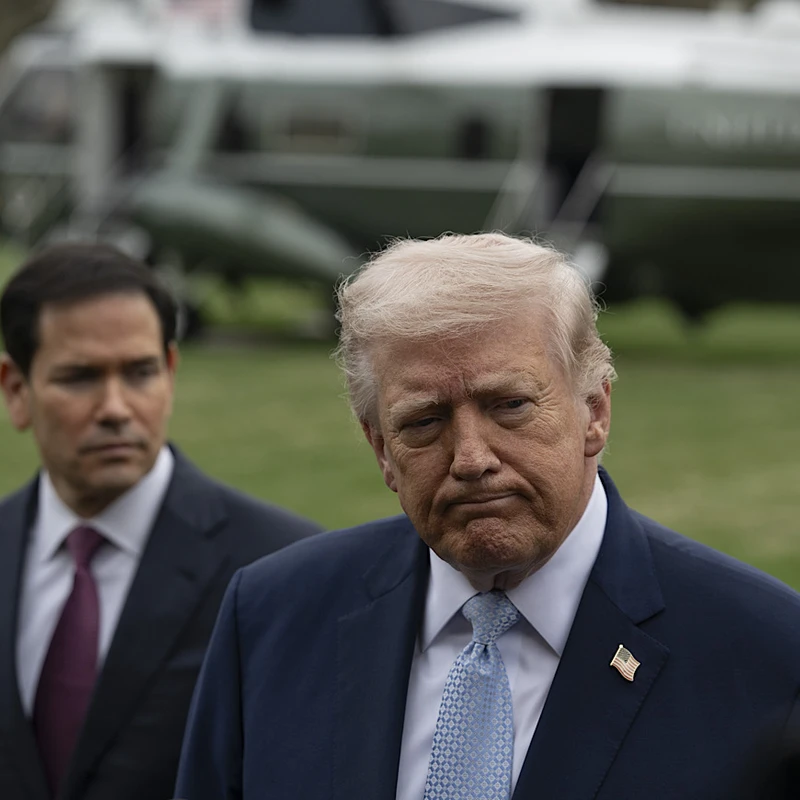
    In light of these threats, the U.S. Department of State, under the guidance of U.S. Secretary of State Marco Rubio, officially issued a worldwide caution on Sunday, March 22nd. The advisory urges Americans to “exercise increased caution,” particularly in the Middle East, but also globally.

    The official statement highlighted that U.S. diplomatic facilities, even outside the Middle East, have been targeted in the past. It also warned that groups supporting Iran might target other U.S. interests or locations associated with Americans worldwide. This proactive measure aims to ensure citizens are informed and prepared.

    Staying Informed and Safe

    Americans abroad are strongly encouraged to follow specific security alerts issued by their nearest U.S. embassy or consulate. The State Department also advises travelers to be aware of potential travel disruptions due to periodic airspace closures.

    • Enroll at step.state.gov for the latest security alerts.
    • Follow the “U.S. Department of State – Security Updates for U.S. Citizens” channel on WhatsApp.
    • Stay updated by following @TravelGov on X (formerly Twitter).
    • Carefully review the Travel Advisory and destination-specific information at travel.state.gov before planning any trips.

    The FBI and Department of Homeland Security have already placed counterterrorism operatives on high alert, preparing for any potential retaliatory attacks on U.S. soil. This coordinated effort underscores the seriousness of the current geopolitical climate.

    Have you traveled abroad recently or have upcoming travel plans? How do you feel about this U.S. Department of State advisory? Share your thoughts and concerns in the comments below.

  • Iran Threatens Global Tourist Sites; Trump Deploys Troops

    The geopolitical landscape has become increasingly volatile following a significant joint operation by the United States and Israel. After a targeted strike on February 28, 2026, resulted in the death of Iran’s Supreme Leader Ali Khamenei, Iran has issued a chilling worldwide threat, warning that recreational and tourist destinations will no longer be safe for its enemies.

    Escalation Following Khamenei’s Death

    President Donald Trump confirmed the successful strike, describing Khamenei as ‘one of the most evil people in History.’ In a statement, Trump emphasized that the heavy bombing would continue until peace was achieved in the Middle East and the world. He also urged the Iranian people to reclaim their country, suggesting potential immunity for those who defected from the IRGC and police forces.

    Following the strike, Trump claimed Iran retaliated with threats against the U.S. and Israel. He issued a stern warning, stating that any aggression from Iran would be met with unprecedented force. Reports later emerged of the U.S. destroying nine Iranian naval ships and damaging their naval headquarters, further intensifying the conflict.

    Iran’s Global Threat

    Amidst the ongoing conflict, Iran’s top military spokesman, General Abolfazl Shekarchi, delivered a stark warning on Friday, March 20, 2026. He declared that ‘From now on, based on the information we have about you, even parks, recreational areas and tourist destinations anywhere in the world will no longer be safe for you.’

    This threat comes at a sensitive time, coinciding with spring break travel for millions. It raises serious concerns about Iran potentially reverting to international militant attacks, extending its reach far beyond the Middle East. In response, the FBI and Department of Homeland Security have placed counterterrorism operatives on high alert for any potential retaliatory attacks on U.S. soil.

    Troop Deployment and Heightened Alert

    In light of these escalating threats, President Donald Trump has announced the deployment of additional troops. This move signals a heightened state of readiness and underscores the seriousness with which the U.S. is taking Iran’s warnings. The situation remains tense, with global security agencies closely monitoring developments.

    What are your thoughts on Iran’s global threat and President Trump’s response? Share your views in the comments below!

  • Journalist Survives Israeli Missile Strike in Lebanon

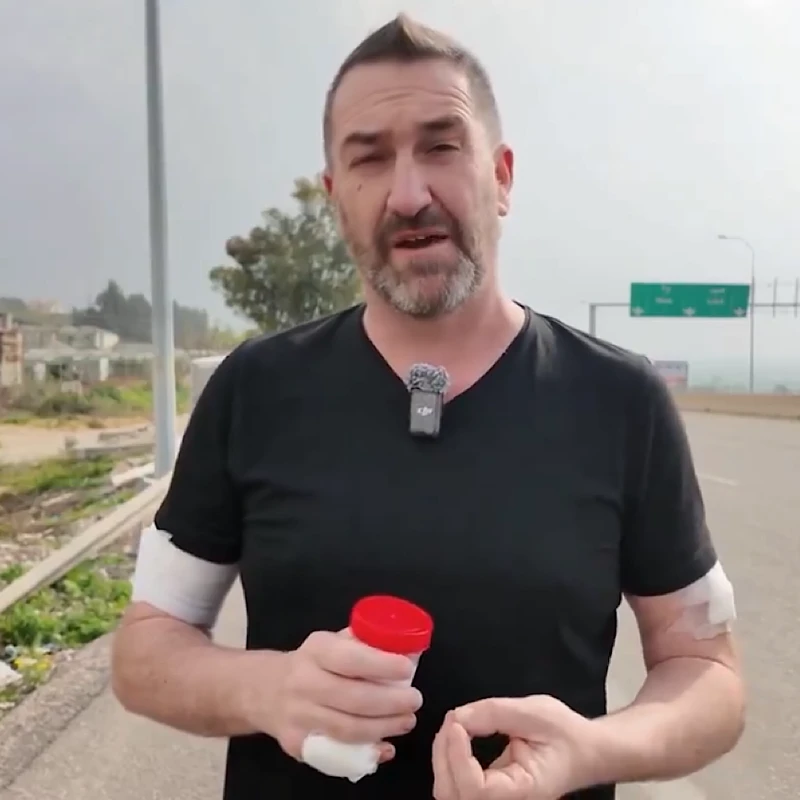
    In a terrifying display of the dangers faced by journalists in conflict zones, horrifying footage has emerged showing British correspondent Steve Sweeney and his cameraman, Ali Rida, narrowly escaping an Israeli missile strike while reporting in southern Lebanon. Sweeney has unequivocally labeled the incident a “deliberate attack” on the press.

    A Close Call in Southern Lebanon

    The dramatic clip, captured by Rida’s camera, shows Sweeney delivering a report near the Al-Qasmiya Bridge when the sound of an incoming missile is heard. Both journalists instinctively look up and scramble for cover just moments before the strike lands less than ten meters behind them. RT News reported that an Israeli aircraft dropped the missile directly onto their filming location, which was situated not far from a local military base.

    Despite wearing press uniforms, Sweeney asserts that Israeli forces “deliberately attacked” him and his crew. He emphasized that harming journalists and civilians constitutes a war crime, highlighting the critical importance of press safety in such volatile regions. Rida later shared footage showing doctors removing shrapnel from Sweeney’s arm, though both confirmed they were thankfully unharmed beyond minor injuries.

    International Condemnation and Concerns

    Speaking after the incident, Sweeney expressed his astonishment at their survival, stating, “We were incredibly lucky to come away with the injuries we did. This was a deliberate, targeted attack. There is no question about it.” His account was echoed by Rida, who humorously noted, “It turns out that when a missile is flying at you, you can hear it.”

    The attack has drawn strong condemnation from international bodies. Russia’s Foreign Ministry spokeswoman, Maria Zakharova, denounced the strike, pointing out that it wasn’t accidental, especially given the “killing of two hundred journalists in Gaza.” She highlighted that the missile didn’t hit a significant military facility but rather the location where the report was being filmed, and stated that Moscow awaits a response from international organizations.

    A Stark Reminder of Dangers

    This harrowing incident serves as a stark reminder of the immense risks journalists undertake to bring vital information to the public. The deliberate targeting of media personnel is a grave concern, undermining the fundamental principles of press freedom and the public’s right to know.

    What are your thoughts on this dangerous incident? Share your views on press freedom and the safety of journalists in conflict zones in the comments below!

  • Floyd Mayweather’s Pro-Israel Stance Sparks Online Firestorm

    Boxing legend Floyd Mayweather Jr. is no stranger to making headlines, both inside and outside the ring. Ahead of his highly anticipated 2026 match against Mike Tyson, Mayweather has stirred up controversy with his strong public support for Israel. His declaration to always be ‘the voice for the people in Israel’ has drawn both applause and sharp criticism across social media.

    A Champion’s Stance at the RJC Conference

    Mayweather made these pro-Israel remarks while accepting an award at the Republican Jewish Coalition (RJC) conference in Las Vegas. He assured the audience of his unwavering support, stating, “I’m not with you guys 10 percent, 50 percent. I will always be the voice for the people in Israel. I will always stand behind the country of Israel.” The crowd responded with applause, acknowledging his statement.

    The RJC later shared a clip of his remarks, highlighting his stance against antisemitism and anti-Israel hate. This public declaration of support comes at a time of heightened global tension surrounding the conflict in Gaza.

    Social Media Erupts with Criticism

    Almost immediately, social media platforms became a battleground for reactions to Mayweather’s comments. Many users lambasted the undefeated boxer, questioning his moral clarity and suggesting his support was motivated by financial gain or power dynamics. The sentiment was captured by one user who tweeted, ‘It’s easy to stand behind power when you’ve never stood beside the oppressed.’

    Other comments suggested that Mayweather’s statements were performative or that he might be under some form of pressure. The backlash highlights the sensitive nature of the Israeli-Palestinian conflict and the intense scrutiny public figures face when expressing opinions on it.

    A History of Support and Future Fights

    This isn’t the first time Mayweather has publicly backed Israel. He has previously made substantial donations, including establishing the Mayweather Israel Initiative and contributing $1 million to United Hatzalah of Israel. He has also expressed pride in supporting Jewish people.

    Meanwhile, discussions about Mayweather’s potential boxing future continue. While his exhibition match against Mike Tyson is set, there’s also talk of a possible rematch with former opponent Manny Pacquiao, who indicated that negotiations are underway. Whether these future bouts will be impacted by the current controversy remains to be seen.

    What are your thoughts on Floyd Mayweather’s public support for Israel? How do you think public figures should navigate complex geopolitical issues? Share your views in the comments below!

  • Gaza Strikes Kill 31; Scholars Accuse Israel of Genocide

    The Gaza Strip experienced another devastating day as Israeli strikes across the territory killed at least 31 people on Monday, according to health officials. This escalation comes as Israel continues its major offensive in Gaza City, the territory’s largest urban center. Meanwhile, leading genocide scholars and human rights organizations are accusing Israel of committing genocide, allegations the country strongly rejects.

    Intensified Offensive and Civilian Toll

    Airstrikes and artillery shelling have become a constant reality in Gaza City since Israel declared it a combat zone last week. Residents in the city’s outskirts and the Jabaliya refugee camp have reported witnessing explosive-laden robots demolishing buildings. Hospitals in Gaza reported that more than half of the 31 victims killed on Monday were women and children. In Gaza City alone, at least 13 people were killed, adding to the toll from previous large-scale Israeli raids since the Hamas-led militant attack on southern Israel on October 7, 2023.

    Israel maintains that its operations exclusively target militants and attributes civilian casualties to Hamas, stating the militant group operates within densely populated areas. However, the sheer scale of destruction and the high number of civilian deaths have fueled international concern.

    The Double Threat of War and Starvation

    Gaza City residents, many already displaced multiple times, are now facing the dual threats of ongoing combat and severe hunger. The world’s leading food crisis authority has declared a famine in the region, exacerbated by the relentless fighting, Israel’s blockade, repeated mass displacement, and the collapse of food production. According to Gaza’s Health Ministry, the war has resulted in 63,557 Palestinian deaths and 160,660 injuries, with women and children constituting about half of the fatalities. While the ministry’s figures are considered reliable by UN agencies and independent experts, Israel disputes them without providing its own casualty count.

    Scholars Accuse Israel of Genocide

    Adding to the international pressure, the International Association of Genocide Scholars, comprising around 500 members worldwide including Holocaust experts, announced on Monday that Israel is committing genocide in Gaza. This accusation, supported by 86% of voting members, aligns with resolutions from other major human rights organizations, including two Israeli groups. The association’s president, Melanie O’Brien, stated that experts in genocide studies recognize the situation for what it is. Israel, founded in the aftermath of the Holocaust, vehemently rejects the genocide allegation, asserting its actions are self-defense against Hamas’s October 7th attack, which Israel characterizes as a genocidal act itself. The Israeli Foreign Ministry dismissed the scholars’ determination as an “embarrassment to the legal profession and to any academic standard,” attributing it to “Hamas’ campaign of lies.”

    Mourners Vent Anger Amidst Hostage Crisis

    In Israel, thousands gathered for the funeral of Idan Shtivi, one of two hostages whose remains were recovered recently. Mourners expressed frustration with the government’s handling of the conflict, with some accusing Prime Minister Benjamin Netanyahu of prolonging the war for political gain. Protests calling for a ceasefire and the release of remaining hostages have intensified in recent weeks, reflecting deep public anger and grief.

    Activist Flotilla Faces Setback

    Meanwhile, an activist flotilla aiming to break Israel’s blockade of Gaza and deliver humanitarian aid was forced back to port in Barcelona due to a storm. The Global Sumud Flotilla, comprising participants from 44 countries including climate campaigner Greta Thunberg, prioritized safety after facing high winds. Organizers plan to delay their departure. This flotilla represents the largest attempt to symbolically challenge the blockade, which Israel maintains is necessary to prevent Hamas from acquiring arms, while stating other aid channels exist.

    What are your thoughts on the escalating conflict in Gaza and the accusations of genocide? Share your perspective in the comments below.

  • Netanyahu Calls Gaza Hospital Strike “Tragic Mishap”

    Following a deadly strike at Nasser Hospital in Gaza, Israeli Prime Minister Benjamin Netanyahu has issued a public statement, characterizing the event as a “tragic mishap.” The incident has drawn significant international attention amidst the ongoing Israel-Hamas conflict.

    Statement of Regret and Investigation

    In his message, Netanyahu expressed “deep regret” over the strike. He emphasized Israel’s respect for journalists, medical professionals, and civilians, stating that Israeli military authorities have launched a full investigation into the circumstances surrounding the incident.

    Netanyahu reiterated that Israel’s military operations are focused on confronting Hamas militants and not on targeting civilians. However, critics argue that the repeated strikes on civilian infrastructure raise serious questions about the conduct of the war, especially during a severe humanitarian crisis.

    International Scrutiny and Debate

    The prime minister’s remarks, framing the hospital attack as a “mishap,” have ignited international debate. Many are questioning the classification of such events as mere mistakes, particularly given the high civilian death toll and the critical humanitarian situation in Gaza.

    The focus remains on defeating Hamas and securing the release of hostages, as stated by Netanyahu. However, the ongoing targeting of civilian facilities continues to be a major point of contention and concern for global observers.

    What are your thoughts on Prime Minister Netanyahu’s statement regarding the Nasser Hospital strike? Share your views in the comments below.