Tag: Iran War

  • Gas Prices Surge to 4-Year High: What You Need to Know

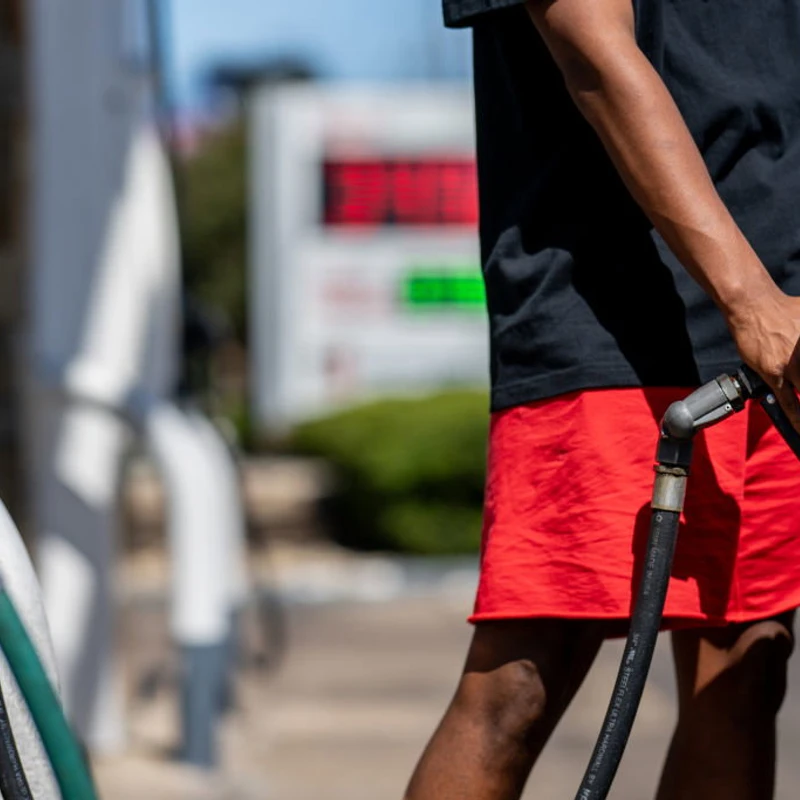
    Feeling the pinch at the pump? You’re not alone. U.S. gas prices have officially climbed to their highest point in four years, and it’s forcing many Americans to rethink their daily routines. This surge is largely tied to ongoing international talks and a tightening global oil supply.

    The Numbers at the Pump

    According to AAA, the national average for regular gasoline has hit $4.22 per gallon. While some states are experiencing even higher prices – California is topping the list at a staggering $5.98 per gallon – Oklahoma offers a slight reprieve at $3.65 per gallon. These figures haven’t been seen since 2022, a period marked by significant global energy market disruptions.

    The Midwest and Northeast regions have seen some of the most dramatic weekly increases. In fact, Tuesday saw a 1.6 percent jump, marking the largest percentage increase in over a month, according to The New York Times. This rapid escalation is directly linked to the deadlock in negotiations concerning the Strait of Hormuz.

    Global Oil Market Impact

    The Strait of Hormuz, a vital waterway through which about one-fifth of the world’s oil supply travels, is currently at the center of international tensions. Negotiators are struggling to reach an agreement on reopening this crucial trade route. This uncertainty has sent shockwaves through the market.

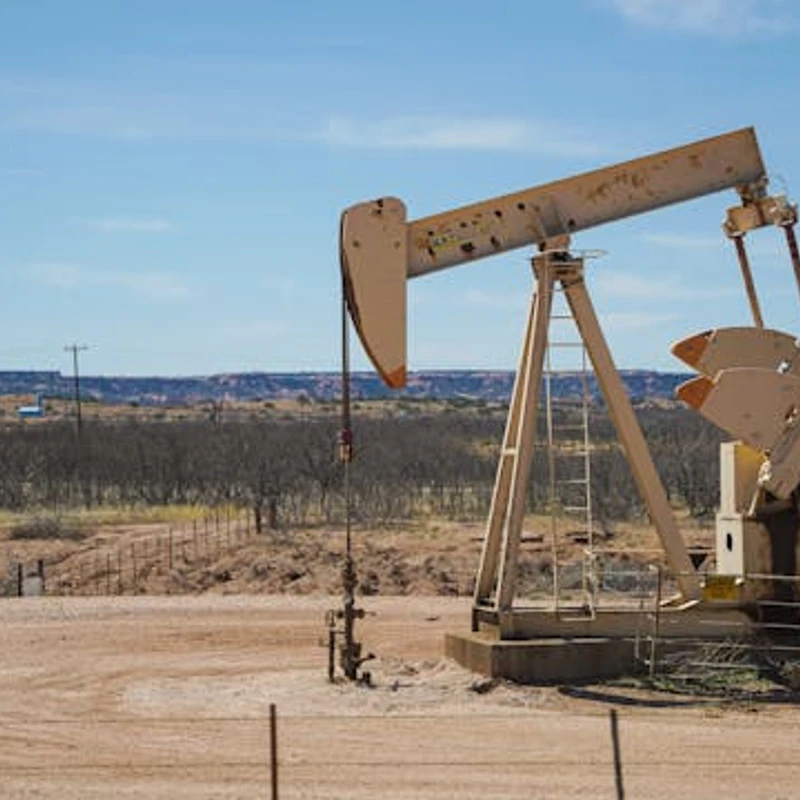
    Brent crude futures have seen significant gains, rising for eight consecutive days to reach their highest level since March 31. Similarly, U.S. West Texas Intermediate futures have also climbed, hitting their highest point since mid-April. The disruption has led to over 500 million barrels of crude oil being lost to the global market, translating to a staggering loss of more than $50 billion in oil production value.

    How Consumers Are Adapting

    The impact on everyday Americans is undeniable. A recent CNBC poll revealed that nearly 80% of respondents have altered their lifestyles due to the soaring gas prices. This widespread change in habits underscores how significantly fuel costs affect household budgets and daily decisions.

    With nearly 20% of the world’s traded oil passing through the Strait of Hormuz, the continued uncertainty about when shipments will resume is a major concern. Oil production facilities in the region have had to reduce or halt operations, leading to stranded oil in ships and storage tanks. The U.S. naval blockade further complicates the situation, leaving the timeline for resuming shipments unclear.

    How have rising gas prices affected your daily life? Share your tips for saving money on fuel in the comments below!

  • Rep. Kamlager-Dove Slams Trump’s War Funding

    In a fiery condemnation, California Congresswoman Sydney Kamlager-Dove has unleashed a scathing critique of former President Donald Trump’s proposed $200 billion request for continued war efforts. She argues that this massive expenditure is not only fiscally irresponsible but also directly harms American citizens by diverting funds from essential domestic needs.

    Prioritizing War Over People

    Speaking with Meidas Touch, Kamlager-Dove didn’t hold back, stating, “Oh my gosh, yes, Stevie Wonder can even see how much this is costing us.” She highlighted the tangible impact on everyday Americans, noting the rising costs of gas, which is nearing $10 per gallon in California, and fertilizer. She contrasted this with Trump’s desire to spend “$2 billion of your money every single day” on a war, rather than investing in crucial areas like healthcare.

    Kamlager-Dove has consistently voiced concerns about the stark contrast between defense spending and the needs of the domestic population. She pointed to proposed cuts in vital programs like food assistance and healthcare as evidence of “unconscionable” priorities, especially during a time when many American families are struggling economically.

    An Unsanctioned Conflict and Stolen Resources

    During a Congressional Progressive Caucus meeting last month, Kamlager-Dove further elaborated on her criticism. She argued that Trump was unfairly prioritizing a war that lacks congressional authorization, effectively “stealing resources and opportunities from the working class.” She questioned the administration’s request to fund what she described as a “dumpster fire” of a conflict with “no endgame in sight.”

    The congresswoman emphasized the potential human cost of such budgetary decisions. She warned her colleagues that eliminating federal safety nets could lead to fatal consequences, stating, “people will die” if these crucial support systems are dismantled. She also outlined alternative uses for the requested funds, suggesting that the $200 billion could cover Medicaid for nearly 3 million people for a year, provide SNAP benefits to over 3 million families, or fund the construction of 91,000 affordable housing units.

    A Call for Responsible Spending

    Kamlager-Dove’s strong stance reflects a growing sentiment among some lawmakers and the public that national priorities need re-evaluation. The focus on foreign conflicts, especially those lacking clear objectives or congressional approval, is increasingly being questioned in light of pressing domestic issues like rising living costs, healthcare access, and housing shortages.

    What do you think about Rep. Kamlager-Dove’s criticism of Trump’s war funding request? Should resources be redirected to domestic needs? Share your views in the comments below!

  • Spirit Airlines Faces Collapse Amid Rising Fuel Costs

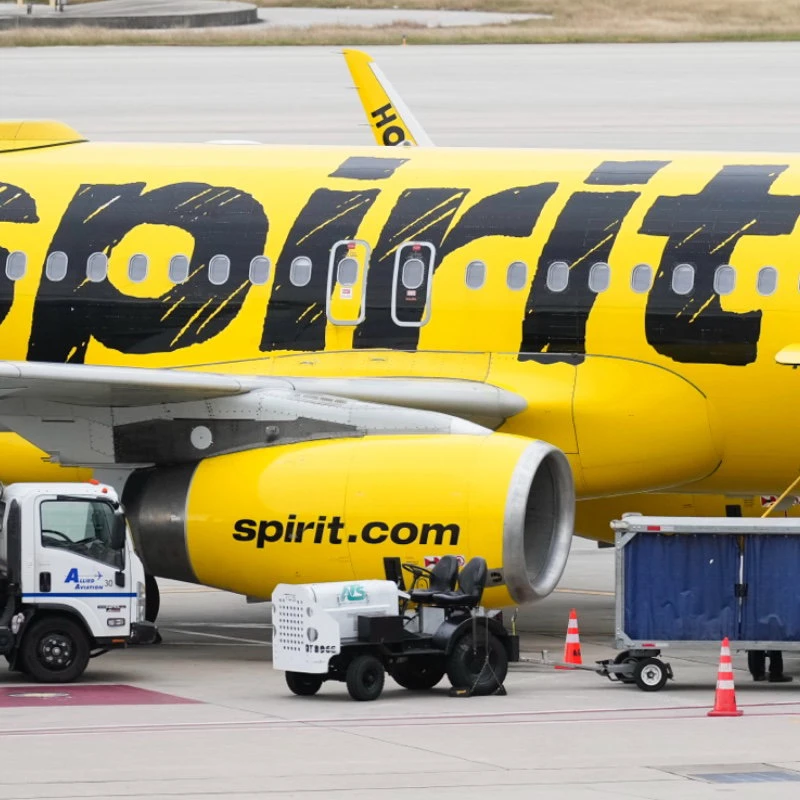
    The skies are looking increasingly turbulent for Spirit Airlines. Skyrocketing fuel costs are creating a financial storm that threatens to push the budget carrier toward collapse, with some experts warning of possible liquidation within days. This dire situation puts the airline’s plans to exit bankruptcy by early summer in serious jeopardy.

    Bankruptcy Woes and Creditor Objections

    Spirit Airlines filed for Chapter 11 bankruptcy protection back in 2024, aiming to restructure its finances and stabilize operations. However, a recent agreement with some creditors was overshadowed by an objection filed last week by lenders behind the airline’s revolving credit line. According to Bloomberg, these lenders argue that the current reorganization plan fails to adequately account for the airline’s significantly higher fuel expenses.

    Fuel is a massive expense for any airline, but Spirit’s low-cost model leaves it particularly vulnerable. Unlike major carriers that can more easily absorb costs by raising fares, Spirit risks losing customers if ticket prices increase too much. JPMorgan analysts estimate that higher fuel prices could add approximately $360 million to Spirit’s expenses this year, a figure that surpasses the $337 million in cash the airline reported at the close of last year.

    Feasibility of the Reorganization Plan

    Attorneys representing the lenders expressed serious doubts about the plan’s feasibility in a court filing obtained by The Wall Street Journal. “If the debtors cannot demonstrate their viability at current (or possibly higher) fuel prices, they have no basis to represent that the plan is feasible,” the filing stated. Adding to the complexity, Citibank, representing the lenders, argues that Spirit’s proposed February reorganization plan violates the original contract by splitting a $275 million loan into two parts. This, they claim, puts Spirit in default and gives lenders the right to seize company assets.

    Spirit Airlines’ Response and Market Impact

    When asked about the speculation surrounding potential liquidation, Spirit Airlines declined to comment, referring to the situation as “rumors and speculation.” The airline has already implemented cost-saving measures, including layoffs and route cuts. However, competitors like Frontier Airlines and JetBlue Airways have stepped in to fill the service gaps on routes where Spirit once held a strong presence, such as Ft. Lauderdale and Miami International airports.

    What do you think will happen to Spirit Airlines? Share your predictions in the comments below!

  • Gas Prices Down? Karoline Leavitt’s Claim Sparks Backlash

    White House Press Secretary Karoline Leavitt recently made a claim that has ignited a firestorm online: that gas prices have decreased under the current administration. However, data and public reaction suggest a starkly different reality, leading many to label her statement a “bald-faced lie.”

    A Contradictory Claim

    During a press briefing on April 15, Leavitt stated, “Thank goodness we have a president in an administration that believes in American energy dominance in bringing down prices at the pump.” She further claimed, “Look at how gas prices decreased over the past year since this president was in office.”

    This assertion directly contradicts current market conditions. Global fuel prices have surged, partly due to the ongoing conflict involving Iran and disruptions in shipping traffic through the Strait of Hormuz. Data from AAA shows that U.S. gas prices have seen their largest monthly jump in over six decades, increasing by more than 21% since February, with the national average now exceeding $4 per gallon.

    Public and Political Backlash

    The internet quickly reacted to Leavitt’s statement. Commenters on social media platforms like Instagram and X (formerly Twitter) expressed disbelief and anger. One user wrote, “They gaslight more than my ex,” while another stated, “These people are so shameless and despicable. Gasoline is up 33% to 50%, depending on where you live.”

    Congressman Shri Thanedar also weighed in, calling the statement “ridiculous” and “insulting.” He posted on X, “Gas prices have increased 30% over the past year, yet Trump’s Press Secretary has the audacity to lie to you and claim that they’ve gone down. The absolute lack of shame is appalling.”

    Treasury Secretary’s Optimism

    In contrast to Leavitt’s assertion, Treasury Secretary Scott Bessent expressed a more cautious optimism during the same press conference. He stated he is “optimistic that during the summer we will see gas with a 3 in front of it sooner rather than later.” This suggests that even within the administration, there’s an acknowledgment of current high prices, with hopes for future decreases.

    Leavitt’s claim has fueled public frustration over rising costs and raised questions about the administration’s transparency regarding economic conditions. The stark contrast between her statement and available data highlights a significant disconnect.

    What are your thoughts on Karoline Leavitt’s statement about gas prices? Do you agree with the public’s reaction? Share your perspective in the comments below!

  • Trump Threatens ‘One Night’ Takedown of Iran

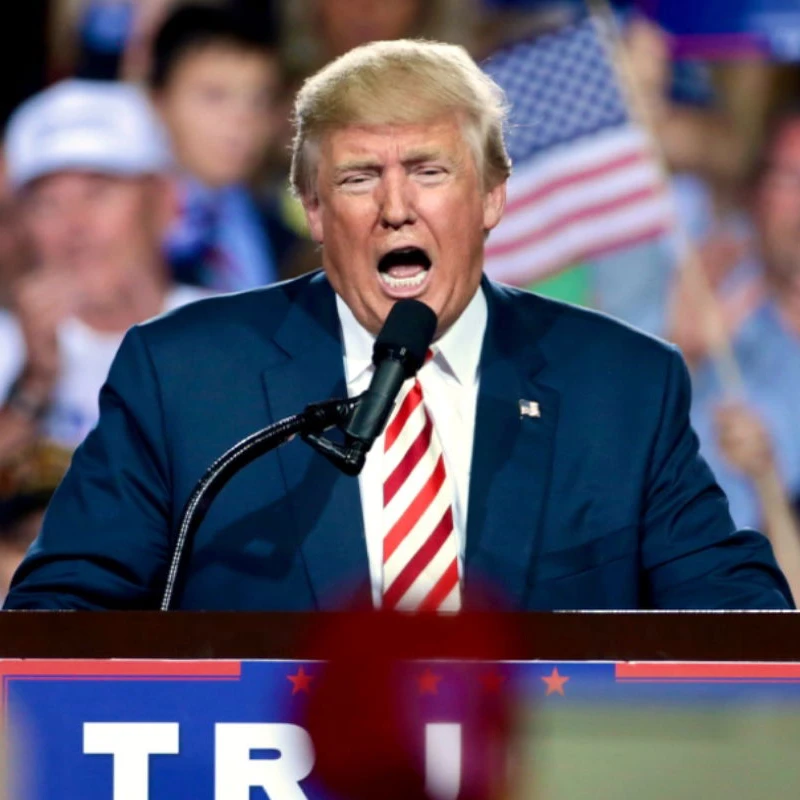
    Amidst escalating international tensions, President Donald Trump has issued a dramatic threat, stating the U.S. could “take out” Iran’s entire country in “one night.” This bold declaration comes as the conflict enters its sixth week and ahead of a critical deadline concerning the Strait of Hormuz.

    Ultimatum Over the Strait of Hormuz

    During a White House press conference, which also celebrated the successful combat rescue of two F-15E airmen, Trump laid out an ultimatum: Iran must reopen the Strait of Hormuz. He warned that failure to comply by April 7th would result in severe consequences, including the destruction of Iran’s infrastructure, pushing them back to the “Stone Ages.”

    Trump’s rhetoric has fueled fears on social media, with many speculating about the potential use of nuclear weapons. However, some analysts suggest the president might be referring to the U.S. capability to disrupt Iran’s electrical grid using specialized weapons like the graphite bomb, often nicknamed the “blackout bomb.”

    A Civilization’s Fate?

    Adding to the gravity of the situation, Trump posted on Truth Social, “A whole civilization will die tonight, never to be brought back again. I don’t want that to happen, but it probably will.” He then alluded to potential “Complete and Total Regime Change” if “smarter and less radicalized minds prevail” in Iran, leaving the outcome uncertain.

    The President also drew parallels to the January 2026 raid that led to the capture of Venezuelan dictator Nicolás Maduro, suggesting a swift and decisive military operation could be employed. This statement implies a focus on targeted leadership removal rather than widespread destruction, though his earlier comments suggest otherwise.

    Iran’s Response and Counter-Threats

    The U.S. is not the only party issuing threats. According to CNN, senior Iranian officials have responded by stating that the Strait of Hormuz will remain blocked until Iran receives compensation for war damages. They view Trump’s increased rhetoric as a sign of losing control over the conflict, asserting that Tehran has made it clear the strait’s status quo will not be restored unless the war permanently ceases.

    This exchange highlights the volatile geopolitical situation, with both sides engaging in high-stakes rhetoric. The potential for miscalculation remains a significant concern as the world watches this escalating standoff.

    What are your thoughts on President Trump’s threats towards Iran? How do you think this situation will unfold? Share your views in the comments below.

  • Philippines Promotes Remote Work Amid Oil Price Surge

    The ongoing conflict in the Middle East is sending shockwaves through global oil markets, and the Philippines is feeling the pinch. With transportation costs soaring, the government is actively encouraging both public and private sectors to embrace remote work arrangements as a way to alleviate the financial strain on workers.

    A Call for Remote Work Solutions

    Senator Erwin Tulfo has urged Malacañang Palace to consider implementing remote work measures. He highlighted the success of work-from-home setups during the COVID-19 pandemic, suggesting it’s a viable approach to help ease workers’ daily financial burdens. Tulfo pointed out that many office-based roles, such as planning, research, administration, and customer service, are well-suited for online reporting.

    While the government is encouraging these measures, the decision ultimately rests with private companies. Business groups have expressed openness to work-from-home setups, acknowledging that they aren’t universally applicable across all industries but can be beneficial where feasible.

    Addressing the Commuter Crisis

    The rising fuel costs are significantly impacting public transportation, leaving commuters to bear the brunt. Senator Tulfo noted an increase in stranded passengers during peak hours, attributing it to fewer public utility vehicles (PUVs) operating due to the high cost of fuel. He also suggested that sectors like education and healthcare, which successfully transitioned online during the pandemic, could adopt similar remote models again.

    Broader Implications and Solutions

    For industries where remote work isn’t practical, such as manufacturing, hospitality, or in-person healthcare, Tulfo advised exploring alternative commuting options. The global fuel market disruption, driven by the Middle East conflict, has prompted international responses like emergency oil reserve releases and calls for demand-side measures, including working from home and reducing travel.

    What are your thoughts on the Philippines encouraging remote work to combat rising oil prices? Let us know in the comments below!

  • Millions Protest Trump: ‘No Kings’ Movement Grows

    On March 28, 2026, a massive wave of dissent swept across the United States and beyond as millions participated in the third nationwide “No Kings” protest. This coordinated movement targeted the Trump administration’s policies, the ongoing conflict with Iran, and the increasing cost of living, marking a significant display of opposition.

    A Historic Mobilization Against Trump

    Organizers hailed the turnout as potentially one of the largest protest mobilizations in recent history. Demonstrations spanned all 50 states and extended to over a dozen countries, with significant gatherings in major cities like New York City, Washington, D.C., and Los Angeles. Even smaller towns and suburban communities saw active participation.

    Protesters voiced a wide array of concerns, from immigration enforcement policies to the economic pressures felt by everyday Americans. Symbolic displays and effigies of Trump, Vice President JD Vance, and other administration figures were common, underscoring the demand for political change.

    Key Issues Fueling the Protests

    A particularly poignant focus was the criticism of federal immigration policies, highlighted by activists in Minnesota following the deaths of two individuals after encounters with immigration agents. Thousands gathered at the state capitol in St. Paul, where political leaders addressed the crowd, amplifying the call for reform.

    Beyond immigration, concerns about reduced funding for medical research also spurred action. Around 1,000 demonstrators gathered outside the National Institutes of Health in Maryland, chanting “No kings, just vaccines!” This demonstrates the diverse range of issues motivating the “No Kings” movement.

    Organized Resistance and Escalating Momentum

    The “No Kings” movement is a testament to organized resistance, coordinated by a coalition including groups like Indivisible and 50501, alongside labor unions and grassroots networks. Indivisible co-founder Ezra Levin had predicted a historic turnout, and the events of March 28 certainly lived up to that expectation.

    Following a previous rally in October 2025 that drew an estimated 7 million participants nationwide, this latest demonstration signals an escalating response to the administration’s policies. Organizers framed the protests as a clear indicator of sustained political resistance, showing that the movement is gaining momentum.

    What are your thoughts on the “No Kings” protests and the issues they raised? Share your perspective in the comments below!

  • Millions Protest Trump Administration Policies

    Imagine millions of people across the country and around the world uniting to voice their concerns. That’s exactly what happened during the latest wave of “No Kings” protests, which saw an enormous turnout opposing the Trump administration’s policies. Organizers are calling this mobilization one of the largest in recent history!

    A Nationwide Call for Change

    These massive demonstrations weren’t confined to just a few major cities. Reports indicate that protests took place in all 50 states and over a dozen countries. From bustling metropolises like New York City and Los Angeles to smaller towns and suburban communities, people gathered to make their voices heard.

    The core issues driving these protests were varied but deeply felt. Participants expressed strong opposition to the U.S. involvement in Iran, concerns about immigration enforcement, and frustration over the escalating cost of living. It was a powerful display of collective dissent.

    Symbolic Displays and Key Issues

    In Washington D.C., large crowds marched through downtown, converging at iconic spots like the Lincoln Memorial and the National Mall. Many carried symbolic displays and effigies representing President Trump, Vice President JD Vance, and other administration figures, clearly signaling their demand for political change.

    A particularly poignant demonstration occurred in Minnesota, where activists focused on the tragic deaths of two individuals following encounters with federal immigration agents. This incident has become a significant point of criticism against current immigration policies, with thousands gathering to demand action.

    Organized Resistance and Historic Turnout

    The “No Kings” movement is a coordinated effort, involving a coalition of advocacy groups like Indivisible and 50501, along with labor unions and grassroots networks. Organizers estimated that over 3,000 individual protests took place globally. Ahead of the event, Indivisible co-founder Ezra Levin even predicted it could be the biggest protest in American history.

    This latest wave of protests follows a similar “No Kings” rally in October, which organizers reported drew around 7 million participants nationwide. The sheer scale and continued momentum of these demonstrations underscore a sustained political resistance against the administration’s policies.

    Specific Policy Criticisms

    Beyond the broader opposition, some protests zeroed in on specific policy areas. For instance, about 1,000 demonstrators gathered outside the National Institutes of Health in Maryland to protest cuts to medical research funding, with chants like “No kings, just vaccines!” echoing their concerns.

    What are your thoughts on the “No Kings” protests and the issues they’re raising? Share your perspective in the comments below!

  • IEA: Work From Home Amid Oil Crisis

    The global oil market is facing a significant crisis, with prices surging due to ongoing conflict in the Middle East. In response, the International Energy Agency (IEA) has released a set of immediate recommendations for governments, businesses, and individuals to help curb rising oil demand and mitigate the impact of this escalating situation.

    Urgent Measures to Combat Oil Demand

    On March 20, 2026, the IEA outlined ten key actions to address the growing energy crisis. These include encouraging people to work from home, reducing highway speed limits by at least 6 miles per hour, promoting carpooling, and cutting down on air travel. The agency specifically highlighted that reducing business travel could quickly alleviate pressure on jet fuel demand.

    Other suggestions involve shifting to electric cooking where feasible and transitioning from liquid petroleum gas (LPG) to biofuels or gasoline-powered vehicles. These measures aim to provide a practical ‘menu’ of options to help shield consumers from the severe impacts of the crisis.

    The Impact of Middle East Conflict

    The current energy crisis has been significantly exacerbated by military strikes on Iran, leading to one of the largest supply disruptions in the history of the global oil market. Brent crude, the international oil benchmark, briefly neared $120 per barrel before settling around $106 on March 20, following an attack on a major liquefied natural gas facility in Qatar.

    The war in the Middle East is creating a major energy crisis, including the largest supply disruption in the history of the global oil market. In the absence of a swift resolution, the impacts on energy markets and economies are set to become more and more severe. — Fatih Birol, IEA Executive Director

    IEA Executive Director Fatih Birol emphasized the severity of the situation, warning that without a quick resolution to the conflict, the consequences for energy markets and economies will only worsen. This guidance has been issued to IEA member countries, including the U.S., U.K., and Australia, urging immediate action.

    Government and Household Actions

    Governments worldwide are already implementing measures to manage the crisis. Countries like Austria and Greece are capping fuel retailers’ profits, while the U.K. is providing financial aid for heating oil costs. Many governments have also restricted official travel and launched public campaigns to encourage reduced energy consumption. These collective efforts aim to navigate this challenging period.

    How are you adapting to the current oil crisis? Share your tips for saving energy and reducing travel in the comments below!