Tag: Innovation

  • AfriCon 2025: Atlanta Hosts Diaspora Business Leaders

    Get ready, Atlanta! The city is about to become the epicenter for business innovation and connection as AfriCon 2025 gears up to host some of the brightest minds from across the African diaspora. This isn’t just another conference; it’s a dynamic ecosystem designed to elevate brands, foster global entrepreneurship, and drive significant economic impact.

    A Hub for Entrepreneurs and Innovators

    From September 18th to 20th, Atlanta’s Omni Hotel will be buzzing with activity as AfriCon brings together entrepreneurs, investors, and creative trailblazers. The event promises transformative programming aimed at helping attendees expand their brands and ambitions, both locally and on an international scale.

    Attendees can look forward to a packed schedule of panels and workshops focused on crucial areas like investments and business development. Imagine learning directly from industry leaders such as Denis Asamoah (cofounder of FORVR Mood), Amir Rassol (founder of The Folklore), and Thabiti Steven (CSO of Steve Harvey Group). Plus, A16z will host a session on turning ideas into investments, guiding aspiring business owners through the process of bringing their visions to life.

    Unlocking Investment and Retail Opportunities

    One of the most exciting features of AfriCon 2025 is its Deal Room Activations. This is where startup founders get a golden opportunity to connect directly with investors from prominent firms like Morgan Stanley and Collab Capital. The goal? To potentially secure up to $500 million in capital investments. That’s a game-changer for many emerging businesses!

    Beyond investment, founders can also pitch their products to major retailers such as Walmart and Whole Foods. Imagine getting your brand onto the shelves of these national chains – AfriCon is creating those direct pathways to market access.

    More Than Just a Conference

    Dami Kujembola, CEO of Amplify Africa (the parent company of AfriCon), emphasized that the event is more than just a gathering. “AfriCon is more than a conference—it’s an ecosystem built to create pathways for global entrepreneurship, investment, and cultural exchange,” she stated. The focus is on ensuring attendees leave with tangible opportunities and valuable connections.

    The event will also feature discussions on diverse topics, from the global music economy to creating AI-proof businesses and amplifying Black-owned beauty brands. And, of course, it’s a celebration of culture, encouraging attendees to showcase their unique styles and brand visions. With an anticipated economic impact of $200 million, AfriCon 2025 is poised to make a significant mark.

    Are you planning to attend AfriCon 2025? What are you most excited about? Share your thoughts in the comments below!

  • Rwanda Secures $7.5M for AI Hub from Gates Foundation

    Rwanda is making significant strides in the artificial intelligence sector, thanks to a substantial investment from the Bill & Melinda Gates Foundation. ICT and Innovation Minister Paula Ingabire announced that the country has received $7.5 million to establish a dedicated AI Scaling Hub, a move that positions Rwanda as a key player in AI innovation on the continent.

    A Vision for AI in Rwanda

    Minister Ingabire, a graduate of MIT’s system design and management program and a computer engineering expert, brings a wealth of experience to her role. Her career has focused on developing Rwanda’s technology sector, including roles at the Rwanda Information Society Authority and the Rwanda Development Board. She was instrumental in creating high-value academic centers as a coordinator for the Kigali Innovation City Project.

    In her current capacity, Ingabire strategically guides policy, infrastructure, and partnerships to foster digital transformation and innovation. Her vision is to make Rwanda a leading digital hub across Africa, emphasizing inclusivity and cutting-edge technology.

    The AI Scaling Hub Initiative

    The $7.5 million grant from the Gates Foundation, awarded in April 2025, will be deployed over three years to build the Rwanda AI Scaling Hub. This initiative is designed to be a platform for scaling AI solutions, initially focusing on critical sectors such as healthcare, agriculture, and education.

    Minister Ingabire expressed excitement about the partnership, stating, “We’re excited about this partnership with the Gates Foundation around the AI Scaling Hub, designed to be a platform where we can scale AI solutions — starting with three sectors: health care, agriculture, and education.”

    Expanding AI Across the Continent

    Dr. Trevor Mundel, President of Global Health at the Gates Foundation, highlighted the foundation’s commitment, saying, “The Gates Foundation is proud to support the launch of the first AI Scaling Hub, in partnership with the Rwanda Centre for the Fourth Industrial Revolution and the Government of Rwanda. We look forward to continuing this effort with partners across the continent, working together to break down barriers to scale and help move promising AI innovation to impact.”

    Discussions are already underway to establish similar AI hubs in Senegal, Kenya, and Nigeria, indicating a broader continental strategy to leverage AI for development. This investment signifies a major step forward for Rwanda and the wider African tech ecosystem.

    What are your thoughts on Rwanda’s investment in AI? Share your insights in the comments below!

  • Tulsa Tech Week: Rebuilding Black Wall Street

    Tulsa, Oklahoma, is gearing up for its second annual Tulsa Tech Week, a citywide festival dedicated to fostering innovation and rebuilding the historic legacy of Black Wall Street. Founded by Tariqua “Tai” Nehisi, this six-day event, running from September 22-27, aims to bring together a diverse community of tech enthusiasts, founders, engineers, students, and investors, all free of charge.

    A Vision for Rebuilding Through Technology

    Nehisi, originally from New York, felt drawn to Tulsa by the city’s concerted efforts to support Black and brown-focused tech companies and rebuild the Black Wall Street community through a technological lens. After participating in a business accelerator, her vision began to take shape, leading to the creation of Tulsa Tech Week.

    The event promises over 50 partners hosting a variety of sessions, panels, and networking opportunities. Organizers describe it as an accessible platform designed to connect key players in the tech ecosystem, offering tailored programming through “attendee paths” for founders, hackers, STEAM scholars, and investors. This focus on specific career paths allows for deeper industry knowledge and targeted networking.

    Community Engagement and Inclusivity

    Community engagement is a cornerstone of Tulsa Tech Week. Events like the “Walk & Talk” networking session at Gathering Place Park, hosted by Startup Grind Tulsa, will not only facilitate connections but also provide visibility for local vendors at an open market. The Oklahoma Small Business Exchange will host a State of Technology Roundtable, bringing together local and national voices to discuss the challenges and opportunities facing small businesses in the evolving tech landscape.

    The festival is intentionally framed as an inclusive space, designed to attract diverse communities and highlight underrepresented entrepreneurs. As Tulsa continues to grow as a hub for remote workers and startups, Tulsa Tech Week serves as a vibrant showcase of how technology and culture intersect in Oklahoma, aiming to expand and rebuild the city’s economic foundation.

    Are you planning to attend Tulsa Tech Week? What are you most excited about? Share your thoughts in the comments below!

  • 10 Black Tech Titans Shaping the Future

    The United States tech industry faces a significant diversity challenge, with African Americans representing only 7-9% of the workforce and an even smaller percentage in leadership roles at major companies like Google, Microsoft, and Meta. Despite these obstacles, including limited funding, guidance, and connections, Black entrepreneurs are making remarkable strides, launching innovative tech companies that are pushing boundaries and making a substantial impact in the marketplace.

    1. Robert F. Smith: The Visionary Investor

    Robert F. Smith, a renowned investor, founded Vista Equity Partners in 2000. Based in Austin, Texas, the firm specializes in software companies and manages a portfolio of over 85 companies, employing 100,000 people. With over $100 billion in assets under management, Smith’s strategic investments have significantly shaped the software industry.

    2. David Steward: Global IT Services Leader

    David Steward established World Wide Technology in 1990. Today, the company is a major force in global systems integration and IT services, boasting a workforce of over 10,000 employees across 55 locations in the U.S. With a valuation of $11.4 billion and $20 billion in revenue as of 2024, Steward’s company is a testament to sustained growth and market leadership.

    3. Tope Awotona: Simplifying Meetings with Calendly

    Nigerian software entrepreneur Tope Awotona founded Calendly, a platform designed to streamline meeting scheduling. Launched in Atlanta in 2013, the company has experienced steady growth, now employing 653 people. Awotona’s success is reflected in his estimated net worth of $1.4 billion, with Calendly valued at $3 billion as of 2025.

    4. Dr. Iman Abuzeid: Revolutionizing Healthcare Staffing

    Dr. Iman Abuzeid, a physician turned entrepreneur, is the visionary behind Incredible Health. Since 2017, this platform has connected nurses with job opportunities, achieving unicorn status with a valuation exceeding $1 billion. Dr. Abuzeid’s estimated net worth of $350 million highlights her remarkable success as a female founder in the tech space.

    5. Freddie Figgers: Innovating in Telecommunications

    Freddie Figgers, a recognized inventor and entrepreneur, is the driving force behind Figgers Wireless, a telecommunications company established in 2008. Having secured its telecom license in 2011, the company is estimated to be worth around $62 million, showcasing Figgers’ innovative spirit in the tech world.

    6. Iddris Sandu: Bridging Physical and Digital Worlds

    Iddris Sandu is the entrepreneur behind Spatial Labs Inc., founded in 2021. Based in Los Angeles, the company focuses on blending the physical and digital realms, attracting investment from Jay-Z’s Marcy Venture Partnership and achieving a $10 million valuation. Sandu’s background in software engineering and advocacy for the metaverse fuels his exploration of technology’s possibilities.

    7. Tristan Walker: Transforming Health and Beauty Tech

    Tristan Walker founded Walker & Company Brands in 2013 with a mission to revolutionize health and beauty tech for people of color. The company, known for its Bevel shaving system, was acquired by Procter & Gamble in 2018 for tens of millions of dollars, marking a significant milestone in the industry.

    8. Jessica O. Matthews: Championing Renewable Energy

    Nigerian-American innovator Jessica O. Matthews founded Uncharted Power (originally SOCCKET) in 2011. The company specializes in building renewable energy technology for infrastructure, such as embedding smart energy systems in sidewalks and play equipment. Based in Harlem with a team of 30-50 employees, Uncharted Power has raised over $12.5 million.

    9. Chris Bennett: Empowering Early Childhood Education

    Chris Bennett launched Wonderschool in San Francisco in 2016. This company assists individuals in establishing and managing early childhood education programs, from childcare to preschool. With 200 employees, Wonderschool has secured over $50 million in investments, demonstrating its impact on the education sector.

    10. Kimberly Bryant: Championing Diversity in STEM

    Kimberly Bryant, an engineer dedicated to promoting diversity, founded Black Girls Code in Oakland, California, in 2011. This nonprofit organization equips girls from diverse backgrounds with coding and STEM skills. Bryant has since established the Black Innovation Lab to further empower marginalized tech founders in the Southern United States.

    These ten Black tech titans exemplify resilience, innovation, and entrepreneurial spirit, overcoming significant barriers to achieve extraordinary success. Their groundbreaking work not only drives technological advancement but also inspires future generations of Black innovators.

    Who are some other Black tech leaders you admire? Share their names and contributions in the comments below!

  • AfroFuture Detroit 2025 Celebrates Diaspora & Tech

    Detroit, a city steeped in cultural influence and innovation, recently became the vibrant epicenter of the AfroFuture Detroit 2025 festival. Making its U.S. debut from August 15-17, the event transformed the city into a dynamic showcase of African heritage, cutting-edge technology, captivating music, and the economic power of Black-owned businesses.

    A Celebration of Global Black Identity

    The festival was a powerful testament to the richness of the global Black diaspora. Attendees proudly carried flags from nations across the U.S., Jamaica, Haiti, Nigeria, Kenya, Senegal, Ghana, and Djibouti, creating a heartwarming display of shared history and diverse expressions of Black identity. This deliberate assembly fostered a sense of homecoming, reconnecting a family often separated by continents.

    The event featured a stellar lineup of talent. Ghanaian artist King Promise had the crowd roaring with a surprise birthday celebration marked by a custom Hennessy cake. Davido delivered a powerful closing performance, while Tee Grizzley energized his hometown crowd. The sounds of amapiano filled the air courtesy of South African duo TXC, reinforcing the festival’s international flavor.

    Innovation Meets Heritage with Hennessy

    Hennessy’s Highline space offered an immersive experience, beautifully blending African heritage with modern mixology. Attendees, including NBA players Nickeil Alexander-Walker and Reggie Jackson, gathered in this central hub, enjoying unique cocktails like the Henny-Rita. The area buzzed with energy, brought to life by live art and DJ sets, creating a truly engaging atmosphere.

    A Marketplace for Black-Owned Businesses

    Beyond the stages and immersive experiences, AfroFuture Detroit 2025 served as a vital marketplace for Black-owned businesses. This focus highlighted the economic potential inherent in Afrofuturist principles. The participation of influential figures like Jackie Aina, who discussed her brand Forvrmood, further cemented the festival’s role in promoting a progressive narrative and supporting entrepreneurship within the community.

    Building the Future Through Dialogue

    AfroFuture Detroit 2025 transcended the typical festival format, establishing itself as a crucial forum for cultural exchange and forward-thinking dialogue. Curated discussions explored the intersections of art, technology, and social action. Leaders in urban planning and digital innovation shared insights on how Afrofuturism can drive more equitable and sustainable communities, particularly in Detroit.

    Akosua Ayim, AfroFuture’s COO, explained the choice of Detroit: “We chose Detroit because of the richness of Black culture, the influence that Detroit has on the world when it comes to music, and just the innovation and creativity of the city. AfroFuture is a cultural entertainment platform with the goal of really bridging the gap of the diaspora from the continent with the rest of the world.” The festival’s commitment to supporting local artisans and entrepreneurs was evident, showcasing the strength of Detroit’s creative economy and fostering wealth creation from within.

    AfroFuture Detroit 2025 was more than just an event; it was a powerful declaration that the future is actively being constructed, one beat, one invention, and one connection at a time. Its U.S. debut solidified Detroit’s position at the forefront of shaping a future where technology and identity are celebrated in unison.

    What aspect of AfroFuture Detroit 2025 excites you the most? Share your thoughts in the comments below!

  • HBCU Grad Wins Big with Brain-Controlled Tech

    Imagine controlling technology just by thinking! That’s the reality Joey Taylor, a recent graduate from Oakwood University, an HBCU in Huntsville, Alabama, is bringing to life. He recently clinched first place and a $15,000 prize at the HBCU Founders Initiative’s (HBCUFI) 2025 Better Futures Competition for his groundbreaking brain-computer interface prototype, Mycelium.

    From Recycled Parts to Neuroscience Innovation

    Taylor’s journey is a testament to passion and perseverance. His fascination with technology began early, even building his first computer from recycled parts in Costa Rica. Now, his work masterfully blends neuroscience, artificial intelligence, and cutting-edge innovation. The HBCUFI, launched in 2021 by Nex Cubed, is dedicated to closing the wealth gap by empowering HBCU students and alumni to build tech-driven ventures, and Taylor’s win is a significant achievement for the initiative.

    Before Mycelium, Taylor built a strong foundation as a freelance data engineer and researcher. However, his time at NASA, starting at just 18, proved to be a pivotal experience. “The investment that strangers were making in me gave me a confidence boost that I’d never had before,” Taylor shared with AFROTECH™, crediting his parents’ early encouragement as a significant motivator.

    A High-Stakes Competition and a Bright Future

    Taylor was one of six finalists competing for a share of the $25,000 prize pool at the Better Futures Competition. The event buzzed with energy, drawing investors, tech professionals, and HBCU alumni eager to witness innovations tackling significant challenges. Taylor admitted his nerves, hoping for at least third place, and felt immense relief when he was announced as the winner, securing the $15,000 prize.

    This funding is crucial for Mycelium’s development, allowing Taylor to cover essential business expenses like taxes, patents, and the costly hardware needed to refine the system. “People sometimes forget that when you start a business… you still incur taxes,” he explained, highlighting the practical financial hurdles of entrepreneurship.

    Inspiring the Next Generation of Innovators

    Beyond his technological achievements, Taylor is deeply committed to representation. He often visits schools, donning his NASA lab coat to inspire young students, particularly those of color who may lack role models in STEM fields. He cited movies like “Hidden Figures” as examples of the impact representation can have.

    Taylor’s guiding principle is simple yet profound: “stop overthinking.” He encourages aspiring innovators to embrace imperfection, stating, “To do something great, you have to be willing to do something horribly first. You can’t be amazing if you didn’t start off as ‘trash.’” He believes that embracing the discomfort of failure while staying motivated by success is the ultimate winning combination.

    He also sees HBCUs as pivotal to the future of innovation, noting their growing recognition and the capability of their students. “HBCUs with the most amounts of funding can definitely be the origin story for future top 500 companies,” he stated, encouraging more investment in these vital institutions.

    What do you think of Joey Taylor’s innovative Mycelium prototype and his inspiring message? Share your thoughts on the future of HBCU innovation in the comments below!

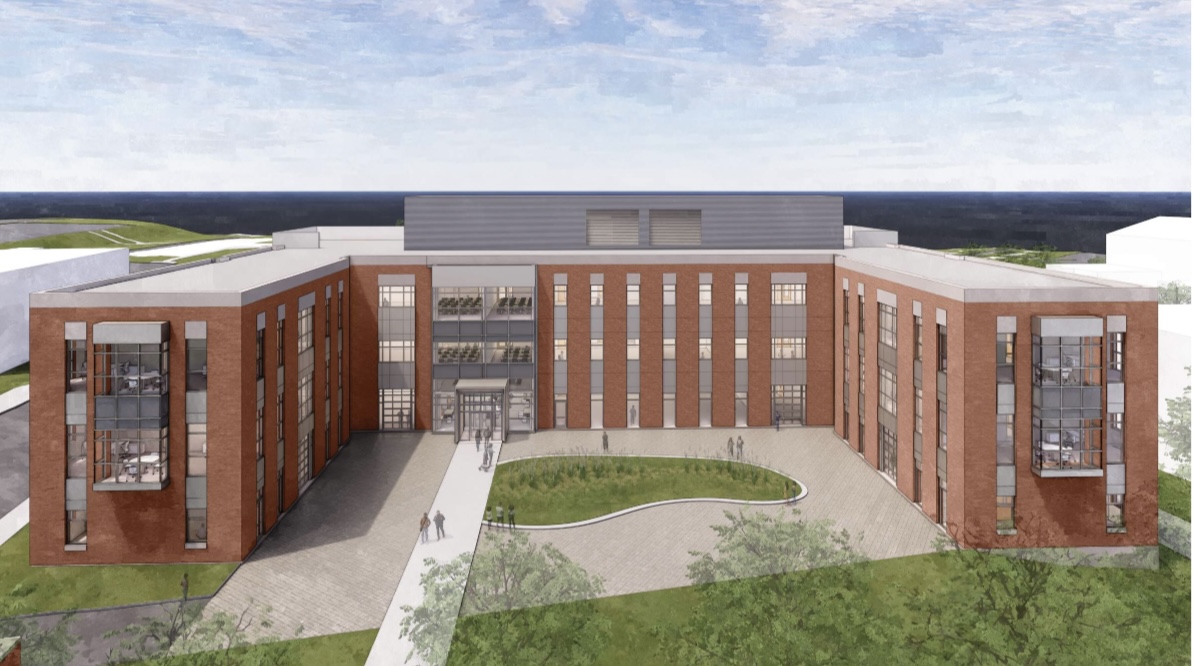
  • TSU’s $50M Engineering Hub: A Game-Changer for HBCU STEM

    Get ready for some exciting news from Tennessee State University (TSU)! They’re gearing up to build a brand-new, $50 million engineering hub right on their Nashville campus. This isn’t just any building; it’s a state-of-the-art facility designed to supercharge hands-on learning, boost research capabilities, and forge stronger connections with industry leaders. Imagine a place where innovation thrives and students get the cutting-edge experience they need to succeed!

    What’s Inside This Impressive New Hub?

    This massive project, spanning nearly 70,000 square feet, has already received the green light from the Tennessee State Building Commission. Construction is set to kick off later this year, with the grand opening anticipated for summer 2027. Once completed, it will bring TSU’s Engineering and Applied & Industrial Technology programs together under one roof.

    Think consolidated classrooms, advanced computer labs, and over 30 specialized research and teaching labs. TSU is really pulling out all the stops to create an environment that fosters discovery and practical application. This move is a significant step in enhancing the educational experience for all engineering students.

    Cutting-Edge Labs for Future-Ready Careers

    The plans highlight three flagship spaces that are particularly exciting: a Future Energy Lab, an Additive Manufacturing Lab, and a Drone Flight & Air Traffic Lab. These specialized areas are designed to prepare students for the rapidly evolving job market in fields like advanced energy systems, cutting-edge fabrication techniques, and the growing world of autonomous flight operations.

    The entire complex is being meticulously designed by Melvin Gill & Associates and Bauer Askew Architecture, working hand-in-hand with TSU’s own Planning, Design, and Construction team. The focus from the ground up is on collaboration, fostering innovation, and ensuring sustainability is a core principle.

    A Boost for Students and the City of Nashville

    Nashville is booming, especially in tech, healthcare, and advanced manufacturing, making it one of the South’s fastest-growing metros. This new engineering hub positions TSU perfectly to strengthen its ties with local employers. It means undergraduates, master’s students, and doctoral researchers will have access to the latest tools and technologies, directly translating into skills that meet real-world workforce demands.

    TSU is all about preparing students to be ‘future-ready.’ This means seamlessly blending classroom learning with project-based work, internships, and research that tackles actual challenges. This initiative builds on recent successes for TSU Engineering, including new funding aimed at improving smart mobility and safety research within Nashville, showcasing a commitment to applying academic expertise to city-wide solutions.

    Why This Matters for HBCUs

    • **STEM Capacity at Scale:** Investments like TSU’s serve as a powerful model for Historically Black Colleges and Universities (HBCUs) to expand vital lab spaces, attract more research grants, and grow their graduate programs.
    • **Hands-On Learning Focus:** The emphasis on specialized labs in areas like energy, additive manufacturing, and drone systems equips students with portfolio-ready skills before they even enter the job market.
    • **Industry Pipeline:** With Nashville’s rapid growth, this hub solidifies a crucial talent pathway, connecting TSU graduates with regional and national employers.
    • **Recruitment Advantage:** A modern, dedicated facility like this is a significant asset for attracting prospective students, highlighting the extensive research and tech opportunities available at an HBCU.

    The Timeline and the Big Picture

    University leaders are framing this project as a strategic move to foster interdisciplinary collaboration and ensure graduates are perfectly aligned with industry needs. Following the August 15th approval, construction is slated to begin in 2025, with the goal of opening the doors in summer 2027, assuming standard construction timelines.

    Ultimately, TSU’s $50 million engineering hub is a forward-thinking investment that sends a clear message about the future of STEM education at HBCUs. By providing cutting-edge labs, expanded research opportunities, and deeper industry connections, this project is set to significantly accelerate student success, faculty research, and positive regional impact for years to come.

    What are your thoughts on TSU’s new engineering hub? How do you see it impacting STEM education at HBCUs? Share your insights in the comments below!

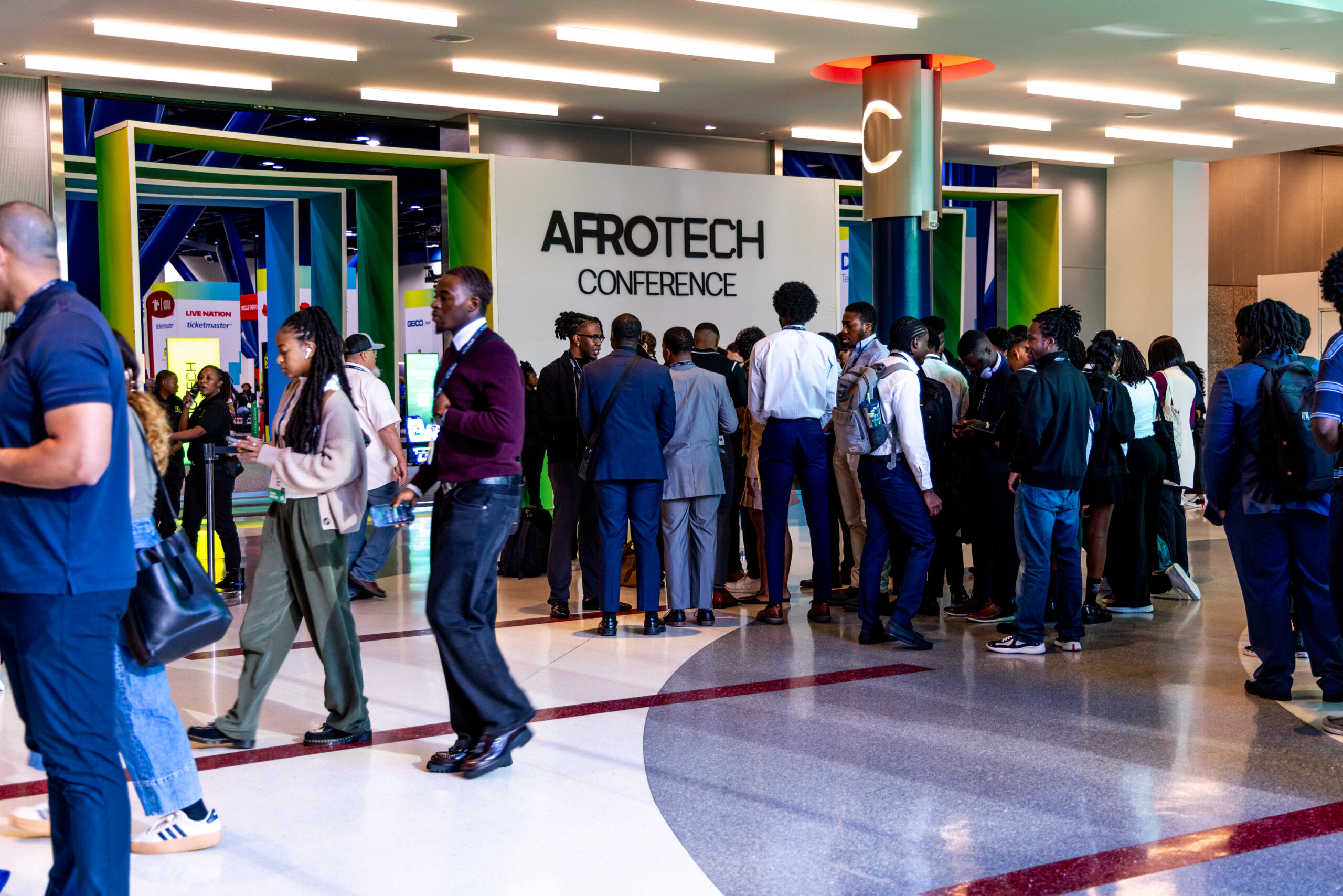
  • AFROTECH Conference 2025 Schedule Revealed!

    Mark your calendars! The highly anticipated AFROTECH™ Conference 2025 schedule has officially dropped, and it’s packed with opportunities to connect, learn, and grow. Returning to Houston, TX, from October 27-31, this year’s conference promises an electrifying lineup of conversations, panels, and networking events designed to fuel your success.

    A Stellar Speaker Lineup

    Prepare to be inspired by a roster of industry heavyweights. This year’s conference features notable speakers such as Stacey Abrams, Founder of American Pride Rises; Debra Lee, former BET Networks CEO and chairman; Jason Mayden, Jordan Brand Designer; and Elizabeth Gore, Co-Founder and President of Hello Alice, among many others. These leaders will share invaluable insights across a wide range of focus areas.

    The conference will dive deep into critical sectors including Cybersecurity and Risk, Engineering, Data, Government and Civic engagement, Product and Design, the Future of Work (HR), Health Tech (AfroMedTech), Esports, Energy and Sustainability, Artificial Intelligence, Fintech, and Marketing and Advertising.

    Craft Your Personalized Experience

    AFROTECH™ is all about empowering you to tailor your conference journey. With dedicated meetups for creators, engineers, HR leaders, health tech innovators, gaming enthusiasts, and more, you can connect with professionals who share your passions and career goals. It’s the perfect chance to expand your network and forge meaningful connections.

    Beyond networking, the conference offers a wealth of workshops designed to upskill and boost your career development. Imagine learning to build AI assistants, create an app in just 30 minutes, or even compose music with the help of cutting-edge technology. Data Analyst Hervé Aniglo shared his excitement about teaching attendees how to create music using Python, calling it a “lucrative way to make money” and a unique avenue for creative expression.

    Explore the Full Schedule

    This year’s AFROTECH™ Conference is set to be an unmissable event, celebrating innovation, culture, and the vibrant Black tech community. You can dive into the complete conference schedule and start planning your agenda by visiting the official AFROTECH website.

    What sessions are you most excited about at the AFROTECH Conference 2025? Let us know in the comments below!

  • AI Could Make These 8 Things Obsolete

    The future is arriving at lightning speed, and artificial intelligence (AI) is at the forefront of this technological revolution. From smart homes to personalized healthcare, AI is integrating into nearly every industry, streamlining operations and providing deeper insights. But what does this mean for the everyday items we rely on? Prepare yourself, because things like physical keys, credit cards, and even eyeglasses might soon become relics of the past.

    The Rise of AI and the Demise of Traditional Items

    Businesses are increasingly leveraging AI to enhance efficiency and gain data-driven insights across various sectors, including IT, customer service, healthcare, HR, and finance. This widespread adoption suggests that many items we use daily could be phased out as AI-powered solutions become more sophisticated and integrated into our lives. Forbes writer Eli Amdur predicted in 2024 that items like physical keys and credit cards could disappear as technology advances.

    Let’s take eyeglasses as an example. While we won’t be ditching our specs overnight, advancements in gene editing, laser eye surgery, and retinal regeneration, coupled with emerging biotech solutions, could significantly reduce the need for traditional vision correction. AI is already playing a role in enhancing precision and personalization in procedures like LASIK, leading to safer surgeries and better outcomes.

    Innovations in Eyewear and Beyond

    The innovation in eyewear doesn’t stop at surgical advancements. AI is enabling virtual try-on technology, allowing users to see how different glasses look on their faces in real-time via smartphone cameras. Furthermore, AI is paving the way for smart, adaptive lenses that can automatically adjust prescriptions based on lighting conditions or the user’s visual needs, offering unparalleled clarity and personalized solutions for visual impairments.

    • Physical Keys: Biometric scanners and digital access via smartphones are replacing traditional keys.
    • Credit Cards: Mobile payment systems and digital wallets are making physical cards increasingly redundant.
    • Eyeglasses: Advances in vision correction technology and AI-powered adaptive lenses may reduce the need for them.
    • Cash: Digital currencies and cashless transactions are becoming more prevalent.
    • Landlines: Mobile phones have largely replaced traditional home phone lines.
    • CDs/DVDs: Streaming services and digital media have made physical discs obsolete for many.
    • Traditional Cameras: Smartphone cameras offer high-quality photography, reducing the need for separate devices.
    • Maps: GPS navigation on smartphones has made paper maps less essential.

    These are just a few examples of how AI and technological advancements are poised to change our daily lives. While it might take time to fully realize these shifts, the trend towards digital, personalized, and AI-driven solutions is undeniable.

    Which of these items do you think will disappear first? Let us know your predictions in the comments below!