Tag: Illinois

  • Juliana Stratton Eyes Historic Senate ‘Sisterhood’

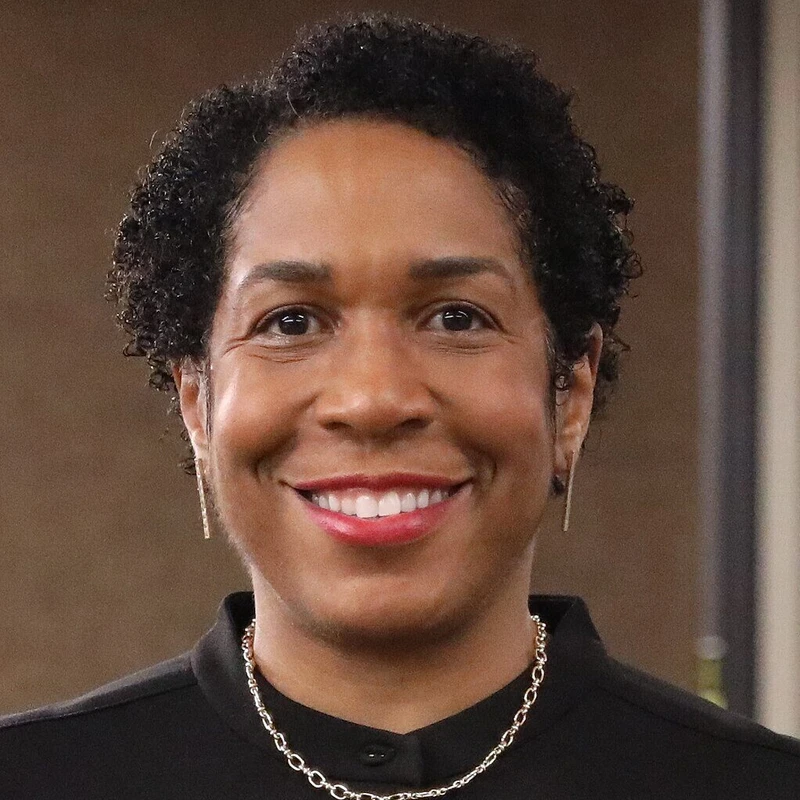
    Illinois Lieutenant Governor Juliana Stratton is on the cusp of making history. After a decisive primary victory, her campaign is now focused on the general election, with a potential win in November paving the way for a truly groundbreaking moment in American politics. Stratton’s success could usher in a new era of representation in the U.S. Senate.

    A Historic ‘Sisterhood’ in the Senate

    If Stratton secures her seat, she will join Senators Angela Alsobrooks and Lisa Blunt Rochester, marking the first time ever that three Black women simultaneously serve in the U.S. Senate. This potential ‘sisterhood’ represents a significant leap forward in ensuring diverse voices are present at the highest levels of legislative power.

    Stratton herself has spoken passionately about the importance of this milestone. She told reporters, “The idea of three means there’s that much more of an opportunity to make sure that when policy is being made, when legislation is being passed, that the voices of our community is right there at the table.” Her vision is clear: policy should be made “by us and with us.”

    Reflecting on Progress and Paving the Way Forward

    During her victory speech, Stratton paid a heartfelt tribute to the ongoing civil rights movement. She honored her late father, a civil rights activist who marched from Selma to Montgomery and was once denied entry to the very Capitol building his daughter now aims to represent. His journey serves as a powerful reminder of the long fight for equality and representation.

    Stratton’s campaign has embraced progressive platforms, including Medicare for All, a $25 federal minimum wage, and the abolition of ICE. These stances reflect a commitment to addressing systemic issues and advocating for marginalized communities. Her path to the Senate signifies a shift towards centering the lived experiences of Black women in policy-making.

    Facing the General Election

    As the heavy favorite in the reliably Democratic state of Illinois, Stratton faces Republican challenger Don Tracy. Tracy is focusing his campaign on the economic challenges facing Illinois, setting up a contrast in priorities as the election approaches. Stratton’s campaign has demonstrated a strong ability to connect with voters on key progressive issues.

    Stratton’s potential entry into the Senate is more than just a personal achievement; it’s a symbol of progress and a testament to the growing influence of Black women in shaping the nation’s future. If elected, she will undoubtedly bring a vital perspective to the legislative chamber and contribute to a powerful new ‘sisterhood’ of representation.

    What are your thoughts on Juliana Stratton’s historic Senate bid? Share your views in the comments below!
  • Juliana Stratton Wins Illinois Democratic Primary

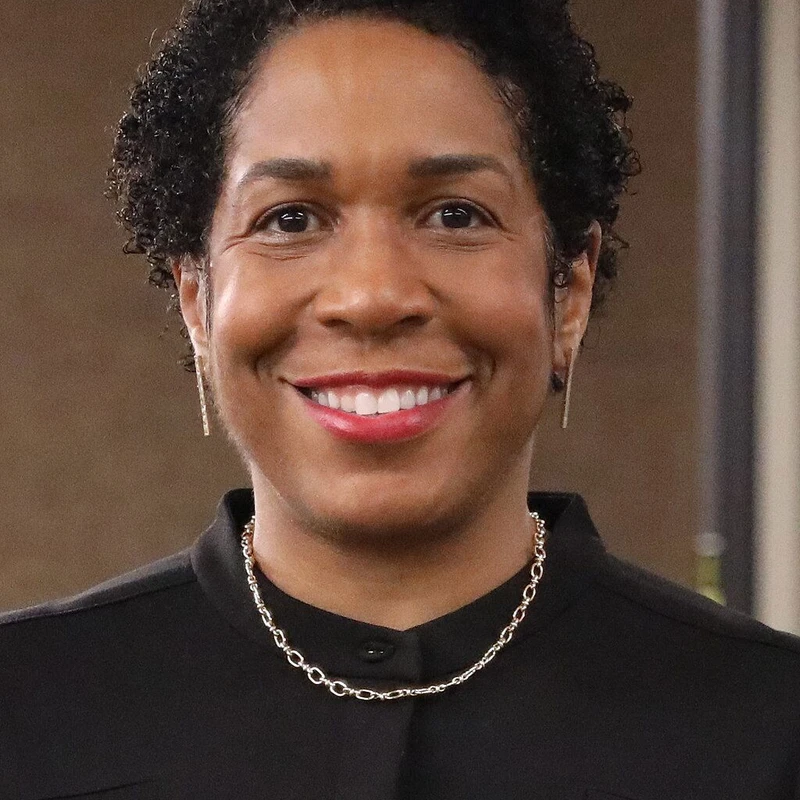
    Illinois Lieutenant Governor Juliana Stratton has won the Democratic primary, securing the nomination to potentially become the state’s second Black woman senator. Stratton defeated frontrunner Rep. Raja Krishnamoorthi, bolstered by significant campaign donations, an endorsement from Governor JB Pritzker, and a memorable campaign slogan, “F*** Trump.”

    A Historic Nomination and a Controversial Slogan

    Stratton’s victory positions her to potentially succeed Senator Dick Durbin, who is retiring. If elected in November, she would follow in the footsteps of Carol Moseley Braun, who was elected as the first Black woman senator from Illinois in 1992. Stratton’s campaign, which included a “F*** Trump” video, has generated considerable attention and discussion.

    Her win defied some strategists’ expectations, particularly concerning the potential for splitting the Black vote with fellow candidate Rep. Robin Kelly, also a Black woman endorsed by the Congressional Black Caucus. However, voters like Jade Brown cited Stratton’s independent voice and proven record as factors in their decision, indicating a desire for candidates who stand firm on their principles.

    Campaign Platform and Future Goals

    Born and raised on Chicago’s South Side, Stratton began her career as a lawyer before entering politics, serving in the state House since 2016. Governor Pritzker selected her to join the Democratic ticket as Lieutenant Governor in 2018, a role she has held for eight years. During her Senate campaign, Stratton garnered support from prominent Democratic figures like Senator Elizabeth Warren and Senator Tammy Duckworth.

    Stratton has pledged to work towards abolishing U.S. Immigration and Customs Enforcement (ICE), advocating for a $25 minimum wage, and expanding Medicare access to all Americans. These policy positions reflect her commitment to progressive values and addressing key issues important to her constituents.

    • Juliana Stratton won the Democratic primary for the U.S. Senate in Illinois.
    • She defeated frontrunner Rep. Raja Krishnamoorthi with significant campaign support.
    • Stratton aims to become the second Black woman senator from Illinois, following Carol Moseley Braun.
    • Her campaign featured a notable “F*** Trump” slogan.
    • Stratton’s platform includes abolishing ICE, raising the minimum wage, and expanding Medicare.

    What are your thoughts on Juliana Stratton’s victory in the Democratic primary? Do you think her “F*** Trump” slogan was effective? Share your opinions in the comments below!

  • Ex-Cop Sean Grayson Convicted in Massey Killing

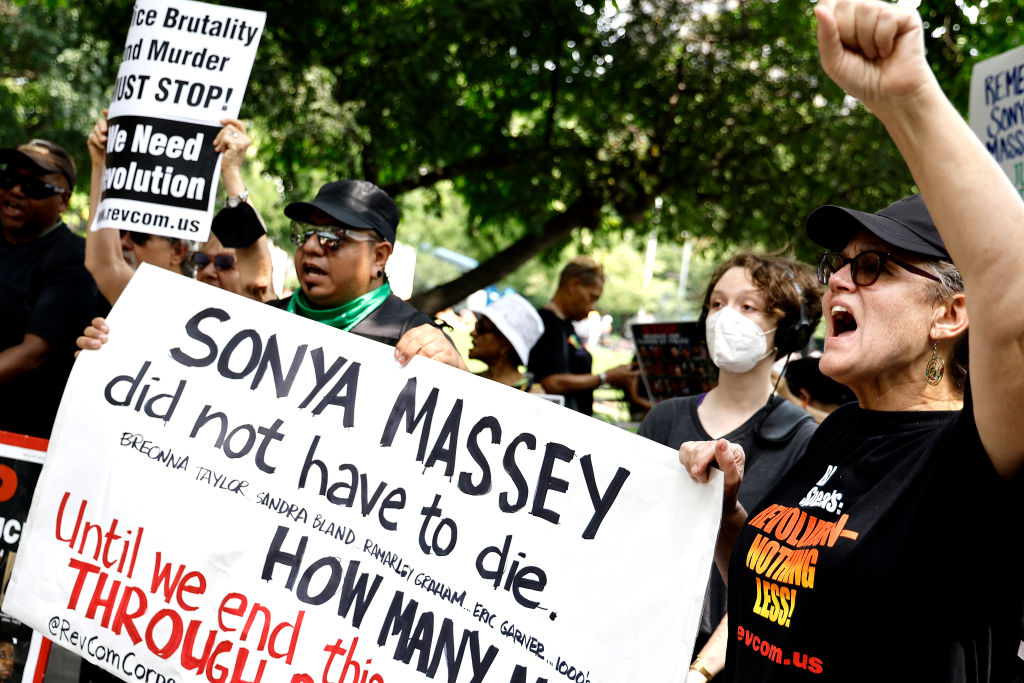
    A jury has spoken: former Illinois deputy Sean Grayson has been convicted of second-degree murder in the tragic shooting death of Sonya Massey. This conviction on Wednesday, October 29th, brings a measure of justice, but it also shines a harsh light on Grayson’s past. Long before he pulled the trigger, his record was marred by a lengthy disciplinary history, raising serious questions about how he remained in law enforcement.

    A Troubled Past, Yet Hired Repeatedly

    Astonishingly, despite numerous red flags, Grayson managed to be hired by six different Illinois law enforcement agencies within a four-year span. This pattern of hiring raises concerns about the vetting processes in place. It highlights a system that seemingly overlooked significant issues, allowing a troubled officer to continue serving.

    One notable incident occurred in 2022 when Grayson received a reprimand for striking a deer with his patrol vehicle. What’s particularly alarming is that this happened while he was traveling at approximately 110 mph, despite his boss having called off a high-speed chase. He later dismissed the crash as a “dumb mistake.”

    Official misconduct will land you in jail… I’m calling you on your integrity. It will get you sued. And it will get you out of your business of law enforcement very quickly in today’s world. — Nate Miller, Logan County Sheriff’s Office chief deputy

    These words from Logan County Sheriff’s Office chief deputy Nate Miller underscore the seriousness of Grayson’s actions. Following this incident, Grayson resigned from the Logan County Sheriff’s Office in April 2023. Just a month later, he joined the Sangamon County Sheriff’s Office, where he would tragically kill Sonya Massey 13 months later. The sheriff who hired him subsequently retired early in the wake of the shooting.

    DUI Convictions and Military Discharge

    Grayson’s issues weren’t limited to his law enforcement career. Before entering the police force, he was discharged from the Army due to two drunken driving convictions. The first occurred in August 2015, followed by a second in July 2016. These DUIs resulted in a general discharge under honorable conditions.

    Testimony and Key Evidence

    During his trial, Grayson testified in his own defense. He claimed he believed Massey was going to throw a pot of scalding hot water at him and that her words, “I rebuke you in the name of Jesus,” constituted a threat. He stated he raised his weapon as an act of force in response.

    However, bodycam footage from his then-fellow officer, Dawson Farley, became crucial evidence. Farley testified that he did not perceive Massey as a threat and, in his original report, admitted to fearing for his safety due to the hot water. While Farley wasn’t charged as he didn’t fire his weapon, his testimony contrasted with Grayson’s account.

    After the shooting, Grayson’s chilling words to Farley were recorded: “She done. You can go get it, but that’s a head shot. There’s nothing you can do, man.” When Farley offered to help Massey, Grayson dismissively threw his medical kit on the floor, stating, “I’m not even gonna waste my med stuff then,” after Farley indicated his assistance wasn’t needed.

    Sentencing and Future Implications

    Grayson faces up to 20 years in prison or probation for his second-degree murder conviction. The jury’s decision not to convict him on first-degree murder charges, which carry a sentence of 45 years to life, reflects the complexities presented during the trial. His sentencing is scheduled for January 29, 2026.

    In the aftermath of this case, Massey’s family received a $10 million settlement with the state. Furthermore, Illinois has enacted a new law aimed at increasing transparency regarding the background checks of candidates applying for law enforcement positions. This tragic event and its fallout are driving significant changes in how police candidates are scrutinized.

    What are your thoughts on Sean Grayson’s disciplinary record and the conviction? Share your perspective in the comments below.

  • Chicago Wins Best Stateside Vacation 2025

    Get ready to pack your bags, because Chicago has officially snagged the 2025 Travel Noire Award for Best Stateside Vacation! This win solidifies the Windy City’s status as a must-visit urban destination, celebrated for its incredible architecture, rich cultural tapestry, and a food scene that truly shines a light on Black creativity and heritage.

    Why Chicago Stole the Show

    Our team couldn’t get enough of Chicago’s charm. From breathtaking skyline views along the iconic Lake Michigan to the historic streets of Bronzeville and Hyde Park, the city offers a dynamic and layered look at American life with a distinct global flair. Plus, with its super accessible public transit and walkable neighborhoods, you can truly immerse yourself in the city’s vibrant rhythm.

    Forget the passport – Chicago delivers an unforgettable city break packed with world-class museums, electrifying live music venues, and restaurants that will tantalize your taste buds. It’s a destination that truly has it all.

    A Blend of Iconic and Hidden Gems

    What really set Chicago apart? It’s the perfect mix of famous landmarks and delightful hidden gems. Millennium Park’s Cloud Gate sculpture, or ‘The Bean,’ continues to be a massive draw for selfie-snapping tourists. But venture a little further, and you’ll discover culinary treasures like the James Beard award-winning Lula Cafe and Black-owned spots like Nobody’s Darling cocktail bar, showcasing the city’s diverse flavors.

    Culture, Comedy, and Culinary Delights

    Chicago’s cultural scene is equally impressive. Dive into history with South Side Black History tours, visiting landmarks like the former homes of Barack Obama and Muhammad Ali. For a dose of laughter, catch a show at The Second City, the legendary comedy club that launched countless careers and celebrates Chicago’s significant role in American humor.

    And let’s talk food! While deep-dish pizza is a non-negotiable Chicago experience (you can even take classes to learn the craft!), don’t miss out on Black-owned eateries like Shawn Michelle’s Homemade Ice Cream in Bronzeville. Their unique flavors, like honey-cinnamon graham cracker and Barack Supreme, offer a delicious taste of cultural heritage.

    Year-Round Appeal and Accessibility

    Think Chicago is just a winter destination? Think again! The city boasts fantastic indoor attractions like the Shedd Aquarium and festive events like the Christkindlmarket Holiday Market, ensuring there’s always something to do. The Chicago Cultural Center, home to the world’s largest Tiffany glass dome, offers free art exhibits year-round, regardless of the weather.

    Travel experts also raved about Chicago’s exceptional accessibility. Its comprehensive public transit system makes navigating between major attractions, diverse neighborhoods, and both airports a breeze. Plus, the pedestrian-friendly downtown areas, especially the Chicago Riverwalk, make exploring the city an absolute pleasure for everyone.

    Have you visited Chicago recently? What are your favorite spots? Share your experiences in the comments below!

  • Illinois Renames State Building for HBCU Alum Jesse White

    Big news for the HBCU community! Illinois is rolling out the red carpet for one of its own, officially renaming a significant state building after Jesse White, a proud graduate of Alabama State University. This landmark tribute is a powerful nod to his incredible career and his deep roots in HBCU culture.

    A Building Named in His Honor

    The building, now known as the Jesse White State of Illinois Building, is located at 115 South LaSalle Street in the heart of downtown Chicago. It’s a hub for over 15 state agencies, including the headquarters for the Secretary of State and the Attorney General’s Chicago offices. This isn’t just a name change; it’s a permanent testament to White’s impactful political career and his dedication to Illinois.

    For many within the HBCU community, this moment highlights how the foundational experiences at these institutions continue to shape leaders who make history. It’s a clear message that the education and values instilled at HBCUs have a far-reaching impact.

    From Alabama State to Illinois Leadership

    Jesse White’s journey began at Alabama State University, where he was not only an academic achiever but also a star athlete in both baseball and basketball. After graduating in 1957, he embarked on a public service career that spanned over six decades. His most notable role was as Illinois Secretary of State, a position he held from 1999 to 2023, making it the longest tenure in state history.

    During his time as Secretary of State, White was lauded for restoring integrity and efficiency to the office. He modernized services, boosted public safety, and earned the trust of voters, securing reelection six times. His leadership solidified him as one of the nation’s most respected public officials.

    Beyond Politics: The Jesse White Tumbling Team

    White’s influence extends beyond the political arena. In 1959, he founded the Jesse White Tumbling Team, a program that has positively impacted thousands of young people in Chicago and beyond. This team has traveled globally, promoting discipline, excellence, and community pride – values that resonate deeply with his HBCU upbringing.

    • HBCU Roots: Alabama State University graduate, Class of 1957
    • Athletic Background: Played both basketball and baseball at Alabama State
    • Public Service: Served 24 years as Illinois Secretary of State—the longest in state history
    • Community Impact: Founder of the Jesse White Tumbling Team, mentoring youth since 1959

    The renaming ceremony itself was a significant event, attended by Governor J.B. Pritzker, state officials, community leaders, and White himself. Governor Pritzker praised White as a paragon of integrity and leadership, while White reflected on the profound meaning of the honor – a legacy that will continue to inspire future generations.

    Why This Matters to the HBCU Community

    This renaming is a powerful declaration of the impact HBCU graduates have worldwide. Jesse White’s story is a reflection of countless alumni who leverage their education, discipline, and community spirit to drive change. For current and future HBCU students, the Jesse White State of Illinois Building stands as a monumental reminder that the lessons learned on campus can lead to extraordinary achievements in all aspects of life.

    What does this recognition of Jesse White mean to you? Share your thoughts on the impact of HBCU alumni in leadership roles in the comments below!

  • Chicago Mayor Limits Federal Troops with Executive Order

    Chicago Mayor Brandon Johnson has taken a firm stance against potential federal intervention, signing an executive order aimed at limiting the presence and actions of federal troops within the city. The order, titled the “Protecting Chicago Initiative,” seeks to ensure federal agents adhere to municipal policing roles and that citizens are informed of their rights should federal deployments occur.

    A United Front Against Federal Intervention

    This move comes as Mayor Johnson and Illinois Governor JB Pritzker have presented a united front in resisting federal overtures regarding crime in Chicago. Johnson expressed urgency, stating, “We have received credible reports that we have days, not weeks, before our city sees some kind of militarized activity by the federal government.” He emphasized that the city does not want to see “tanks in our streets” or families “ripped apart.”

    The executive order directs the city’s Department of Law to explore all legal avenues to resist federal actions that may overstep local authority. Naval Station Great Lakes, located near Chicago, is expected to serve as a staging or command center for federal agents, with troops anticipated to arrive by September 5th.

    Accountability Measures and Legal Questions

    The order includes specific measures to hold federal agents accountable. If federal agents deviate from guidelines similar to those followed by Chicago’s police force, Johnson plans to take legal action. This could include requiring federal agents to wear identifiable items like masks, body cameras, badges, and uniforms during engagements with citizens, and potentially withdrawing support from the Chicago Police Department for federal or military units.

    However, legal scholars like Julian Davis Mortenson from the University of Michigan raise questions about the extent to which a local government can impose its laws on federal operations. While acknowledging the order’s thoughtful nature, Mortenson notes the legal complexities of a state or city seeking to enforce municipal law on federal law enforcement activities, particularly if the federal authority is deemed valid.

    Despite these legal considerations, Mayor Johnson positions himself as a defender against what he describes as an “increasingly authoritarian and fascist federal government.” He asserted, “This executive order makes it emphatically clear this president is not going to come in and deputize our police department. We do not want to see tanks in our streets… And I don’t take orders from the federal government.”

    Broader Calls for Action

    Esiah Campos, a Lake County commissioner, echoed the sentiment, calling for state lawmakers and local mayors to ban the practice of housing ICE and Homeland Security agents who might “terrorize our people.” Campos stressed the need for action over mere statements, highlighting the personal impact of such policies on communities.

    What are your thoughts on Mayor Johnson’s executive order? Do you believe local governments should have the power to limit federal troop presence? Share your views in the comments below!

  • Illinois Man Charged in Forced Abortion

    A shocking incident in Illinois has led to homicide charges against a man accused of forcing abortion pills on his pregnant girlfriend without her consent, resulting in a miscarriage. The case highlights a disturbing intersection of reproductive rights and alleged criminal actions.

    Allegations of Forced Miscarriage

    Emerson Evans, 31, of Normal, Illinois, was arrested on August 22 following a police response to a medical emergency at a Bloomington home. Authorities discovered a pregnant woman experiencing severe complications. Investigations revealed that Evans allegedly administered abortion pills, specifically four Mifepristone pills, into her vagina without her consent.

    The woman, who was seven weeks pregnant at the time, suffered significant complications and ultimately miscarried. Police stated that Evans allegedly told them he “made the decision” for his girlfriend to have the abortion. The number of pills and the lack of consent were noted by Judge Amy McFarland during a court hearing.

    Legal Ramifications and Community Response

    Bloomington Police Chief Jamal Simington expressed sadness over the alleged criminal actions, stating, “We are again saddened by the alleged criminal actions that resulted in harm to others. It is my hope the mother involved in the matter fully recovers and has the resources and support of this strong community in the future.”

    Evans has been charged with two counts of intentional homicide of an unborn child. While abortion is legal in Illinois, the charge of intentional homicide of an unborn child carries a severe penalty, with a minimum sentence of 20 years per count. Evans remains in custody awaiting his arraignment scheduled for September 12.

    What are your thoughts on this disturbing case? Share your views in the comments below.

  • Illinois Passes ‘Sonya Massey Bill’ for Police Hiring

    A new law in Illinois is set to overhaul the police hiring process statewide, a measure inspired by the tragic death of Sonya Massey. Governor JB Pritzker signed the “Sonya Massey Bill” into law, implementing stricter vetting procedures for law enforcement candidates.

    A Preventable Tragedy

    Sonya Massey lost her life during a mental health crisis when Sangamon County Sheriff’s Deputy Sean Grayson, who was allegedly in a state of crisis himself, shot her. Investigations revealed that Grayson had a history of misconduct, having been discharged from six police departments since 2020 for issues including inappropriate conduct and reckless driving. He also had two prior DUI convictions from his time in the Army. Despite these red flags, he was hired by the Sangamon County Sheriff’s Office.

    The Massey family believes that a more thorough vetting process could have prevented this tragedy. Governor Pritzker echoed this sentiment at the bill signing, stating, “When Sonya Massey feared for her safety, she did what anyone would do: she called for help. That became a death sentence for her.” He emphasized that such incidents are preventable and a “moral strain” on society.

    Overhauling the Hiring Process

    The Sonya Massey Bill requires all law enforcement agencies in Illinois to conduct thorough reviews of candidates’ previous employment history before extending an offer. This aims to ensure that individuals with a pattern of misconduct or disqualifying issues are not hired, thereby enhancing public safety.

    A Legacy of Change

    Sonya Massey’s son, Malachi Hill, was present at the bill signing, expressing his grief and hope that the bill will ensure his mother’s name lives on. State Senator Doris Turner, a close family friend and bill sponsor, called the legislation “the most important thing I have ever done” in her 25 years of elected office, highlighting its non-political yet crucial nature.

    The hope is that this bill serves as a model for other states, preventing similar tragedies and ensuring that law enforcement agencies prioritize thorough vetting to protect their communities.

    What are your thoughts on the new ‘Sonya Massey Bill’? Do you think stricter vetting for police officers is necessary? Share your opinions in the comments below!