Tag: Housing Market

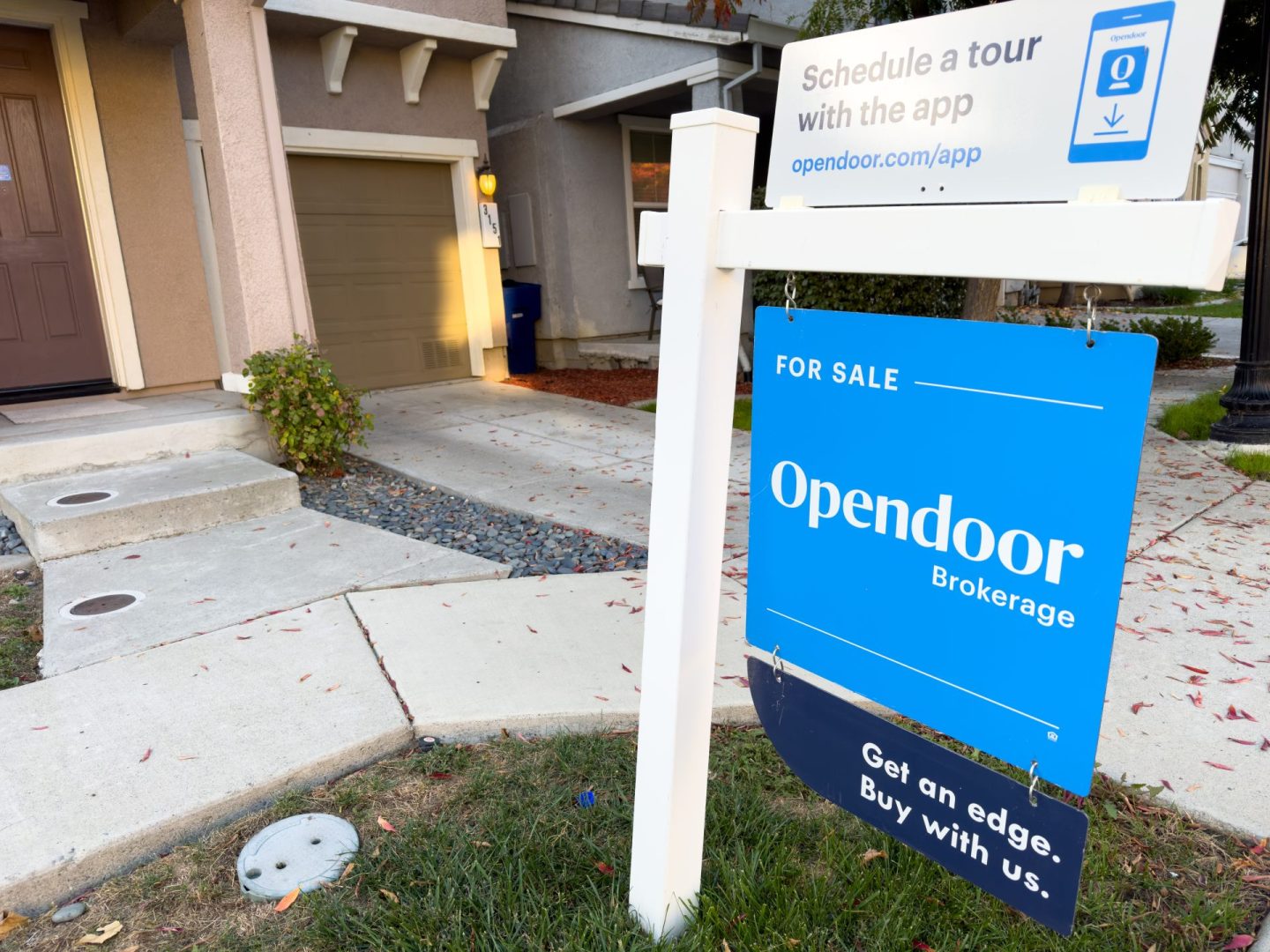
  • Housing Market Offers Big Discounts to Buyers

    If you’ve been dreaming of buying a home but felt priced out, the current housing market might just be your lucky break! As interest rates hover above 6%, making monthly mortgage payments higher than in 2020, homeowners are increasingly being forced to lower their asking prices to stay competitive. This shift is creating massive discounts for potential buyers.

    A Cooling Market Creates Buyer Opportunities

    The housing market is definitely cooling down from the frenzy of the COVID-19 era, though it’s not entirely out of the woods yet. With inflation continuing to affect consumer spending, data from The Wall Street Journal reveals that approximately 20% of active home listings in October had seen a price cut. This indicates a significant number of sellers are adjusting their expectations.

    For homes priced at the higher end, this often means a longer wait time for sellers. Statistics from the National Association of Realtors show that listings with price cuts spend, on average, five times longer on the market compared to those initially priced correctly. However, housing experts see this as a positive development for both buyers and sellers.

    Record Discounts and Rebalancing Market

    Zillow Senior Economist Kara Ng explained to Fox Business that many homeowners have seen substantial increases in their home values over the past few years, giving them the flexibility to accept a price cut or two while still profiting. “These discounts are bringing more listings in line with buyers’ budgets, and helping fuel the most active housing market in three years,” Ng stated. “Patient buyers are reaping the rewards as the market continues to rebalance.”

    Homes that are priced accurately from the start tend to sell faster and often fetch 100% of their asking price. However, once a property has been on the market for about three months, sellers typically begin the process of lowering the price. Despite nationwide home prices still showing an upward trend, data from Redfin indicates that 2025 is shaping up to be the strongest buyer’s market in recent memory, with a significant surplus of sellers over buyers.

    Inventory Spikes in Key Markets

    This increase in housing inventory is particularly noticeable in East Coast states like Maryland (34% increase), Virginia (27%), and North Carolina (34%). Western states like Arizona (27%), Nevada (23%), and South Dakota (27%) also saw significant jumps, while Washington State sits at 25%. Major metropolitan areas are also experiencing this trend, with substantial reductions seen in cities across California. Los Angeles reported average price cuts of $61,000, San Francisco saw reductions of $59,001, San Jose homeowners offered an average discount of $70,900, and New York City’s median cumulative price cut was $50,000.

    Are you looking to buy a home? Have you noticed these discounts in your local market? Share your experiences and thoughts in the comments below!

  • KC Realtor Aims to Create 1,000 Black Homeowners

    Imagine finally owning a piece of the American Dream – your own home! For many, this dream feels out of reach, especially within the Black community. But in Kansas City, one dedicated realtor is working tirelessly to change that narrative, aiming to help a remarkable 1,000 Black individuals achieve homeownership.

    Bridging the Homeownership Gap

    Tenesia Brown, the CEO of Keys Realty Group, is on the cusp of reaching her ambitious goal. She’s not just selling houses; she’s focused on educating aspiring first-time buyers about the resources and pathways available to make homeownership a reality. Brown believes a significant barrier is a lack of education and awareness about available support systems.

    Since launching her initiative, Brown has already guided an impressive 887 new Black homeowners. Many are turning to her services as renting becomes increasingly unaffordable and less desirable. The current market conditions are making it tough for people to find stable, affordable housing.

    Overcoming Market Challenges

    Shay Moore, a radio host and advocate, has joined Brown’s cause, working to dismantle the obstacles that have historically prevented Black people from owning homes. Moore’s own experience of moving frequently without a permanent home inspired her to tackle this issue head-on. She’s witnessed firsthand how rising rental costs have made owning a home a more attractive, albeit challenging, prospect.

    While concerns about high interest rates and property prices are valid, Moore found that Kansas City still offers affordable housing options. Brown echoes this sentiment, encouraging potential homeowners to start within their means to avoid being “house rich and pocket poor.” This practical approach ensures new homeowners can sustain their properties long-term.

    The State of Black Homeownership

    The National Association of Realtors’ 2025 “Snapshot of Race and Home Buying in America” highlights the persistent gap. While Black homeownership has remained relatively steady at 43.9%, it still significantly lags behind white homeownership rates, which stand at approximately 74%. Even with a general dip in overall homeownership to a record low of 21%, Moore and Brown remain committed to pushing forward.

    • Tenesia Brown aims to create 1,000 Black homeowners.
    • Keys Realty Group focuses on education and resource awareness.
    • Rising rental costs are driving interest in homeownership.
    • Kansas City offers affordable housing options.
    • The Black homeownership rate still trails behind white Americans.

    Brown anticipates reaching her 1,000-homeowner goal by 2026, making a tangible impact on wealth building and community stability for Black families in Kansas City. Her efforts are a powerful reminder that with education and determination, the dream of homeownership is attainable.

    What are your thoughts on the challenges and triumphs of Black homeownership? Share your experiences and insights in the comments below!

  • Why $74K Salary Isn’t Enough for Homeownership

    We all have that ‘perfect’ salary in mind, right? For many Americans, that magic number hovers around $74,000 a year. It sounds like a solid income, enough to live comfortably and maybe even achieve some big life goals. But what if that ‘perfect’ salary isn’t quite perfect enough for one of the biggest dreams of all: owning a home?

    The Reality of the $74,000 Salary

    A recent survey by Talker Research revealed that $74,000 is the ideal annual pay for most Americans. However, when Realtor.com dug into what that income can actually afford in today’s housing market, the results were sobering. Spoiler alert: it doesn’t get you very far in most places.

    When you factor in a 20% down payment and a mortgage rate of 6.56%, that $74,000 salary only allows you to afford a median-priced home in just two states: Louisiana and West Virginia. In these states, the median home prices are around $285,000, which is significantly lower than the national median.

    The National Housing Market vs. Ideal Income

    The national median home price is a stark contrast, sitting at $410,800 in the second quarter of 2025, according to the Federal Reserve Bank of St. Louis. Even in more affordable areas within Louisiana, like Baton Rouge, saving for just the down payment on a home with a $74,000 salary could take about four years. And that’s before even considering closing costs, moving expenses, and other associated fees!

    Doubling the Salary Still Isn’t Enough

    Think doubling your income would solve the problem? Realtor.com’s study calculated the probability of homebuying with twice the ‘ideal salary’ – $148,000. Shockingly, even with this substantial income, homeownership remains out of reach in 13 states.

    Data indicates that the income required to afford an average home today is around $114,000, a staggering 70% increase since 2019. Redfin’s analysis places this figure even higher, at approximately $117,000, the highest it’s been since 2012. Meanwhile, the typical U.S. household earns around $84,000.

    The Widening Gap Between Dreams and Reality

    This data paints a clear picture: the dream of homeownership is becoming a lofty goal for many Americans, even those earning what they consider a ‘perfect’ salary. The gap between aspirations and the financial reality of the housing market is growing wider.

    While $74,000 might feel like the ideal income, it simply doesn’t translate to homeownership in the majority of U.S. states anymore. It’s a tough reality check for those hoping to enter the housing market.

    Are you finding it challenging to save for a down payment? What are your biggest hurdles to homeownership? Share your experiences and thoughts in the comments below!

  • The ‘Double Tax’ Hurting Black Women’s Homeownership

    Ever dream of owning your own home? For many, it’s a cornerstone of building wealth and security. But what if systemic issues are making that dream harder to reach, especially for Black women? Recent trends show a concerning decline in Black homeownership, and it’s not just about rising interest rates. A significant factor is what economists are calling the ‘double tax.’

    Understanding the ‘Double Tax’

    So, what exactly is this ‘double tax’? It’s a tough combination of two major economic hurdles disproportionately affecting Black women: higher unemployment rates and persistent wage disparities. This means Black women often face greater job insecurity and earn less than their counterparts, creating a significant disadvantage when trying to save for a down payment or qualify for a mortgage.

    This isn’t just a minor setback; it’s directly impacting the ability of Black families to build generational wealth through homeownership. Data from Real Estate Mortgage Professional shows that homeownership among Black Americans dipped to 43.9% in the second quarter of 2025, the lowest it’s been in nearly four years. Meanwhile, unemployment for Black women rose to 6.3% in July 2025, a noticeable jump from the previous year.

    The Lingering Shadow of History

    These current economic challenges don’t exist in a vacuum. They’re layered on top of decades of historical discrimination. Practices like redlining, predatory lending, and the systemic undervaluing of Black communities have created a deep-seated racial wealth gap. This legacy means Black households often start with less savings and equity, putting them at an immediate disadvantage in the housing market.

    As author Anna Gifty Opoku-Agyeman highlights in her book, ‘The Double Tax: How Women of Color Are Overcharged and Underpaid,’ Black women face workplace hurdles like fewer promotions and higher turnover. Occupational segregation also pushes many into lower-paying career paths. When economic times get tough, these compounded effects of racism and sexism can worsen, especially if jobs in sectors like the federal workforce or DEI are targeted for cuts.

    Pathways to a More Equitable Future

    So, what can be done to break down these barriers? Experts are calling for intentional, equity-focused interventions. One promising approach is targeted down-payment assistance programs, especially for first-generation homebuyers. Another is the use of Special Purpose Credit Programs (SPCPs), which allow lenders to offer more favorable loan terms to groups that have historically faced discrimination.

    These kinds of supportive measures have already shown potential in helping more Black families achieve and maintain homeownership. Without such strategic policies, the ‘double tax’ will continue to be a major obstacle, potentially pushing the dream of homeownership and the generational wealth it can create further out of reach for many.

    • Higher unemployment rates for Black women.
    • Persistent wage disparities.
    • Historical discriminatory housing practices.
    • Reduced savings and equity.
    • Limited access to favorable mortgage terms.

    What are your thoughts on the ‘double tax’ and its impact on Black homeownership? Share your insights in the comments below!

  • Mortgage Rates Drop to Multi-Month Lows

    Great news for anyone dreaming of homeownership! Mortgage rates have taken a significant plunge, offering much-needed relief to potential buyers. The average 30-year fixed-rate loan has dipped below the 6.4% mark, hitting 6.32% according to Optimal Blue. This is the lowest we’ve seen rates since early October, a welcome change after months of hovering stubbornly around the 7% mark.

    A Promising Shift in the Mortgage Market

    This sudden drop of 14 basis points from the previous day offers a ray of hope for those who have been patiently waiting for a more favorable market. It could be the opening many Americans need to finally turn their homeownership dreams into a reality. The positive trend isn’t just limited to conventional loans; government-backed options are also showing encouraging signs.

    • **30-year conventional loans:** Dropped to 6.32% (down from 6.49% weekly, 6.58% monthly).
    • **30-year jumbo mortgages:** Fell to 6.52% (down from 6.57% weekly, 6.71% monthly).
    • **30-year FHA loans:** Hit 6.12% (down from 6.26% weekly, 6.33% monthly).
    • **30-year VA loans:** Reached 5.80% (down from nearly 6% weekly, 6.14% monthly).
    • **30-year USDA loans:** Settled at 6.14% (down from 6.27% weekly, 6.32% monthly).

    Interestingly, 15-year conventional loans saw a slight increase to 5.49% from 5.45% weekly, though they remain significantly lower than last month’s 5.71%.

    Understanding the Market Forces

    The mortgage market has been quite the rollercoaster this year. While experts initially expected rates to ease after the Federal Reserve began lowering the federal funds rate in September 2024, that relief was short-lived. Rates dipped briefly before climbing again, with the average 30-year fixed-rate mortgage surpassing 7% in January 2025. This is a stark contrast to the record lows seen in January 2021.

    Economic uncertainties, including potential policy changes and labor market shifts, continue to influence lending conditions. Some analysts worry these factors could reignite inflation concerns, potentially impacting future rate movements. However, the current environment, while still reflecting challenges, offers a more optimistic outlook than we’ve seen in months.

    Historical Context and Strategies for Borrowers

    While today’s rates around 6.3% might feel high compared to the pandemic era, historical data shows they are within normal ranges. Rates in the 7% vicinity were common in the 1970s and 1990s, with a notable spike above 18% in the early 1980s. This perspective might offer little comfort to those feeling ‘golden handcuffed’ by low pandemic-era rates, preventing them from moving.

    Despite factors beyond individual control, borrowers can take proactive steps. Maintaining a strong credit score (ideally 740+) is crucial, as is keeping debt-to-income ratios low (below 36% is preferred). Perhaps most importantly, shopping around with multiple lenders can lead to significant savings. Freddie Mac research suggests that comparing offers can save homebuyers $600 to $1,200 annually.

    What’s Next for Mortgage Rates?

    The recent decline in rates brings cautious optimism, but experts don’t anticipate a return to the ultra-low rates of the pandemic era. Rates in the 2-3% range are unlikely under normal economic conditions. However, rates around 6% are certainly possible if inflation continues to moderate and economic confidence remains steady. For now, this is the best opportunity in months for serious homebuyers to secure financing at more manageable terms.

    Are you looking to buy a home? How do these lower mortgage rates impact your plans? Share your thoughts and strategies in the comments below!

  • Top 5 Cities for Exploding Job Growth in 2025

    Thinking about a move? The job market is booming in some surprising U.S. cities, and savvy homebuyers are already taking note. While national employment growth has stabilized, a select few cities are experiencing an incredible surge, creating a prime opportunity for those looking for a fresh start.

    The Carolinas Lead the Charge

    The Southeast is truly shining, with North and South Carolina at the forefront of this employment boom. Businesses and workers are flocking to these states at record rates, reshaping the regional landscape. According to the Bureau of Labor Statistics, these cities are leading the pack:

    1. **Myrtle Beach, South Carolina:** Topping the list with a remarkable 3.5% employment growth, this coastal city is transforming into a year-round economic hub, driven by hospitality, healthcare, and professional services.
    2. **Charleston, South Carolina:** Boasting 3.1% overall job growth, Charleston particularly excels in high-income positions, with a 3.7% increase. Tech and financial services are thriving here, blending Southern charm with business-friendly policies.
    3. **Charlotte, North Carolina:** As the Southeast’s banking capital, Charlotte is also diversifying into tech and healthcare. With 2.5% overall employment growth and 3.2% in high-income jobs, it continues to attract major corporations.
    4. **Raleigh, North Carolina:** Completing the Carolina quartet, Raleigh shows 2.1% overall job growth and 2.4% in high-paying sectors. The Research Triangle’s strong university and tech presence fuels continuous innovation and opportunity.

    Boise: The Western Standout

    Breaking the Carolina streak, **Boise, Idaho**, secures a spot in the top five with 2.7% employment growth. This Mountain West city has become a magnet for remote workers and companies seeking a high quality of life at a lower cost. While its high-income job growth is 2.1%, it’s adding jobs across various sectors.

    Impact on the Housing Market

    These employment hotspots are significantly impacting their housing markets. Increased demand from new residents is driving up home prices, making it advantageous for early movers. Cities that are adding more high-income jobs, like Charleston, often see stronger and more stable property values.

    Conversely, some established cities like San Diego (0.6% total growth, -1.7% high-income growth) and Phoenix are facing challenges, potentially offering more affordable entry points but with less potential for long-term appreciation.

    Timing Your Relocation Strategy

    For prospective homebuyers, these employment trends are a valuable guide. Rapid job growth often leads to tighter housing inventory, so acting quickly is key. Emerging markets in the Carolinas, for instance, offer a compelling mix of career opportunities, affordability, and quality of life that might have previously been out of reach.

    When considering a move, remember to look beyond just job numbers. Factors like infrastructure, school quality, and long-term sustainability are crucial for a successful relocation. As remote work continues to influence where people live, cities that effectively attract both businesses and talent are poised for sustained growth.

    Are you considering a move to one of these booming cities? Share your thoughts or experiences in the comments below!

  • Opendoor Stock Surges 9% on Powell’s Rate Cut Hints

    Real estate technology company Opendoor Technologies is making waves on Wall Street, with its stock climbing 9.18% on Monday morning. This surge extends a remarkable month-long rally, during which the stock has gained an impressive 102%. The latest boost comes as investors digest Federal Reserve Chair Jerome Powell’s recent remarks, which have sparked speculation about potential shifts in monetary policy.

    Powell’s Comments Fuel Housing Market Optimism

    The primary catalyst for Opendoor’s recent momentum appears to be Powell’s speech at the Jackson Hole Economic Symposium. His comments hinted at a potentially more accommodating monetary policy, suggesting the Federal Reserve might consider cutting interest rates if economic data continues to indicate slowing growth. For interest-sensitive sectors like housing, and specifically for companies like Opendoor that operate in the real estate market, the prospect of lower borrowing costs is highly significant.

    Lower interest rates typically lead to more affordable mortgages, which could stimulate demand from both buyers and sellers who have been hesitant due to high financing costs. Market observers and social media influencers have widely discussed this potential shift, with many believing that rate cuts could help “unfreeze” the housing market, which has been constrained by affordability issues.

    AI Strategy and Future Growth

    Beyond macroeconomic factors, Opendoor’s leadership is also focusing on the company’s future. Interim CEO Shrishia Radhakrishna has outlined an ambitious strategy centered on artificial intelligence (AI) and platform diversification. Radhakrishna views AI as a “core primitive” for Opendoor’s next developmental phase, aiming to optimize costs and improve platform efficiency. This tech-forward approach seeks to differentiate Opendoor from traditional real estate firms and enhance its operational performance.

    The integration of AI is part of a larger multi-product model designed to expand Opendoor’s revenue streams beyond its core iBuying business. This diversification strategy aims to address investor concerns about the company’s reliance on housing market cycles. The company’s stock performance, trading at $5.47, reflects a 27% gain over the last five sessions, signaling renewed investor confidence.

    Navigating Market Volatility and Housing Dynamics

    Opendoor’s recent stock performance highlights the significant volatility experienced by growth stocks, especially in cyclical industries like real estate. The company’s shares have seen a wide trading range over the past year, influenced by market sentiment regarding housing conditions and the iBuying model itself. High mortgage rates have previously challenged transaction volumes and compressed margins.

    However, the current rally suggests a more optimistic outlook, particularly if interest rates decrease. The housing market has been largely stagnant due to high mortgage rates, creating a “lock-in effect” where homeowners are reluctant to sell. A potential shift towards lower rates could revitalize market activity, benefiting Opendoor’s transaction-dependent business model. The company’s technological approach may allow it to capitalize more effectively on a market recovery compared to traditional real estate firms.

    What are your thoughts on Opendoor’s stock performance and the future of the housing market? Share your insights in the comments below!