Tag: Homophobia

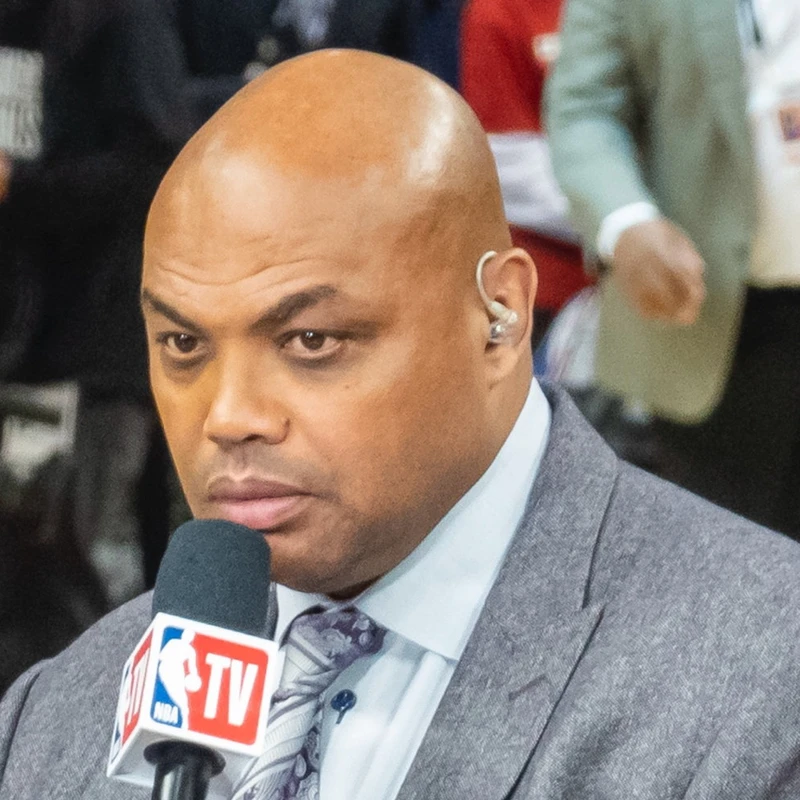
  • Charles Barkley Tackles Homophobia in Sports

    In the wake of Jason Collins’ passing, NBA legend Charles Barkley didn’t shy away from a tough conversation. During a recent broadcast of ESPN’s ‘Inside the NBA,’ Barkley used the moment to reflect on the legacy of the league’s first openly gay player and to call out the persistent homophobia that still exists within professional sports.

    Honoring Jason Collins’ Legacy

    Jason Collins, who bravely came out in 2013 and became a pivotal figure for LGBTQ+ visibility in sports, recently passed away at 47 after a battle with brain cancer. Barkley took the opportunity to honor Collins’ courage and to address the uncomfortable truth about the climate for gay athletes in major U.S. professional leagues.

    Collins played 13 seasons in the NBA, known for his defensive skills and advocacy work. His decision to come out paved the way for greater acceptance, but as Barkley pointed out, the journey toward true inclusivity is far from over.

    Barkley’s Direct Message on Homophobia

    Barkley didn’t mince words, stating, ‘There is such animosity toward the gay community. That’s what’s really unfortunate.’ He went on to say that anyone who believes there aren’t more gay players in leagues like the NFL, MLB, and NBA is simply ‘stupid.’ This directness highlights the ongoing fear and prejudice many LGBTQ+ athletes still face.

    He specifically called out the societal tendency to be homophobic, noting that this prejudice exists even within parts of the Black community. Barkley’s commentary suggests that while society may not be ‘afraid of homosexuals,’ there’s a significant issue with intolerance and a resistance to LGBTQ+ visibility in mainstream culture, including sports.

    Sparking Debate and Discussion

    As expected, Barkley’s candid remarks ignited a debate. Many lauded the former NBA star for using his platform to advocate for LGBTQ+ athletes and challenge ingrained biases. However, some media outlets and commentators criticized his statements, labeling them as overly political and a diversion from honoring Collins’ passing.

    Regardless of the differing opinions, Barkley’s willingness to address homophobia head-on brings a crucial conversation to the forefront. It underscores the need for continued dialogue and action to create truly inclusive environments in the world of sports and beyond.

    What are your thoughts on Charles Barkley’s comments about homophobia in sports? Share your perspective in the comments below!

  • Snoop Dogg, Hip Hop & LGBTQIA+ Acceptance

    Hip Hop, a genre often celebrated for its raw honesty and boundary-pushing narratives, finds itself at a crossroads when it comes to LGBTQIA+ acceptance. Even a Hip Hop icon like Snoop Dogg, a figure who has navigated decades of fame and reinvented himself countless times, recently stumbled over a moment of queer visibility, revealing the culture’s persistent contradictions.

    Snoop Dogg’s ‘Scared to Go to the Movies’ Moment

    During a guest appearance on the ‘It’s Giving’ podcast, Snoop Dogg expressed discomfort with a gay couple sharing a kiss in Pixar’s ‘Lightyear.’ He recounted his grandson asking, ‘Papa Snoop? How she have a baby with a woman? She’s a woman!’ Snoop admitted he was caught off guard, stating, ‘I didn’t come in for this sh*t. I just came to watch the goddamn movie.’

    This reaction is particularly striking given Snoop’s long career. He once guest-starred on ‘The L Word,’ a show centered around lesbian and bisexual women, and confessed he had no words for that experience either. While he’s rapped about violence, sex, and crime without hesitation, a simple depiction of ordinary queer love seemed to leave him speechless. This unease mirrors Hip Hop’s historical tendency to keep LGBTQIA+ presence on the fringes.

    The Contradiction: Legacy vs. Evasion

    What unsettled many wasn’t just the comment itself, but the stark contradiction it exposed. Here’s an artist who built his empire on narrating the most extreme aspects of life – murder, gang wars, explicit sex – yet faltered when faced with a moment of gay love in a children’s film. This imbalance confirmed a long-held observation: that many Hip Hop elders are still uncomfortable when queerness isn’t confined to the margins.

    Following the backlash, an ‘apology’ surfaced online, stating, ‘I was just caught off guard and had no answer for my grandsons.’ However, Snoop’s representatives later claimed neither he nor his team wrote the post, though it remained up. This ambiguity only fueled the sense of evasion, raising questions about whether it was genuine humility or a calculated image control move.

    Hip Hop’s History: Violence is Okay, Love Isn’t?

    The argument that Snoop’s music is for adults while ‘Lightyear’ is for children often surfaces. This logic suggests that explicit rap lyrics are acceptable, but depicting a gay couple in a kids’ movie is ‘pushing an agenda.’ This perspective, rooted in homophobia, ignores the reality that children have always absorbed Hip Hop culture. From memorizing hooks to watching music videos, kids have been exposed to its content for decades.

    Consider Snoop’s own catalog: songs normalizing misogyny, videos featuring women as props for male desire, and violence as a backdrop. This was the moral landscape children were already navigating. The hypocrisy lies in framing violence and misogyny as acceptable for young audiences while deeming depictions of LGBTQIA+ love inappropriate.

    Queer Voices Shaping Hip Hop’s Future

    Despite these hesitations, Hip Hop’s relationship with queerness is evolving. Artists like Frank Ocean, Young M.A., Lil Nas X, Saucy Santana, and Big Freedia have carved out significant spaces, challenging old norms and celebrating their identities. Even within Snoop’s own creative circle, queer songwriters like Gizzle contribute to the music he profits from, proving that queer creativity is intrinsically woven into Hip Hop’s fabric.

    Snoop Dogg’s remark, while revealing a generational lag, doesn’t negate the progress made. It highlights that while Hip Hop can embrace and resist queerness simultaneously, the voices pushing for greater understanding and acceptance are growing louder. As Ts Madison wisely put it, parents have a responsibility to explain differences, not shy away from them. The fear isn’t about confusing children; it’s about adults confronting their own discomfort.

    What are your thoughts on Hip Hop’s evolving relationship with LGBTQIA+ artists and themes? Share your perspective in the comments below!

  • Keke Wyatt Responds to Son’s Homophobia Accusations

    It’s never easy when family matters spill into the public eye, and singer Keke Wyatt is currently navigating just that. Her 23-year-old son, Rahjah Ke’ Morton, recently took to TikTok with some serious allegations against his mother, sparking a conversation about family dynamics, public perception, and personal struggles.

    Son’s Viral TikTok Accusations

    Morton participated in a popular TikTok challenge, the “put a finger down” trend, to share his experience. In the now-viral video, he claimed that Keke Wyatt announced his teenage cancer diagnosis for personal gain and attention. He also alleged that behind closed doors, Wyatt referred to his diagnosis as karma for his sexuality, as Morton is openly gay.

    The video, which included hashtags like “#narcissism,” highlighted a deeply personal accusation. It’s important to note that Keke Wyatt had previously shared updates about her son’s cancer journey, which began in 2017, through YouTube videos.

    Keke Wyatt’s Public Response

    Following her son’s viral video, Keke Wyatt took to her Instagram Stories to address the claims directly. She expressed her love for all her children and emphasized her inclusive stance.

    “I love my son, and I love all of my children. I love all people. Anyone who truly knows me understands there is not a homophobic bone in my body,” Wyatt stated. She acknowledged that parenting isn’t always perfect but affirmed her unwavering love for her kids and requested privacy for her family.

    A Look at Keke Wyatt’s Family Life

    Keke Wyatt is a mother to 11 children from three different marriages. Her journey into motherhood began at 18 with her first husband, Rahmat Morton, with whom she had three children. Later, she married Michael Ford, and together they welcomed four children, plus Ford’s daughter whom Wyatt embraced as her own.

    Her most recent marriage to Zackariah Darring, starting in 2018, brought two more children into her life, including one with trisomy 13. Darring also had a daughter from a previous relationship. In 2020, Wyatt shared her parenting philosophy with ESSENCE, emphasizing the importance of individual attention for each child and ensuring their needs are met.

    Hoping for Healing and Understanding

    Raising a large family comes with its unique challenges, and navigating complex relationships is part of the parenting journey. While public accusations can be difficult, the hope remains that Keke Wyatt and her son Rahjah can find a path toward healing and understanding.

    What are your thoughts on Keke Wyatt’s response and her son’s accusations? Share your perspective in the comments below!