Tag: Homeownership

  • Olandria Carthen Celebrates Homeownership Milestone

    Big congratulations are in order for Olandria Carthen! The reality star, influencer, and model, affectionately known as the ‘Bama Barbie,’ has officially turned a major life dream into reality: she’s a homeowner!

    A Glamorous Celebration of a Major Milestone

    Carthen took to Instagram on May 8th to share the exciting news, posting a carousel of photos from inside her stunning new home. The celebration was everything you’d expect from the stylish star, complete with champagne, roses, and personalized touches. She captioned the post, “Built for the life I imagined,” adding a nod to Psalm 23:5.

    The photos showcased Carthen looking fabulous in a chic gray top, black capri leggings, and pointed heels. The decor included oversized “HOME” balloons, elegant champagne glasses, a floral arrangement spelling “SOLD” in red roses, and a playful pink cake that read “Penthouselandria.” Friends and fans, including notable figures like Coco Gauff, Skai Jackson, and Jeremih, flooded the comments with well wishes, with Jeremih even dubbing her “PENTHOUSE HER.”

    More Than Just a Pretty Post

    Beyond the glamorous aesthetics, Carthen’s homeownership achievement carries significant weight, especially within the Black community. For many Black families, buying a home represents more than just shelter; it’s a symbol of stability, a pathway to wealth-building, and a sense of security that has historically been denied.

    The National Association of Realtors reported that in 2023, the Black homeownership rate stood at 44.7%, a stark contrast to the 72.4% rate for white households. This gap has unfortunately widened over the past decade. In this context, seeing a young Black woman publicly celebrate such a monumental achievement is incredibly inspiring. It serves as a powerful reminder of what’s possible through hard work, dreams, and determination, especially when facing barriers like affordability and housing access.

    A Growing Platform

    Carthen’s journey to homeownership is part of her steadily expanding platform. A first-generation college graduate from Tuskegee University with a degree in supply chain management, she previously worked in the elevator and escalator industry. Now, with numerous brand deals, modeling opportunities, red carpet appearances, and viral social media moments under her belt, adding ‘homeowner’ to her impressive résumé is a testament to her drive and success.

    What does homeownership mean to you? How do you celebrate your personal milestones? Share your thoughts and experiences in the comments below!

  • Why $74K Salary Isn’t Enough for Homeownership

    We all have that ‘perfect’ salary in mind, right? For many Americans, that magic number hovers around $74,000 a year. It sounds like a solid income, enough to live comfortably and maybe even achieve some big life goals. But what if that ‘perfect’ salary isn’t quite perfect enough for one of the biggest dreams of all: owning a home?

    The Reality of the $74,000 Salary

    A recent survey by Talker Research revealed that $74,000 is the ideal annual pay for most Americans. However, when Realtor.com dug into what that income can actually afford in today’s housing market, the results were sobering. Spoiler alert: it doesn’t get you very far in most places.

    When you factor in a 20% down payment and a mortgage rate of 6.56%, that $74,000 salary only allows you to afford a median-priced home in just two states: Louisiana and West Virginia. In these states, the median home prices are around $285,000, which is significantly lower than the national median.

    The National Housing Market vs. Ideal Income

    The national median home price is a stark contrast, sitting at $410,800 in the second quarter of 2025, according to the Federal Reserve Bank of St. Louis. Even in more affordable areas within Louisiana, like Baton Rouge, saving for just the down payment on a home with a $74,000 salary could take about four years. And that’s before even considering closing costs, moving expenses, and other associated fees!

    Doubling the Salary Still Isn’t Enough

    Think doubling your income would solve the problem? Realtor.com’s study calculated the probability of homebuying with twice the ‘ideal salary’ – $148,000. Shockingly, even with this substantial income, homeownership remains out of reach in 13 states.

    Data indicates that the income required to afford an average home today is around $114,000, a staggering 70% increase since 2019. Redfin’s analysis places this figure even higher, at approximately $117,000, the highest it’s been since 2012. Meanwhile, the typical U.S. household earns around $84,000.

    The Widening Gap Between Dreams and Reality

    This data paints a clear picture: the dream of homeownership is becoming a lofty goal for many Americans, even those earning what they consider a ‘perfect’ salary. The gap between aspirations and the financial reality of the housing market is growing wider.

    While $74,000 might feel like the ideal income, it simply doesn’t translate to homeownership in the majority of U.S. states anymore. It’s a tough reality check for those hoping to enter the housing market.

    Are you finding it challenging to save for a down payment? What are your biggest hurdles to homeownership? Share your experiences and thoughts in the comments below!

  • The ‘Double Tax’ Hurting Black Women’s Homeownership

    Ever dream of owning your own home? For many, it’s a cornerstone of building wealth and security. But what if systemic issues are making that dream harder to reach, especially for Black women? Recent trends show a concerning decline in Black homeownership, and it’s not just about rising interest rates. A significant factor is what economists are calling the ‘double tax.’

    Understanding the ‘Double Tax’

    So, what exactly is this ‘double tax’? It’s a tough combination of two major economic hurdles disproportionately affecting Black women: higher unemployment rates and persistent wage disparities. This means Black women often face greater job insecurity and earn less than their counterparts, creating a significant disadvantage when trying to save for a down payment or qualify for a mortgage.

    This isn’t just a minor setback; it’s directly impacting the ability of Black families to build generational wealth through homeownership. Data from Real Estate Mortgage Professional shows that homeownership among Black Americans dipped to 43.9% in the second quarter of 2025, the lowest it’s been in nearly four years. Meanwhile, unemployment for Black women rose to 6.3% in July 2025, a noticeable jump from the previous year.

    The Lingering Shadow of History

    These current economic challenges don’t exist in a vacuum. They’re layered on top of decades of historical discrimination. Practices like redlining, predatory lending, and the systemic undervaluing of Black communities have created a deep-seated racial wealth gap. This legacy means Black households often start with less savings and equity, putting them at an immediate disadvantage in the housing market.

    As author Anna Gifty Opoku-Agyeman highlights in her book, ‘The Double Tax: How Women of Color Are Overcharged and Underpaid,’ Black women face workplace hurdles like fewer promotions and higher turnover. Occupational segregation also pushes many into lower-paying career paths. When economic times get tough, these compounded effects of racism and sexism can worsen, especially if jobs in sectors like the federal workforce or DEI are targeted for cuts.

    Pathways to a More Equitable Future

    So, what can be done to break down these barriers? Experts are calling for intentional, equity-focused interventions. One promising approach is targeted down-payment assistance programs, especially for first-generation homebuyers. Another is the use of Special Purpose Credit Programs (SPCPs), which allow lenders to offer more favorable loan terms to groups that have historically faced discrimination.

    These kinds of supportive measures have already shown potential in helping more Black families achieve and maintain homeownership. Without such strategic policies, the ‘double tax’ will continue to be a major obstacle, potentially pushing the dream of homeownership and the generational wealth it can create further out of reach for many.

    • Higher unemployment rates for Black women.
    • Persistent wage disparities.
    • Historical discriminatory housing practices.
    • Reduced savings and equity.
    • Limited access to favorable mortgage terms.

    What are your thoughts on the ‘double tax’ and its impact on Black homeownership? Share your insights in the comments below!

  • Brooklyn Home Lost Over Unknown $5K Water Bill

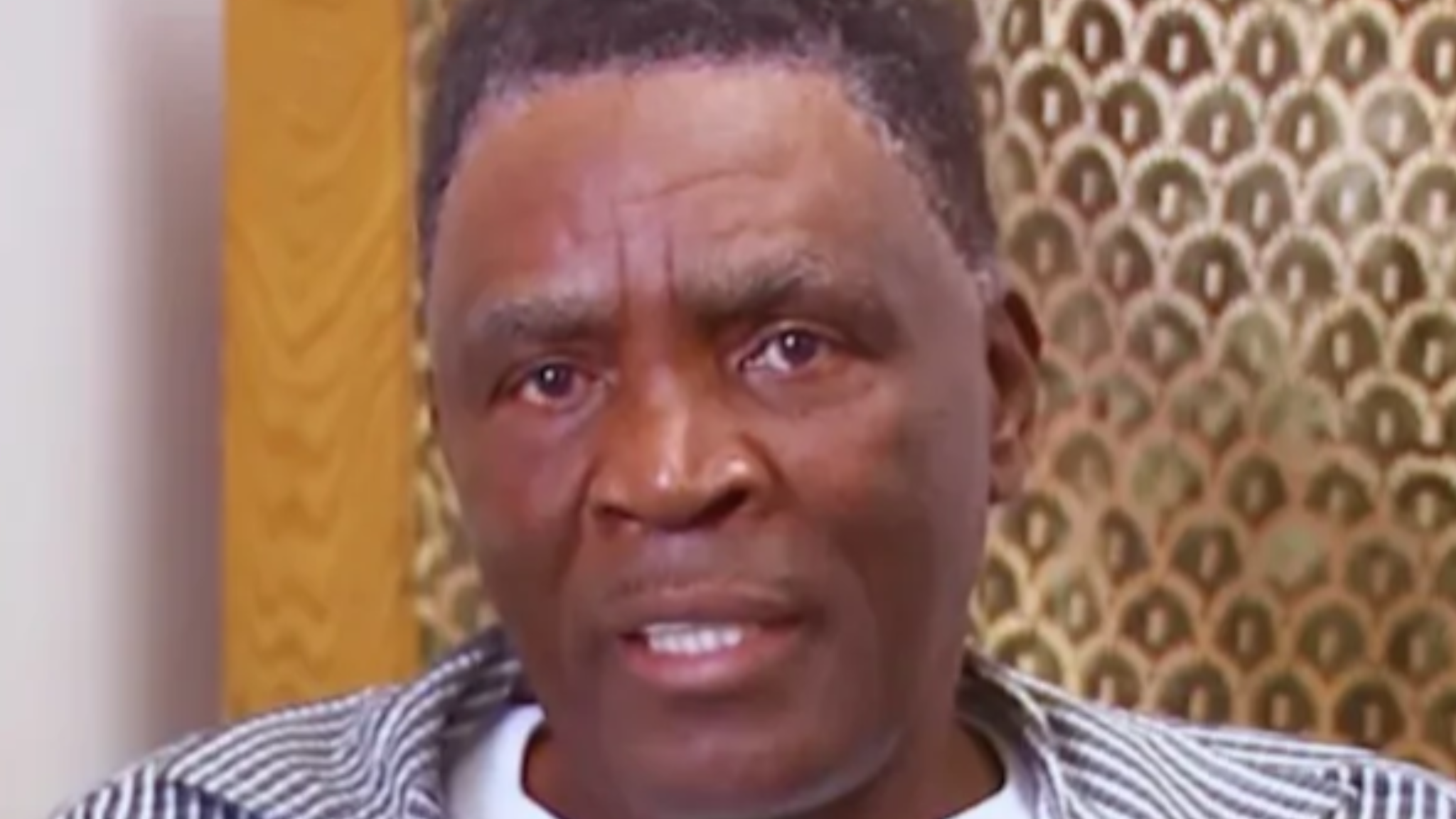
    Imagine working your entire life, seven days a week, to achieve the dream of homeownership, only to lose it all over a bill you never knew existed. That’s the devastating reality for Filmore Brown, a Brooklyn homeowner who is now fighting to keep his house after it was foreclosed due to an unknown $5,000 water bill.

    A Hidden Debt Leads to Foreclosure

    Brown purchased his Brooklyn home in 1996 and proudly paid off his mortgage in 2019. However, a $5,000 water bill, which he claims he never received or was aware of, became the catalyst for losing his home. The city had sold this unpaid debt to an investor trust as part of a debt collection process.

    The problem? Once the debt was transferred to the investor trust, it disappeared from the city’s billing system. This meant that even though Brown diligently paid his other bills, the outstanding water debt never appeared on his statements. He was completely unaware of the looming problem until contractors, armed with court papers, drilled through his front door in the middle of the night, informing him his home had been auctioned off.

    Fighting for Accountability and Reform

    Brown insists he never received proper notification of the debt or the impending foreclosure. While the trust claims they sent multiple notices, court filings indicate that service was made at the property in November 2020, but Brown states no one in his top-floor apartment received them. This lack of clear communication has left him fighting back with legal representation.

    His story has resonated with many, leading to a growing movement among Brooklyn lawmakers. They are now demanding greater accountability from the city and advocating for crucial reforms. The goal is to implement better notification systems and stronger safeguards to protect homeowners, especially those on fixed incomes, from facing unexpected evictions.

    They’re calling for improved notification systems and safeguards so hardworking homeowners with fixed incomes don’t find themselves fighting eviction they never saw coming. — Brooklyn Lawmakers

    At the heart of this issue is a failure in the city’s safety net, which has left a hardworking individual on the brink of losing everything over a debt he was never made aware of. This case highlights the urgent need to re-evaluate how such debts are handled and how homeowners are notified.

    What are your thoughts on this homeowner’s plight? Do you think the city’s debt collection practices need reform? Share your opinions in the comments below!