
Tag: Homelessness

  • Delonte West Shares Inspiring Sobriety Update

    It’s incredibly heartening to hear some positive news about former NBA player Delonte West. After facing significant struggles with addiction, homelessness, and mental health challenges, West is now sharing an inspiring update: he’s been sober for months and is actively getting his life back on track.

    An Encouraging Update for Fans

    On April 29th, West took to Instagram to share his progress with his supporters. The update has been met with an outpouring of joy and encouragement from fans who have followed his journey. Comments like ‘Proud of him’ and ‘God is GREAT!!!!’ flooded in, reflecting the widespread happiness for his recovery.

    This news marks a significant turning point for West, who has openly battled these issues for years. Seeing him take these positive steps is a testament to his resilience and the support he’s receiving.

    Overcoming Past Challenges

    West’s journey has been particularly challenging. Beyond addiction and homelessness, he’s also faced legal troubles, including arrests for alleged robbery and public intoxication earlier this year. These incidents highlighted the severity of the struggles he was enduring.

    Even with past attempts at recovery, like a stint in rehab recalled by Mark Cuban, lasting change has been elusive. Cuban shared on ‘Club Shay Shay’ in 2024 how difficult it is to help someone battling severe mental illness, emphasizing that ‘mental illness is real, and you just don’t wish it away.’

    A New Chapter Begins

    This current period of sobriety and stability offers a beacon of hope. It shows that with determination and the right support, comebacks are possible, no matter how difficult the past may have been. Delonte West’s update is a powerful reminder of the human capacity for recovery and renewal.

    What are your thoughts on Delonte West’s inspiring update? Share your messages of support and your own experiences with recovery in the comments below!
  • LA Homelessness Project Sees 40% Return to Streets

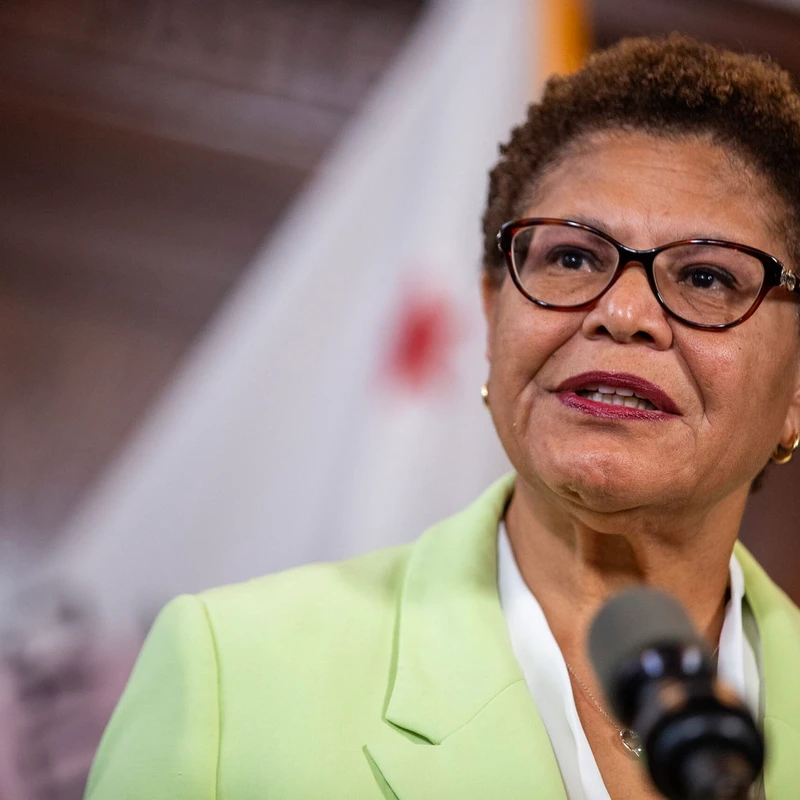
    Los Angeles is grappling with a persistent homelessness crisis, and new data from Mayor Karen Bass’s signature initiative, the ‘Inside Safe’ program, reveals a concerning trend. A substantial number of individuals who were moved off the streets into interim housing have since returned to encampments, raising questions about the program’s long-term effectiveness.

    Inside Safe: The Numbers

    Launched in 2022 with a $300 million budget, the ‘Inside Safe’ project aimed to provide voluntary, housing-led solutions for people living in tents and encampments. The program primarily utilized motel rooms for interim housing. However, an investigation by the Los Angeles Times indicates that approximately 40% of the nearly 6,000 individuals assisted by the program have found their way back to the streets.

    Mayor Bass acknowledged the findings and expressed a commitment to understanding the reasons behind this return. “It’s critically important that we look at the people who left, why they left, and what we need to do to strengthen the interim housing that we have,” Bass stated, emphasizing the need for data-driven solutions.

    Challenges and Criticisms

    Feedback from some program participants suggests that restrictions, such as those on guests, may have contributed to their decision to leave interim housing. Critics, including UCLA Law School Professor Emeritus Gary Blasi, point to a systemic issue: the lack of sufficient housing vouchers and affordable apartments for permanent placement.

    Blasi argues that the program’s investment in costly temporary solutions like motels doesn’t address the root cause and isn’t a sustainable long-term strategy. The focus on expensive temporary housing, rather than permanent solutions, is a key point of contention.

    Moving Forward

    Despite these challenges, the ‘Inside Safe’ program continues its operations. A recent initiative in North Hollywood successfully moved over 40 unhoused individuals into interim housing. One participant, 22-year-old single father Joshua Johnson, expressed hope for a better future, stating, “Going inside means a different future for the two of us.”

    Mayor Bass’s administration also maintains a focus on prevention, aiming to address the factors that lead to homelessness in the first place. However, the high rate of return to the streets highlights the complex and multifaceted nature of solving Los Angeles’s homelessness crisis.

    What are your thoughts on the ‘Inside Safe’ program’s results? What more do you think can be done to address homelessness in Los Angeles? Share your ideas in the comments below!

  • Maxine Waters Slams ‘Reckless’ HUD Program Cuts

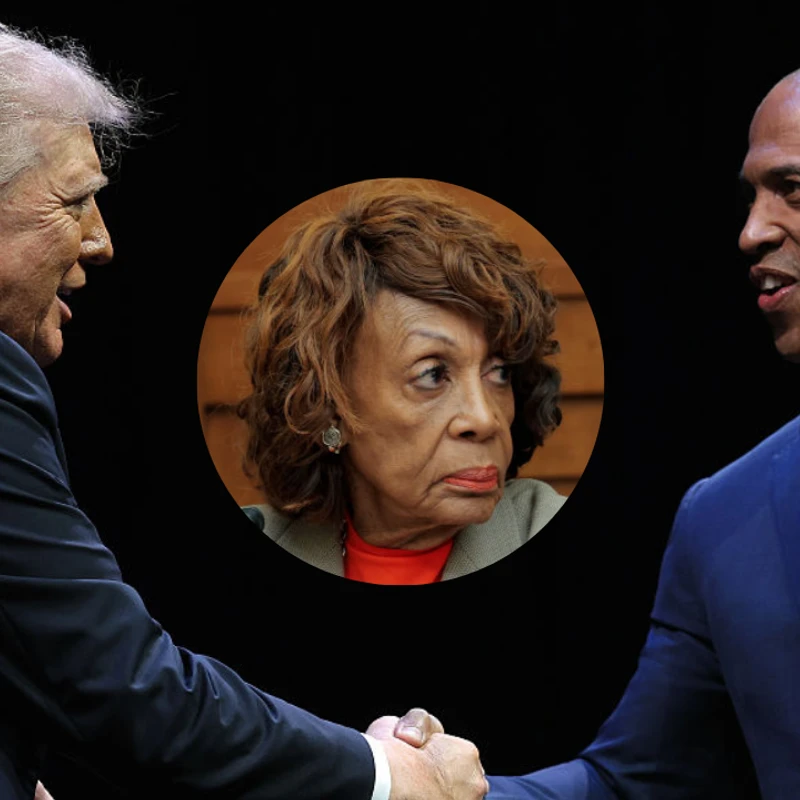
    Congresswoman Maxine Waters is sounding the alarm, calling the Trump administration’s drastic cuts to a vital U.S. Department of Housing and Urban Development (HUD) program ‘reckless.’ Alongside dozens of Democratic lawmakers, Waters is fiercely opposing a move that slashes funding for a program designed to combat homelessness, warning it will only exacerbate an already critical crisis.

    A Devastating Blow to Homelessness Services

    The program in question, the Continuum of Care (CoC) Program, has been a cornerstone for addressing homelessness for decades. Established under President George W. Bush, it provides crucial community-wide support to rehouse individuals and families, foster self-sufficiency, and improve access to essential services. However, HUD recently announced a staggering cut, reducing funding for permanent supportive housing (PSH) from 86% to just 30%.

    In a strongly worded letter to HUD Secretary Scott Turner, led by Rep. Waters, House Democrats argued that these cuts will create significant funding gaps and worsen the homelessness crisis. This is particularly concerning given that Black and Brown Americans are disproportionately affected, making up a substantial percentage of the homeless population despite being a smaller fraction of the overall U.S. population.

    Impact on Vulnerable Populations

    The letter further cautions that the funding reductions will not only impact the general homeless population but also specific vulnerable groups. This includes people with disabilities, veterans, survivors of domestic violence, and women with children. The CoC program’s low-barrier approach ensures that individuals receive stable housing and access to vital supportive services like employment assistance, substance abuse treatment, and mental health care, all without preconditions.

    These cuts threaten to unravel the progress made and push already struggling individuals back onto the streets. The lawmakers stressed that these are ‘evidence-based solutions’ that communities rely on to provide critical support.

    An Unreasonably Short Application Timeline

    Adding to the concerns, Waters and her colleagues also criticized the new, ‘extremely compressed application timeline’ for program funds. Applicants are now given only 60 days to apply, a timeframe the House members deemed ‘unreasonably short,’ especially since the full application process typically takes nearly 80 days to complete and submit.

    This rushed process, they warned, puts critical homeless services at risk, could lead to unpaid rents, and ultimately jeopardizes the stability of those most in need. The Democrats are urging the Trump administration to reverse this ‘harmful’ decision and reinstate current grants from the previous fiscal year.

    What are your thoughts on these funding cuts to homelessness programs? Do you believe they will worsen the crisis? Share your views in the comments below!

  • Fox News Host Apologizes for Homeless Remark

    Sometimes, words just come out wrong, and that seems to be the case for Fox News host Brian Kilmeade. He recently found himself in hot water after making a deeply controversial comment about homeless individuals during a discussion on a tragic murder case in Charlotte, North Carolina.

    A Shocking Statement on Homelessness

    The incident occurred during a segment where Kilmeade and co-host Lawrence Jones were discussing the murder of Iryna Zarutska. The victim was reportedly killed by a homeless man with a history of mental health issues, which naturally led to a conversation about how society addresses repeat violent offenders within the homeless population.

    It was during this sensitive discussion that Kilmeade uttered the phrase, suggesting ‘involuntary lethal injections’ as a potential measure. The comment immediately sparked backlash, with many viewers and critics finding it to be an extreme and callous suggestion.

    Kilmeade Issues an Apology

    Facing significant criticism, Kilmeade quickly moved to apologize for his remark. He admitted that he had ‘wrongly said they should get lethal injections.’ In his apology, he described the statement as ‘extremely callous’ and emphasized that it’s unfair to generalize or paint all individuals experiencing homelessness with the same brush.

    Kilmeade also took the opportunity to acknowledge that many people facing homelessness are deserving of empathy, compassion, and access to resources, rather than punishment. This retraction aims to address the harm caused by his initial comment and promote a more understanding perspective on a complex societal issue.

    What are your thoughts on Brian Kilmeade’s comment and his subsequent apology? Let us know in the comments below!

  • Trump’s Homelessness Plan Faces Criticism

    The Trump administration has issued an executive order aiming to combat homelessness by increasing involuntary psychiatric commitments for individuals experiencing homelessness. The order suggests shifting homeless individuals into long-term institutional settings for treatment, a move that proponents argue will restore public order. However, this directive has ignited a fierce debate, with critics arguing that such approaches are ineffective, costly, and potentially violate patients’ civil rights.

    Shifting Focus from Housing First

    A significant aspect of the order is its call to defund “housing first” programs. These evidence-based initiatives prioritize quickly housing individuals with fewer restrictions, recognizing that stable housing is often the first step toward addressing complex issues like mental illness and addiction. Housing advocates, like Jesse Rabinowitz of the National Homelessness Law Center, argue that the administration’s focus on institutionalization is a deflection. “The cause of homelessness is that housing is too expensive,” Rabinowitz stated. “Institutionalizing folks doesn’t treat the root cause of the problem.”

    The order’s impact on federal funding distribution and its support for cities aiming to crack down on homeless encampments are significant. However, legal experts question the extent of presidential authority in directing the Justice Department to undermine established law and Supreme Court precedents on civil commitment, which require mental illness and danger to self or others for involuntary commitment.

    Misguided Approach and Costly Interventions

    Jennifer Mathis, deputy director of the Bazelon Center for Mental Health Law, described the order as “entirely misguided.” She noted the peculiarity of focusing on civil commitment rather than community-based support, emphasizing that “you can’t commit your way out of a problem of not having sufficient community services.” Mathis highlighted that institutionalization is extremely costly and that failing to invest in community services leads to a revolving door of individuals needing care, ultimately not solving the core issue.

    The order’s promotion of assisted outpatient treatment (AOT) is also questioned, as a recent Government Accountability Office report found inconclusive evidence regarding its effectiveness. This push for involuntary commitment, coupled with cuts to Medicaid and other social services, appears contradictory, encouraging the most expensive interventions while reducing funding for community-based care that helps people avoid hospitalization.

    Stereotypes and Political Motivations

    The narrative linking mental illness with violence, despite data showing it accounts for only 3-5% of violence, has been a convenient, albeit inaccurate, talking point. Mathis suggests this association has been deliberately fostered, sometimes to garner support for mental health services, other times to scapegoat individuals with mental health disabilities and divert attention from issues like gun control. While some groups prioritize lowering civil commitment standards, Mathis notes it hasn’t become a broad conservative priority.

    Responding to accusations of political targeting, Secretary Noem insisted that city selections are based on public safety needs, not political considerations. However, the emphasis on Democratic strongholds fuels suspicions about underlying political motivations. The administration’s approach raises significant constitutional and political questions about the balance between federal authority and local autonomy in addressing the complex issue of homelessness.

    What are your thoughts on the Trump administration’s new approach to homelessness? Do you believe involuntary commitment is a viable solution? Share your opinions in the comments below!