Tag: History

  • 7 Black-Owned Tour Companies Exploring the African Diaspora

    There’s a growing movement among Black travelers seeking deeper connections to their ancestral homelands and the rich tapestry of the African diaspora. Driven by a desire for safe, welcoming, and culturally immersive experiences, Black travelers are contributing significantly to the travel industry, injecting over $145 billion according to recent reports. To meet this demand, several Black-owned tour companies are curating exceptional itineraries that celebrate history, culture, and legacy.

    1. Black Heritage Tours

    Founded in 2013 by cultural historian Jennifer Tosch, Black Heritage Tours focuses on illuminating the often-hidden histories of the African diaspora in the Netherlands and New York. Tosch’s personal journey of connecting with her family’s history inspired her initiatives. The tours aim to inform, inspire, and educate a diverse audience, offering private boat tours that delve into these significant “hidden histories.”

    2. Jelani Travel

    For over a decade, Jelani Travel has provided extraordinary travel experiences tailored for Black travelers. Founder Ashley N. Company aims to help people of African descent reimagine Africa and the world. Their itineraries blend culture and luxury, focusing on four pillars: self-care, service, culture, and adventure. Jelani Travel also partners with its nonprofit, Jelani Gives, to offer passports and educational experiences to HBCU students, believing global access should be a right, not a privilege.

    3. Afro Latino Travels with Kim Haas

    Known for her PBS television show ‘Afro-Latino Travels with Kim Haas,’ Kim Haas celebrates and spotlights the historical and cultural contributions of African descendants in Latin America. Following the success of her series, she launched group trips, starting with Costa Rica in 2024 and Colombia in 2025. Haas, who is tri-lingual, plans to expand her offerings throughout Latin America, focusing on educating and highlighting Black history, culture, and traditions in often overlooked destinations.

    4. Maximum Impact Travel

    Jay Cameron founded Maximum Impact Travel with the mission to unite individuals eager to explore Africa and deepen their connection to the global African community through immersive, upscale, and transformative travel. Having traveled to 25 African countries, Cameron and his team curate itineraries that showcase Africa’s beauty, cultural richness, and opportunities, offering unforgettable experiences that leave a lasting impact.

    5. Siviwe Tours

    Based in South Africa, Siviwe Tours is a locally owned company specializing in the Langa Township. Founder Siviwe Mbinda established the company to share the authentic culture of Langa, prioritizing employment and opportunities for local residents. Siviwe also founded the Happy Feet Youth Project, which supports local children through education, nutrition, leadership development, and team-building activities, notably Gumboots Dancing.

    6. Two Oceans Travel & Tours

    Maurice Foley, a seasoned traveler from Bermuda, founded Two Oceans Travel & Tours in 2013 after a life-changing trip to South Africa in 2000 ignited a deep connection. The company shares the wonders of Africa and the African diaspora with curious adventurers, offering experiences that capture the continent’s captivating allure.

    7. Up In The Air Life

    Claire B. Soares, founder and CEO of the luxury travel company Up in the Air Life, redefines luxury travel for Black adventurers. With extensive travel experience across six continents, Soares curates immersive experiences that highlight Afro-culture and history globally. Her luxurious trips feature Michelin-starred dining, sought-after sommeliers, bucket-list activities, and five-star accommodations, including yacht experiences.

    Which of these Black-owned tour companies are you adding to your travel list? Share your dream destinations in the comments below!

  • Labor Day: Acknowledging Black Labor’s Role

    As Americans gather each September to honor workers’ contributions and celebrate the victories of the Labor movement, it’s crucial to remember the foundational role of Black laborers in building this nation. In a country designed and built by enslaved people, Labor Day signifies a long struggle for fair and equitable wages for all American workers. This year, as discussions around reparations for slavery gain momentum, national holidays present a meaningful chance to reflect on our shared history and begin healing the nation’s soul.

    Introducing Labor Acknowledgments

    Just as land acknowledgments honor Indigenous communities as original stewards of the land, the introduction of labor acknowledgments is equally important. These acknowledgments would honor the Black laborers whose literal blood, sweat, and tears built America. This simple yet profound act can help move us closer to fair and equitable wages for all workers.

    The Paradox of Labor Day’s Origins

    Established as a federal holiday in 1894, just three decades after slavery’s abolition, Labor Day represented a significant American paradox. While the holiday aimed to uplift workers’ dignity and rights, Black workers were systematically excluded from unions and benefits through Jim Crow laws, systemic racism, sharecropping, and other discriminatory practices. The nation, while honoring some workers, failed to fully enfranchise and recognize the labor of millions of formerly enslaved people and their descendants.

    The Deep Connection Between Labor and Slavery

    Slavery was America’s preferred labor system, generating immense wealth through the exploitation of Black labor. From the construction of the White House and Capitol Building to the foundations of Wall Street’s financial sectors, enslaved Africans played an unwilling but crucial role. Their forced labor contributed not only physically but also mentally and emotionally to advancements in science, technology, academia, and the creation of cultural traditions that shape American society. Often, these contributions went unrecognized, uncompensated, or were attributed to others.

    Advocacy and Resistance: The Struggle Continues

    History often overlooks the persistent resistance and labor rights advocacy of Black people. Early movements like the Caulkers Association (1838), the Colored National Labor Union (1869), the Washerwomen Strike in Atlanta (1881), and the Brotherhood of Sleeping Car Porters (1925) demonstrate a long history of organizing for better working conditions and fair wages. Many protective labor laws today, including aspects of the Civil Rights Act of 1964 and the EEOC, stem from these Black-led movements.

    The legacy of exclusion persists, as seen in recent events like the Philadelphia sanitation workers’ strike for better wages. These struggles, often buttressed by union representation, echo historical fights for respect and fair compensation, reminiscent of Dr. Martin Luther King Jr.’s final stand in solidarity with the Memphis sanitation workers. Today, Black workers remain overrepresented in essential but undervalued occupations, receiving compensation disproportionate to their contributions.

    The Case for Labor Acknowledgments

    Labor acknowledgments are a free yet profound way to honor those whose labor, often stolen or exploited, built the nation’s economy and culture. Unlike more contentious forms of repair, these acknowledgments offer genuine respect for past generations and foster an appreciation for honest history. Carefully crafted statements recited at events can build momentum for a fairer, more equitable society. Researching local history and connecting with descendants of laborers can provide valuable insights for crafting meaningful acknowledgments.

    These acknowledgments should not be mere formalities but public occasions to honor the perseverance of those who faced incredible challenges. They serve as a reminder of our collective responsibility to forge a better future, recognizing that allyship is strengthened by solidarity across multiracial coalitions, rather than divide-and-conquer tactics sometimes employed by employers. By honoring the determination of Black laborers, we carry forward a message of thriving, not just surviving, and acknowledge their foundational role in our nation’s economy and culture.

    How can we better acknowledge the contributions of Black laborers in our society? Share your thoughts on implementing labor acknowledgments in your community or workplace in the comments below!

  • HBCU Student Revives Tuskegee Airmen Legacy

    History is being made at Tuskegee University! Isaiah Hand, a dedicated 20-year-old Aviation Science major, has achieved a remarkable milestone, becoming the first student in nearly 80 years to earn a private pilot’s license from the university. This significant accomplishment comes as Tuskegee has recently relaunched its storied, yet previously defunct, aviation program.

    A Historic Achievement at Moton Field

    Hand earned his license at the historic Moton Field, the very training ground where the legendary Tuskegee Airmen of World War II honed their skills. Reflecting on the moment, Hand shared, “There is no other feeling like it.” His achievement marks a new chapter for Tuskegee’s aviation program, which integrates Federal Aviation Administration (FAA)-certified pilot training into its four-year degree.

    The program’s relaunch, bolstered by a $6.7 million infusion of federal funding, was approved in 2024. Now, students like Hand have the opportunity to pursue private, instrument, commercial, and multi-engine ratings, along with professional aviation licenses.

    Carrying Forward a Legacy of Excellence

    Tuskegee University President Dr. Mark A. Brown lauded Hand’s accomplishment as a testament to the university’s renewed commitment to excellence. He described students like Hand as “confident, excited, poised, and ready to tackle the most complex problems our world has to offer,” emphasizing their readiness to continue the legacy of the Tuskegee Airmen and serve the nation.

    Titus Sanders, director of the Aviation Science program, wasn’t surprised by Hand’s early success, noting his clear passion for aviation from day one. Hand, a first-generation college student from Tallahassee, Florida, balanced his rigorous flight training with academics and his role as a euphonium player and section leader in the university’s Crimson Pipers band, demonstrating incredible dedication and time management.

    Hand is already focused on his next goals: obtaining his instrument rating, commercial license, and multi-engine certification. His journey is not only a personal triumph but also a powerful revival of Tuskegee’s rich aviation history, inspiring a new generation of aviators.

    What do you think of Isaiah Hand’s historic achievement? Share your thoughts and messages of congratulations in the comments below!

  • Why Labor Day is in September, Not May

    While much of the world celebrates International Workers’ Day on May 1st, the United States observes Labor Day on the first Monday of September. This seemingly simple scheduling difference is rooted in a complex history of political maneuvering, labor unrest, and a conscious effort to distance American traditions from socialist ideologies.

    From NYC Parade to National Movement

    The first Labor Day celebration originated from a workers’ parade in New York City on September 5, 1882, sponsored by the Knights of Labor. This event marked a significant cultural shift, establishing a dedicated celebration for working people. The September date was chosen for practical reasons, falling conveniently between Independence Day and Thanksgiving.

    The parade’s success quickly inspired similar celebrations across the country, leading the Knights of Labor to formally designate the first Monday in September as Labor Day. This helped transform a local event into a national movement recognizing American workers’ contributions.

    The Pullman Strike and Political Calculation

    The pivotal moment came with the 1894 Pullman Strike, a massive railroad boycott that disrupted commerce and heightened tensions between labor and capital. President Grover Cleveland faced pressure from both labor organizations demanding workers’ rights and business interests seeking an end to the disruption.

    To appease labor while maintaining the existing economic system, Cleveland sought a conciliatory gesture. Establishing a national workers’ holiday seemed politically expedient. However, the timing of this holiday became a critical point of contention.

    May Day’s Radical Reputation Doomed Its Chances

    May 1st, already recognized internationally as International Workers’ Day, carried significant political baggage for American policymakers. Its association with socialist movements and radical labor organizing, particularly the Haymarket Affair of 1886 in Chicago, fueled fears of legitimizing “dangerous political ideologies.” Federal policymakers viewed May Day’s origins as incompatible with American values, fearing it would encourage more aggressive worker activism.

    September Offered Political Safety and Comfort

    In contrast, the September timing offered political safety and cultural comfort. It lacked the socialist and radical labor associations of May Day, allowing politicians to frame it as an authentically American tradition. Furthermore, the early September timing provided a natural end-of-summer celebration, fitting seamlessly into the American holiday calendar and encouraging widespread community participation in parades and outdoor events.

    In June 1894, President Cleveland signed the legislation officially establishing the first Monday in September as a federal holiday. This move resolved the timing debate, ensuring American workers were honored on a date distinct from international labor movements, and passed with broad bipartisan support, marking a unique American compromise between labor demands and political caution.

    What are your thoughts on the historical reasons behind Labor Day’s September date? Share your perspective in the comments below!

  • Trump Targets Smithsonian Over ‘Woke’ History

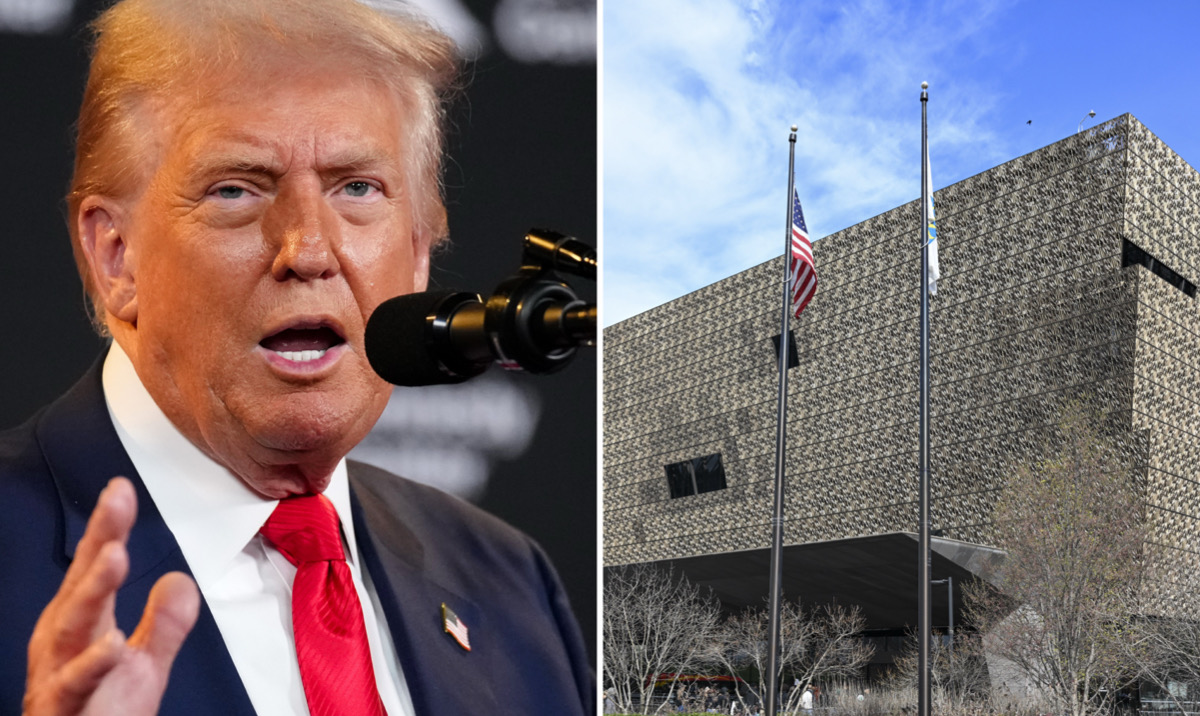
    Donald Trump has once again waded into the cultural wars, this time setting his sights on the Smithsonian museums. In a recent Truth Social post, the former president declared the museums “out of control” and criticized their perceived overemphasis on slavery and other negative elements of American history, stating they are a “segment of ‘WOKE.’” He has reportedly ordered his attorneys to conduct a thorough review.

    Critique of Historical Narratives

    Trump’s statement expressed frustration that the museums, in his view, focus excessively on “how horrible our Country is, how bad Slavery was, and how unaccomplished the downtrodden have been.” He contrasted this with a desire for more content celebrating the nation’s successes and future potential. “This Country cannot be WOKE, because WOKE IS BROKE,” Trump wrote, asserting that the focus should be on America being the “‘HOTTEST’ Country in the World.”

    This criticism aligns with Trump’s broader pattern of targeting institutions he labels as “woke.” His administration has previously focused on schools and universities, advocating for a curriculum that emphasizes national pride and downplays historical injustices. The call for a review of the Smithsonian’s exhibits suggests a desire to reshape how American history is presented.

    The Importance of Comprehensive History

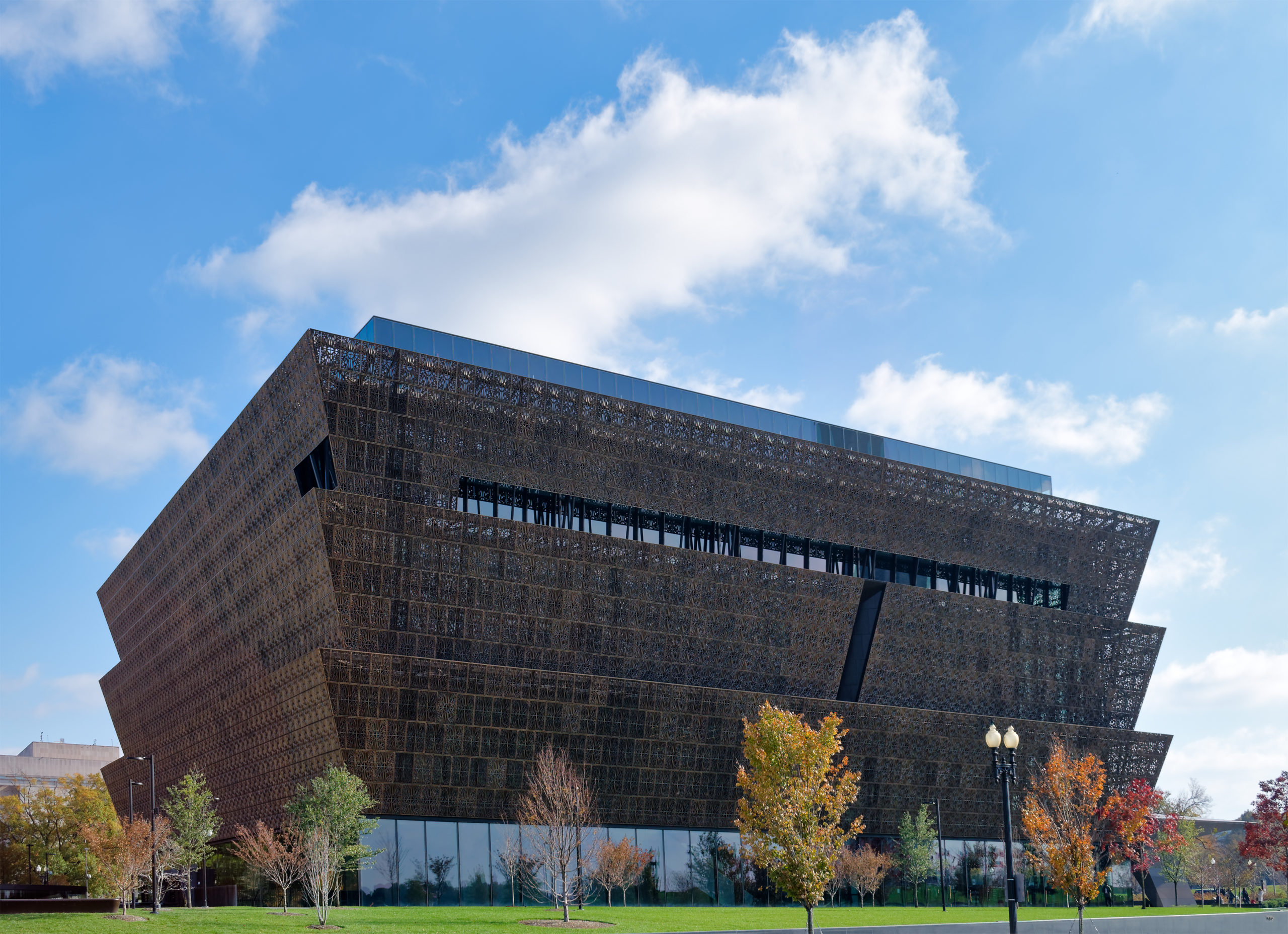
    The Smithsonian Institution, comprising 21 museums, galleries, and the National Zoo, holds over 155 million artifacts that document the entirety of the American experience. Institutions like the National Museum of African American History and Culture play a crucial role in understanding how slavery, segregation, and systemic racism have shaped the nation. These exhibits not only highlight historical pain but also celebrate resilience, culture, and achievement.

    Critics argue that attempting to remove or downplay narratives about slavery and racial injustice from these historical accounts is not about balancing the narrative but about revisionism. Such actions risk presenting a sanitized version of history, potentially leaving future generations with an incomplete understanding of the country’s past and the progress made.

    By attacking the way museums tell history, Trump risks erasing critical historical context in favor of a more palatable, feel-good narrative. This approach could lead to a future where history is shaped by political agendas rather than factual accuracy, potentially making the nation appear fearful of its own truth.

    What are your thoughts on Donald Trump’s comments about the Smithsonian museums? Do you believe museums should focus more on national successes, or is it essential to confront difficult historical truths? Share your opinions in the comments below!

  • White House Orders Smithsonian to ‘Rewrite History’

    As the nation gears up for its 250th anniversary in 2026, the Trump administration is taking a proactive approach to shaping the historical narrative. A directive has been issued for a comprehensive review of all Smithsonian museums, their exhibits, and operations, with the explicit goal of ensuring they align with the administration’s vision of American history and promote “American exceptionalism.”

    A Mandate for ‘Content Corrections’

    A letter sent to Smithsonian Secretary Lonnie Bunch outlines a demand for a thorough assessment of everything from online content and exhibit planning to curatorial processes, artist grants, and even the specific language used in museum displays. This review encompasses all 21 Smithsonian museums, 14 research centers, and the National Zoo.

    Eight key museums, including the National Museum of American History and the National Museum of African American History and Culture, have been given just 30 days to provide detailed information on their current and upcoming exhibits. Following this, the administration expects “content corrections” to commence within 120 days. The aim is to replace what the administration deems “divisive or ideologically driven” narratives with language described as “unifying and historically accurate.”

    Critics Raise Concerns Over ‘Rewriting History’

    The directive stems from an executive order signed by President Trump on March 27, which called for the removal of “improper ideology” and the restoration of “truth and sanity” in American history presentations. The White House asserts that the goal is to emphasize the nation’s “unity, progress, and enduring values” as it approaches its semiquincentennial.

    However, critics are already voicing concerns, questioning whether this initiative is genuinely about preserving history or rather about rewriting it to fit a particular political agenda. The review also includes plans for “on-site observational visits,” with the scope set to expand to other Smithsonian institutions in a subsequent phase.

    What are your thoughts on the White House’s directive to the Smithsonian? Do you believe this is about promoting American exceptionalism or rewriting history? Share your perspective in the comments below!