Tag: Historically Black Colleges and Universities

  • Stillman College Secures $1M for Future Growth

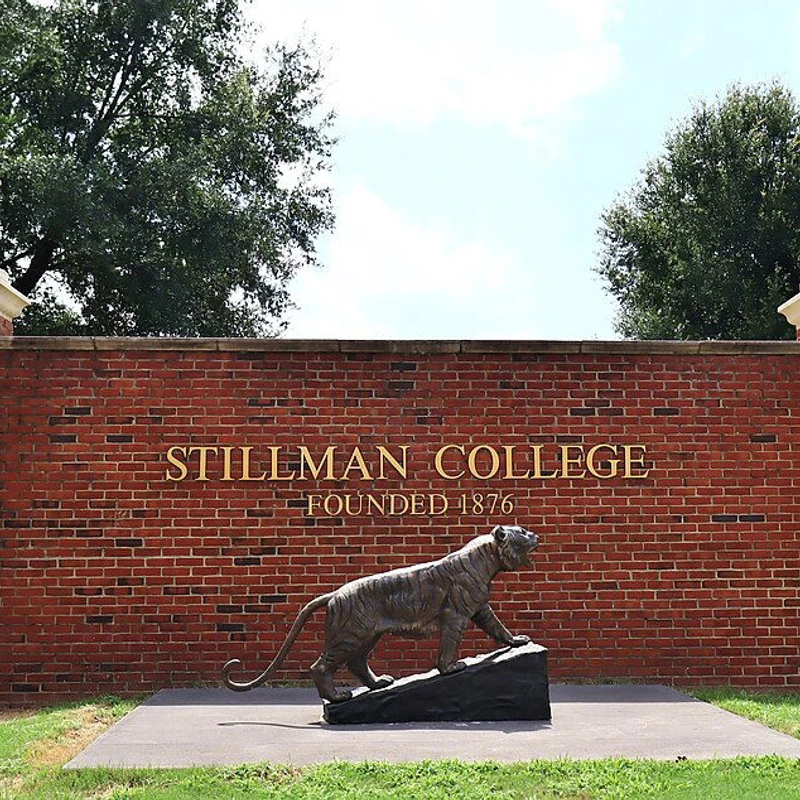
    As Stillman College gears up to celebrate its 150th anniversary, it’s also set to receive a major boost for its future. The historic HBCU has been awarded up to $1.04 million through the new national HBCU Brilliance Initiative, a program designed to tackle long-standing inequities in higher education funding.

    A Pivotal Investment for a Historic Institution

    Stillman College is one of just 11 institutions chosen for the inaugural cohort of the HBCU Brilliance Initiative. This program provides not only targeted grants but also access to low-interest capital and expert financial guidance. President Dr. Yolanda Page emphasized that this funding arrives at a critical juncture, allowing the college to solidify its long-term financial footing and build a lasting foundation.

    Dr. Page likened the initiative to building a house on a firm foundation, ensuring its endurance beyond the current administration. This investment is crucial as the college prepares for its Sesquicentennial celebration, aiming to secure its legacy for generations to come.

    Addressing Historical Funding Gaps

    The HBCU Brilliance Initiative is overseen by the Reinvestment Fund, an organization dedicated to community development in underserved areas. Leaders at the fund highlight that Historically Black Colleges and Universities, especially private ones, have historically received significantly less financial support compared to predominantly white institutions. A 2023 federal analysis revealed a staggering $12.6 billion gap in state and federal funding between HBCUs and their counterparts.

    While private donors like MacKenzie Scott have made substantial contributions to Black colleges, Stillman College is the only HBCU in Alabama selected for this specific initiative’s first round. The funding package includes a $40,000 grant for initial assessments and planning, alongside up to $1 million in low-interest financing for major campus improvements.

    Modernizing Infrastructure and Preserving Legacy

    Stillman College plans to use the funds to thoroughly assess its 39 campus buildings, ensuring future construction aligns with its long-term master plan. A significant portion will address the modernization of aging infrastructure, including costly asbestos abatement and HVAC system upgrades, some of which date back to the 1920s and 1930s. Additionally, the college aims to digitize critical architectural documents and records to streamline future projects and prevent delays.

    Dr. Page stressed the importance of these investments, not just for creating a strong learning environment but also for upholding the college’s mission and preserving its vital Black legacy. Financial security, she noted, is a cornerstone of that legacy.

    What are your thoughts on initiatives like the HBCU Brilliance Program? How important is it to address historical funding disparities in education? Share your views in the comments below!


  • MacKenzie Scott’s $750M+ Gift to HBCUs in 2025

    Get ready to be inspired! MacKenzie Scott, the renowned philanthropist, has once again made waves with her incredible generosity, this time focusing her attention on Historically Black Colleges and Universities (HBCUs). In 2025 alone, her contributions have soared past an astonishing $740 million and are still climbing!

    A Landmark Donation to Xavier University

    Just recently, Scott gifted Xavier University of Louisiana a staggering $38 million. This isn’t just any donation; it’s the largest private gift in the New Orleans institution’s history! This incredible act of kindness follows a $50 million donation to Winston-Salem State University, further cementing Scott’s commitment to these vital educational institutions.

    This latest gift to Xavier is particularly special as it’s Scott’s second major contribution to the nation’s only Black and Catholic university. Back in 2020, she donated $20 million, which was then a record-breaking amount for the school. These funds are earmarked to bolster the university’s endowment, expand crucial need-based scholarships, and create new faculty positions.

    Xavier’s Vision for the Future

    Xavier President Reynold Verret expressed profound gratitude, calling Scott’s donation ‘humbling and inspiring.’ This generous support will significantly aid the university’s $500 million fundraising campaign. The campaign’s core objectives include enhancing student financial aid, upgrading campus facilities, expanding student support services, and attracting top-tier faculty.

    Scott’s ongoing partnership with Xavier underscores the university’s dedication to making education accessible for students from all backgrounds. It’s a powerful testament to her belief in Xavier’s mission to prepare future leaders grounded in truth, justice, and service.

    A Commitment to Giving Back

    Since her 2019 divorce from Amazon co-founder Jeff Bezos, MacKenzie Scott pledged to donate half of her fortune to charitable causes. To date, she has distributed an incredible $19 billion from her $32 billion net worth. Scott believes that personal wealth is a product of collective effort and societal structures, which often create advantages for some while posing obstacles for others.

    A Growing List of HBCU Beneficiaries

    Following this philosophy, Scott began making substantial donations to various HBCUs shortly after her 2020 blog post. Institutions like Howard University, Tougaloo College, and Dillard University have all benefited from her remarkable philanthropy. In 2025 alone, her support for HBCUs has been nothing short of transformative.

    • Alabama State University: $38 million
    • Alcorn State University: $42 million
    • Bowie State University: $50 million
    • Clark Atlanta University: $38 million
    • Howard University: $80 million
    • North Carolina A&T University: $63 million
    • Morgan State University: $63 million
    • Norfolk State University: $40 million
    • Prairie View A&M University: $63 million
    • Spelman College: $38 million
    • United Negro College Fund: $70 million
    • Virginia State University: $50 million
    • Voorhees University: $19 million
    • Winston-Salem State University: $50 million
    • University of Maryland Eastern Shore: $38 million

    MacKenzie Scott’s unwavering commitment to supporting HBCUs is making a profound difference in the lives of countless students and the future of these esteemed institutions. Her philanthropic approach is not just about writing checks; it’s about empowering education and fostering opportunity.

    What are your thoughts on MacKenzie Scott’s incredible generosity towards HBCUs? Share your reactions in the comments below!

  • HBCUs Face Financial Strain Over New Sports Pay Rules

    Historically Black Colleges and Universities (HBCUs) are grappling with a new financial reality as groundbreaking revenue-sharing rules take effect in collegiate athletics. Leaders at these institutions warn that the shift, while intended to compensate athletes, could inadvertently erode decades of progress in women’s sports due to limited budgets and roster caps.

    The Dilemma of Opting In

    Morgan State Athletic Director Dena Freeman-Patton described the difficult decision her school faced regarding the new system, born from a $2.8 billion antitrust settlement. While opting in helps programs remain competitive in recruiting, it also places immense pressure on already strained athletic departments to find new funding sources. “When you make that decision, then your question is, ‘OK, where’s the money coming from?’” Freeman-Patton stated, emphasizing their commitment to not cutting existing offerings, especially for women’s programs.

    Over 300 schools have joined the settlement, which allows direct athlete compensation. Morgan State pledged equal revenue-sharing pools for men’s and women’s teams, but its athletic revenue of approximately $21.7 million last fiscal year falls far short of the massive budgets of power-conference institutions.

    Concerns Over Gender Equity

    Female athletes nationwide are raising alarms about gender equity, fearing the new model overwhelmingly benefits football and men’s basketball, especially since there are no explicit parity requirements. Five-time Olympic medalist Elana Meyers Taylor questioned the system’s adherence to Title IX, asking, “You’re talking about maybe the top SEC schools that can actually afford this. What are the other schools going to do?”

    The uncertainty is palpable for athletes. “The lack of information is scarier than the settlement itself,” shared Campbell University distance runner Emily Pierce. “We just want to make sure opportunities aren’t taken away, especially in women’s sports, where it’s taken such a long time to get to where we are now.”

    HBCUs’ Fear of Falling Behind

    HBCUs, operating with significantly smaller budgets compared to major conference schools, have joined the settlement primarily out of fear of being left behind. Dillard Athletic Director Linda Bell noted, “We’ve always felt we’ve had the short end of the stick. We’ve always been able to adjust and adapt.”

    Some institutions are exploring new revenue streams like concerts and community events, while others have already faced difficult decisions. Prairie View A&M eliminated its tennis teams, and Stephen F. Austin initially attempted to cut several sports before a Title IX lawsuit intervened. Athletes like Sydney Moore highlight the persistent feeling of inequality, questioning why football players might receive certain perks unavailable to others.

    What are your thoughts on the impact of these new sports pay rules on women’s athletics at HBCUs? Share your opinions in the comments below!

  • Billionaires Boost HBCU Donations Past $1 Billion

    Historically Black Colleges and Universities (HBCUs) are experiencing a remarkable surge in financial support, with Black donors collectively contributing over $1 billion in the past five years. This influx of funding comes at a crucial time, as HBCUs navigate changes in government grant funding.

    Billionaire Backing Fuels the Movement

    Among the most significant contributors is billionaire MacKenzie Scott, who has made history with her substantial donations. In 2020 and 2022 alone, Scott announced over $560 million in unrestricted gifts to various HBCUs, including Tuskegee University, Xavier University of Louisiana, and Prairie View A&M University. She views these institutions as vital ‘agents of change’ that empower underserved communities.

    Following suit, NBA legend Michael Jordan pledged $100 million through the Jordan Brand to support racial equity initiatives, with a significant portion dedicated to multi-year funding for HBCU athletic and academic programs. Jordan emphasized his goal to ‘make a real investment in the next generation.’

    Shaping the Direction of Giving

    The influence of Black donors extends beyond just financial contributions; they are actively shaping the direction of this philanthropic movement. Investor Robert F. Smith and media mogul Oprah Winfrey have played pivotal roles. Smith gained national recognition in 2019 for famously erasing the student debt of the entire Morehouse College graduating class.

    Oprah Winfrey has a long-standing commitment to HBCUs, supporting them for decades. She continues to champion these institutions by expanding scholarship programs and funding leadership centers at Tennessee State University and Morehouse College. Jay-Z, through the Shawn Carter Foundation and Roc Nation, has also contributed scholarship funds and pledged support for financial assistance programs at institutions like Lincoln University and Central State University, underscoring his belief that ‘education creates pathways for families to build futures.’

    Gratitude and Institutional Growth

    HBCU presidents have expressed immense gratitude for this wave of support. The often unrestricted nature of these donations provides institutions with the flexibility to bolster their financial reserves, invest in crucial research, upgrade technology, and enhance financial aid opportunities for students.

    What do you think about the increased focus on supporting HBCUs? Share your thoughts in the comments below!

  • Miles College Partners with NVIDIA for AI Education

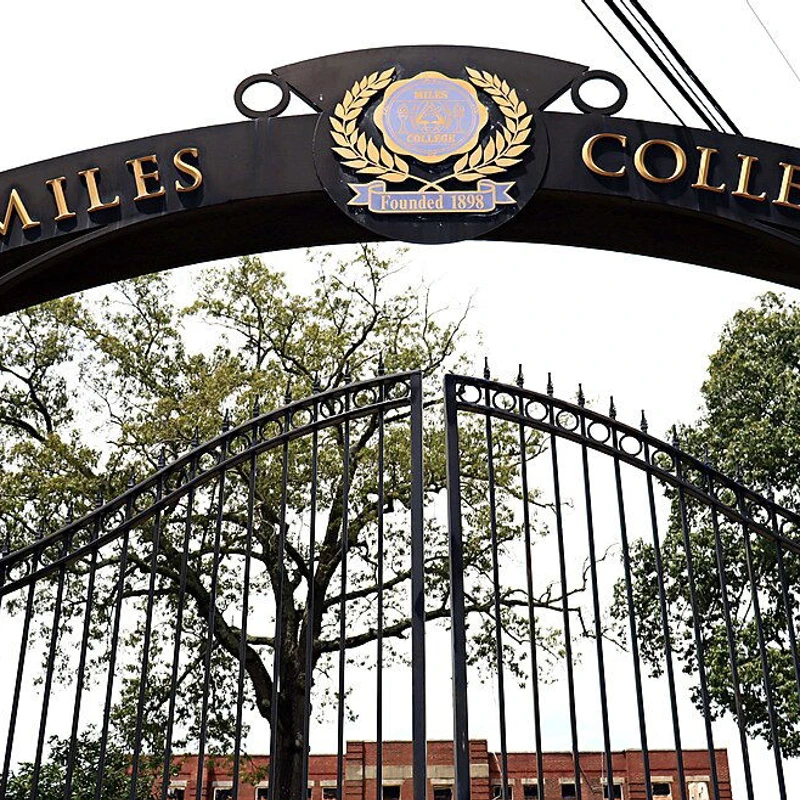
    Get ready, because artificial intelligence (AI) is no longer a futuristic concept – it’s here, and Miles College is making sure its students are at the forefront. In a groundbreaking move, the Alabama-based Historically Black College and University (HBCU) has partnered with NVIDIA, the undisputed leader in AI computing, to bring cutting-edge AI education to its campus.

    Bridging the Tech Gap with AI Integration

    This collaboration isn’t just about adding a new course; it’s about weaving AI into the very fabric of Miles College. From classroom instruction and faculty research to engaging with the local community, artificial intelligence will become a core part of the learning experience. This initiative is a significant step towards closing the technology gap that often leaves underrepresented communities behind in our rapidly evolving digital world.

    The partnership was sparked about a year ago when Miles College President Bobbie Knight reached out to NVIDIA, recognizing the immense potential for the tech giant to impact students and faculty. “The future is here… and AI is part of that future,” Knight stated, emphasizing her desire to position students not just at Miles, but across HBCUs and Alabama, for success in an AI-dominated landscape.

    AI is Now: A Call to Action for Students

    NVIDIA’s recent milestone of surpassing $5 trillion in market value highlights its pivotal role in shaping our digital future. For Miles College, this partnership signifies a major leap forward. Already, nearly half of the college’s faculty are incorporating AI tools into their teaching, and about 60 percent of research projects are now leveraging artificial intelligence.

    Louis Stewart, NVIDIA’s Head of Strategic Initiatives for the Global Developer Ecosystem, stressed the immediate importance of AI adoption. “This is a ‘right now’ opportunity… If all of you are not involved in AI right now, that’s a problem,” he urged students. Stewart also highlighted that true partnership means walking alongside institutions, not just investing in them, emphasizing that collaboration is key to unlocking potential.

    Expanding AI Literacy Beyond Campus

    President Knight and Stewart have been sharing Miles College’s AI journey at major tech conferences, aiming to inspire other institutions and create further opportunities. The vision extends beyond the college walls, with plans to introduce AI literacy programs to K-12 students. The goal is to ensure that younger generations understand AI’s implications and potential from an early age, recognizing its life-changing possibilities.

    What are your thoughts on Miles College’s partnership with NVIDIA? How do you think AI will shape the future of education? Share your insights in the comments below!