Tag: heaven sent

  • LaRussell’s ‘Heaven Sent’ Controversy Explained

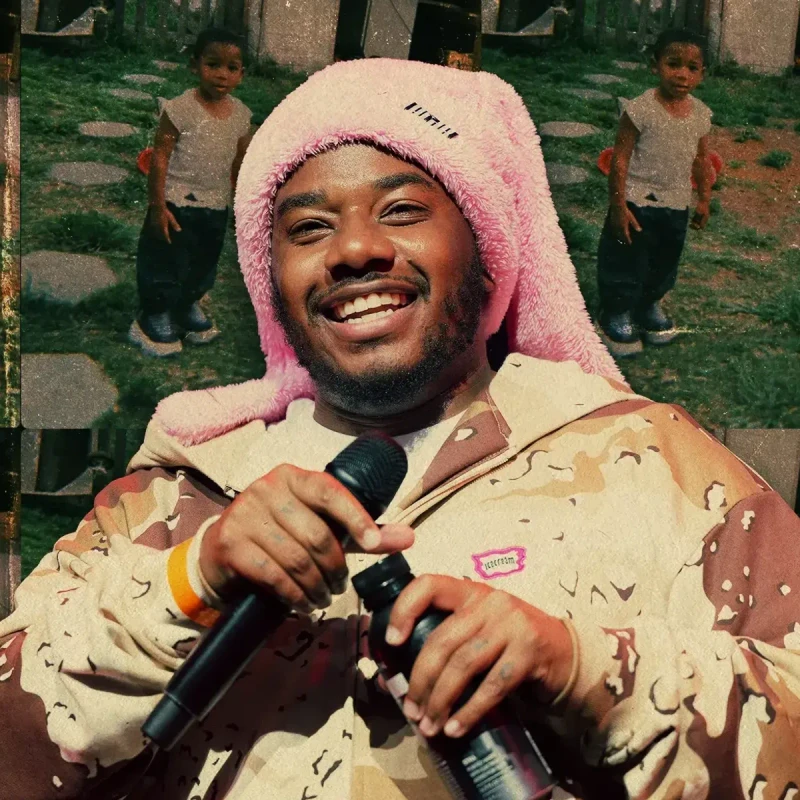
    LaRussell, known for his close connection with fans and a transparent creative process, has found himself at the center of a major controversy. During a recent performance, he introduced a song titled “Heaven Sent,” which included lyrics naming figures like Adolf Hitler and Jeffrey Epstein alongside revered historical icons and himself. This sparked immediate backlash, but LaRussell insists the criticism is a misunderstanding.

    The Controversial Lyrics

    In the song “Heaven Sent,” LaRussell listed himself, Malcolm X, and Martin Luther King Jr. as “heaven-sent.” He then extended this description to Donald Trump, Jeffrey Epstein, and Adolf Hitler. The lyrics included lines like, “Even the devil was heaven-sent,” and “What’s guiltier than a n*gga hiding evidence?” The artist performed the song despite his engineer’s reservations about its release.

    The clip of the performance quickly went viral, drawing swift criticism. Many listeners understood LaRussell’s intended message but strongly disagreed with his chosen method of delivery. The comparison of civil rights leaders with figures associated with genocide and horrific abuse was seen by many as deeply problematic.

    LaRussell’s Defense: Spiritual Origin vs. Moral Approval

    LaRussell addressed the backlash directly, explaining his intent was spiritual. He argued that all individuals, regardless of their actions or public perception, originate from a divine source. From this perspective, calling someone “heaven-sent” refers to their origin, not an endorsement of their deeds. He questioned why his statement about divine creation was more problematic than societal support for figures involved in crime and destruction.

    However, listeners rejected this explanation, arguing that the phrase “heaven-sent” carries implications of purpose and divine placement. When applied to figures responsible for genocide, abuse, and systemic harm, the phrase was perceived not as neutral theology but as a distortion that flattened the profound differences in their historical impact. The comparison felt like a deliberate leveling of harm, regardless of LaRussell’s stated intent.

    The Impact of Language and Context

    Writers and commentators focused on how the language itself distorted historical context. Placing Malcolm X and Martin Luther King Jr. in the same lyrical space as Hitler and Epstein created a “false proximity” that ignored their vastly different roles in history. While some defended LaRussell’s argument about creation, the chosen language made the idea difficult to support. The core issue wasn’t the idea of divine creation but the company kept within the lyrics.

    The comparison failed to acknowledge the immense weight of figures like Malcolm X and Martin Luther King Jr., whose lives are tied to Black resistance, sacrifice, and the fight for liberation. Contrasting them with Hitler (genocide) and Epstein (sexual abuse) created a “moral compression” that listeners found careless and consequential. The language used flattened historical complexities, suggesting that the distinctions between a freedom fighter and a fascist, or a civil rights leader and a sexual predator, could be absorbed into a single spiritual concept.

    A Community Artist Misreads the Room

    This misstep is particularly notable given LaRussell’s career built on transparency and closeness with his audience. His intimate, local shows fostered trust, making his process feel shared rather than packaged. However, as his reach has grown, amplified by industry alignment, moments that might have once stayed local now travel globally in minutes, reaching audiences without the same shared context.

    Instead of clarifying his language or pulling back, LaRussell doubled down on his message, framing the backlash as “fake outrage.” He eventually announced a hiatus from social media, stating he was “tiired boss!” and needed to “work on myself and be in my community.” His audience, known for appreciating directness and transparency, found this moment of abstraction and lack of precision jarring. The clarity that once defined his voice seemed to falter under the weight of the complex ideas he attempted to convey.

    What are your thoughts on LaRussell’s “Heaven Sent” controversy? Did you understand his intent, or do you feel the backlash was justified? Share your perspective in the comments below!
  • LaRussell Quits Social Media Amid ‘Heaven Sent’ Backlash

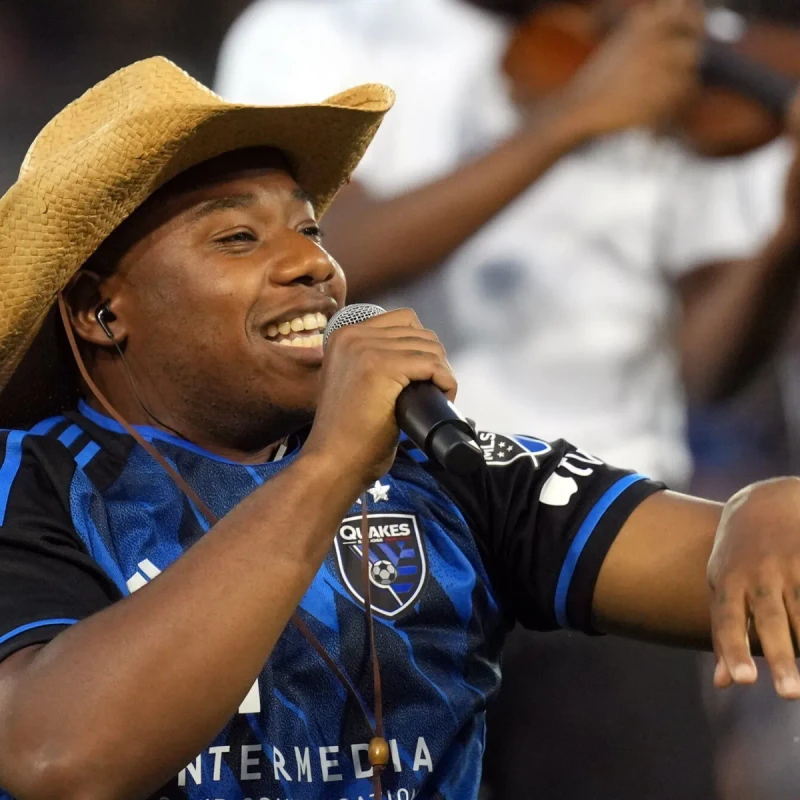
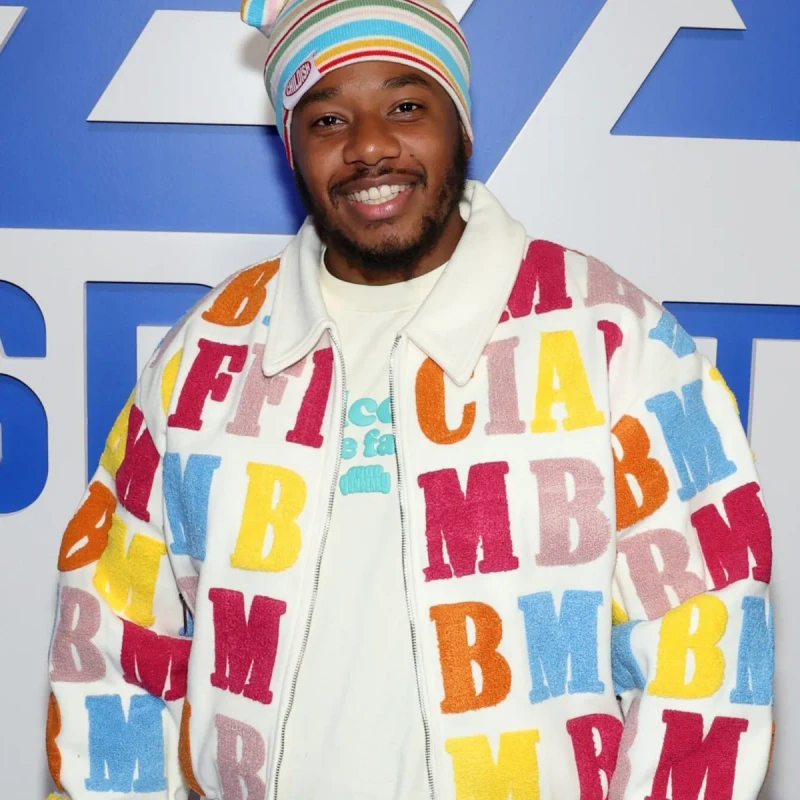
    It seems like rapper LaRussell is hitting the pause button on his online presence. After dropping his latest track, “Heaven Sent,” he’s facing a wave of criticism and has announced he’s stepping away from social media for a while. The song has stirred up a major storm due to its controversial lyrics, which compare figures like Adolf Hitler and Jeffrey Epstein to positive, divinely sent beings.

    The ‘Heaven Sent’ Controversy

    The backlash began shortly after LaRussell shared the song and a clip of himself performing it online. The lyrics, which include lines like “Even the devil was heaven-sent” and list controversial figures alongside historical icons like Malcolm X and Martin Luther King Jr., quickly went viral. This sparked outrage among fans and listeners who felt the comparisons were inappropriate and insensitive.

    In response to the mounting criticism, LaRussell initially doubled down, sharing a video where he seemed baffled by the negative reactions. He questioned whether people were truly listening to the music, suggesting they were misinterpreting his message and accusing critics of “fake outrage” over lyrics involving Epstein, Trump, and Hitler.

    Taking a Break to Recharge

    However, the pressure seems to have led to a change of heart. LaRussell sent out a text blast to his fans explaining his decision to go “off the grid.” He stated his intention to focus on himself and his community, emphasizing his dedication to spreading his message online over the past five years. “I’m tiiiirrred boss!” he candidly expressed.

    He reassured fans that he still values their support and will continue to engage with them through other means. While he’ll be offline, LaRussell plans to keep throwing shows and exploring new ways to promote his music and products. He hinted that fans might receive more text messages and emails than usual during his social media hiatus, and he’s even planning surprise pop-up shows.

    Looking Ahead

    LaRussell concluded his message with gratitude, appreciating all the love and support he’s received. This break marks a significant shift for the artist, who has been a consistent presence online. It remains to be seen how this period offline will influence his future creative direction and how he’ll re-engage with his audience upon his return.

    What do you think about LaRussell’s decision to step away from social media? Let us know your thoughts in the comments!

  • LaRussell Deactivates Social Media After Backlash

    Rapper LaRussell, known for his independent artistry and past critiques of artists like Lil Wayne, has deactivated his social media accounts amid significant backlash. The controversy stems from his recently performed track, “Heaven Sent,” which has drawn widespread criticism for its controversial lyrical content.

    The “Heaven Sent” Controversy

    In “Heaven Sent,” LaRussell controversially listed figures such as Adolf Hitler, Donald Trump, and Jeffrey Epstein alongside respected figures like Malcolm X, Martin Luther King Jr., and Kanye West, referring to them all as “heaven-sent.” The artist intended this as a commentary on the idea that all individuals, regardless of their actions or beliefs, originate from a divine source.

    However, this message did not land well with many listeners online, who expressed outrage and condemnation. LaRussell’s engineer had reportedly advised against releasing the song, and the reaction to its performance seems to validate that concern.

    LaRussell’s Defense: “Fake Outrage”

    Before deactivating his accounts, LaRussell issued a strong “final statement” on Twitter, blasting the backlash as “performative outrage” and “fake righteousness.” He argued that society has long been complicit in supporting various harmful figures and actions, questioning why his statement about divine creation drew the line.

    “The selective outrage and fake righteousness is a joke,” he tweeted. “It’s always US. Y’all been complicit in supporting serial killers, murderers, drug dealers, pimps, and n***as destroying they community for yeeeeaaaars!!!! But me saying God made me and he also made these sick a** n***as is where the line is drawn?”

    An Artist’s Stance

    LaRussell, who hails from Vallejo, California, asserted his right as an artist to express himself freely. He stated his intention to continue creating and saying what he wants with his art, emphasizing his role in contributing positively to the “ecosystem.” He urged critics to direct their outrage towards other detrimental forms of art and societal issues they seemingly ignore.

    While his social media accounts are currently unavailable, a fan account shared a screenshot suggesting he is “taking a break and will be back soon.” The exact duration of his social media hiatus remains unknown, but the controversy surrounding “Heaven Sent” has certainly sparked a significant conversation about artistic expression and societal accountability.

    What are your thoughts on LaRussell’s “Heaven Sent” lyrics and his response to the backlash? Share your perspective in the comments below!
  • LaRussell Defends Controversial ‘Heaven-Sent’ Lyrics

    LaRussell is responding to the significant backlash his recent song “Heaven-Sent” has generated. The controversial track, which samples figures like Adolf Hitler and Jeffrey Epstein, has drawn criticism for its perceived message. LaRussell argues that fans have misunderstood the meaning behind his lyrics.

    Addressing Outrage and Misinterpretation

    In a five-minute video addressing the controversy, LaRussell stated, “The homies briefed me yesterday on all the outrage. My first thought was, ‘n****s ain’t that slow.’ But I go and look, and n****s that slow. Just listen to the music. It’s no way n****s hear to that clip, and they like, ‘You support Epstein.’” He maintains that his intention was not to endorse these figures but to make a broader point about human nature.

    LaRussell admitted that his engineer had warned him against releasing the song, a caution he deliberately ignored. “MY ENGINEER TOLD ME I PROBABLY SHOULDN’T PUT THIS OUT… THAT’S EXACTLY WHY I PUT THIS OUT,” he wrote in the post’s caption, accompanied by laughing emojis. The lyrics themselves include lines like, “Even the devil was heaven-sent / Even Malcolm [X] was heaven-sent, even Martin [Luther King Jr.] was heaven-sent. Even Kanye was heaven-sent / We all have been sent / Donald too. We all heaven-sent / Epstein too / We all heaven-sent / Adolph too. We all heaven-sent / Even you, we all heaven-sent.”

    Criticism and Defense of Artistic Expression

    The song predictably resulted in widespread criticism. One user wrote, “You and hobo johnson working together would fully usher in the end times.” Another fan expressed disappointment, stating, “I’m an actual fan but this isn’t it. Not because you’re wrong but because you’re not actually expressing anything other than a very surface level observation. Yes we are all humans, but right now the world doesn’t need to hear that the people literally killing us are heaven sent.”

    LaRussell has previously responded to backlash, including a tweet where he defended his message: “[laughing emojis] what do y’all think I’m saying in this song? Is it the truth that’s bothersome or is it what YOU think I’m saying? I’m saying every human was made by God. Even the evil ones. Even the n****s going to hell alongside some of y’all uncles, daddies, and favorite rappers.” This defense emphasizes his belief in a universal, albeit controversial, perspective on humanity.

    What are your thoughts on LaRussell’s defense of his controversial lyrics? Do you think his message was misunderstood, or is it inherently problematic? Share your opinions in the comments below!