Tag: Health Tips

  • Age Gracefully: Expert Tips for Staying Independent

    Are you thinking about how to keep your zest for life and stay in control as the years go by? For many of us, especially as we reach our golden years, the focus shifts from just looking good to something far more profound: protecting our freedom, our ability to move, and our overall quality of life. This mindset shift is powerful and can truly make a world of difference.

    Why Your Independence Matters

    It’s easy to think of the gym as a place for the young, but Dr. Angela R. Wheeler, MD, is here to tell us why that’s simply not true! In a recent discussion, she shared how crucial strength training, endurance exercises, and programs like Silver Sneakers are for helping older adults maintain their independence for longer. It’s all about building resilience and staying active.

    Dr. Wheeler dives into how activities like gentle chair yoga or guided senior walks can significantly boost our physical and mental well-being. She also emphasizes the importance of proactive retirement health planning, ensuring we’re set up for success down the road. It’s never too early to start thinking about these things!

    Leveraging Technology and Support

    The good news is that technology and telehealth are becoming incredible allies in supporting seniors. These tools can help bridge gaps in care and provide convenient access to health resources. Dr. Wheeler also highlights the vital connection between our mental and physical health – they truly go hand-in-hand.

    For those who are caregivers, Dr. Wheeler acknowledges the significant role they play. Understanding the resources available can help lighten the load and ensure everyone involved receives the support they need. It’s a team effort!

    Building Healthy Habits Today

    The key takeaway? Starting small and being consistent with healthy habits now can have a massive impact on preserving independence and improving health later on. These efforts not only benefit us individually but can also ease the burden on our families. It’s a win-win situation!

    • Incorporate strength training exercises.
    • Engage in regular endurance activities.
    • Explore senior-specific fitness programs.
    • Consider gentle exercises like chair yoga or walking.
    • Plan proactively for retirement health needs.

    What are your favorite ways to stay active and independent? Share your tips and experiences in the comments below!
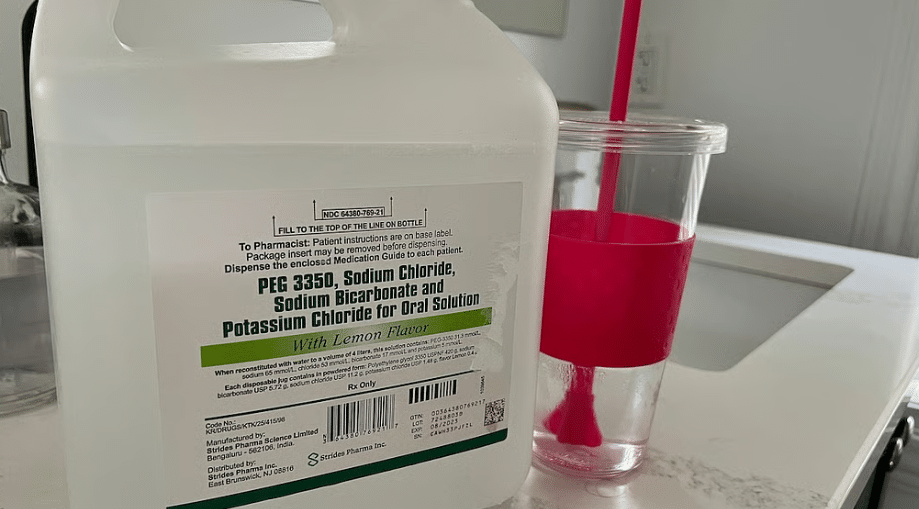
  • 6 Tips for Easier Colonoscopy Prep

    Colonoscopy prep is widely considered the most challenging aspect of colorectal cancer screening. However, with smart planning and practical strategies, the process can be significantly more tolerable. Transforming this unpleasant ritual into a smoother, more manageable experience is achievable. Here’s how:

    1. Stick to a Liquid Diet the Day Before

    A clear-liquid diet is essential for ensuring your colon is free of residue, allowing for accurate detection and polyp removal. Starting a few days prior with a low-residue diet (refined grains, cooked vegetables without skins, no seeds) makes the transition to liquids easier. To make this bearable, stock up on clear, non-red/purple liquids like apple or white grape juice, clear broth, coffee or tea without cream, flavored water, gelatin, or ice pops. Alternating between these options can prevent monotony and hunger pangs.

    2. Split the Prep into Two Doses

    Traditionally, prep involved consuming nearly a gallon of solution in one night, which could be overwhelming. Splitting the dose—consuming half the evening before and the remainder several hours before the procedure—improves colon cleanliness and makes it easier to tolerate. Confirm the timing with your healthcare provider, typically finishing the second dose about five hours before your appointment. If you have an afternoon procedure, you might be able to take most of the prep in the morning.

    3. Use Flavor Aids and Sip Slowly

    Strategies to improve palatability include chilling the solution, as cold temperatures mute unpleasant flavors. Drinking through a straw, positioned towards the back of the tongue, minimizes contact with taste buds. Adding flavor aids like lemon-lime Gatorade, Crystal Light, or provided flavor packets (avoiding dark dyes) can also help. Following each sip with a chaser—like apple juice or ginger ale—and taking small, slow sips every 10-15 minutes can reduce bloating and nausea. Taking breaks if needed is also advisable.

    4. Chill the Prep Solution

    Refrigerating the prep solution is one of the simplest yet most effective tricks. The polyethylene glycol (PEG) or sodium-based ingredients often give prep a salty, chalky taste. Cold temperatures dull taste receptors, reducing the perception of bitterness and saltiness, and making the liquid easier to drink quickly. This can also lower the risk of nausea. For best results, mix and chill the solution several hours in advance, preferably in a glass container.

    5. Sip Through a Straw and Stay Hydrated

    Drinking prep through a straw, especially a wide one placed towards the back of the tongue, helps bypass taste buds and minimize the salty flavor. This method also reduces smell exposure, which can ease nausea. Using a straw encourages consistent sipping rather than large gulps, preventing bloating. Keep lemon wedges, sugar-free mints, or lozenges handy for between sips. Staying hydrated with plenty of clear fluids is crucial throughout the process.

    6. Gentle Movement and Preparation

    Light physical activity can help motivate the digestive tract and manage nausea. Stay near a bathroom but move around gently instead of remaining stationary. Wear comfortable, loose clothing for ease of movement. Prepare entertainment options like books or movies to pass the time during the longer bathroom sessions. Having soft toilet paper, soothing ointments, and easy-to-remove clothing ready can also enhance comfort. Proper preparation ensures better compliance, improved bowel cleanliness, less nausea, and ultimately, a more efficient and successful procedure, potentially avoiding the need for rescheduling.

    What are your best tips for making colonoscopy prep easier? Share your experiences and advice in the comments below!

  • Essential Vaccines for Back-to-School

    As back-to-school season approaches, parents are busy preparing everything their children need for the classroom. Among the most critical preparations are school physicals and vaccinations. Dr. Marc Watkins, Chief Medical Officer of Kroger Health, emphasizes that these steps are vital not only for meeting school requirements but also for ensuring a child’s overall health and well-being.

    The Importance of Routine Vaccinations

    Dr. Watkins notes that vaccination rates haven’t fully recovered since the COVID-19 pandemic, citing factors like general mistrust of healthcare within the Black community and overall vaccine fatigue. “It’s a challenge to help people understand that vaccines remain incredibly safe, effective, and important to our overall health,” he told BlackDoctor.org. “It’s similar to other proactive choices people make, like wearing seatbelts, not smoking, and exercising.”

    He encourages parents to schedule regular visits with pediatricians or family practitioners, or to consult clinicians at Kroger pharmacies and clinics. Dr. Watkins recommends making healthcare appointments during your birth month as a proactive way to stay on top of routine check-ups, vaccinations, and screenings like vision, dental, colonoscopies, and prostate health checks.

    Key Vaccines Recommended for School

    Ensuring your child is up-to-date on age-appropriate vaccines is vital for their health and the health of the school community. Dr. Watkins recommends the following:

    • **Ages 4-6:** Tetanus, Diphtheria, Pertussis (Tdap); Measles, Mumps, Rubella (MMR); Varicella (Chickenpox); Polio; Annual Flu Shot; COVID-19 Vaccine.
    • **Middle Schoolers:** Human Papillomavirus (HPV) Vaccine; Annual Flu Shot; COVID-19 Vaccine.
    • **High Schoolers:** Meningitis Vaccine; Annual Flu Shot; COVID-19 Vaccine.

    Addressing Vaccine Hesitancy

    Dr. Watkins acknowledges parental hesitancy and encourages a proactive approach to health. He stresses the importance of finding a trusted primary care provider and building a relationship with them. “If you can’t see your regular pediatrician or healthcare provider, our team of healthcare professionals at Kroger pharmacies and clinics across the nation can step in to support you,” he notes, highlighting Kroger Health’s commitment to accessible and convenient care.

    The Role of School Physicals

    Beyond vaccinations, routine physical exams are crucial for back-to-school preparation. Sports physicals, or pre-participation physical evaluations (PPEs), ensure children can safely participate in activities. They also provide a comprehensive health review, checking major body systems and addressing behavioral health and nutrition.

    Nutrition: Fueling Academic Success

    Proper nutrition is vital for a child’s ability to focus and succeed in school. Dr. Watkins recommends a balanced diet rich in colorful fruits and vegetables (“Eat the rainbow”), lean proteins, and adequate hydration. He advises parents to check food labels for added sugars, sodium, and saturated fats, consuming these in moderation. Meal prepping on weekends can also make healthy eating more manageable for busy families.

    What are your top tips for ensuring your child is healthy and ready for the school year? Share your advice in the comments below!

  • 6 Hidden Reasons You Can’t Sleep

    Tossing and turning, wide awake when you desperately need sleep, is a frustrating experience. While stress, caffeine, and difficulty unwinding are common culprits, sometimes the reasons for disrupted sleep are more mysterious and slip under the radar. If you’re consistently struggling to get quality rest, it’s time to explore some less obvious factors that might be affecting your sleep.

    1. Mold Spores in Your Bedroom

    Invisible mold spores, thriving in damp and poorly ventilated environments, can significantly disrupt sleep. They can trigger respiratory issues and allergies, leading to symptoms like nasal congestion and throat irritation that keep you awake. This is particularly relevant in urban areas with older housing. To combat mold, ensure good ventilation, keep humidity below 50%, wash bedding weekly in hot water, and consider an air purifier with a HEPA filter. If the problem persists, professional mold remediation may be necessary.

    2. Late-Evening Snacking Habits

    Late-night snacking, especially on high-fat foods, can disrupt sleep patterns. Eating close to bedtime can trigger acid reflux and delay gastric emptying, leading to increased wakefulness and reduced deep sleep. Aim to finish eating at least three hours before bed. Opt for lighter snacks like fruit or yogurt, particularly those rich in tryptophan (like bananas), which can boost melatonin production and promote better sleep.

    3. Wi-Fi Routers and Electromagnetic Fields (EMFs)

    Technology is an integral part of modern life, but devices like Wi-Fi routers emit electromagnetic fields (EMFs) that can subtly disrupt sleep. Prolonged EMF exposure may affect melatonin production, crucial for regulating sleep. To mitigate this, turn off your Wi-Fi router at night, move it at least 10 feet from your bed, or use a timer for automated shut-off. Consider wired internet connections where possible and limit screen time before bed to reduce EMF and blue light exposure.

    4. Mismatched Pillows Affecting Spinal Alignment

    The right pillow is essential for comfortable sleep. An ill-fitting pillow can misalign your spine, leading to neck muscle tension, poor sleep quality, and morning stiffness. Choose a pillow that supports your natural spinal curvature based on your sleeping position: thicker pillows (4-6 inches) for side sleepers and medium-thickness pillows (2-4 inches) for back sleepers. Replace pillows every one to two years to maintain optimal support.

    5. Blue Light Exposure from Screens

    Staring at screens from phones, tablets, or TVs before bed can significantly disrupt sleep by suppressing melatonin production. Even two hours of evening blue light exposure can delay melatonin onset by an hour and a half. While detaching from technology is challenging, try to avoid screens at least an hour before bed. If necessary, use ‘night mode’ or blue light-blocking glasses. Establish a relaxing pre-sleep routine involving reading, meditation, or calming sounds to signal to your brain that it’s time to wind down.

    6. Inconsistent Sleep Schedules

    Irregular bedtimes and wake-up times can wreak havoc on your body’s internal clock, increasing the time it takes to fall asleep by up to 25%. Factors like work shifts, caregiving responsibilities, and socioeconomic stress can contribute to this inconsistency. To combat this, aim for a consistent sleep schedule, going to bed and waking up around the same time each day, even on weekends (within an hour’s variation). Utilize sleep tracking apps to monitor patterns and create a calming pre-sleep routine. If work shifts disrupt your rhythm, short “power naps” (max 30 minutes) with blackout curtains can help simulate nighttime and encourage rest.

    Sleep is critical for overall health, yet many Americans, particularly Black Americans, face barriers to restful sleep due to housing inequities, economic stress, and healthcare disparities. If you’re struggling with sleep, adopting these strategies and seeking professional support can help you achieve better rest and improve your overall well-being.

    What are your biggest sleep challenges? Which of these tips do you plan to try? Share your experiences and thoughts in the comments below!