Tag: Health and Wellness

  • Faulty Glucose Monitors Linked to 7 Deaths

    This is a serious alert for anyone managing diabetes. The Food and Drug Administration (FDA) has issued a critical warning about malfunctioning blood glucose monitoring devices from Abbott. These faulty devices have been tragically linked to seven deaths and over 700 severe injuries globally.

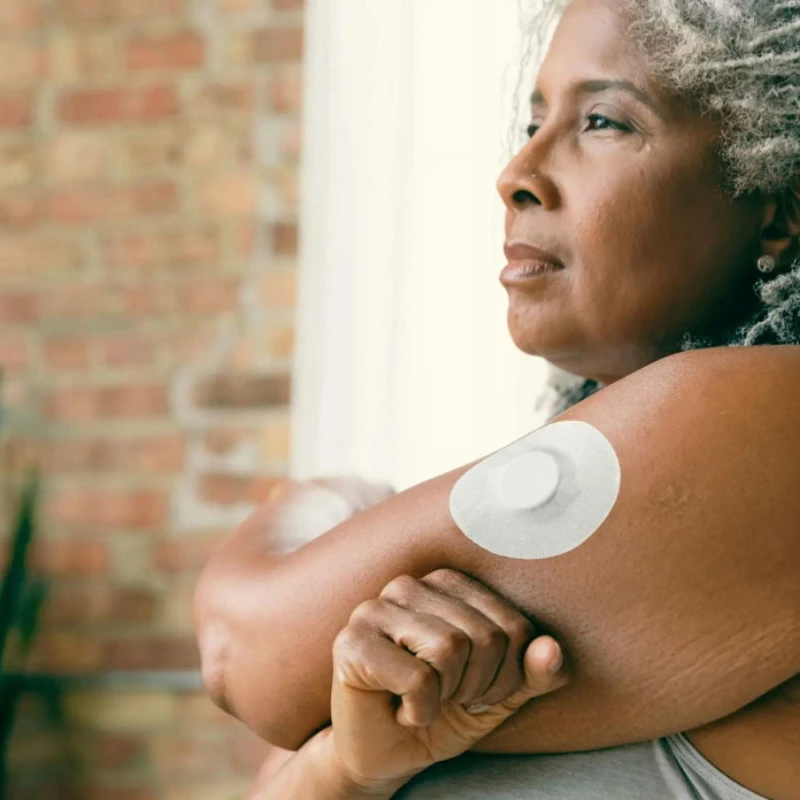
    The specific devices in question are Abbott’s FreeStyle Libre glucose monitors. These devices, which use a sensor applied to the arm, have been providing users with incorrect glucose readings. The FDA flagged this issue on December 2nd, urging immediate attention.

    The Dangers of Incorrect Readings

    Why is this so critical? If undetected, consistently low glucose readings can lead people with diabetes to make dangerous treatment decisions. This could mean consuming too many carbohydrates or delaying or skipping insulin doses. The FDA warns that these incorrect decisions can lead to serious health risks, including potential injury or even death.

    The FDA is classifying this as a ‘potentially high-risk issue’ and will continue to provide updates as more information becomes available. It’s a stark reminder of how vital accurate medical device readings are for managing chronic conditions.

    Which Devices Are Affected?

    Abbott has identified that approximately 3 million FreeStyle Libre 3 and FreeStyle Libre 3 Plus sensors are affected by this malfunction. Importantly, the Libre 3 readers and mobile apps themselves are not impacted. Other FreeStyle Libre models, such as the 14-day, 2, 2 Plus, or Libre Pro, are also not part of this issue, nor are other Abbott biowearables.

    The company has stated that they have identified and resolved the root cause of the problem, which stemmed from a single production line. Abbott assures that they are continuing production and do not anticipate significant supply disruptions for the affected sensors.

    What You Should Do

    Abbott is advising customers to check if their sensors are affected. If they are, the company recommends stopping use of the device immediately and disposing of it. While the U.S. has reported around 60 injuries among the global total, none of these were fatal.

    To determine if your sensor is part of the recall, you can visit FreeStyleCheck.com. Abbott is providing replacements at no cost to affected users. This proactive step is crucial for ensuring patient safety.

    Diabetes in the U.S.

    This situation underscores the importance of reliable health technology, especially for the millions living with diabetes. According to the Centers for Disease Control and Prevention (CDC), about 38 million people in the U.S. are living with diabetes, and it remains the seventh leading cause of death in the country. Ensuring the accuracy and safety of monitoring devices is paramount.

    If you use an Abbott FreeStyle Libre glucose monitor, have you checked if your device is affected? Share your experience and any concerns in the comments below!
  • Adriana Smith’s Family Seeks Support for Baby Chance

    The family of Adriana Smith, the Georgia woman who was kept on life support for weeks while pregnant after being declared brain-dead, is nearing their fundraising goal to cover the extensive medical costs for her infant son, Chance. This heartbreaking situation highlights the complex challenges faced by families navigating difficult medical circumstances and restrictive state laws.

    A Mother’s Sacrifice, A Baby’s Struggle

    In February 2025, Adriana Smith, then 8 weeks pregnant, suffered a medical emergency that left her brain-dead. Due to Georgia’s abortion laws at the time, her family was reportedly denied the right to discontinue life support. Consequently, the fetus was carried for several weeks before being delivered via C-section on June 13.

    Now, six months later, baby Chance remains in the Neonatal Intensive Care Unit (NICU). His family has set up a GoFundMe with a goal of $600,000 to help manage the mounting medical fees and other related expenses. While many details about Chance’s condition remain private, social media users have indicated that his health is precarious.

    Financial Burden and State Responsibility

    The financial strain on the Smith family is immense. Users on platforms like X (formerly Twitter) have raised concerns about the state of Georgia’s lack of contribution to Chance’s medical care, despite the circumstances that led to his prolonged gestation. One user pointed out, “The state of Georgia is not helping pay for the medical expenses for that baby, even though forced a dead woman to carry it…”

    Further updates suggest the situation is complex. One user shared that baby Chance now weighs 11 pounds and requires a transfer to a different hospital due to his complex medical needs. The family is reportedly bearing 100% of the cost, a significant burden given the circumstances.

    A Plea for Support

    Adriana’s mother, April Newkirk, has largely remained private about Chance’s condition since the C-section, though she confirmed the infant weighed 13 ounces at birth. The family is now just about $50,000 away from reaching their $600,000 GoFundMe goal.

    This situation underscores the profound impact of medical emergencies and legal frameworks on families. The Smith/Newkirk family’s plea for support is a call for community assistance during an incredibly challenging time.

    Can you help Adriana Smith’s family reach their GoFundMe goal for baby Chance? Visit their page to contribute and share their story. What are your thoughts on this deeply sensitive situation?

  • Trump Admin Skips World AIDS Day, Citing Strategy

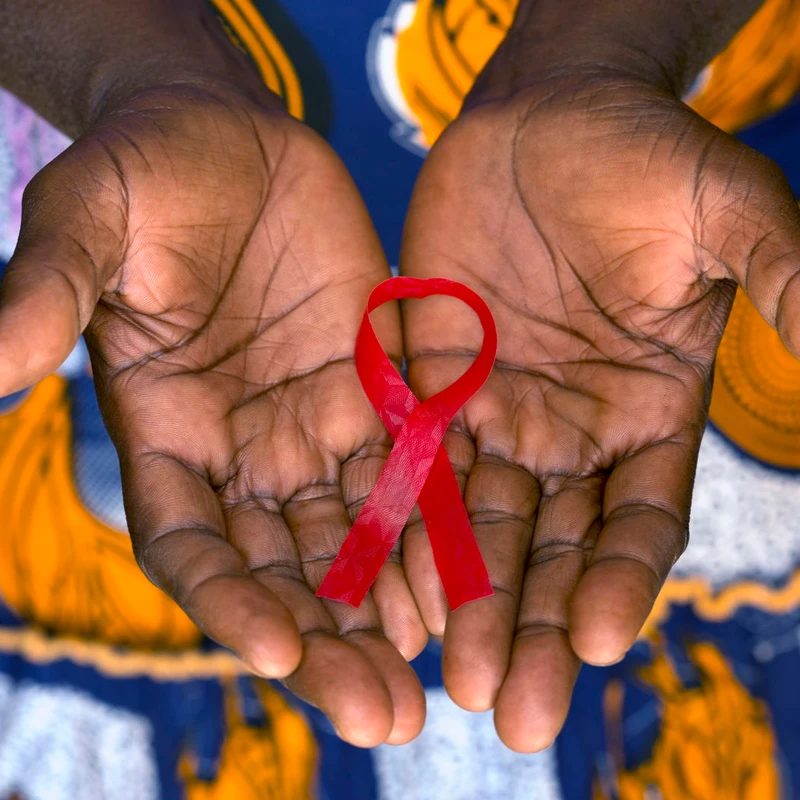
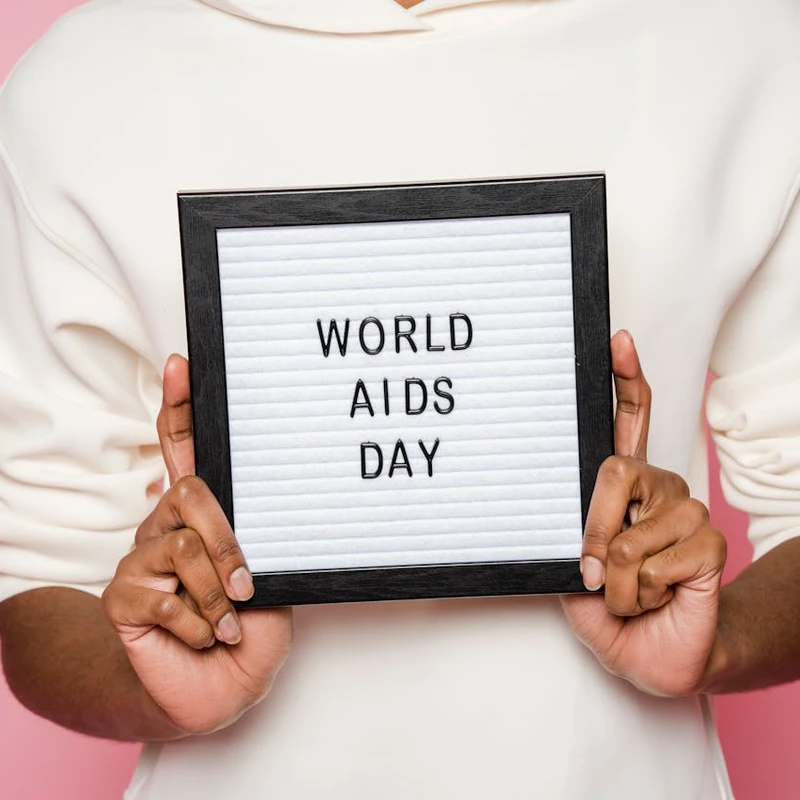
    In a move that has raised significant concern, the Trump administration has broken with decades of tradition by refusing to officially commemorate World AIDS Day on December 1st. This decision marks the first time the United States has opted out of the global observance, which is dedicated to recognizing lives lost to HIV/AIDS and raising awareness for the ongoing fight against the epidemic.

    An Unusual Stance on Awareness

    The State Department defended its decision by stating that “an awareness day is not a strategy.” This rationale suggests a shift in how the administration approaches combating the HIV/AIDS epidemic and its associated stigma. While past administrations, regardless of political party, have engaged in symbolic recognition of World AIDS Day, President Trump has chosen a different path.

    This departure from tradition means no official commemorative actions were taken by the current U.S. President. A spokesperson for the State Department emphasized that the government is “modernizing our approach to countering infectious disease” and is working directly with foreign governments to save lives and increase their responsibility. However, advocates worry this shift could negatively impact funding for global health initiatives.

    Concerns Over Funding and Care

    The United States has historically been a major contributor to HIV/AIDS awareness and care, investing billions over the years. The current administration’s disengagement from World AIDS Day is seen by some activists as a sign of diminished commitment to eradicating the disease and supporting those living with it. This move follows a pattern of scaled-back funding and support for global health initiatives.

    The impact of reduced funding is already being felt in heavily affected regions, including several African nations like Zambia, the Democratic Republic of the Congo, Ethiopia, and Kenya. Many individuals are facing difficulties accessing necessary medication due to fluctuating financial support. This decision also dismisses the experiences of those within the U.S. who have died from or continue to live with the disease, a significant portion of whom are people of color.

    Disproportionate Impact on Communities of Color

    The HIV/AIDS epidemic disproportionately affects Black and Hispanic communities in the U.S., with systemic medical racism contributing to challenges in diagnosis and treatment. Data indicates that Black women bear the highest rates of new HIV diagnoses and related deaths, accounting for a significant percentage of cases. This makes the administration’s stance on World AIDS Day particularly concerning for these vulnerable populations.

    Activists like Mitchell Warren, executive director of AVAC, have called the decision “devastating and chaotic,” viewing the omission as a lack of political will. Asia Russell, executive director of Health GAP, echoed this sentiment, describing the ban on commemorating the day as “depraved and outrageous.”

    A Broader Trend?

    This decision aligns with broader actions taken by the Trump administration regarding global health, particularly given the influence of figures like Robert Kennedy Jr. within the Department of Health and Human Services, who has been a vocal critic of vaccines and a proponent of conspiracy theories. The funding cutbacks and the disregard for established awareness days raise serious questions about the future of public health efforts both domestically and internationally.

    What are your thoughts on the Trump administration’s decision not to honor World AIDS Day? Do you believe “awareness days” are crucial for public health strategies? Share your perspective in the comments below!

  • HIV Crisis Overwhelms Black Women in South

    Even with significant advancements in HIV treatment and prevention since the 1980s, the virus continues to cast a long shadow, disproportionately impacting Black communities in the American South. Alarmingly, the specific challenges faced by Black women within this crisis are often overlooked, despite their significant vulnerability.

    The Stark Realities of HIV in the South

    Recent data paints a concerning picture: in 2023 alone, over 39,000 new HIV cases were diagnosed in the U.S. and its territories among individuals aged 13 and older. While men accounted for 81% of these diagnoses, Black individuals represented 38% of all cases, and a staggering 51% were located in the South. For Black women, the numbers are particularly stark: they represented half of all HIV diagnoses among women, despite making up only 13% of the female population. The South bears the brunt of this epidemic, accounting for over half of all new diagnoses and 56% of HIV-related deaths, even though it represents roughly one-third of the U.S. population.

    Athena Cross, vice president and chief program officer at AIDS United, highlighted the overwhelming burden of HIV in the South. She noted that beyond the inherent risks, there’s often a lack of adequate education and awareness surrounding HIV prevention. “There is still a lot of stigma culturally across the South that prevents people from being willing to access care, or even be able to follow through on a diagnosis,” Cross stated.

    Barriers to Prevention and Care

    Many people underestimate the severity of HIV today due to the overall decline in cases since the 1980s. Historically, men have been the primary focus in discussions about HIV and the use of PrEP (pre-exposure prophylaxis) and sexual health services. While PrEP usage has seen recent growth, Black individuals constitute only 12% of users, with the South accounting for 39% of this group, and women making up a mere 9% of PrEP users.

    Compounding these issues are practical barriers, such as the limited number of hospitals and healthcare providers in rural Southern areas. This scarcity, combined with pervasive anti-LGBTQ+ stigma, fuels ongoing misinformation and ignorance about the disease. Tori Cooper, a Black woman from the South and director of community engagement at the Human Rights Campaign, shared her personal experience of seldom being offered an HIV test over the years, emphasizing the need for judgment-free healthcare providers who offer genuine love and support—a challenge for many.

    Leading the Charge for Change

    Fortunately, dedicated individuals and organizations are leading the charge for solutions. Masonia Traylor, an activist from Decatur, Georgia, who was diagnosed with HIV at 23, founded Lady BurgAndy Inc., a nonprofit dedicated to supporting women and youth affected by HIV/AIDS. Other vital initiatives include AIDS United’s Melanated Movement, which empowers young women to conduct educational programs on HBCU campuses, and SisterLove, a southeastern U.S.-based organization that has advocated for women’s AIDS, sexual, and reproductive justice for over 35 years.

    Rashad Burgess, vice president of corporate responsibility at Gilead Sciences, aptly summarized the situation: “HIV is not an evenly distributed virus. It really does impact some of the most vulnerable communities. And that was true four decades ago, and it’s still true today.” These efforts highlight the ongoing fight for health equity and the critical need to address the HIV crisis with targeted, community-focused solutions.

    What more can be done to address the HIV crisis impacting Black women in the South? Share your thoughts and ideas in the comments below.

  • Trump to Release MRI Results: What You Need to Know

    Curious about President Trump’s health? Well, it looks like we might get a peek behind the curtain soon! During a recent trip back to Washington from Florida, President Trump told reporters that he’s willing to release the results of an MRI he underwent in October. He even described the results as ‘perfect,’ so color us intrigued!

    What We Know About the MRI

    So, what exactly is this MRI all about? The White House has been a bit tight-lipped, stating that the president received ‘advanced imaging’ at Walter Reed National Military Medical Center. This was apparently part of his routine physical examination, and the official word is that he remains in ‘exceptional physical health.’

    Interestingly, when asked about the specifics, President Trump himself mentioned he has ‘no idea’ which part of his body was scanned. He did, however, clarify that it wasn’t his brain, joking that he ‘aced’ his cognitive test. This leaves us wondering what exactly was being checked out!

    Why the Secrecy (and Now, Transparency?)

    It’s not uncommon for presidential health details to be closely guarded, but the willingness to release these specific MRI results is a notable development. While the White House has confirmed the advanced imaging was part of a routine check-up, the lack of detail about the scanned body part has certainly sparked discussion.

    President Trump’s direct comment, ‘If you want to have it released, I’ll release it,’ suggests a response to public interest or perhaps a desire to preemptively address any speculation. It’s a move that could either quell concerns or open up new avenues of questioning, depending on what the results reveal.

    What Does This Mean for You?

    For many, the health of the President is a matter of national importance. Transparency, even around routine medical procedures, can help foster public trust. Knowing that the results are deemed ‘perfect’ is certainly reassuring, but the specifics will likely be of interest to many.

    This situation highlights the ongoing public fascination with presidential well-being and the balance between privacy and the public’s right to know. We’ll be keeping an eye out for when these results are officially shared!

    What are your thoughts on President Trump releasing his MRI results? Do you think more transparency is needed regarding presidential health? Share your opinions in the comments below!

  • D’Angelo’s Estate Fights Pancreatic Cancer

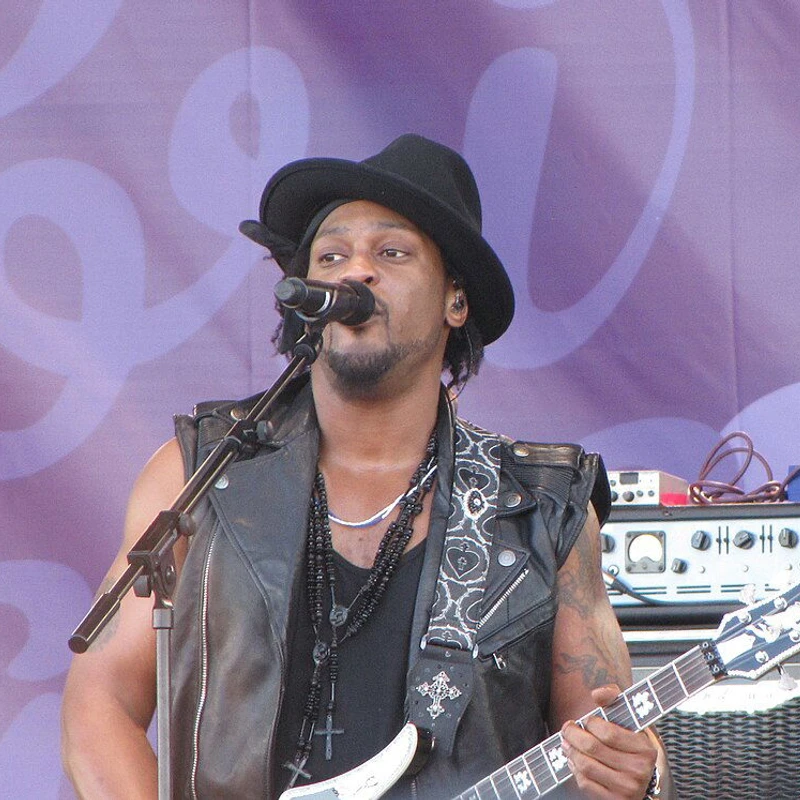
    It’s a heartbreaking reality when a beloved artist leaves us too soon. The estate of the legendary musician D’Angelo has announced a powerful initiative to honor his memory and combat a devastating disease: the D’Angelo Pancreatic Cancer Fund. This new foundation aims to make a real difference in the fight against pancreatic cancer, a battle the artist himself courageously fought privately.

    Honoring a Visionary Artist’s Legacy

    D’Angelo, a true visionary and cultural pioneer, passed away on October 14th at the age of 51 after a private struggle with pancreatic cancer. His influence extended far beyond his music, shaping a generation. Now, his estate is channeling that enduring legacy into action.

    The D’Angelo Pancreatic Cancer Fund is being launched in partnership with the Black Boy Joy Foundation. Together, they’re committed to advancing critical research, raising much-needed awareness, and providing support to families who are navigating the challenges of this aggressive form of cancer.

    Why Pancreatic Cancer Hits Black Communities Harder

    This initiative is particularly vital because pancreatic cancer disproportionately affects Black communities. Research from Johns Hopkins University highlights that Black Americans face higher rates of this cancer compared to other racial groups. Alarmingly, they are also more likely to be diagnosed at later, inoperable stages.

    What’s behind this disparity? Studies suggest that a complex mix of environmental and socioeconomic factors plays a significant role. For instance, cigarette smoking, a known contributor to about 25% of pancreatic cancer cases, is more prevalent among African Americans. Other risk factors like diabetes, pancreatitis, and being overweight also show higher occurrences in these communities.

    The Black Boy Joy Foundation’s Role

    The Black Boy Joy Foundation, established in 2020 by musician and philanthropist Jean-Claude Kalí, is dedicated to transforming mental health narratives within the Black community. Their mission is to foster joy and resilience through accessible mental health services and innovative master classes.

    This partnership amplifies their efforts, bringing a crucial focus to a cancer that remains one of the most formidable and lethal malignancies globally, with a survival rate hovering around a mere 13 percent. As Kalí stated, ‘Black men and boys bear a disproportionate burden, experiencing the highest incidence and mortality rates.’

    Taking Action Together

    The launch of the D’Angelo Pancreatic Cancer Fund is more than just a tribute; it’s a call to action. By supporting research, increasing awareness, and aiding affected families, this initiative aims to change the trajectory of pancreatic cancer, especially within communities that bear its heaviest burden.

    What are your thoughts on this important initiative? Share your reactions and support in the comments below!

  • Funky Dineva Reveals Stage 1 Prostate Cancer

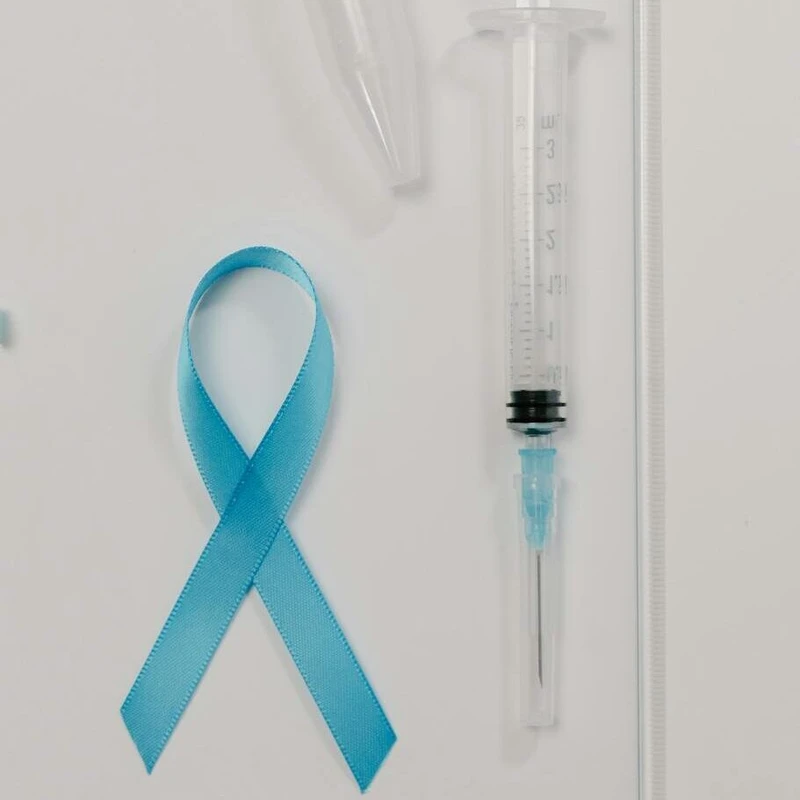
    Pop culture commentator Quentin Latham, widely known as Funky Dineva, is taking a brave and transparent approach to his health by revealing a stage 1 prostate cancer diagnosis. He shared the news on November 25th via a video posted on Threads, urging men to prioritize their health screenings.

    After undergoing 12 biopsies, Funky Dineva’s urologist confirmed the early-stage diagnosis. “Early detection is the key!! Have all the guys in your life stay up on their bloodwork and exams!” he captioned his post, emphasizing that his intention is educational, not for sympathy.

    A Difficult Diagnosis, But Promising Outlook

    While the news is undoubtedly difficult, Funky Dineva highlighted a significant positive: the cancer was detected very early. This provides a strong chance of preventing its spread. He mentioned a low Gleason score, indicating a less aggressive form of the disease, and is exploring treatment options.

    He’s considering options like radiation, experimental medication, and robotic surgery, expressing a preference for the latter to be performed sooner rather than later. He has an upcoming appointment on December 8th to discuss the robotic surgery procedure.

    Prioritizing Health and Well-being

    In light of his diagnosis, Funky Dineva has made the difficult decision to cancel his YouTube talk show. He explained on Threads that he doesn’t have the emotional capacity to focus on trivial matters when facing such a significant health challenge. “I’m in my room, in the dark, under the covers. I’m depressed, but I’m also fine. I’m giving myself permission to go through the process,” he shared.

    His decision underscores the importance of prioritizing mental and physical health during difficult times. He assured fans, “Don’t cry for me, Argentina,” indicating he believes he will be okay despite the emotional toll.

    Addressing Disparities in Prostate Cancer

    Funky Dineva’s openness is particularly crucial given the statistics surrounding prostate cancer in Black men. Research indicates they face disproportionately high rates of incidence and mortality compared to white men, often being diagnosed younger and with more aggressive forms of the disease. Early detection, as highlighted by his case, is paramount.

    Supporters have flooded his comments with messages of encouragement, sharing stories of successful recoveries from prostate cancer, often thanks to early detection. These messages offer comfort and reinforce the power of awareness and proactive health management.

    What are your thoughts on Funky Dineva’s courageous announcement? Share your messages of support and any personal experiences with early cancer detection in the comments below.

  • Free Groceries Now Available Via Bronx Vending Machine

    Imagine walking up to a vending machine and getting fresh fruits, vegetables, or even meats – for free! That’s exactly what’s happening in The Bronx, New York, thanks to an innovative project by the NGO Change Food For Good. This groundbreaking initiative aims to tackle food insecurity by providing easy access to nutritious food whenever residents need it.

    A Healthy Twist on Vending Machines

    While it looks like a typical vending machine, its contents are a world away from candy bars and soda. This machine is stocked with healthy foods, many of which are sourced from local hydroponic gardens. The project operates on an honor system, encouraging users to take only what they need, fostering a sense of community responsibility. It’s a brilliant way to get fresh, locally grown food directly into the hands of those who need it most.

    The vision behind this initiative is community-focused, even encouraging local residents to get involved by helping with farm work or restocking the machine. This collaborative approach ensures the sustainability and continued success of the project, directly addressing hunger in the neighborhood.

    Combating Food Insecurity with Innovation

    Food insecurity remains a significant challenge for millions across America. With nearly 42 million Americans relying on SNAP benefits, according to the USDA, alternative solutions are crucial. This free food vending machine offers a direct and immediate way to combat hunger, bypassing the usual bureaucratic hurdles associated with food assistance programs. It ensures people get the sustenance they need, right when they need it.

    The first machine is located at the Kips Bay Boys & Girls Club in The Bronx, an area known for its rich diversity, with over 55% Hispanic and 29% Black residents. Change Food For Good has already supplied goods to over 1,100 families and plans to expand this program to more locations across New York City, bringing this vital resource to even more communities.

    What do you think about this innovative approach to providing free groceries? Would you like to see these vending machines in your community? Share your thoughts in the comments below!

  • NBA Legend Rodney Rogers Dies at 54

    The basketball world is mourning the loss of a true legend. Rodney Rogers, a celebrated NBA Sixth Man and passionate advocate for those living with paralysis, has died at the age of 54. His passing marks the end of an era, leaving behind a legacy that extends far beyond the basketball court.

    A Collegiate and Professional Basketball Star

    Rogers first made waves during his collegiate career at Wake Forest University, where he revolutionized the basketball program. His impressive performance earned him accolades such as ACC Freshman of the Year, ACC Player of the Year, and First Team All-American during his three years there. He was instrumental in leading the Demon Deacons to the NCAA tournament.

    Drafted into the NBA in 1993, Rogers carved out a remarkable 12-year career. He became a vital asset to numerous teams, known for his clutch performances off the bench. In 2000, he was honored with the prestigious Sixth Man Of the Year award, solidifying his reputation as one of the league’s most impactful reserve players. He even helped the New Jersey Nets reach the NBA Finals in 2003.

    A Life-Changing Accident and Inspiring Advocacy

    Beyond his athletic achievements, Rogers’ life took a profound turn in 2008 following an ATV accident that left him paralyzed from the shoulders down. Instead of succumbing to despair, Rogers channeled his experience into a powerful mission: advocating for others facing similar challenges. He launched the Rodney Rogers Foundation, dedicated to encouraging and supporting individuals living with paralysis.

    His resilience in the face of such a life-altering event inspired thousands. Wake Forest University, recognizing his immense impact, retired his jersey number #54, celebrating him as a legend who transformed the university’s basketball program and left an indelible mark on its history. Athletic Director John Currie noted, “His power, his grace, and even more so, his heart, changed this university forever.”

    Remembered for His Heart and Strength

    Former Wake Forest head coach Dave Odom fondly remembered Rogers, stating, “It’s easy to talk about his talent — and it was extraordinary — but what made Rodney unforgettable was how deeply he loved: his teammates, his family, Wake Forest, the game.” Odom added, “He never complained. He faced life as it came and made the most of every moment. Watching him play was a joy, but knowing him was the real privilege.”

    Rodney Rogers will be remembered not only for his extraordinary talent on the court but also for his incredible strength, grace, and unwavering commitment to helping others. His legacy as a basketball icon and a hero for the paralysis advocacy community will undoubtedly endure.

    What are your favorite memories of Rodney Rogers’ career or his advocacy work? Share your thoughts and tributes in the comments below.

  • Texas Woman Dies After Denied Abortion Care

    Tragically, a Texas woman named Tierra Walker, just 37 years old, has died due to complications from a high-risk pregnancy. Her story is particularly heartbreaking because she was repeatedly denied the abortion care she pleaded for, according to a recent investigation by ProPublica. This marks the fourth such case uncovered in Texas since the state implemented its strict abortion ban.

    A Pregnancy Fraught with Danger

    Walker’s health struggles began just weeks into her 2024 pregnancy when she started experiencing unexplained seizures. Given her history of preeclampsia, a condition that had previously led to the loss of twins, she urgently asked her medical team if terminating the pregnancy was an option to protect her health. Sadly, her requests were denied.

    Her condition worsened over the next two months. Her family was present during multiple ER and prenatal visits, witnessing her health deteriorate. They reported that Walker was deeply concerned as her seizures continued, her blood pressure soared, and blood clots began to form.

    Expert Opinions and Legal Uncertainties

    More than a dozen OB-GYN experts reviewed Walker’s medical records for ProPublica. They concluded that standard medical practice would have involved ongoing counseling about her risks and the option to end the pregnancy for health reasons at any stage. Instead, Walker and her family felt she was dismissed.

    The investigation highlighted how Texas’s strict abortion laws created immense uncertainty for physicians, leaving them fearful of severe criminal penalties, including lengthy prison sentences and loss of their medical licenses. These laws, as journalist Kavitha Surana noted, “don’t leave a lot of space… they don’t have exceptions for health risks.”

    The Devastating Outcome

    Ultimately, Tierra Walker died from preeclampsia, exacerbated by an enlarged heart, fluid buildup, and kidney damage. Her family shared that she was unaware of just how precarious her pregnancy had become. She leaves behind her 14-year-old son, whom she had worried she might not live to see grow up.

    While Texas lawmakers recently passed legislation intended to provide physicians with more discretion in medical decision-making, this reform took effect after Walker’s death. Responses from lawmakers regarding whether the new law would have covered Walker’s situation were largely unforthcoming, with one Democratic lawmaker stating the reforms “didn’t go far enough.”

    This is a deeply tragic story. What are your thoughts on the impact of abortion bans on maternal healthcare? Share your perspective in the comments below.