
Tag: Hair Braiding

  • Low-Maintenance Hairstyles for Busy Black Women

    Life moves fast, and for busy Black women, finding a hairstyle that keeps up without demanding hours of styling is key. Low-maintenance doesn’t mean sacrificing style; it means choosing looks that are intentional, polished, and work *with* your natural texture and schedule. Forget fighting your hair – it’s time to embrace styles that give you your time back while still turning heads.

    The Reign of Protective Styles

    When it comes to minimal daily upkeep, protective styles are the undisputed champions. Styles like box braids, Senegalese twists, and faux locs can last anywhere from four to eight weeks, drastically simplifying your routine. The daily grind often boils down to just moisturizing your scalp, wrapping your hair at night, and perhaps refreshing your edges every few days. These styles also shield your natural hair from daily manipulation, promoting length retention.

    • Box braids
    • Senegalese twists
    • Faux locs
    • Knotless braids

    Embracing Your Natural Texture: The Wash-and-Go

    For those with natural hair textures (types 3 and 4), the wash-and-go is a game-changer for speed and simplicity. The process is straightforward: apply your leave-in conditioner and a curl-defining cream to soaking-wet hair, and let your natural curl pattern do the rest. The secret to success? Finding products that match your hair’s specific porosity level. A well-shaped curly haircut also ranks high, requiring minimal manipulation to look polished.

    Everyday Styles That Deliver Polish

    An ideal everyday hairstyle for Black women needs to be put-together, last throughout the day, and be quick to execute. Sleek ponytail hairstyles, slicked-back looks, and finger waves on short cuts all fit the bill. These styles effortlessly transition from casual to professional settings and can often be refreshed with minimal effort the next morning.

    The slick back is a forgiving style that offers maximum impact with minimal fuss. Apply a firm-hold gel, smooth your hair back, and lay your edges. Covering with a silk scarf for 15-20 minutes helps set the style, which can last for days. Finger waves are also making a strong comeback, offering a chic, retro vibe for short, relaxed, or blown-out natural hair. Once set with gel and wave clips, they can last several days.

    The Power of a Sleek Ponytail and Short Cuts

    Sleek high ponytails are a timeless choice for a polished look. With a wrapped base, gel-laid edges, and a touch of shine serum, they work for any occasion. Extend their life by wrapping them in a satin scarf at night and refreshing edges in the morning. Short haircuts, like a tapered cut or a textured pixie, offer long-term low maintenance. They require less detangling, dry faster, and almost always look intentional. A well-shaped tapered cut, for instance, highlights facial features with just a bit of curl cream or shea butter in the morning.

    Key Takeaways for Effortless Style

    The best low-maintenance hairstyle for a busy Black woman is one that works *with* her hair’s natural behavior, fits her schedule, and makes her feel confident. Whether you opt for protective braids, a quick wash-and-go, a sharp slick back, a chic ponytail, or a liberating short cut, the goal is to look good and keep moving forward. Remember, regular trims every six to eight weeks are essential for maintaining the shape and health of any cut, and using quality products suited to your hair type will make styling much easier.

    What’s your go-to low-maintenance hairstyle? Share your favorite time-saving looks in the comments below!
  • Harvard-Born Robot Revolutionizes Hair Braiding

    Imagine a world where getting your hair braided doesn’t take hours and doesn’t cost a fortune, all while protecting your stylist’s hands. That future might be closer than you think, thanks to Halo Braid, a revolutionary hair-braiding robot developed by Harvard alumna Yinka Ogunbiyi. This groundbreaking invention is poised to disrupt the massive $42 billion hair industry.

    From Harvard Innovation to Industry Disruption

    Yinka Ogunbiyi, a 2023 graduate of both Harvard Business School and the Harvard John A. Paulson School of Engineering and Applied Sciences, has earned a $75,000 prize from Harvard Business School’s prestigious President’s Innovation Challenge. Her invention, Halo Braid, uses machine learning to significantly speed up the braiding process for professional stylists. This innovation was showcased through the Alumni & Affiliates Open Track program, highlighting ideas with the potential to transform industries.

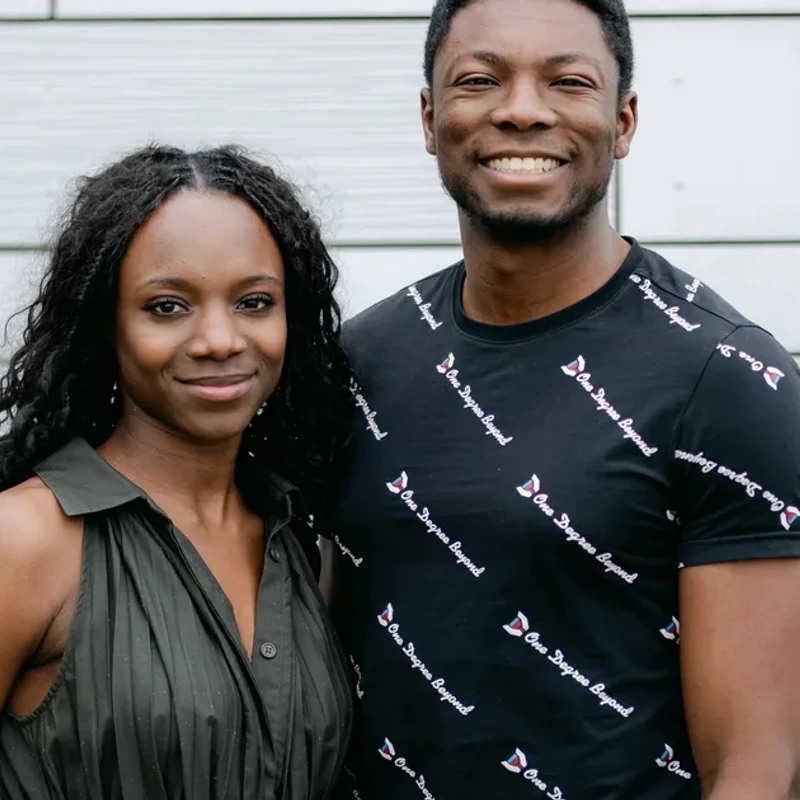
    Developed alongside her business partner, David Afolabi, the Halo Braid robot aims to modernize the ancient art of hair braiding. The goal is to make it faster, more efficient, and more accessible for both stylists and their clients. The patent-pending device acts as a braiding assistant, completing the intricate work of braiding with a gentle, no-pull technique.

    Addressing the Pain Points of Braiding

    During her pitch, Ogunbiyi powerfully articulated the challenges faced by traditional hair-braiders and their clients. She highlighted the grueling hours, high costs (often $200-$300), and physical toll—like arthritis at a young age—that stylists endure. “Imagine if every time you got your hair cut, it took six hours, cost $200 to $300, and gave your hair stylist arthritis at age 29? This is what it’s like to get your hair braided,” she explained.

    Ogunbiyi pointed out that despite braiding being a popular hairstyle for millions of Americans, the technique itself hasn’t seen significant innovation in the last 5,000 years. Halo Braid is designed to change that, drastically cutting down styling time and allowing stylists to focus on growing their business, delighting clients, and exercising their creativity, rather than spending hours on the physical act of braiding.

    • Reduces styling time significantly.
    • Assists stylists with the braiding process.
    • Employs a gentle, no-pull approach.
    • Aims to make braiding more affordable.
    • Leverages machine learning for efficiency.

    Future Plans for Halo Braid

    With the prize money from the President’s Innovation Challenge, Ogunbiyi plans to open a hair salon in Boston. This salon will serve as a testing ground for various braiding styles before scaling up manufacturing of the Halo Braid device later this year. This strategic step ensures the technology is refined and ready for widespread adoption.

    What do you think about the Halo Braid robot? Could this technology revolutionize the hair industry? Share your thoughts in the comments below!

  • Hair Braiding Robot Wins Harvard Contest

    Innovation is taking the beauty industry by storm! A groundbreaking hair-braiding robot, aptly named Halo Braid, has just been crowned the winner of Harvard Innovation Labs’ 2025 President’s Innovation Challenge. This invention is set to revolutionize a styling process that has remained largely unchanged for thousands of years.

    Solving a Painful Problem

    The Halo Braid team, comprised of Harvard Business School alumni Yinka Ogunbiyi and David Afolabi, recognized a significant pain point in the hair-braiding industry. Ogunbiyi shared her personal experience: “What if every time you got your hair cut, it took six hours, cost $200 to $300, and gave your hair stylist arthritis at age 2? This is what it’s like to get your hair braided.” She highlighted that despite braids being a popular protective style for millions, the process is often lengthy, expensive, and physically taxing for stylists.

    With the introduction of their patent-pending robot, Halo Braid aims to cut braiding time by as much as half. The technology assists stylists by completing braids that they start, making the entire process more efficient and less physically demanding. This innovation promises to save both stylists and clients valuable time and money.

    A Growing Market and Future Potential

    The global hair braiding market is substantial and projected to grow, with Custom Market Insights estimating it will reach over $625 million by 2032. Halo Braid is poised to tap into this expanding market by offering a solution that enhances efficiency without compromising quality. Ogunbiyi mentioned that their devices have successfully completed thousands of braids, using machine learning to achieve professional results five times faster.

    The pitch emphasized that Halo Braid aims to make braiding “joyful, not painful,” enabling stylists to grow their businesses without suffering physical strain. The company currently has a waitlist for professionals and aspiring braiders eager to enhance their services with this innovative technology.

    Funding the Future of Hair Styling

    Winning the President’s Innovation Challenge provides Halo Braid with crucial funding and recognition to bring their vision to life. This award signifies a major step forward in transforming the diverse hairstyling landscape and addressing long-standing challenges within the industry. The future of hair braiding looks significantly faster and more accessible thanks to this remarkable invention.

    What do you think about the Halo Braid robot? Could this technology change the hair styling industry forever? Share your thoughts in the comments below!