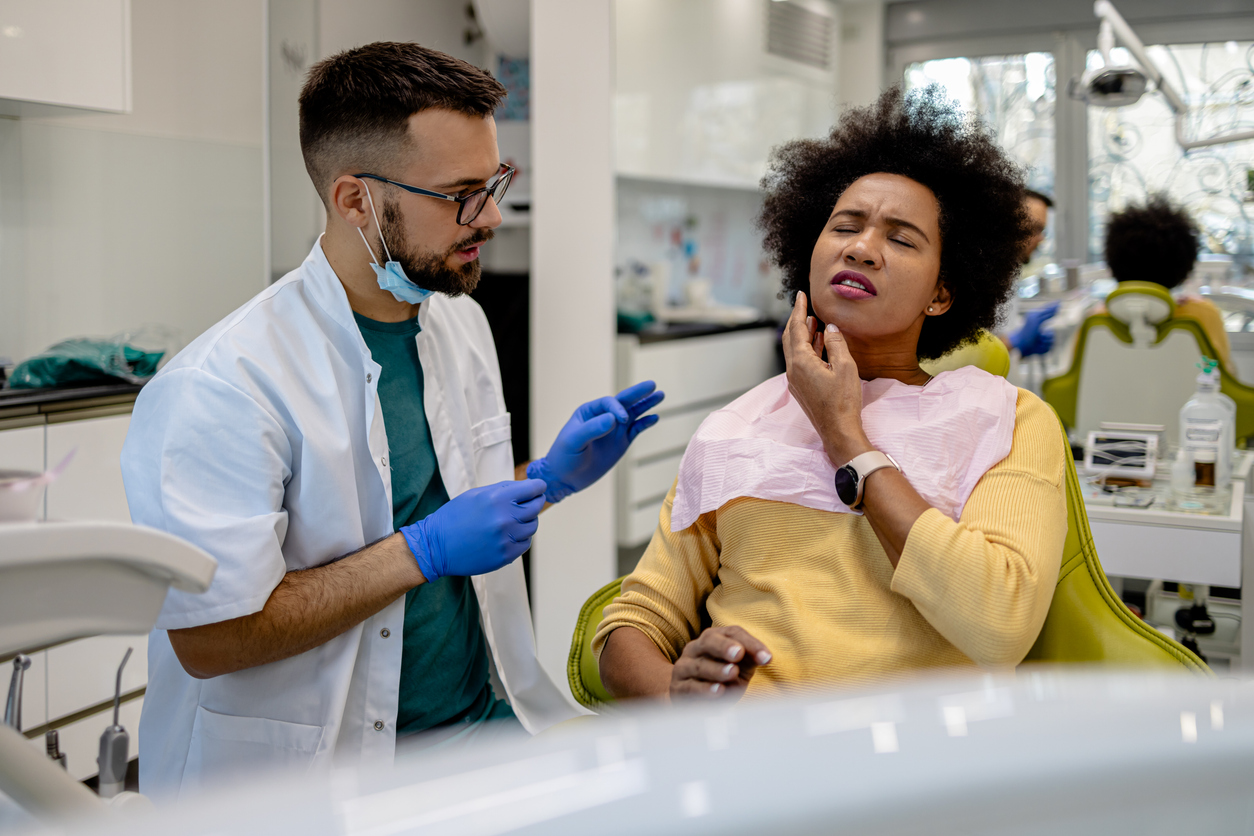
If you’re using popular GLP-1 medications like Ozempic or Wegovy for diabetes or weight management, you might want to pay extra attention to your oral hygiene. Dentists across the country are noticing a concerning trend: a rise in significant dental problems among users of these drugs, a condition that’s even earned a nickname.
The Link Between Ozempic and Oral Health Issues
Experts are flagging severe oral health complications as a potential side effect. Adam Taylor, an anatomy professor at Lancaster University, explained to The Conversation that the active ingredient, semaglutide, can affect salivary glands, reducing saliva flow. Additionally, these medications can make people feel less thirsty, leading to decreased water intake.
This combination of reduced saliva and less fluid intake can result in dry mouth, a condition known to significantly increase the risk of cavities and gum disease. Cosmetic dentist Dr. Rajpal Anjali notes she’s seeing more patients experiencing tooth sensitivity, receding gums, and visible enamel damage.
Understanding the Side Effects
While many users tolerate GLP-1 medications without major oral health issues, Dr. Anjali points out that a subset does experience notable side effects. Beyond dry mouth, nausea and vomiting are also potential side effects. These can indirectly harm teeth and gums, as stomach acid from vomiting can further erode tooth enamel.
Unfortunately, even if a patient stops taking the medication, the damage to their teeth might not be reversible. This makes it crucial for both patients and dental professionals to be aware of these risks. Dentists should monitor patients closely, particularly in the initial months after starting these medications.
Tips for Combating ‘Ozempic Teeth’
To help mitigate these potential dental problems, often referred to as ‘Ozempic teeth,’ Taylor recommends simple yet effective strategies. Increasing water intake is key to combating dry mouth. Chewing sugar-free gum can also help stimulate saliva production.
Most importantly, patients taking Ozempic or similar medications should inform their dentist. This allows dental professionals to adjust oral care routines and provide targeted advice to protect your smile. Open communication with your healthcare providers is essential for managing potential side effects.
Are you taking Ozempic or a similar medication? Have you noticed any changes in your oral health? Share your experiences in the comments below!