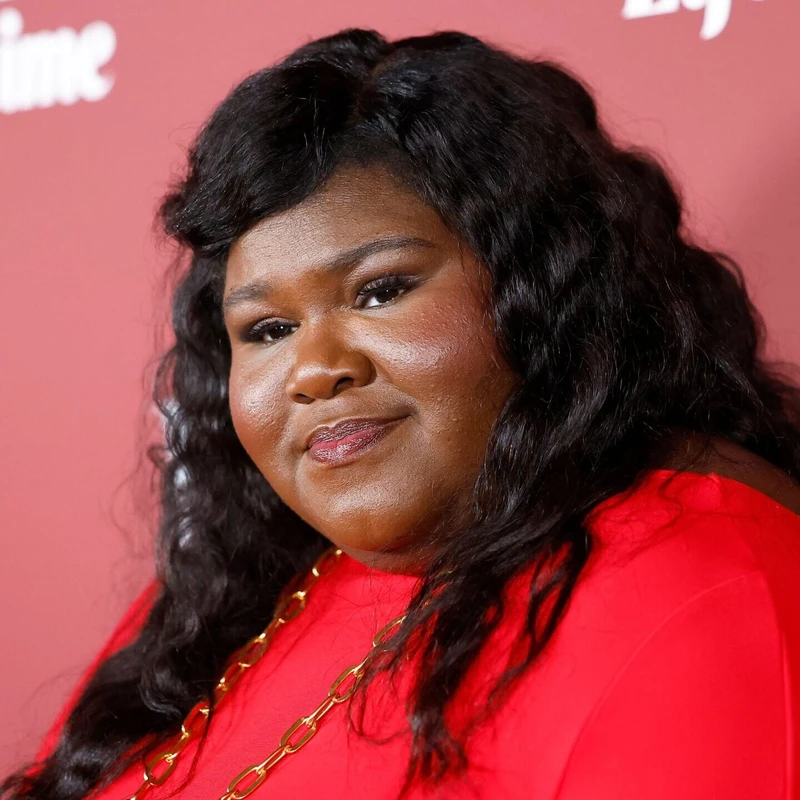
Tag: Gabourey Sibide

  • Gabourey Sidibe & The ‘Deinfluencing’ Trend

    In a moment that feels increasingly familiar, actress Gabourey Sidibe found herself defending her parenting choices online, specifically regarding her toddlers’ hair. Her firm response highlights a growing trend: ‘deinfluencing,’ and the unique challenges Black mothers face when sharing their real lives online.

    The ‘Deinfluencing’ Movement

    Sidibe, a mother to two-year-old twins Cooper and Maya, posted on Threads, stating she would block anyone commenting on her toddlers’ hair. She explained that while their hair is cared for – brushed and sometimes braided – it often becomes unruly due to their active lives as children. She emphasized, “I didn’t have kids for the (a)esthetic.”

    This approach aligns with the ‘deinfluencing’ movement, a stark contrast to the highly curated and polished content often seen from influencers. Deinfluencing embraces the messy, unfiltered reality of life – think unmade beds in selfies or toddlers mid-tantrum in videos. It’s about showing life as it is, not as it’s often performed.

    Authenticity Comes with Scrutiny for Black Mothers

    While this raw authenticity is refreshing and relatable for many, it carries a different weight for Black women, especially Black mothers. Motherhood, and particularly Black motherhood, is subject to intense scrutiny. When Sidibe or other Black mothers share unfiltered images of their children, what might be seen as relatable imperfection by some can unfortunately be perceived as neglect by others.

    The standards applied are often higher, and the judgment more severe, especially concerning Black hair. Protective styles and natural textures are beautiful and culturally significant, yet they often face unwarranted criticism. This pressure can make it difficult for Black mothers to simply share their children’s genuine moments without facing unfair judgment.

    Embracing Imperfection and Real Life

    Sidibe’s stance, and that of others like Gabrielle Union who consistently shares authentic moments of her family, pushes back against this policing. The call is for more honesty, not less. We can’t ask for authenticity and then penalize it when it doesn’t fit a narrow aesthetic ideal.

    The rise of AI-generated content further emphasizes the value of genuine human connection. In a world where digital perfection can be manufactured, real-life imperfections become a sign of authenticity. For Black children, this means embracing their hair in all its natural states – messy, braided, or otherwise – not as a sign of neglect, but as a sign of honest, unperformed life.

    • Gabourey Sidibe defends her toddlers’ natural hair against online criticism.
    • Her approach aligns with the ‘deinfluencing’ trend of sharing unfiltered life.
    • Black mothers face heightened scrutiny regarding parenting and Black hair.
    • Authenticity online can be misconstrued as neglect under biased standards.
    • The movement calls for embracing imperfection and real-life moments.

    What are your thoughts on the ‘deinfluencing’ trend and the pressures Black mothers face online? Share your perspective in the comments!
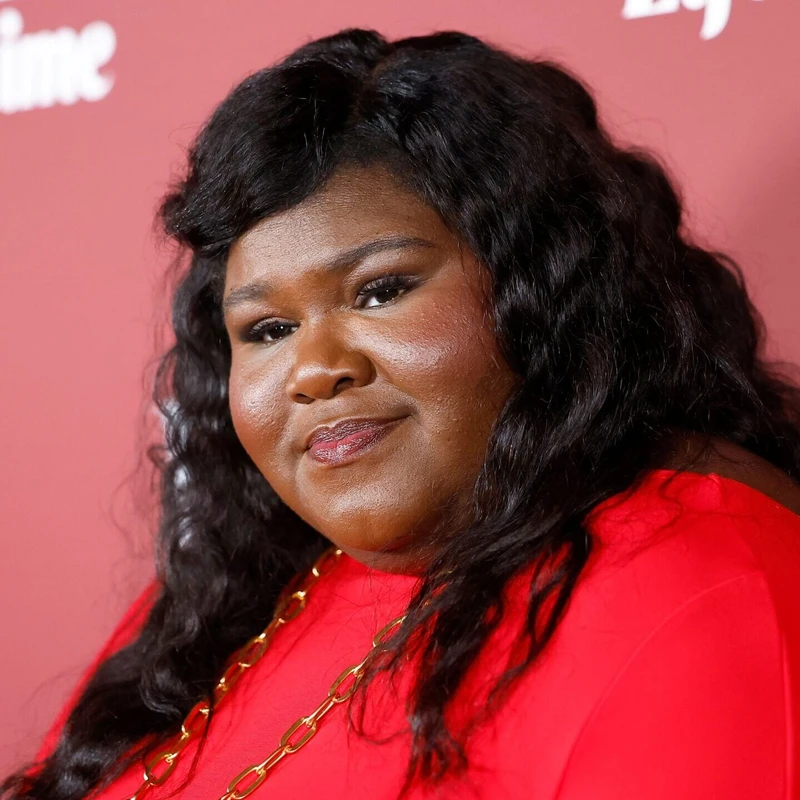
  • Gabourey Sidibe Embraces ‘Deinfluencing’ Motherhood

    In a world often saturated with perfectly curated online personas, actress Gabourey Sidibe is choosing a different path. Following in the footsteps of others who are embracing authenticity, Sidibe is “deinfluencing” motherhood, particularly when it comes to the appearance of her two-year-old twins, Cooper and Maya.

    Pushing Back Against Hair Scrutiny

    Sidibe recently took to Threads to address backlash regarding her toddlers’ hair. She stated firmly, “If you comment, telling me to do my toddlers hair, I’m blocking you.” The 42-year-old actress explained that while her children’s hair is brushed and her daughter often wears braids, they are active toddlers. After a full day of play, or even just five minutes, their hair can become unruly. By the time photos or videos are taken, there isn’t always time or energy to restyle.

    She clarified her parenting philosophy: “I don’t immediately rebraid it because I didn’t have kids for the (a)esthetic.” Sidibe, a Hollywood actress, is well aware of the importance of image and presentation, but she emphasizes that her children’s well-being and natural state come first.

    The Rise of ‘Deinfluencing’

    Sidibe’s approach aligns with the growing trend of “deinfluencing.” Unlike traditional influencing, which focuses on polished, highly styled, and curated content, deinfluencing embraces the opposite: messy countertops, unmade beds, and unfiltered glimpses into everyday life. It’s about showing life as it truly is, not as it’s often performed.

    This trend stems from a collective fatigue with hyper-curated content, especially as brands and celebrities increasingly adopt influencer marketing. With the rise of AI-generated content, genuine imperfection is becoming a sign of authenticity and a way for people to connect with real individuals.

    Authenticity and the Scrutiny of Black Motherhood

    However, for Black women, and particularly Black mothers, this authenticity often comes with a heightened level of risk. Motherhood, and especially Black motherhood and Black hair, is subject to intense scrutiny. When Sidibe or other Black mothers share unfiltered moments of their children, what might be seen as relatable by some can be perceived as neglect by others. The standards are doubled, and so is the judgment.

    Sidibe’s stance is a powerful argument for embracing this authenticity, rather than conforming to unrealistic expectations. It echoes the efforts of figures like Gabrielle Union, who has consistently shared genuine moments of her family life, including her daughter’s hair in various stages. We can’t ask for real life and then penalize it when it doesn’t meet an aesthetic ideal.

    Respecting Black Children’s Hair

    The conversation ultimately circles back to respecting Black children and their hair. Protective styles have a rich history, and they deserve more than fleeting admiration; they deserve genuine respect. Sidibe’s willingness to show her children as they are—uncontained, unmanicured, and real—is a testament to honesty, not neglect. We should expect to see more of this honest portrayal, celebrating Black children’s hair in all its natural glory.

    What are your thoughts on Gabourey Sidibe’s ‘deinfluencing’ approach to motherhood? Do you think authenticity is more important than perfect presentation online? Share your views in the comments below!