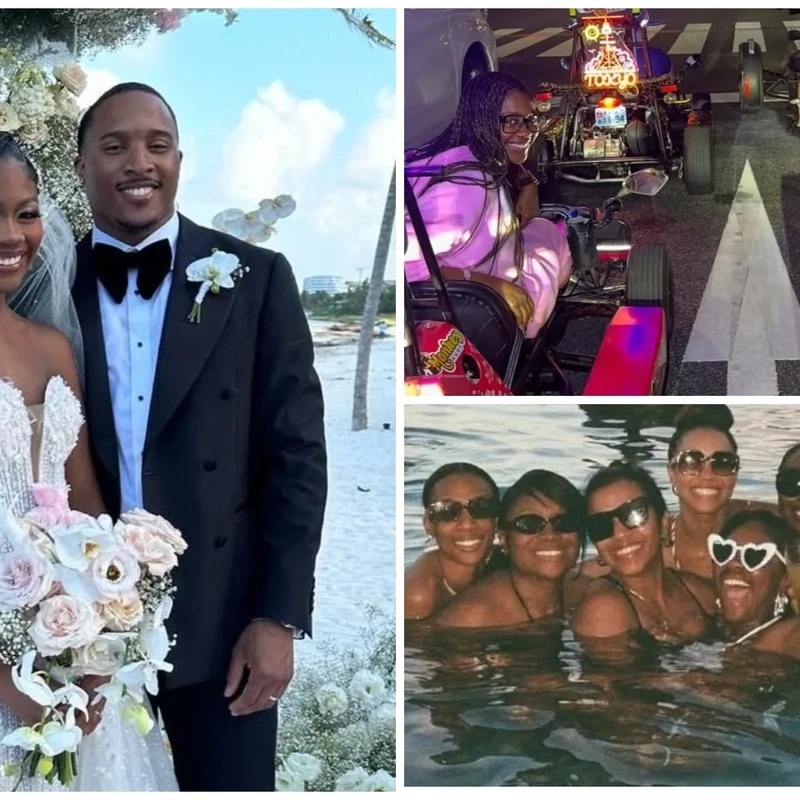
You’ve said ‘I do,’ and everyone expects pure bliss, right? More joy, more stability, more companionship. But what happens when you’re the first in your friend group to get married? Suddenly, the people who helped shape you might feel like you’ve entered a different dimension. Instead of celebrating with you, they seem unsure how to fit you into their lives anymore. It’s a lonely feeling that no one really prepares you for.
The ‘Same Me’ Struggle
At 28, I found myself constantly reassuring my friends that I was still the same person, even with a wedding ring. It’s exhausting to have to explain, ‘Yes, I still want to go out with you girls,’ or ‘My partner is totally fine with me having my own social life.’ Why does marriage automatically mean your social life has to shrink? Why do we assume you lose the community that supported you all along?
Marriage and family therapist Bree Jenkins explains that friendships can feel imbalanced after one person marries before the others because a new family unit is forming. This transition, often called the ‘storm,’ requires everyone to renegotiate boundaries. Questions arise: ‘Am I still a priority? What does hanging out look like now? Where do I fit in your life?’ These shifts are natural as priorities change.
Navigating the ‘Lone Wolf’ Phase
The discomfort others feel about your significant life changes can create distance. Within eight months of getting married, I felt excluded from conversations and plans, wondering how to bridge that gap. It felt lonely trying to balance who I was with who I was becoming. The days of being available for 2 a.m. venting calls were over, as my husband slept beside me.
Jenkins suggests being upfront: ‘You are all critical to me. You can call me if I can’t talk, and I’ll always be happy to find time to connect.’ Ironically, I started experiencing unanswered calls from friends in serious relationships too. They, too, had allocated certain hours to their partners, a boundary I had to respect. Adapting means sending a text and anticipating a response the next day.
Vulnerability is Key
Jenkins emphasizes that vulnerability is crucial. ‘It can be very isolating when you still desire and want to maintain your super important connections,’ she notes. Being vulnerable means telling your friends, ‘Hey, yes I’ve been boo’d up in the house… but I need my girlfriend time.’
The time spent with close girlfriends is unmatched, offering a reset and renewed energy. Jenkins points out that often, our friends don’t know how to support us because *they* haven’t changed – *we* have. Openness and setting clear guidelines are essential for your community to support you through this transition.
Marriage Doesn’t Mean You’re Boring
Some friends assume your interests have changed, like you wouldn’t still enjoy certain shows or day parties. While some women do drastically change after marriage, adopting a ‘good wife’ persona, it’s frustrating to think marriage makes you modest or disconnected from your past self. I’m a ‘lover girl,’ but I won’t let every conversation be solely about my partner. There’s room for both romance and friendships.
Intentionality is Everything
Marriage hasn’t made me less social; it’s made me more intentional. I check in, send texts, voice notes, plan hangouts months in advance, and even picked up online gaming to stay connected. My community mattered long before my marriage, and I want them to matter forever.
Being the first to marry means stepping into vulnerability first, reassuring friends that you still need them, and giving and asking for grace. Marriage itself didn’t isolate me; the silence around how friendships shift did. It’s time to break that silence. As Jenkins advises, ‘At the end of the day, just be transparent. Say, ‘Hey girls, don’t leave me out.’’
Have you experienced shifts in your friendships after getting married or seeing a friend get married first? How did you navigate it? Share your stories and advice in the comments below!

