Tag: Free Speech

  • Afroman Wins Case: Where Are Free Speech Advocates for Hip-Hop?

    Free speech is a fundamental right, but lately, it feels more like a privilege that’s selectively applied. Afroman recently proved that it shouldn’t be weaponized, but it begs the question: where are the staunch free speech defenders when hip-hop finds itself on trial?

    The Afroman Case: Turning Adversity into Art

    You’ve probably seen the viral clips from the defamation case brought against Afroman by seven Adams County, Ohio, sheriff’s deputies. Following a 2022 raid on his home, which yielded no evidence of the alleged drug trafficking and kidnapping, Afroman decided to turn lemons into lemonade—or in this case, a raid into a hit song.

    He ingeniously used footage from the raid, including a deputy eyeing his mother’s lemon pound cake, to create satirical music videos, social media content, and merchandise. The trial itself became a spectacle, with deputies on the stand making questionable claims, like one admitting he wasn’t sure if Afroman had sex with his wife. Afroman even brought a deputy’s ex-wife as a defense witness, adding to the drama.

    A Symbol of Free Expression

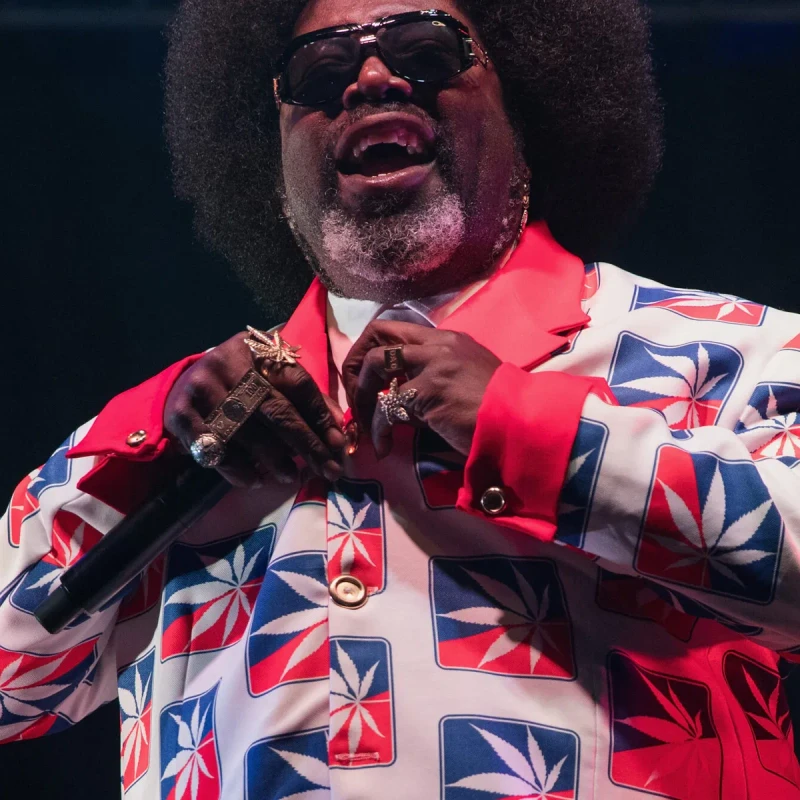
    Afroman’s courtroom attire—an American flag-patterned suit—felt particularly fitting. After the trial, he celebrated with supporters, expressing his love for America and for free speech, a right those very deputies are sworn to protect. The deputies’ lawsuit, however, seemed to mirror tactics seen elsewhere, even within hip-hop itself.

    Consider Drake’s attempt to sue UMG over Kendrick Lamar’s diss track. While both artists engaged in public back-and-forth, only one seemed to be seeking legal recourse for perceived humiliation. This trend of artists weaponizing defamation claims when public opinion doesn’t favor them is concerning, especially since a successful case could set a dangerous precedent for hip-hop.

    Hip-Hop Under Scrutiny

    It’s ironic that artists like Drake have previously supported petitions to protect Black art and restrict the use of rap lyrics in court. Hip-hop, and Black music in general, has a long history of being scrutinized and surveilled by the system. From the FBI monitoring Nina Simone for her activism to viewing Wu-Tang Clan as a criminal organization, this surveillance has rarely been about public safety; it’s been about controlling narratives.

    This pattern has intensified, with lyrics increasingly being presented as evidence in court. Cases like Young Thug’s RICO trial, where prosecutors dissected his music, and Lil Durk’s potential trial, where his lyrics could be scrutinized, highlight this alarming trend. While high-profile artists receive industry support, the fight against criminalizing artistic expression is crucial, as it can have life-altering consequences.

    The Fight for Artistic Freedom

    The urgency is palpable, especially in cases like that of James Broadnax, a Texas man facing the death penalty where prosecutors used misrepresented lyrics as evidence. High-profile support from artists like Travis Scott, Young Thug, and Killer Mike has been vital in seeking a stay of execution. Without such support, cases like Broadnax’s could easily be ignored.

    Afroman’s case is compelling because it showcases how the legal system can be used to suppress free expression, sometimes even within the genre itself. The deputies who sued him clearly felt they were above the law, only to face public humiliation in a nationally televised loss. For many, this felt like a cathartic moment, a small victory against the constant villainization of art.

    The question of who truly benefits from free speech protections remains open. However, it’s clear that hip-hop is currently at the forefront of the battle to preserve it. The selective outrage from some ‘free speech warriors’ highlights the need for consistent advocacy for all forms of artistic expression.

    What are your thoughts on the Afroman case and the broader issue of free speech in hip-hop? Share your perspective in the comments below!

  • Kaitlin Bennett Removed From Black Joy Festival

    The 5th Annual Black Joy Festival in Orlando recently experienced a disruption when conservative media personality Kaitlin Bennett was asked to leave the premises. Bennett, known for her provocative style, attempted to engage festival attendees with controversial questions, leading to her removal and claims of a free speech violation.

    Disrupting the Festival Vibe

    Bennett, host of the YouTube channel Liberty Hangout, reportedly set up at the festival in August 2025 and began questioning attendees, primarily Black individuals. Her line of questioning included asking for the first word that came to mind when hearing ‘Donald Trump’ and shifting the conversation to anti-abortion topics, which seemed out of place amidst a celebration of Black joy and an organ/tissue donation awareness event.

    When a festivalgoer challenged her about the relevance of her questions and alerted security, the situation escalated. Videos circulating on social media show city employees and law enforcement telling Bennett her time was up. Bennett herself posted on X, claiming organizers called the police on her for being conservative in public and questioning if free speech is still valued.

    Reactions and Free Speech Debate

    The incident quickly sparked debate online. While Bennett framed it as a violation of her First Amendment rights, many social media users disagreed. Comments on platforms like Threads and TikTok suggested that since the festival likely rented the park space, they had the right to control who was present and what activities were allowed. Others questioned why attendees engaged with Bennett at all, suggesting she was seeking a viral moment.

    Bennett, who gained notoriety as ‘Gun Girl’ after attending her Kent State graduation with an AR-10 rifle, has a history of engaging in confrontational interviews with those holding opposing viewpoints. This isn’t the first time she’s faced removal from an event; she reportedly had a verbal altercation at a Lakeland Farmers Curb Market in May 2025 for similar interviewing tactics.

    The situation highlights the ongoing tension between free speech principles and the right of event organizers to curate a specific atmosphere for their attendees, especially at events designed to celebrate joy and community.

    What are your thoughts on Kaitlin Bennett’s removal from the Black Joy Festival? Do you think her free speech rights were violated, or was the festival justified in asking her to leave? Share your opinions in the comments below!

  • UTC Greek Life Pause: First Amendment Concerns Raised

    The University of Tennessee at Chattanooga (UTC) has paused all fraternity and sorority activities as it investigates hazing accusations. However, a free speech advocacy group is raising concerns that this broad suspension might infringe upon students’ First Amendment rights. The Foundation for Individual Rights and Expression (FIRE) has urged UTC’s Chancellor Lori Mann Bruce to reconsider the decision, arguing it unfairly impacts hundreds of students.

    First Amendment Concerns Over Hazing Probe

    Attorneys from FIRE penned a letter to Chancellor Bruce, requesting the university lift the ban by August 29th. They argue that the suspension limits students’ ability to organize political protests, wear Greek letters, host educational or philanthropic events, and engage in other activities protected by the First Amendment. “The university punished 25 different groups affecting hundreds of students based on the reports of misconduct of only two of the groups,” stated attorney Zachary Greenberg. “And this guilt by association approach is antithetical to the First Amendment, by which the university is bound.”

    This suspension comes at a critical time for students, as many were eager for recruitment opportunities, including those within Black Greek organizations like Delta Sigma Theta Sorority, Inc., and Phi Beta Sigma Fraternity, Inc. Greenberg warned that if the university doesn’t meet their demand, FIRE is prepared to explore all advocacy options, including public pressure and potential litigation.

    UTC’s Response and Ongoing Investigation

    In response to FIRE’s letter, UTC referred back to its initial announcement regarding the pause. University officials stated that the action is intended to allow for a reevaluation of policies, activities, and strategies to strengthen Greek Life, fostering a “culture of care, accountability, leadership and respect.” The ban is currently set to lift on September 5th, just one week after FIRE’s requested deadline.

    The timing of the pause, occurring just before the scheduled lift date and a mandatory community meeting for all fraternity and sorority members on September 2nd, has drawn attention. While the university maintains the action isn’t targeting a single event, serious hazing accusations have been leveled against the Alpha-Iota Chapter of Kappa Sigma. Investigative files from September 2024 detail a ritual called the “Weather Pledge,” which allegedly resulted in two pledges being hospitalized with second-degree burns after participating in activities like pouring lemon juice in their eyes, jumping from rooftops, and setting their chests on fire.

    Broader Context of Hazing Concerns

    UTC’s situation reflects a larger trend across the nation, including at historically Black colleges and universities (HBCUs), where institutions are increasingly addressing hazing allegations. Earlier in 2025, members of Omega Psi Phi Fraternity, Inc. from Southern University faced criminal hazing and manslaughter charges following the tragic death of pledge Caleb Wilson, bringing renewed national attention to the practices within Greek letter organizations.

    What are your thoughts on universities pausing Greek life activities during hazing investigations? Share your perspective in the comments below!

  • Elon Musk’s X Posts Spark Race Debate

    Elon Musk, the owner of X (formerly Twitter), has found himself at the center of another cultural conversation. This time, it started with a simple image post of the St. George’s Cross, the flag of England, and quickly evolved into a broader discussion about race and identity.

    Engaging with Controversial Topics

    Shortly after posting the St. George’s Cross, Musk engaged with a user named Adam Lowisz. Lowisz shared a post that argued against ‘white guilt’ and asserted that individuals shouldn’t feel ashamed of their identity, accompanied by an image stating, ‘It’s Okay To Be White.’

    Musk responded to this post with a clear message of agreement, signaling his support for the sentiment. This interaction has, predictably, reignited discussions surrounding the phrase ‘It’s Okay to Be White,’ which has become a point of contention due to its association with certain extremist groups, while others defend it as a simple statement of identity.

    Reigniting Conversations on Race and Free Speech

    While Musk’s latest posts haven’t generated the widespread backlash seen in some of his previous actions, they have certainly brought conversations about race, self-identity, and the boundaries of free speech on online platforms back into the spotlight. It’s a reminder of how influential figures can shape public discourse with a single post.

    What are your thoughts on Elon Musk’s recent posts and the ongoing discussions about race and identity online? Share your perspective in the comments below!
  • Kneecap Cancels U.S. Tour Amid Terrorism Charge

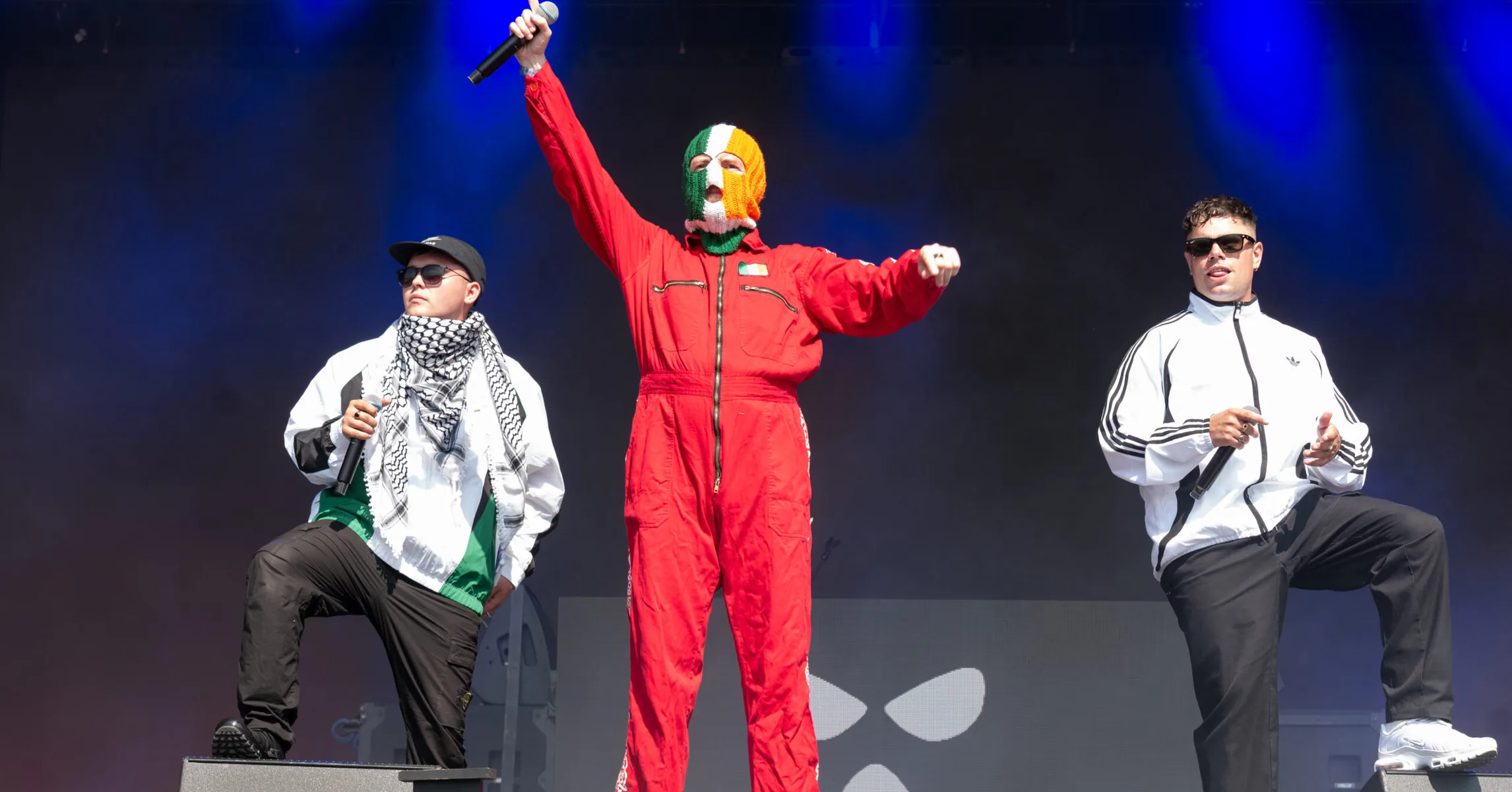
    Fans hoping to catch Irish rap group Kneecap live in the U.S. this October will be disappointed. The trio, known for their unique blend of Irish and English lyrics and outspoken political stances, has announced the cancellation of all 15 of their scheduled U.S. tour dates.

    Legal Troubles Force Tour Cancellation

    The reason behind the cancellation? Ongoing legal proceedings. Member Mo Chara is facing a terrorism-related charge in the UK, stemming from an incident in November 2024 where he allegedly displayed the flag of Hezbollah at a concert. UK law prohibits displaying flags in a manner that could suggest support for designated terrorist groups.

    Kneecap, comprised of Mo Chara, Móglaí Bap, and DJ Próvaí, has vehemently denied any wrongdoing. They’ve labeled the charges a “witch-hunt” and a “smear campaign” orchestrated to silence their criticism of alleged Israeli actions in Palestine. The band stated in April that their accusers “weaponize false accusations of antisemitism to distract, confuse, and provide cover for genocide.”

    A Promise to U.S. Fans

    In their Instagram announcement, the group expressed their regret to fans, stating, “Due to the proximity of our next court hearing in London to the first date of the tour, as the British government continues [its] witch-hunt, we will have to cancel all 15 U.S. tour dates in October.” They assured ticket holders that refunds would be issued.

    But it’s not all bad news for their American fanbase. Kneecap promised to make it up to their fans, hinting at “something very special for U.S. fans next week” to “ink in with you all in October.” They kept the details top secret, urging fans to stay tuned for the reveal.

    Support and Solidarity

    The response from fans in the comments section was largely supportive. Many expressed their understanding and solidarity, with one user writing, “Ill be donating my refunded amount to an organization that supports Palestinians.” Another commented, “Extremely upset. But you guys are fighting for something bigger than giving me and the lads a great night out..”

    What are your thoughts on Kneecap’s tour cancellation and their ongoing legal battle? Share your views in the comments below!

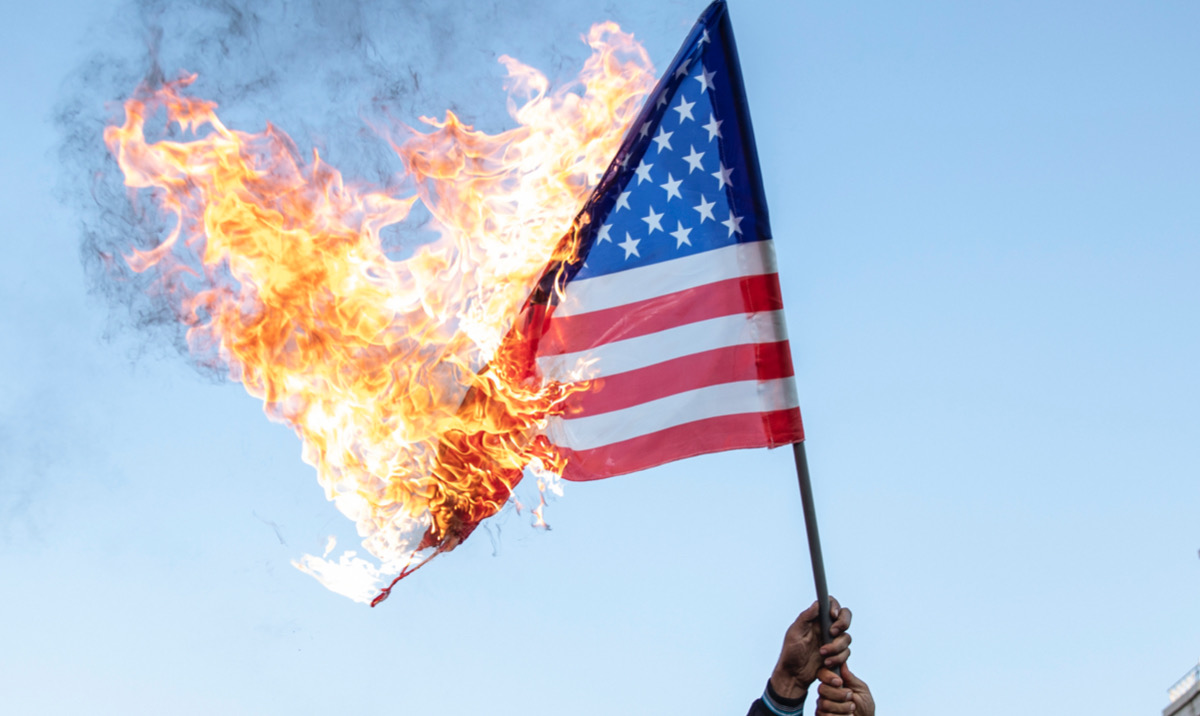
  • Trump Signs Order: Flag Burning Could Mean Jail Time

    President Donald Trump has signed a new executive order that could land individuals in jail for a year if they are caught burning the American flag. This move signals a strong stance on patriotism and respect for national symbols, but it’s already igniting significant debate about free speech protections.

    A Year in Jail for Flag Burning?

    Trump stated, “If you burn a flag, you get one year in jail.” This executive order directly challenges long-standing legal precedents. The Supreme Court, in a 1989 decision (Texas v. Johnson), ruled that flag burning is a protected form of political expression under the First Amendment.

    Despite these legal protections, Trump believes his order will effectively stop the act. He has spoken about this issue previously, advocating for jail time for flag burners, particularly in response to protests seen during political conventions. “They say, ‘Sir, that’s unconstitutional,’” Trump remarked. “We’ll make it constitutional.”

    Clash with Constitutional Protections

    This executive order is already sparking heated discussions. For many, burning the flag is seen as deeply disrespectful to the nation and its values. However, for others, it represents a powerful form of protest, a way to voice dissent and call attention to injustices within the country.

    Legal experts are highlighting the potential conflict with the Supreme Court’s ruling, suggesting this order could face significant legal challenges in federal courts. Trump and his supporters, however, argue that protecting the flag is synonymous with protecting America itself, asserting that criminalizing flag burning sends a clear message about patriotism and respect.

    What are your thoughts on President Trump’s new executive order regarding flag burning? Do you believe it aligns with constitutional rights or goes against them? Share your opinions in the comments below!

  • Charlamagne Tha God on Schulz’s Kendrick Lamar Jokes

    The rap world has been buzzing with the ongoing exchange between Kendrick Lamar and Drake, but a side drama involving comedian Andrew Schulz and Kendrick Lamar has also sparked significant debate. Charlamagne Tha God, co-host of ‘The Brilliant Idiots’ podcast with Schulz, recently addressed the controversy surrounding Schulz’s response to a lyric from Kendrick Lamar’s 2024 track, “wacced out murals.”

    Schulz’s Controversial Response to Kendrick Lamar

    The issue began when Kendrick Lamar rapped, “Don’t let no white comedian talk about no Black woman.” Schulz, taking offense to the lyric, responded on his ‘Flagrant’ podcast with a joke about sexually assaulting Lamar. He stated, “I would make love to him and there’s nothing he could do about it… Just Kendrick Lamar. I would make love to him and the only thing he could do is decide if it’s consensual or not, That’s the only thing he could do.”

    This response drew considerable backlash, with many labeling the jokes as inappropriate and crossing a line, especially given the context of sexual assault. Charlamagne, reflecting on the situation in a recent interview with VladTV, acknowledged his loyalty to his friends but also emphasized his belief in free speech.

    Charlamagne’s Stance on Free Speech

    Charlamagne stated, “You know, because me and my guys, we’re gonna have our conversations that we have amongst each other, and sometimes we might have them on the podcast, but I’m a person that truly feels like, I may not agree with what you said, but I agree with your right to say it.” He further commented on the public’s reaction, saying, “I don’t know what people expect me to do about it. Andrew is a grown man. It was on Flagrant.”

    Schulz himself had previously addressed the criticism on ‘The Breakfast Club,’ explaining his perspective on the jokes. He argued that the comments were taken out of context and were a reaction to Lamar’s lyric about his size and his friends. “They made that sh*t racist so fast. I’m just saying he’s little!” Schulz said. “You told your people to kill my friends. You gettin’ made love to. I don’t like this idea that I’m this big bully.”

    The Ongoing Rap Feud

    Meanwhile, Kendrick Lamar’s album ‘GNX’ continues to be a major force in the music industry, remaining the best-selling hip-hop album of 2025 and competing strongly with other major releases. The lyrical exchanges within the rap community, while sometimes controversial, continue to fuel discussion and engagement.

    What are your thoughts on Charlamagne Tha God’s defense of Andrew Schulz’s jokes? Share your opinions in the comments below!