Tag: Food Insecurity

  • Chicago’s Black-Owned Chick-fil-A Fights Food Insecurity

    In a city grappling with food insecurity, Chicago’s first Black-owned Chick-fil-A is stepping up to make a tangible difference. Owner Kareem Edwards has partnered with a local urban farming organization, Just Roots Chicago, to expand access to fresh, healthy food across the city.

    A Generous Donation for Fresh Food Access

    Edwards recently made a significant contribution, donating $50,000 to Just Roots Chicago. This non-profit organization is dedicated to supporting community farms in Chicago and its surrounding suburbs. Beyond growing fresh produce, Just Roots Chicago also offers vital educational programs, including cooking classes, nutritional workshops, and gardening lessons.

    Sean Ruane, Co-Founder of Just Roots Chicago, shared the organization’s core mission: “Really, what we are all about is trying to make sure that the food we’re growing is as fresh as it can be, and it’s staying in the community.” Edwards connected with Ruane through their shared passion for community support and a desire to advance Just Roots’ mission.

    Beyond the Franchise: A Commitment to Community

    Edwards’ commitment extends beyond this partnership. His company also collaborates with a local food bank to donate leftover meals, directly addressing the rising problem of food insecurity in the Chicago area. Furthermore, Kareem and his wife, Janelle, organize an annual back-to-school breakfast aimed at supporting teachers and staff in local schools.

    Edwards’ journey into the restaurant business is unique. Originally from Far Rockaway, Queens, he spent years on Wall Street before pursuing an MBA and working in innovation roles at Kraft Heinz and Google. He even worked at Chick-fil-A at night while at Google to gain hands-on experience before opening his own franchise in Chicago’s South Loop neighborhood in 2021.

    Supporting Just Roots Chicago

    This collaboration between a prominent Black-owned business and a dedicated urban farming non-profit is a powerful example of how entrepreneurship can drive positive social change. By focusing on fresh food access and community education, Edwards and Just Roots Chicago are cultivating a healthier future for the city.

    How inspiring is this initiative? If you’re interested in learning more or supporting Just Roots Chicago’s mission, you can visit their website. What other community-focused business partnerships have you seen making a difference?
  • Meals On Wheels Atlanta Seeks Volunteers and Donations

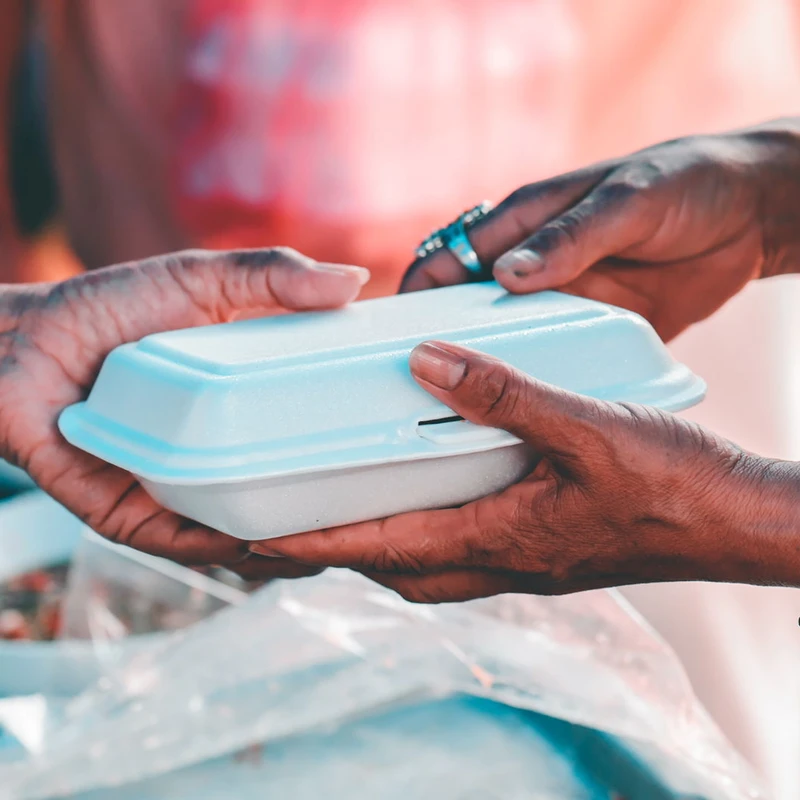
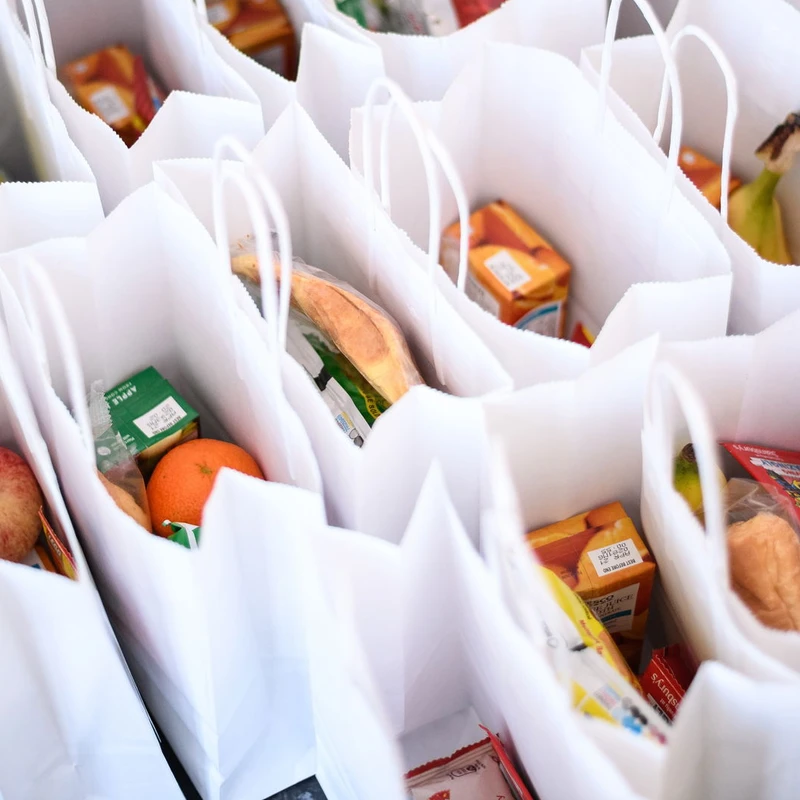
    In Atlanta, the need for essential services for seniors is growing at an alarming rate. Meals On Wheels Atlanta (MOWA) is currently preparing around 1,800 meals daily, but the demand has nearly doubled this year alone. To meet this escalating challenge, the organization is urgently calling for volunteers and donations.

    Culinary Excellence Meets Community Need

    Leading MOWA’s culinary efforts is Executive Chef Christopher Kelly, a seasoned professional with experience from the Four Seasons hotel chain. Chef Kelly brings his high-level cooking skills to create nutritionally tailored menus for Atlanta’s most vulnerable residents. His motivation is simple yet profound: ‘The reason why I started was to nourish people and to help people,’ he shared with WSB-TV. ‘To do that for people who can’t help themselves was a big gain for me.’

    The impact of Meals On Wheels extends far beyond just providing food. For many elderly individuals who are isolated, the delivery person often represents their only daily social interaction. These visits are crucial for well-being checks and can even help identify seniors in medical distress who might otherwise go unnoticed.

    Recognized for Decades of Service

    The dedication and impact of Meals On Wheels Atlanta have not gone unrecognized. In February 2026, the Georgia State Senate passed a resolution formally acknowledging the organization’s six decades of service to the Atlanta area. Sen. RaShaun Kemp, who sponsored the resolution, highlighted MOWA’s work as a reflection of a ‘shared responsibility’ to uphold the dignity of the elderly.

    How You Can Help

    Meals On Wheels Atlanta relies on the generosity of the community to continue its vital mission. There are two primary ways you can support their efforts: through donations and by volunteering your time. Every contribution, whether financial or through service, helps expand their reach and provide essential meals and social interaction to more Atlanta elders.

    Visit the official Meals On Wheels Atlanta website to find out more details on how to donate or sign up to become a volunteer. Your support can make a significant difference in the lives of seniors in your community.

    Are you in the Atlanta area? How can you contribute to Meals On Wheels Atlanta’s mission? Share your thoughts and ideas in the comments below!

  • Donating Smart: What Food Pantries Actually Need

    The holiday season is a time for giving, and many of us want to contribute to our local food pantries. However, as demand for assistance rises due to economic pressures, pantries are finding themselves overwhelmed with donations that are expired, damaged, or simply unsafe to distribute. Understanding what makes a good donation can ensure your generosity truly helps those in need.

    The Challenge of Compromised Donations

    Food pantries across the U.S. are reporting an increase in unusable items, such as dented cans, past-date baby formula, and improperly repackaged bulk foods. These compromised donations pose safety challenges and create logistical nightmares. Instead of being distributed, they require extra hours for staff to sort through, taking time away from serving families.

    This issue is particularly pressing as families face higher grocery prices and reduced federal support. With SNAP benefits decreasing in most states, more people are relying on food banks, making the reliability of donations crucial.

    What NOT to Donate: Safety First

    There are strict guidelines for food donations to ensure safety. Perishable items like fresh eggs, dairy, raw meat, and produce are generally discouraged because they require specific storage and handling that pantries may not always have. While you might not be able to donate a fresh turkey, many food banks partner with agricultural producers and retailers to source these items.

    Similarly, home-baked goods are off-limits due to the inability to list ingredients or guarantee safety standards. However, pantries often collaborate with local bakeries and restaurants that can donate properly labeled, regulated treats.

    High-Need Items That Make an Impact

    • **Shelf-Stable Proteins:** Canned tuna, peanut butter, and beans are excellent sources of protein that last a long time.
    • **Whole-Grain Staples:** Items like rice and pasta, provided they are in sealed manufacturer packaging, are essential pantry items.
    • **Household Essentials:** Sealed and in-date personal care products, such as diapers and toiletries, are also greatly needed.

    Food banks emphasize that monetary contributions are also incredibly valuable. Financial donations allow pantries to purchase safe, needed products directly from wholesalers, often at lower costs. This flexibility ensures they can meet the specific needs of their clients.

    Donating Wisely for Maximum Impact

    The issue of poor-quality donations often stems from a misunderstanding of food safety rules rather than intentional neglect. However, the consequences—like potential bacterial contamination from dented cans or health risks from expired formula—are too significant to ignore. Food banks nationwide are urging donors to review donation guidelines before dropping off groceries.

    By understanding what’s needed and what to avoid, your donations can have an immediate and positive impact. Safe, well-chosen items are one of the most powerful tools communities have to combat food insecurity, especially as demand is projected to rise through the winter months.

    What are your go-to items when donating to a food pantry? Share your tips for making safe and impactful donations in the comments below!

  • Free Groceries Now Available Via Bronx Vending Machine

    Imagine walking up to a vending machine and getting fresh fruits, vegetables, or even meats – for free! That’s exactly what’s happening in The Bronx, New York, thanks to an innovative project by the NGO Change Food For Good. This groundbreaking initiative aims to tackle food insecurity by providing easy access to nutritious food whenever residents need it.

    A Healthy Twist on Vending Machines

    While it looks like a typical vending machine, its contents are a world away from candy bars and soda. This machine is stocked with healthy foods, many of which are sourced from local hydroponic gardens. The project operates on an honor system, encouraging users to take only what they need, fostering a sense of community responsibility. It’s a brilliant way to get fresh, locally grown food directly into the hands of those who need it most.

    The vision behind this initiative is community-focused, even encouraging local residents to get involved by helping with farm work or restocking the machine. This collaborative approach ensures the sustainability and continued success of the project, directly addressing hunger in the neighborhood.

    Combating Food Insecurity with Innovation

    Food insecurity remains a significant challenge for millions across America. With nearly 42 million Americans relying on SNAP benefits, according to the USDA, alternative solutions are crucial. This free food vending machine offers a direct and immediate way to combat hunger, bypassing the usual bureaucratic hurdles associated with food assistance programs. It ensures people get the sustenance they need, right when they need it.

    The first machine is located at the Kips Bay Boys & Girls Club in The Bronx, an area known for its rich diversity, with over 55% Hispanic and 29% Black residents. Change Food For Good has already supplied goods to over 1,100 families and plans to expand this program to more locations across New York City, bringing this vital resource to even more communities.

    What do you think about this innovative approach to providing free groceries? Would you like to see these vending machines in your community? Share your thoughts in the comments below!

  • Kenyan Student Tackles Hunger with Food4Education

    Imagine being a college student and founding a nonprofit that has already served over 100 million meals to schoolchildren. That’s the reality for Wawira Nijiru, a 20-year-old Kenyan visionary who is tackling childhood hunger head-on with her organization, Food4Education. This inspiring initiative is not just about feeding kids; it’s about empowering communities and transforming lives across Kenya.

    From Personal Experience to Global Mission

    Nijiru’s passion stems from her background as a nutritionist and food scientist. She recognized the critical issue of hunger affecting students in her home country and was determined to find a sustainable solution. What started as a personal mission to feed 80 people in her local community, even with a memorable batch of burnt rice, has blossomed into a nationwide effort.

    She believes that providing food is about more than just sustenance; it’s about restoring dignity. This philosophy is central to Food4Education’s approach. Instead of operating purely as a charity, Nijiru treats parents and children as valued customers, encouraging a sense of ownership and empowerment.

    Empowering Communities Through Technology and Participation

    Food4Education utilizes innovative technology to streamline its operations. Children wear wristbands with digital wallets, allowing them to pay for meals via mobile platforms. While parents contribute a subsidized amount, the meals are further supported by donations and government aid. This model ensures that parents feel invested in the program.

    Local kitchens are integral to the process, preparing nutritious meals, and parents often work as staff, earning the title of ‘heroes’ for their daily contributions. This emphasis on local ownership and community involvement is crucial, fostering a sense of shared responsibility for ensuring children are fed. Nijiru highlights that by integrating government support, parental contributions, and philanthropy, they can fundamentally change how school feeding programs operate.

    Sustainability and Measurable Impact

    Sustainability is a cornerstone of Food4Education’s mission. The organization strives for a zero-waste policy in its kitchens and leverages technology not only for financial tracking but also for operational insights. The results are tangible: reduced truancy, improved test scores, and healthier children who fall sick less often.

    Beyond the statistics, Nijiru is most proud of the transformation she’s witnessed in communities across Kenya. Her vision now extends to addressing food insecurity for millions more school children across the African continent. It’s a powerful testament to what one dedicated individual, with the support of her community, can achieve.

    What inspires you most about Wawira Nijiru’s work with Food4Education? Share your thoughts in the comments below!

  • Tyler Perry Donates $1.4M to Aid Families Facing SNAP Cuts

    In a powerful display of generosity, filmmaker and philanthropist Tyler Perry is stepping in to help millions of Americans who are at risk of losing vital food assistance. With the ongoing federal shutdown threatening the Supplemental Nutrition Assistance Program (SNAP), Perry has donated nearly $1.4 million to organizations working on the front lines to feed struggling families.

    A Lifeline for Families in Need

    The U.S. Department of Agriculture (USDA) issued a stark warning: without congressional action, SNAP funding could run out in November. This program is a critical lifeline for approximately 42 million Americans, providing essential support for purchasing nutritious meals. The potential loss of these benefits could lead to widespread hunger, especially for vulnerable populations like seniors, children, and newborns who rely on it for formula.

    Perry’s significant donation is being distributed to several key organizations, including the Atlanta Community Food Bank, Baby2Baby, Meals on Wheels Atlanta, Caring for Others, All for Lunch, the Ron Clark Academy, and Goodr. These groups play a crucial role in ensuring that families have access to food during this uncertain time.

    Empathy Born from Experience

    The 56-year-old filmmaker, who has openly shared his own past struggles with homelessness and poverty, called the situation “heartbreaking.” He emphasized that compassion should transcend politics, stating, “Compassion is not political, it’s humanity, and we seem to be missing both right now.” A source close to Perry revealed that his deep empathy stems from his personal experiences, noting that “Tyler knows firsthand what it feels like to be hungry and homeless.”

    Perry’s commitment to helping those in need is a testament to his character. Despite his immense success, he remains deeply connected to the struggles of others and feels compelled to act when he witnesses injustice. His devastation over the potential impact on so many people underscores the urgency of the situation.

    A Wider Call to Action

    This federal shutdown, now the longest in U.S. history, has far-reaching consequences. Other public figures are also using their influence to address the crisis. Jimmy Kimmel announced a food bank drive for the Los Angeles Food Bank, and comedian Wanda Sykes has highlighted the particular impact on single mothers. These efforts, alongside Perry’s substantial donation, aim to provide immediate relief and draw attention to the critical need for sustained food assistance.

    What are your thoughts on Tyler Perry’s generous donation and the ongoing SNAP funding crisis? How can we better support families facing food insecurity? Share your views in the comments below!

  • Atlanta Food Bank Uses $5M Amid SNAP Cuts

    As the uncertainty surrounding SNAP (Supplemental Nutrition Assistance Program) funding continues, the Atlanta Community Food Bank is taking proactive steps to ensure families in need don’t go hungry. The organization has dipped into its own reserves, allocating $5 million to purchase more food and meet the anticipated surge in demand.

    Surge in Demand Amidst Funding Shortages

    The Atlanta Community Food Bank, which supports nearly 700 pantries across north Georgia, has already witnessed a significant increase in people seeking assistance. Kyle Waide, CEO of the food assistance nonprofit, shared that website traffic looking for help has skyrocketed by 500 percent since the beginning of the month.

    Even with federal judges ordering payouts and state governments stepping in, the ongoing legal battles and delays mean many families are turning to local resources. Waide anticipates that the demand will remain elevated, with longer lines at food pantries throughout North Georgia.

    Federal Funding Flux and Its Impact

    The situation is compounded by federal funding issues. The Trump administration has reportedly withdrawn $4.65 billion from the SNAP program’s contingency fund. This move comes despite a Rhode Island judge ordering the U.S. Department of Agriculture to maintain SNAP benefits.

    While the administration has confirmed that only partial SNAP payments will be allocated, the decision to draw solely from the contingency fund for undisclosed reasons has left many families in a precarious position. Waide estimates that SNAP benefits may not resume flowing fully for several more weeks, intensifying the need for immediate support.

    Local Food Banks Gear Up

    With the prospect of continued delays and partial payments, food-insecure households are increasingly relying on organizations like the Atlanta Community Food Bank. Waide expects a major surge in demand over the next week or two as people navigate the uncertainty of where their next meal will come from.

    In response, local food pantries and the city-wide food bank are preparing to meet this challenge head-on, working to ensure that residents have access to essential food supplies during this critical period. The coming weeks will be crucial in determining the full extent of the impact and the effectiveness of these support systems.

    How can communities best support their local food banks during times of crisis? Share your ideas in the comments below!

  • APS Offers Free Groceries Amid SNAP Funding Crisis

    In response to the impending crisis of SNAP funding cuts, Atlanta Public Schools (APS) is stepping up to ensure families don’t go hungry. The school system has relaunched its monthly food distribution program, offering free groceries to students and their families who are part of the APS community.

    Addressing Food Insecurity Head-On

    The program kicked off on Monday, October 27th, and will continue on the last Monday of each month. Families can drive up to the APS Family & Student Support HUB between 10 a.m. and 12 p.m. to receive their much-needed supplies, while supplies last. This initiative is a crucial lifeline as the Supplemental Nutrition Assistance Program (SNAP) faces a potential shutdown by November 1st due to a lack of allocated funding.

    APS has partnered with the Atlanta Community Food Bank to provide the food. This program, run by dedicated community volunteers, is especially vital given that SNAP currently supports about 12% of the U.S. population, leaving many vulnerable to increased food insecurity.

    A School System’s Commitment

    Atlanta Public Schools, which serves approximately 50,000 students across numerous schools, is committed to continuing this food distribution program throughout the entire school year. This demonstrates a strong dedication to the well-being of its students and their families, especially during uncertain economic times.

    As congressional lawmakers remain at a stalemate regarding the shutdown, which experts suggest could last a month, local initiatives like APS’s food distribution program become even more critical. It highlights the power of community action in bridging gaps left by broader governmental challenges.

    What are your thoughts on Atlanta Public Schools’ initiative? How can communities better support families facing food insecurity? Share your ideas in the comments below!